
1320 Mill Road, Quakertown, PA 18951
For more information about senior living options: (866) 208-4318
Overall Review of Belle Haven Healthcare And Rehabilitation Cen
Pros
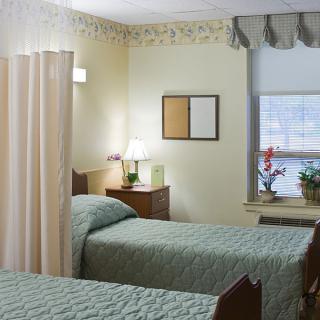
 The facility feels like home.
 - It is equipped with rehab services and offers long-term placement or respite.
- Aviana, the activity director, plans engaging events for residents.
- Kate, the admissions director, goes above and beyond to secure the needed care.
- Katelyn, the director of nursing, ensures high-quality care through strong oversight.
- Belle Terrace is regarded as an ideal place for a loved one's care.
- The rehab team and nursing staff are highly attentive and effective in helping residents return home quickly.
- The staff are friendly and attentive, consistently meeting residents' needs.
- Belle Terrace sets the bar for the standard of care in nursing homes.
Review
Belle Haven in Quakertown is best suited for seniors who want a warm, home-like setting where rehab comes first and long-term placement remains feasible without sacrificing daily attentiveness. The smaller campus format is a clear asset: residents aren’t treated as anonymous patients but as part of a cohesive, family-like community. On-site rehabilitation signals a practical trajectory from admission through discharge, while a leadership team that includes an admission director, a director of nursing, and an engaged activity director keeps daily life structured and reassuring. For families prioritizing practical progress in rehab and steady, compassionate care, this community checks the right boxes.
Those who may want alternatives are families seeking extensive memory-care specialization, a broader social calendar, or more expansive medical resources on-site. A larger campus with multiple wings or a wider range of on-site clinical services can feel more comfortable for residents with high-acuity needs or dementia-specific programs. If the priority is a campus with extensive subspecialty care, broader programming options, or the anonymity some prefer in bigger facilities, this option may fall short. Belle Haven is best understood as a focused, relationship-driven setting rather than a one-stop, large-scale care complex.
The key advantages pivot on leadership visibility and coordinated care. The admissions director is described as relentlessly resourceful, guiding families through the process and helping them navigate expectations so transitions feel manageable rather than overwhelming. The director of nursing oversees nursing management to assure quality of care, which translates into reliable daily oversight and consistent clinical attention. The rehab team is technology- and goal-driven, designed to restore function and return residents home quickly and safely. An activity director keeps the schedule vibrant with planned events, ensuring residents look forward to each day rather than merely endure it. Taken together, these elements deliver a practical, outcome-oriented experience that families can rely on.
That combination of personalized attention and rehab momentum often yields tangible benefits. Families report pleasant interactions with staff, a genuine sense of being welcomed, and a culture that treats residents with consideration and respect. The emphasis on efficient rehab pathways helps residents regain independence sooner, reducing the emotional and logistical strain of extended post-acute stays. The consistent family outreach and proactive plan management reduce anxiety around care transitions, making it easier for loved ones to entrust daily needs to the facility. In short, the clinical and social components work in concert to create a stable, supportive environment.
However, a small campus inherently carries trade-offs that buyers should weigh. The most credible risk is a comparatively narrower menu of clinical specialties and dementia-focused programming, which may matter when needs grow beyond standard rehab and long-term care. If complex medical oversight becomes necessary or if a resident requires a broad array of therapeutic modalities not routinely offered in a tighter setting, alternatives with larger capabilities may be preferable. The potential for wait times or limited availability for certain services should also be considered, though the current reports suggest a responsive staff culture that mitigates some of these concerns.
Overall, the community distinguishes itself by delivering a practical, dependable path for rehab-first recovery and steady, compassionate long-term care in a tightly knit environment. The strengths, hands-on admissions support, strong nursing leadership, proactive therapy, and a personable, involved activity program, often offset the limitations that come with a smaller facility. For families valuing home-like warmth, clear leadership accountability, and a disciplined focus on getting residents home and back to daily routines, Belle Haven stands out as a compelling option. If the resident’s needs include extensive memory-care specialization, broad on-site medical services, or the scale of a larger campus, exploring alternatives is prudent. Prospective families should schedule a visit with a targeted set of questions about therapy intensity, discharge planning, and how care levels adapt as needs evolve.
 59 resident community capacity
 Skilled Nursing Facility
 Air-conditioning
 Beauty salon
 Cable or satellite TV
 Computer center
 Dining room
 Fitness room
 Fully furnished
 Gaming room
 Garden
 Housekeeping services
 Kitchenette
 Move-in coordination
 Outdoor space
 Private bathrooms
 Restaurant-style dining
 Small library
 Telephone
 Wellness center
 Wi-Fi/high-speed internet available
 Lehigh Valley International (16 miles away)
 Community operated transportation
 12-16 hour nursing
 24-hour call system
 Activities of daily living assistance
 Assistance with bathing
 Assistance with dressing
 Assistance with transfers
 Diabetes diet
 Medication management
 Mental wellness program
 Special dietary restrictions
 Concierge services
 Planned day trips






 Comprehensive Guide to Qualifying for Home Health Care Services
 Powerful Realities of Elder Abuse and the Most Effective Ways to Report It
 Ten Vital Duties of a Senior Caregiver: A Comprehensive Guide