
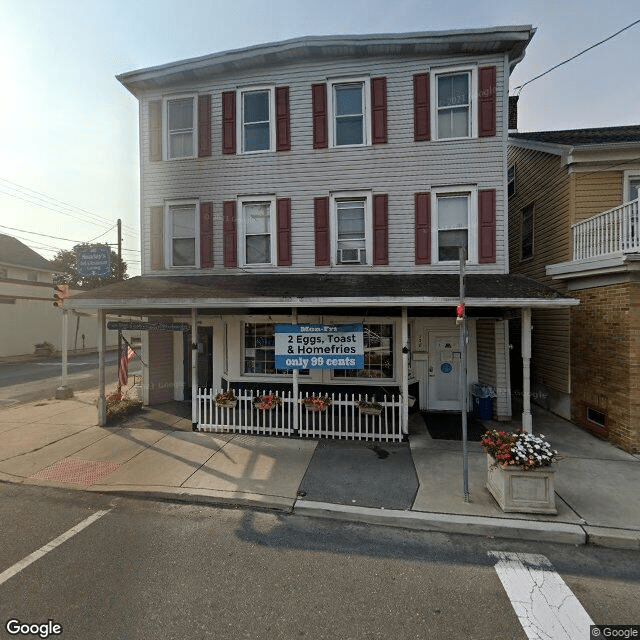
138 E Broad St, Quakertown, PA 18951
To contact a resident: (215) 538-8863
For more information about senior living options: (866) 208-4318
Pathways Costs & Pricing
Pathways offers competitive pricing for its accommodations compared to the broader market in Lehigh County and across Pennsylvania. For semi-private rooms, Pathways charges $3,300 per month, which is notably lower than the county average of $3,741 and slightly less than the state average of $3,542. Similarly, the one-bedroom option at Pathways is priced at $4,500 per month, aligning closely with the county's rate of $4,418 while exceeding the state average of $4,006. This pricing strategy positions Pathways as an attractive choice for residents seeking quality care without compromising on value in comparison to local and state options.
| Floor plans | Pathways | Lehigh County | Pennsylvania |
|---|---|---|---|
| Semi-Private | $3,300 | $3,741 | $3,542 |
| 1 Bedroom | $4,500 | $4,418 | $4,006 |
Independent Living communities with a similar price nearby
-
from -$405 / mo
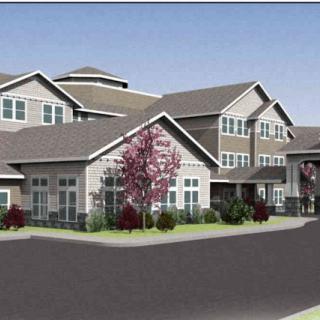
Hudson Estates
$2,895 to $4,795 / month14.4 miles away -
About the same
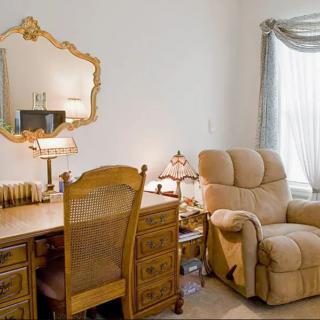
Traditions of Hanover
$3,395 to $4,790 / month15.7 miles away -
from -$175 / mo
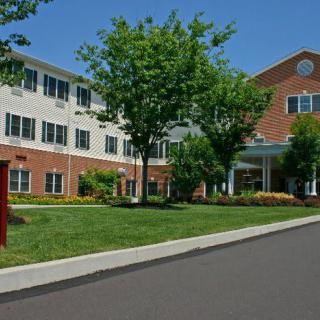
Arbour Square
$3,125 to $4,965 / month11.1 miles away -
from +$480 / mo
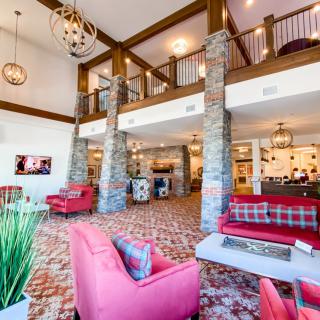
Arcadia at Limerick Pointe
$3,780 to $5,400 / month17.6 miles away -
from -$150 / mo

Providence Place At The Collegeville Inn
$3,150 to $4,600 / month18.8 miles away
Overall Review of Pathways
Pros
 Quakertown House has provided a safe and supportive environment for his brother for 31 years.
- The staff have consistently been responsive to concerns about him.
- He has been treated with kindness and compassion.
- The family is grateful for the care he receives.
Review
Pathways in Quakertown, Pennsylvania is best suited for families that prize safety, steadiness, and humane, responsive care over flashy amenities or aggressive medical programming. The community earns credibility from a track record of staff who are quick to address concerns and who treat residents with kindness and compassion. A family notes that a loved one has lived in the Quakertown setting for decades, underscoring stability, continuity of relationships, and a sense that this is truly home. For families prioritizing a calm, supportive environment where daily life unfolds under attentive caregiving, Pathways delivers reliable reassurance that stability and personal attention still matter in senior living.
Those needing heavy medical oversight, round-the-clock skilled nursing, or specialized memory-care programming should consider alternatives. The strengths highlighted by residents, responsive staff, warmth, and a safe, supportive milieu, do not imply the presence of advanced clinical resources. Families confronting high-acuity needs or dementia-specific programming may find other communities better aligned with those requirements, even if Pathways excels on atmosphere and personal connection. In short, Pathways is a strong fit for those who want dependable daily care and a homelike feel, but not the go-to choice for intensive medical care.
The core benefits, staff responsiveness, genuine kindness, and a compassionate approach, provide meaningful protection against the kinds of stress that can accompany aging at home or in less attentive settings. When concerns arise, families see a willingness to listen and act, transforming potential friction into workable solutions. Residents experience safety and a sense of being valued, which in turn reduces the emotional burden on families who worry about neglect or indifference. While amenities and clinical sophistication may trail larger, more medicalized communities, the human connection here stands out as a tangible compensating strength.
The community’s rating, 4.8 from four reviews, with three five-star and one four-star verdict, signals a clear, consistent level of satisfaction among a small but representative group. That concentration of praise suggests a recognizable pattern rather than a fluke, yet the modest sample size means family experiences may vary somewhat as more residents and relatives weigh in. The absence of negative flags in the current set of reviews reinforces the impression that dependable care and a supportive environment are the hallmarks, but readers should still corroborate with a direct tour and candid conversations.
For families actively evaluating Pathways, practical steps make the evaluation concrete. Ask about staff-to-resident ratios during peak hours and who handles urgent concerns after hours. Inquire about staff continuity and turnover, since long-term relationships often translate into better understanding of a resident’s routines and preferences. Seek specifics on what constitutes “responsive” care, how quickly calls are answered, who follows up, and how issues are tracked to resolution. Explore daily life specifics: meal options, activity calendars, transportation, and routines that support independence. And, crucially, tour the environment with eyes on safety: accessibility features, common areas, and spaces that foster social engagement without feeling clinical.
Bottom line: Pathways is a prudent choice for families prioritizing a stable, safety-forward environment where staff demonstrate genuine care and a resident-focused temperament. It is especially well-suited for someone who values continuity, an established community where relationships endure and concerns are addressed with prompt, compassionate responses. For families whose loved one requires higher levels of medical oversight or dementia-specific programming, it pays to compare alternatives that highlight on-site nursing, more structured clinical support, or specialized memory-care offerings. In most cases, the demonstrated pros, responsiveness, kindness, and a safe, supportive culture, offset potential gaps, making Pathways a compelling option to consider early in the decision process.
 Independent Living
 Lehigh Valley International (16 miles away)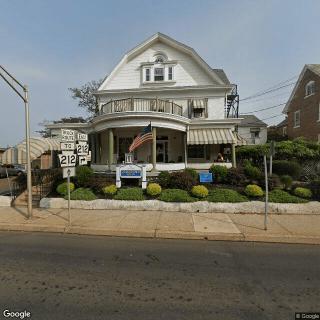


 Urinary Tract Infections in Older Adults: Comprehensive Insights on Symptoms, Treatment, and Prevention
 California's Form 602A: An In-Depth Examination of Senior Care Assessment
 Comprehensive Look at Senior Blood Pressure Charts: Normal and Elevated Levels by Age