For more information about senior living options: (866) 208-4318
3.5 from 66 reviews
5 stars
35
4 stars
6
3 stars
0
2 stars
6
1 stars
19
Overall Review of Renaissance Healthcare & Rehabilitation Center
common28 reviews mention this
Staff warmth and professionalism stand out
Many residents and families describe consistently kind, attentive staff.
Across the reviews, residents’ families repeatedly mention staff who are caring, professional, and welcoming. Several reviewers also highlight nurses and caregivers who communicate well, pay attention to needs, and make families feel reassured during stays. A few reviews still describe very negative staff experiences, but positive mentions of kindness and professionalism are common throughout the feedback.
caveat13 reviews mention this
Cleanliness feels inconsistent
Cleanliness is a mixed experience, with some rooms and common areas described as unclean.
Some reviewers describe the building as clean, well-kept, and modernized, including rooms that felt orderly and welcoming. Other residents’ families report strong negative experiences, like urine odor, filthy hallways, and pest concerns, along with complaints that the problem areas were not addressed. The reviews overall suggest the cleanliness experience may vary by area and timing, rather than being uniformly consistent.
caveat3 reviews mention this
Food quality and timing draw complaints
Some reviews describe meals as cold or served at inconvenient times.
A subset of reviews mentions issues with meal quality and service timing, including comments that food arrived cold or late. One reviewer also describes a need for snacks when outside appointments caused patients to miss meals, suggesting gaps in coverage during scheduling conflicts. While other reviewers praise food in the context of events or general experiences, the meal timing and temperature concerns show up clearly in multiple critical reviews.
caveat4 reviews mention this
Phone access and communication frustrate
Several families struggle to reach loved ones due to phone and communication issues.
Multiple reviews report difficulty getting through by phone, including long holds or the feeling that calls aren’t answered. Others describe communication problems around care updates, with families feeling they cannot get clear information or timely responses. Even when daily care is described positively by some reviewers, these communication concerns are frequent enough to stand out as a recurring frustration.
differentiator10 reviews mention this
Skilled nursing is the care focus
Residents receive skilled nursing facility care with therapy support mentioned often in reviews.
Reviews repeatedly frame stays in terms of skilled nursing and rehab, with residents attending physical therapy and other care-related services. Several families describe improvement during short stays and mention therapy engagement, while others evaluate nursing support based on how well care needs were handled. This focus matches the facility’s skilled nursing model, where services like medication management and assistance with daily activities are central to care.
common2 reviews mention this
Nearby medical and pharmacy access
The area includes nearby pharmacies and major medical centers.
For everyday needs, the immediate area includes pharmacy options close by. Nearby medical facilities include a VA medical center and children’s healthcare providers, which can matter when care involves specialist visits.
How we summarize
Counts show how many written reviews mention each theme; a review can touch several themes, and only frequently mentioned themes are displayed.
Features
Housing
123 resident community capacity
Types of Care
Skilled Nursing Facility
Amenities
Air-conditioning
Beauty salon
Cable or satellite TV
Computer center
Dining room
Fitness room
Fully furnished
Gaming room
Garden
Housekeeping services
Kitchenette
Move-in coordination
Outdoor space
Private bathrooms
Restaurant-style dining
Small library
Telephone
Wellness center
Wi-Fi/high-speed internet available
Transportation
Philadelphia International (5 miles away)
Community operated transportation
Transportation arrangement
Transportation arrangement (non-medical)
Transportation to doctors appointments
Care Services
12-16 hour nursing
24-hour call system
24-hour supervision
Activities of daily living assistance
Assistance with bathing
Assistance with dressing
Assistance with transfers
Diabetes diet
Meal preparation and service
Medication management
Mental wellness program
Special dietary restrictions
Dining
Diabetes diet
Special dietary restrictions
Activities
Community-sponsored activities
Concierge services
Fitness programs
Planned day trips
Resident-run activities
Scheduled daily activities
Nearby Places of Interest
Pharmacies
CVS Pharmacy (0.7 miles)
Rite Aid (0.8 miles)
Rite Aid (0.9 miles)
CVS Pharmacy (0.9 miles)
CVS Pharmacy (1.1 miles)
Perelman Center for Advanced Medicine Outpatient Pharmacy (1.2 miles)
HUP Outpatient Pharmacy - Ravdin (1.2 miles)
Hospitals
Philadelphia VA Medical Center (0.8 miles)
Veterans Administration Community Living Center (0.9 miles)
The Pavilion (1.2 miles)
Lankenau Medical Center (3.9 miles)
Physicians
CHOP Buerger Center for Advanced Pediatric Care - Raymond G. Perelman Campus (1.1 miles)
Children's Hospital of Philadelphia (1.1 miles)
Dr Madonna's Family Practice (3.9 miles)
Transportation
SEPTA: MFL/TRL 30th Street Station (1.7 miles)
30th Street Station (1.9 miles)
Jefferson Station (2.9 miles)
Darby Transportation Center (3.1 miles)
SEPTA: 101/102 Lansdowne Avenue Station (3.7 miles)
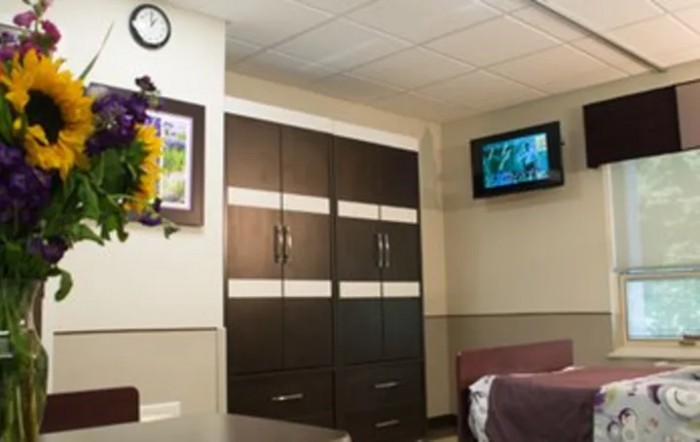
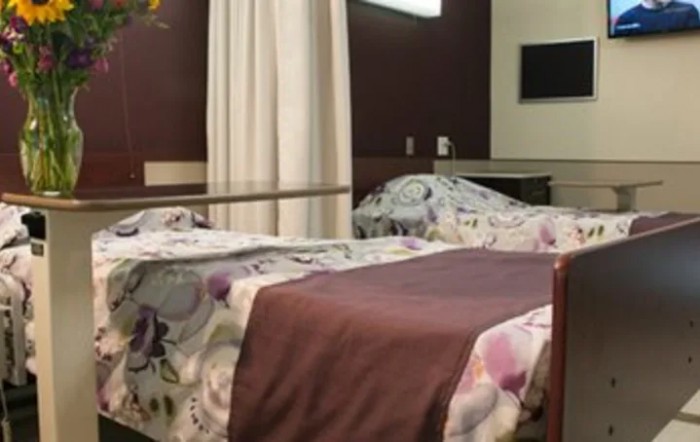
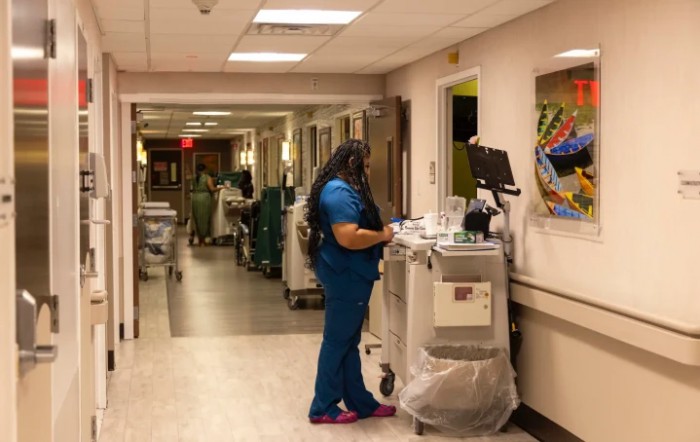
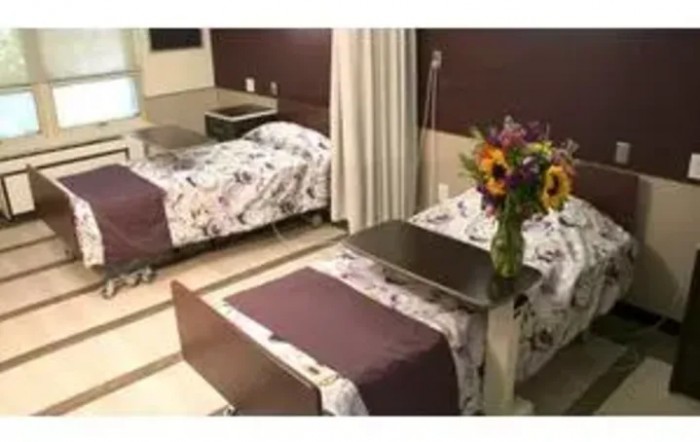
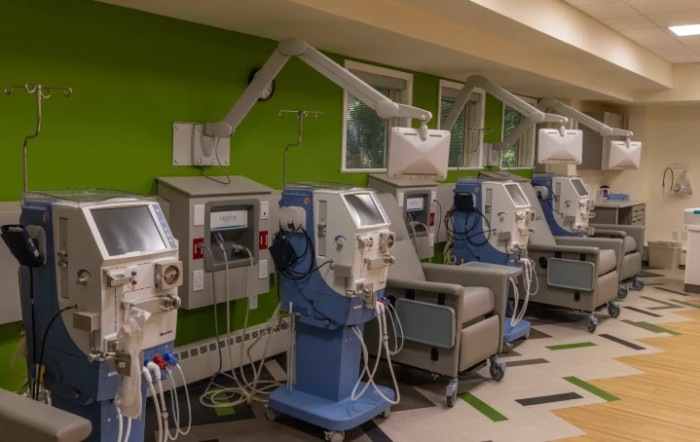
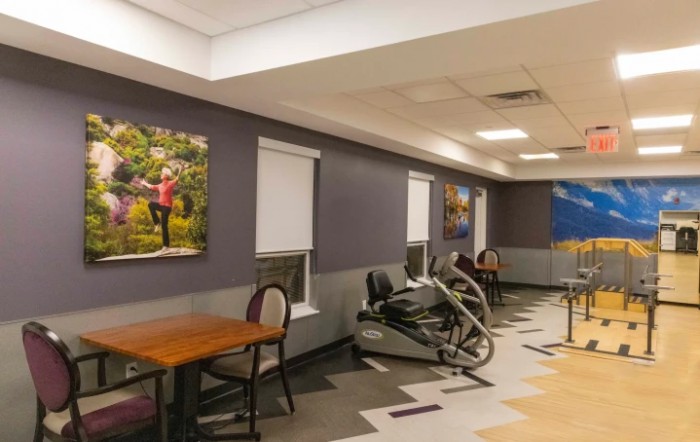
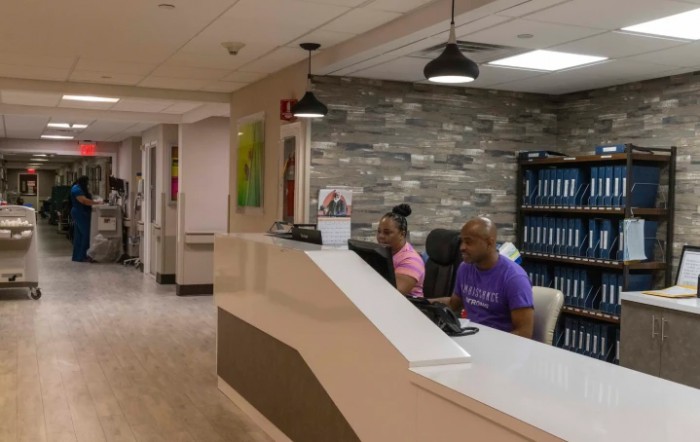
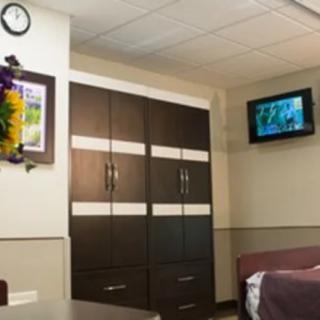
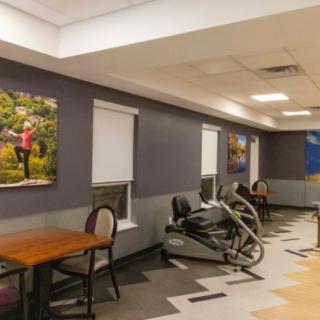
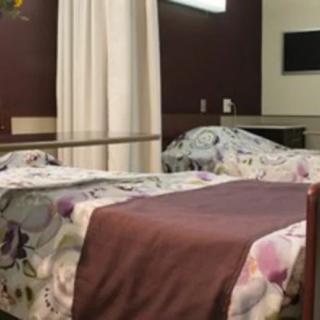
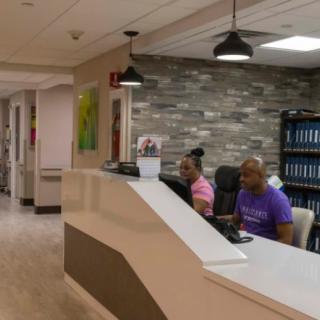
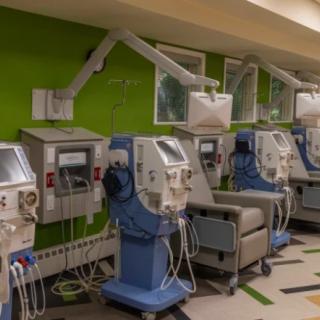
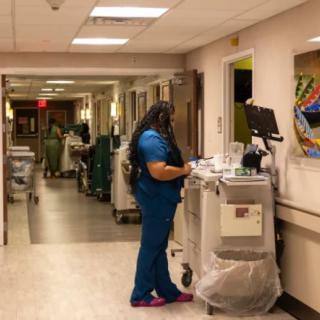
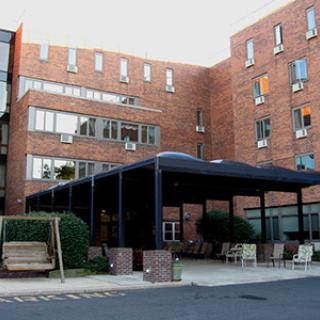
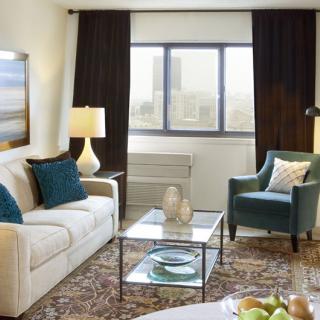
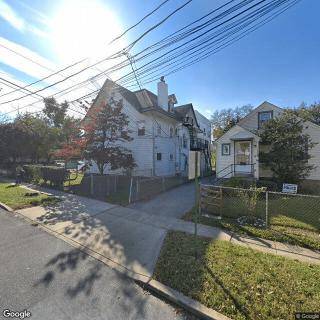
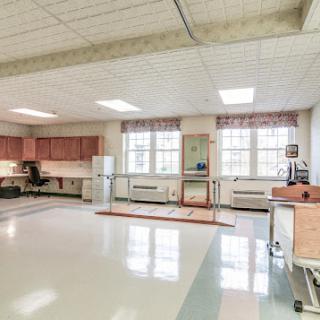
Renaissance Healthcare & Rehabilitation Center on seniors.fyi includes 9 photos including images showing interior, healthcare, television, exercise equipment, reception, office, computers, nurse, and more.
Nearby Communities
We Care Personal Care Home
Philadelphia, PA
5 from 2 reviews
Excellent access to nearby amenities and healthcare.
Best Personal Care
Philadelphia, PA
Small, personalized care with comprehensive services.
House of Friends
Philadelphia, PA
5 from 1 review
$2,200 / month
Low-cost private room with abundant local amenities nearby.
Holy Family Home
Philadelphia, PA
$4,697 to $6,106 / month
24/7 supervision with diabetes-friendly dining and extensive on-site amenities.
Ann Sistrun Home Inc
Philadelphia, PA
4.1 from 74 reviews
$2,895 to $4,195 / month
Competitive pricing for semi-private and private rooms with strong nearby amenities (cafes, parks, pharmacies, dining, transportation, and entertainment).
Thoroughgood Home
Philadelphia, PA
3.5 from 40 reviews
Excellent access to nearby amenities and healthcare.
Fountain View at Logan Square
Philadelphia, PA
4.5 from 147 reviews
$3,500 to $6,995 / month
Vibrant community with diverse activities and a convenient Center City West location.
Accolades Senior Care
Lansdowne, PA
3.1 from 12 reviews
24/7 supervision with respite care and on-site dining and activities.
Manorcare Health Services-Yeadon
Yeadon, PA
2 from 24 reviews
Extensive on-site amenities and comprehensive care services, including 24/7 supervision, medication management, restaurant-style dining, and transportation support.
Senior drivers prioritize comfort, safety, and ease of use in vehicles due to age-related challenges, seeking features like easy entry, clear visibility, and modern driver-assistance technologies. Recommended models include the Subaru Forester, Honda CR-V, and Toyota Camry, with emphasis on test-driving for personal comfort and evaluating crash-test ratings alongside insurance considerations.
Private pay home care offers a flexible caregiving option for older adults and families who don't qualify for government programs, allowing them to directly fund in-home care services that range from daily assistance to specialized support. This model's customization potential enables aging in place while addressing financial considerations through strategic planning options, though clients must navigate marketplace challenges and ensure quality compliance.
Arthritis encompasses over 100 joint disorders affecting people of all ages, leading to symptoms like pain and stiffness that impair mobility and quality of life. Effective management involves early diagnosis, lifestyle changes, medical treatments, emotional support, and ongoing monitoring with healthcare professionals.
Renaissance Healthcare & Rehabilitation Center photos
×
Interior
Outdoors
Bedroom
Windows
Television
Office
Healthcare
Nurse
Interior
Bedroom and Painting
Windows, Artwork, and Exercise Equipment
Television
Outdoors
Healthcare
Office, Reception, and Computers
Nurse
Get PricingAsk A QuestionSchedule A TourContact Senior Advisor
By clicking submit, you agree to our Partner's Terms of Use. You
also consent to receive calls and texts, which may be autodialed, from our Partner. Your consent is not a condition to
using our Partner's service. Please visit our Partner's Privacy Policy for information about their privacy practices.




 123 resident community capacity
 Skilled Nursing Facility
 Air-conditioning
 Beauty salon
 Cable or satellite TV
 Computer center
 Dining room
 Fitness room
 Fully furnished
 Gaming room
 Garden
 Housekeeping services
 Kitchenette
 Move-in coordination
 Outdoor space
 Private bathrooms
 Restaurant-style dining
 Small library
 Telephone
 Wellness center
 Wi-Fi/high-speed internet available
 Philadelphia International (5 miles away)
 Community operated transportation
 12-16 hour nursing
 24-hour call system
 Activities of daily living assistance
 Assistance with bathing
 Assistance with dressing
 Assistance with transfers
 Diabetes diet
 Medication management
 Mental wellness program
 Special dietary restrictions
 Concierge services
 Planned day trips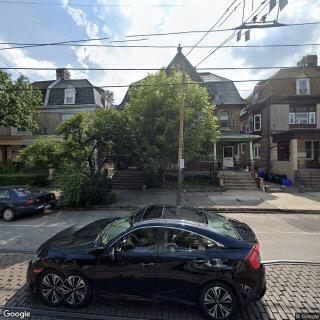
 Excellent access to nearby amenities and healthcare.
 Top Cars for Senior Drivers and Essential Safety Innovations
 A Closer Look at Private Pay Home Care
 Comprehensive Approaches for Arthritis: A Detailed Guide to Symptoms, Causes, and Care