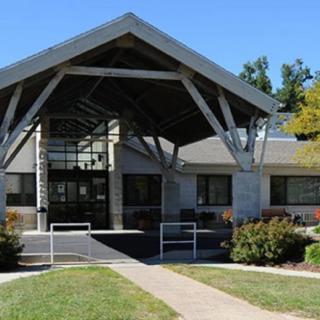
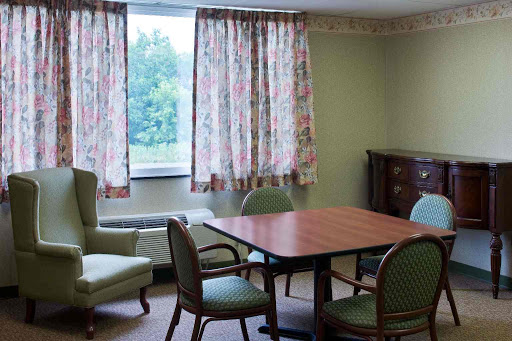
Pennsburg Manor in Pennsburg, PA

Save

  • Interior

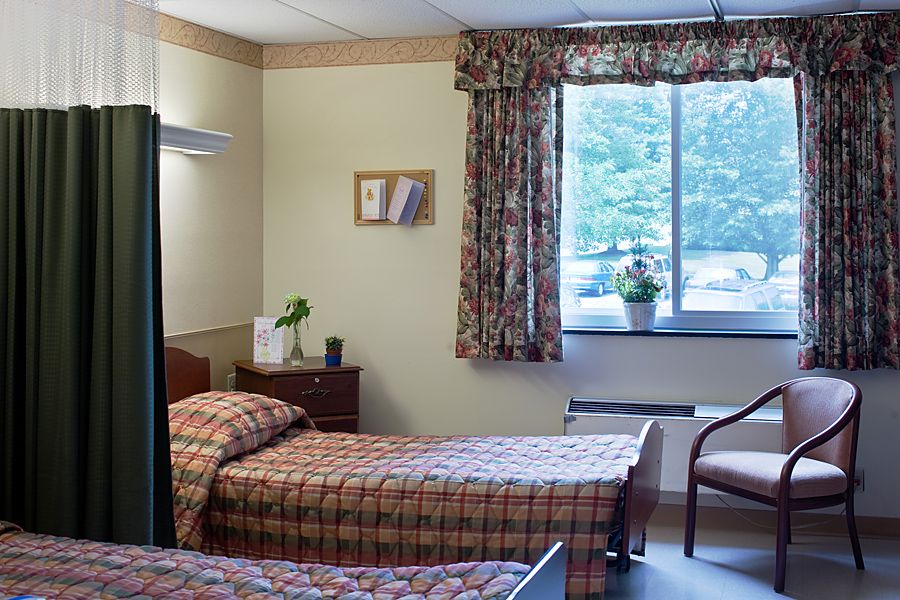
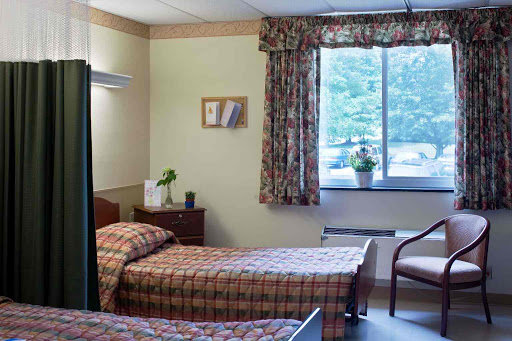
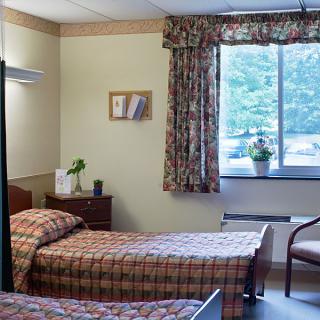
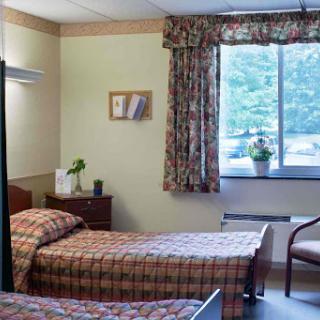
    A cozy room with two beds, a window, and simple decor.
  • Decor

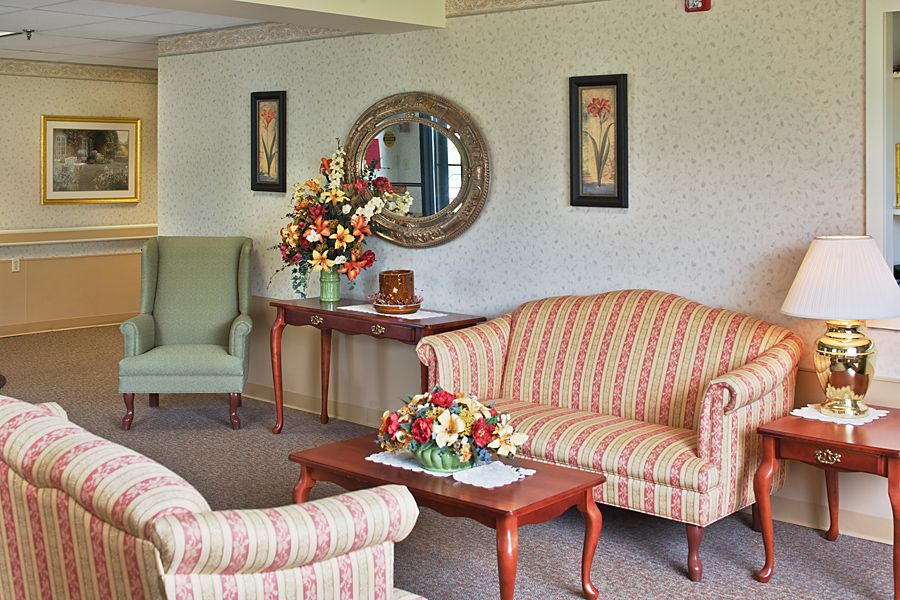
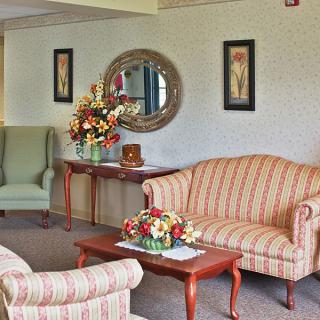
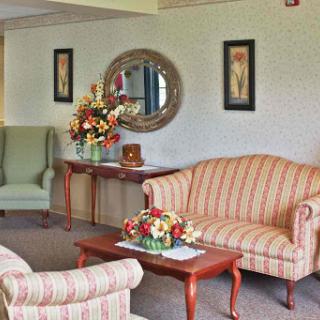
    A cozy living room with striped furniture and elegant decor.
  • Living Room

    A cozy living room featuring striped sofas, armchairs, floral decor, and elegant wall art.
  • Bedroom

    A cozy hospital room featuring two beds, a window with curtains, and decorative plants.
  • Windows

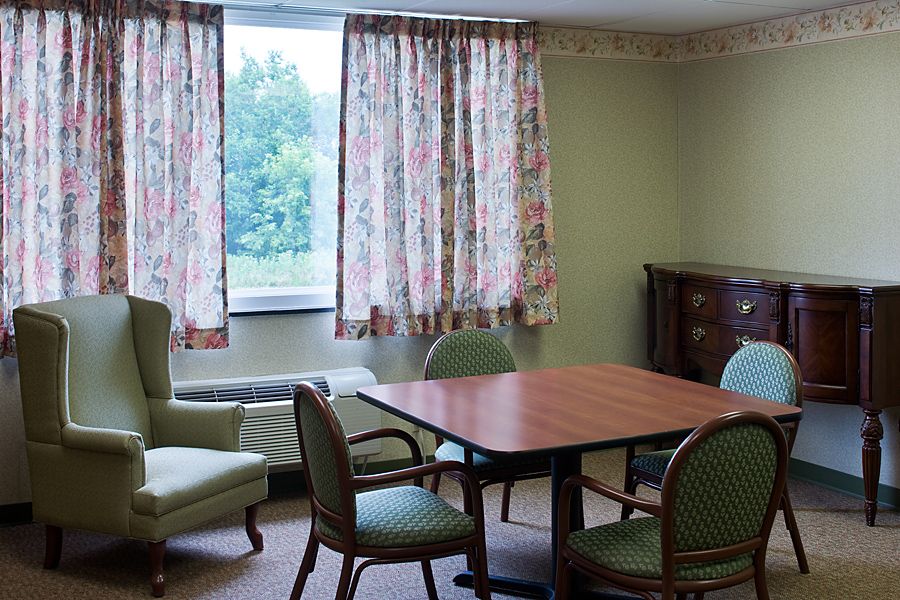
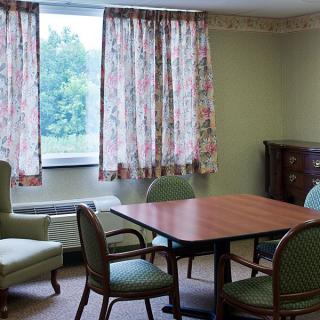
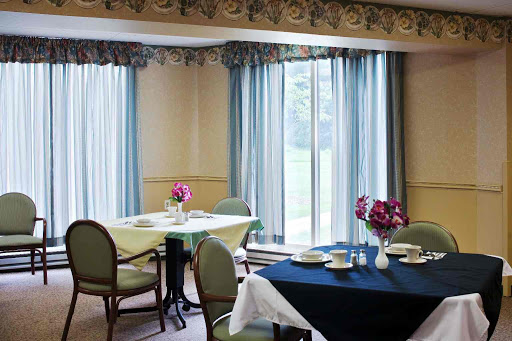
    A cozy room with a wooden table surrounded by chairs and floral curtains on the windows.
  • Dining

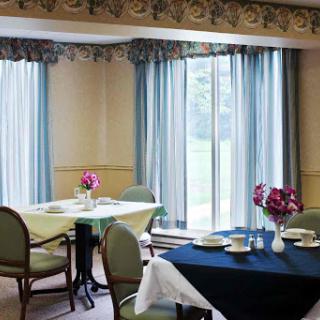
    A cozy dining area featuring neatly set tables and natural light streaming through the windows.
  • Natural Light

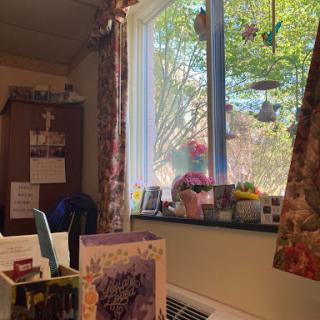
    A cozy indoor space filled with natural light and decorative elements.

Pennsburg Manor in Pennsburg, PA

Information last verified:

530 Macoby Street, Pennsburg, PA 18073

For more information about senior living options: (844) 490-3973

4.5 from 109 reviews
5 stars
83
4 stars
14
3 stars
1
2 stars
1
1 stars
10

Seniors.FYI Elite Community Awards

Top 5% Senior Living Community in 2023Top 5% Senior Living Community in 2024Top 5% Senior Living Community in 2025

Add this award to your website

Overall Review of Pennsburg Manor

Pros

  • pro The staff are friendly, helpful, and attentive to residents’ needs.
  • pro The facility is well kept, clean, and safe.
  • pro The care team is professional, compassionate, and responsive.
  • pro Families report peace of mind and gratitude for the staff’s diligence and dedication.
  • pro Physical and occupational therapy teams provide excellent, patient-centered care.
  • pro Management and front-desk staff are personable and communicate well with families.
  • pro The environment is welcoming, home-like, and calming.
  • pro The staff consistently go above and beyond to ensure exceptional care.
  • pro Many reviewers recommend Pennsburg Manor as a top choice for rehab and long-term care.

Cons

  • pro The food choices are disappointing.
  • pro They are understaffed to attend to the needs of the patients.
  • pro Mom remains on a bedpan longer than necessary due to unanswered call bells.
  • pro There are no ice packs as a pain-management option.
  • pro Mom has a difficult time clearing pain medications and it gives her cognitive issues.
  • pro Mom is left in bed too long.
  • pro It was the worst place ever; the food was always cold and call bells often go unanswered.
  • pro The nursing staff were giving patients wrong medications.

Review

Pennsburg Manor in Pennsburg, PA is best suited for families seeking robust rehabilitation and a clear path to longer-term residency if needed, backed by attentive, hands-on staff. The community consistently earns praise for its therapy focus, physical and occupational therapy that emphasizes real progress and patient engagement, and for a care culture that feels personal rather than institutional. For seniors recovering from surgery, a stroke, or other acute events, the Manor often serves as a reliable bridge to greater independence or a stable long-term arrangement. Families looking for a warm, home-like environment where clinicians and aides work closely with loved ones will find that the core strengths lie in the daily hands-on care, the accessible therapy team, and the willingness of staff to navigate transitions with families and residents.

That said, some readers should explicitly consider alternatives. For those requiring relentlessly uniform performance across all shifts, or for residents with highly specialized neurological or psychiatric needs, Pennsburg Manor may present gaps in consistency and equipment. A handful of reviews flag serious safety and operational concerns, episodes of medications being mishandled, delays in call-bell responses, and the presence of rooms or wards where supervision can feel uneven. Families with heightened sensitivity to privacy, recent or ongoing health crises, or complex medical regimens may prefer facilities with a longer track record of zero-tolerance incident reporting and stronger night-staff coverage. In short, Pennsburg Manor excels on care delivery and bedside empathy, but it may not be the best fit for those who demand near-flawless day-to-day operations around the clock.

Where the pros shine, they largely offset the potential drawbacks. The most consistent praise centers on the staff: nurses, CNAs, therapists, social workers, and front-desk teams are described as genuinely caring, responsive, and knowledgeable. The rehab program routinely earns high marks for progress and professionalism, with patients appreciating therapists who keep them engaged, challenged, and moving toward goals. Family members repeatedly note strong communication, proactive problem-solving, and timely updates about care plans and discharge decisions. The overall atmosphere, cleanliness, order, and a sense of safety, also emerges as a powerful counterweight to occasional negative reports. When a resident needs help navigating transitions from hospital to rehab to potential long-term care, the Manor’s team tends to guide families through the process with empathy and clarity.

Even where gaps appear, the negative threads seldom erase the clear advantages of the facility’s approach. Understaffing concerns and occasional care lapses are real and should be acknowledged, but the dominant narrative, of care teams that genuinely care and practices that increasingly prioritize patient comfort and recovery, persists across most reviews. The best defense against the less favorable experiences is assertive family involvement: insist on regular care conferences, monitor progress closely, and stay in touch with social services and nurse leadership to ensure that every plan aligns with the resident’s recovery timeline. In practice, this means that Pennsburg Manor rewards families who stay actively engaged, ask pointed questions, and insist on timely documentation and consistent therapy exposure.

For families weighing the decision, concrete guidance matters. Schedule a thorough tour focused not just on common spaces but on the day-to-day workflow: how quickly call bells are answered, how medications are administered, and how the therapy schedule integrates with meals and rest. Meet with the director of nursing and social services to understand how care conferences are conducted and how concerns are escalated. Verify that the rehabilitation plan includes realistic milestones with regular reviews, and confirm that the discharge planning is proactive, whether the goal is return home, step-down to a different level of care, or transition into a long-term arrangement. If possible, speak with current residents or family members about night staffing, meal quality, and room cleanliness, then weigh those impressions against the evident strengths in therapy and bedside care.

In the end, Pennsburg Manor presents a clear, practical value proposition for families prioritizing rehabilitative outcomes, attentive staff, and a compassionate, home-like environment. The facility earns its trust through consistent testimonials about progress in therapy, strong interpersonal skills among caregivers, and a staff-driven commitment to guiding loved ones through complex transitions. For most who enter seeking recovery with a path to either home or stable long-term care, the positives outweigh the negatives when paired with an active family role and vigilant oversight. It is not an ornamental residence; it is a capable, patient-centered rehab and care community that, when engaged thoughtfully, often delivers peace of mind and tangible gains.

Ultimately, Pennsburg Manor is a solid, practical choice for rehab-focused care and for families valuing responsive, compassionate staff who treat residents like family. It is less ideal for those who require near-perfect consistency across every shift, highly specialized neurobehavioral care, or ultra-modern amenities. The best approach is a direct visit, candid questions about staffing patterns, and a plan to maintain active involvement and advocacy. With the right expectations and an engaged care plan, Pennsburg Manor can be a trustworthy stepping-stone toward recovery, and in many cases, a favorable long-term solution that aligns with both medical needs and the emotional landscape of aging loved ones.

Features

Housing

  • 21 resident community capacity 21 resident community capacity

Types of Care

  • Skilled Nursing Facility Skilled Nursing FacilitySkilled Nursing Facilities are crucial for seniors as they provide round-the-clock medical care, rehabilitation services, and assistance with daily activities. These facilities ensure that seniors receive the specialized care they need to maintain their health and well-being as they age.

Amenities

  • Beauty salon Beauty salonBeauty salons are important for seniors because they provide a space for them to feel pampered, socialize, and maintain their personal grooming and hygiene. Regular visits to a beauty salon can help boost seniors' self-esteem and overall well-being.
  • Cable or satellite TV Cable or satellite TVCable or satellite TV is important for seniors because it provides entertainment, news, and companionship, helping to combat loneliness and boredom. It also offers a wide range of programming options tailored to different interests and preferences.
  • Dining room Dining roomDining rooms are important for seniors as they provide a space for socialization, connection, and nutritious meals. They offer opportunities for residents to bond over shared meals, foster a sense of community, and promote healthy eating habits. Dining rooms also ensure that seniors have access to well-balanced meals tailored to their dietary needs and preferences.
  • Fully furnished Fully furnishedFully furnished senior living communities are important for seniors because they provide convenience, comfort, and a hassle-free moving experience. Seniors can easily settle into their new living space without the stress of having to buy and move furniture. This allows them to focus on enjoying their new home and community.
  • Garden GardenGardens are important for seniors as they provide a peaceful and therapeutic environment for relaxation, physical activity, and socialization. Being in nature has been shown to reduce stress, improve mood, and promote overall well-being. Gardens also offer opportunities for seniors to engage in gardening activities, which can improve mobility, flexibility, and cognitive function. Additionally, gardens create a sense of community and connection with others who share a passion for plants and outdoor spaces.
  • Housekeeping services Housekeeping servicesHousekeeping services are important for seniors because they help maintain a clean and safe living environment, promote independence, and reduce the risk of accidents or illnesses. Additionally, having assistance with household chores can alleviate physical strain and allow seniors to focus on other aspects of their well-being.
  • Kitchenette KitchenetteKitchenettes are important for seniors living in senior living communities because they provide the convenience and independence of being able to prepare simple meals and snacks in the comfort of their own living space. This can help promote a sense of autonomy and well-being for seniors, allowing them to maintain some level of control over their dietary choices and daily routines.
  • Move-in coordination Move-in coordinationMove-in coordination is important for seniors because it helps ease the transition into their new living environment. It ensures that all logistics, such as packing, organizing movers, and setting up utilities are taken care of, allowing seniors to focus on settling in and adjusting to their new home. Having a smooth move-in process can alleviate stress and anxiety, making the transition smoother and more enjoyable for seniors.
  • Outdoor space Outdoor spaceOutdoor spaces are important for seniors as they provide opportunities for physical activity, social interaction, exposure to natural light and fresh air, and a sense of connection to nature. Having access to outdoor spaces can improve overall well-being and quality of life for older adults living in senior communities.
  • Telephone TelephoneTelephones are important for seniors as they provide a lifeline for communication with loved ones, emergency services, and healthcare providers. They offer a sense of security and independence, enabling seniors to stay connected and access assistance when needed.
  • Wi-Fi/high-speed internet available Wi-Fi/high-speed internet availableWi-Fi/high-speed internet is important for seniors to stay connected with loved ones, access online resources, and participate in virtual activities to combat feelings of loneliness and isolation. It also allows them to easily manage healthcare needs, access entertainment, and engage in lifelong learning opportunities.

Transportation

  • Lehigh Valley International (18 miles away) Lehigh Valley International (18 miles away)

Care Services

  • 24-hour call system 24-hour call system24-hour call systems are important for seniors because they provide peace of mind and immediate assistance in case of emergencies. This technology ensures that help is always available, promoting safety and security for elderly individuals living alone or in assisted living facilities.
  • 24-hour supervision 24-hour supervision24-hour supervision is important for seniors to ensure their safety, well-being, and access to immediate assistance in case of emergencies or health issues. This constant support provides peace of mind for both seniors and their loved ones, allowing them to age in place with dignity and security.
  • Activities of daily living assistance Activities of daily living assistanceActivities of daily living assistance are important for seniors because they provide essential support with tasks such as eating, bathing, dressing, and mobility. This assistance helps seniors maintain their independence, dignity, and overall quality of life as they age.
  • Assistance with bathing Assistance with bathingAssistance with bathing is crucial for seniors as it helps maintain personal hygiene, prevents infections, and ensures their overall well-being and comfort. It also provides a sense of dignity and independence for seniors who may struggle with this task on their own.
  • Assistance with dressing Assistance with dressingAssistance with dressing is important for seniors because it helps maintain their independence, promotes personal hygiene, prevents accidents and injuries, and improves overall quality of life. This service ensures that seniors can continue to dress comfortably and confidently, despite any physical limitations they may have.
  • Assistance with transfers Assistance with transfersAssistance with transfers is crucial for seniors as it helps prevent falls and injuries, maintains their independence, and ensures they can safely navigate their living environment. It also provides peace of mind for both seniors and their loved ones.
  • Coordination with health care providers Coordination with health care providersCoordination with health care providers is crucial for seniors to ensure proper medical care, medication management, and overall well-being. This collaboration helps prevent overlapping treatments, track progress more effectively, and provide comprehensive support tailored to individual needs.
  • Diabetes diet Diabetes dietA diabetes diet is crucial for seniors as it helps manage blood sugar levels, reduce risks of complications, and improve overall health and well-being. By following a balanced and nutritious diet tailored to their specific needs, seniors can better control their diabetes and enhance their quality of life.
  • Meal preparation and service Meal preparation and serviceMeal preparation and service are crucial for seniors as they may have limited mobility or energy to cook nutritious meals. Having access to healthy and convenient food options can ensure they are getting the proper nutrition needed to maintain their overall health and well-being.
  • Medication management Medication managementMedication management is crucial for seniors to ensure they are taking the right medications at the correct dosages and times. This helps prevent adverse drug interactions, reduces the risk of medication errors, and promotes overall health and well-being. Proactive management also allows for adjustments as needed based on changing health conditions or new prescriptions.
  • Mental wellness program Mental wellness programMental wellness programs are essential for seniors as they promote cognitive stimulation, emotional support, and social engagement. These programs help prevent isolation, depression, and cognitive decline, ultimately enhancing the overall quality of life for older adults.
  • Special dietary restrictions Special dietary restrictionsSpecial dietary restrictions are important for seniors because age-related changes in metabolism and health conditions can make it difficult for their bodies to process certain foods. By following a diet tailored to their specific needs, seniors can maintain their overall health and well-being, manage chronic conditions, and reduce the risk of complications such as malnutrition or food interactions with medications.
  • Transportation arrangement (medical) Transportation arrangement (medical)Transportation arrangements for medical purposes are essential for seniors as they may have difficulty driving themselves to appointments or accessing public transportation. Having reliable and safe transportation options ensures that seniors can receive timely medical care and maintain their health and well-being.
  • Transportation to doctors appointments Transportation to doctors appointmentsTransportation to doctors' appointments is crucial for seniors as it ensures they have access to necessary medical care and support for their health needs. Without reliable transportation, seniors may struggle to attend important appointments, leading to potential delays in treatment and health complications. Providing transportation services helps seniors maintain their overall well-being and quality of life.
Dining

  • Diabetes diet Diabetes dietA diabetes diet is crucial for seniors as it helps manage blood sugar levels, reduce risks of complications, and improve overall health and well-being. By following a balanced and nutritious diet tailored to their specific needs, seniors can better control their diabetes and enhance their quality of life.
  • Special dietary restrictions Special dietary restrictionsSpecial dietary restrictions are important for seniors because age-related changes in metabolism and health conditions can make it difficult for their bodies to process certain foods. By following a diet tailored to their specific needs, seniors can maintain their overall health and well-being, manage chronic conditions, and reduce the risk of complications such as malnutrition or food interactions with medications.

Activities

  • Community-sponsored activities Community-sponsored activitiesCommunity-sponsored activities are important for seniors as they provide opportunities for social interaction, mental stimulation, and physical activity. These activities can help improve overall well-being, combat loneliness and isolation, and promote a sense of belonging and purpose among older adults.
  • Scheduled daily activities Scheduled daily activitiesScheduled daily activities are important for seniors because they provide structure, socialization, mental stimulation, and physical activity. Engaging in regular activities can improve overall well-being and quality of life for seniors living in a community setting.

Description

Pennsburg Manor is a fully furnished assisted living community located in Pennsburg, PA. We provide residents with all the comforts of home and a range of amenities to ensure their comfort and convenience. Our residents can enjoy watching their favorite shows or movies on cable or satellite TV in their own private rooms. Our dining room offers delicious meals prepared by our professional staff, and residents can also take advantage of our kitchenette if they prefer to prepare their own meals.

We understand the importance of maintaining a beautiful natural environment, which is why we have a garden and outdoor space where residents can relax and enjoy fresh air. Housekeeping services are provided to ensure that each resident's living space is kept clean and tidy.

For those who require assistance with daily activities, our experienced staff is available 24 hours a day to provide support. This includes assistance with bathing, dressing, transfers, and medication management. We also offer coordination with health care providers to ensure that each resident receives the appropriate level of care.

At Pennsburg Manor, we prioritize the mental wellness of our residents and offer a mental wellness program designed to promote socialization and engagement. We also accommodate special dietary restrictions to ensure that each resident's nutritional needs are met.

Transportation arrangements are available for medical appointments as well as trips to nearby parks, pharmacies, and restaurants. Additionally, we provide scheduled daily activities to keep our residents active and entertained.

Overall, Pennsburg Manor offers a comfortable and supportive environment for seniors looking for assisted living options in Pennsburg, PA. Our range of amenities and care services aim to enhance the quality of life for each resident while promoting independence and well-being.

Nearby Places of Interest

Pharmacies

  • CVS Pharmacy (0.4 miles)
  • Professional Pharmacy of Pennsburg/Red Hill (0.7 miles)
  • Small Town Pharmacy (7.8 miles)
  • Medicine Shoppe Pharmacy (8 miles)
  • Landis Supermarket (8 miles)
  • CVS Pharmacy (8.3 miles)
  • CVS Pharmacy (8.4 miles)

Parks

  • Green Lane Park (4.3 miles)
  • Macungie Memorial Park (8.7 miles)
  • Upper Salford Park (8.8 miles)
  • Church Lane Park (11.6 miles)

Restaurants

  • McDonald's (4.7 miles)
  • Chick-Fil-A (7.8 miles)
  • Landis Store Hotel (9.1 miles)
  • McDonald's (9.4 miles)
  • Spunktown Tavern (9.5 miles)
  • Bay Pony Inn (10.3 miles)
  • Don Juan Mex Grill & Cantina (10.9 miles)

Hospitals

  • St Luke's Upper Bucks Campus (7 miles)
  • Life Care Holdings (10.8 miles)
  • LVH Pediatric Unit (11.8 miles)
  • Lehigh Valley Hospital - Mother/Baby Unit (11.8 miles)
  • Open Heart Unit (11.8 miles)
  • Lehigh Valley Hospital (11.8 miles)
  • Kaysch Pavilion (11.9 miles)

Physicians

  • St Luke's Heart & Vascular Center (7.7 miles)
  • St Luke's Bone And Joint Center (7.7 miles)
  • Grand View Medical Practices (7.8 miles)
  • Complete Family Eyecare (8.4 miles)
  • Macungie Medical Group (8.8 miles)
  • Valley Family Medical Center (9.1 miles)
  • Alpha Dermatology (9.2 miles)

Places of Worship

  • Hope Community Church (8.9 miles)
  • Luthern Home (9.8 miles)
  • Bethany United Methodist Church (11.7 miles)
  • St Thomas More Catholic Church (12.4 miles)

Cafes

  • The Inside Scoop (9.9 miles)
  • Starbucks (11 miles)
  • Shorty's Sunflower Cafe (11.1 miles)
  • Panera Bread (12 miles)
  • Starbucks (12.2 miles)
  • Starbucks (12.2 miles)
  • Starbucks (12.3 miles)

Theaters

  • Movie Tavern Trexlertown (11.9 miles)
  • AMC Center Valley 16 (12.2 miles)

Frequently Asked Questions

Where is Pennsburg Manor?
What photos are available for Pennsburg Manor in Pennsburg, Pennsylvania?

Nearby Communities

  • Penn Board and Care Home

    Penn Board and Care Home

    Pennsburg, PA

    3.3 from 6 reviews
    $1,500 to $3,500 / month

    pro Home-like, affordable option with regular care and social opportunities.

  • Life Span Adult Day Health Ctr

    Life Span Adult Day Health Ctr

    East Greenville, PA

    5 from 5 reviews
     

    pro Comprehensive day program with convenient access to parks, pharmacies, and dining.

  • The Vineyards

    The Vineyards

    Pennsburg, PA

    4 from 4 reviews
     

    pro Vibrant, welcoming assisted living with personalized dining, comprehensive care services, and convenient amenities.

  • Red Hill Estates

    Red Hill Estates

    Red Hill, PA


    pro Small, intimate setting with personalized care.

  • Lifequest Nursing Center

    Lifequest Nursing Center

    Quakertown, PA

    3.6 from 93 reviews
     

    pro Clean, well-maintained facility with caring staff and engaging activities.

  • Frederick Living Magnolia House

    Frederick Living Magnolia House

    Frederick, PA

    4.4 from 48 reviews
     

    pro Memory care and diabetic care with indoor social spaces.

  • St Luke Knolls Inc

    St Luke Knolls Inc

    Gilbertsville, PA

    5 from 1 review
     

    pro Specialized diabetic care with on-site social spaces

  • Renaissance at Morgan Creek

    Renaissance at Morgan Creek

    Quakertown, PA

    4.6 from 10 reviews
     

    pro Friendly, close-knit community with active clubhouse and well-maintained amenities.

  • The Village at LifeQuest

    The Village at LifeQuest

    Quakertown, PA

    3.4 from 13 reviews
    $4,278 to $6,665 / month

    pro Brand-new facility with modern design, attentive staff, and engaging resident activities.

Related Resources

  • anticipatory griefRecognizing the Journey: Understanding and Navigating Anticipatory Grief

    Anticipatory grief is an emotional response to the impending loss of a loved one, characterized by complex emotions such as sadness and anger, and involves navigating stages similar to those identified by Kübler-Ross. Coping strategies are vital for managing this process, emphasizing compassionate communication, self-care, and support groups while recognizing the cultural influences on grieving.

  • adult day careEncouraging Participation in Adult Day Care: A Guide to Supporting a Hesitant Parent

    Adult day care programs offer essential support and activities for older adults, yet many hesitate to participate due to concerns about independence and stigma. To alleviate these apprehensions, families should facilitate open discussions, explore financial resources, suggest trial visits, and collaborate with healthcare providers to highlight the benefits of such services for both the participants and their caregivers.

  • living will definitionComprehensive Exploration of Living Wills and Other Advance Directives
    Living wills and advance directives are crucial legal documents that outline an individual's healthcare preferences when they cannot make decisions themselves, enhancing patient autonomy and alleviating family stress during medical crises. The article emphasizes the need for these documents to be personalized, legally valid, and regularly updated, while also encouraging communication about end-of-life wishes among family members and healthcare providers.