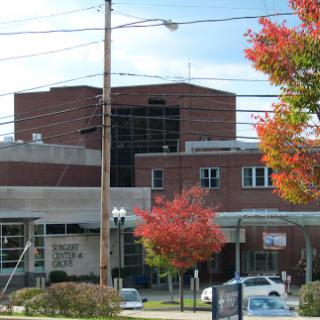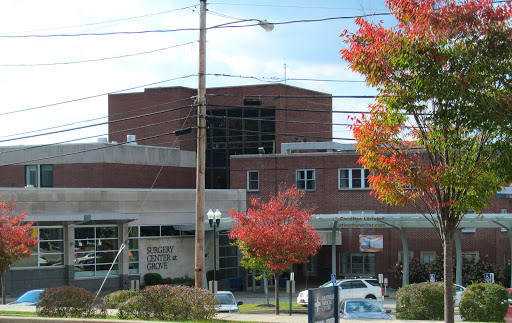
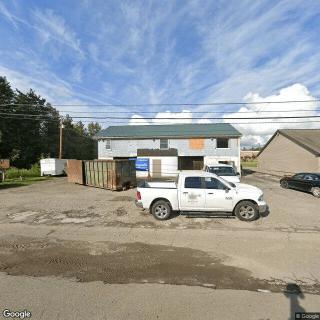
1034 Grove Street, Meadville, PA 16335
For more information about senior living options: (866) 208-4318
Meadville Medical Center Tcu Costs & Pricing
At Meadville Medical Center's Transitional Care Unit (TCU), the monthly cost for a private room is set at $4,900. This pricing positions the center competitively within Crawford County, where the average cost for similar accommodations is slightly higher at $4,946. When considering the broader context of Pennsylvania as a whole, the TCU's rates are comparable, with state averages resting at approximately $4,890 per month. This reflects Meadville Medical Center's commitment to providing quality care while maintaining reasonable costs for its patients, ensuring that families can access essential transitional support without excessive financial burden.
| Floor plans | Meadville Medical Center Tcu | Crawford County | Pennsylvania |
|---|---|---|---|
| Private | $4,900 | $4,946 | $4,890 |
Skilled Nursing Facilities with a similar price nearby
-
from -$518 / mo
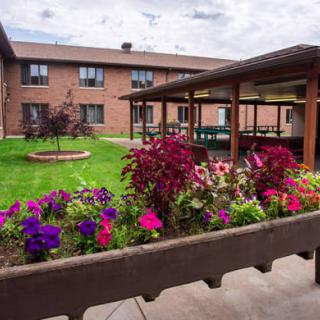
The Caring Place
$4,382 to $4,872 / month22.7 miles away
Overall Review of Meadville Medical Center Tcu
Pros
 The Grove Street Facility provides excellent, compassionate care.
- The staff are caring and friendly, delivering patient-centered service.
- Dr. Gebhart and his team deliver incredible care.
- The Grove Street nurses and their support staff are incredibly kind, caring, and supportive.
- The nurses and staff go out of their way to ensure everything is in order for each patient from start to finish.
- Knee replacement patients receive remarkable care that keeps them comfortable and well informed.
- The TCU staff are kind and caring, always going the extra mile to help patients.
- The staff make patients feel like family and provide compassionate, high-quality care.
Review
Meadville Medical Center TCU is best suited for adults needing structured, short-term post-acute recovery after orthopedic procedures, particularly knee and hip replacements, who want hospital-grade nursing care, dependable routines, and a well-orchestrated discharge plan. The unit functions as a focused rehab corridor where patients receive attentive, around-the-clock support from nurses, aides, and therapists, with clinicians coordinating effort to move from surgery to home as soon as medically appropriate. For families prioritizing a clear recovery pathway and strong medical supervision, this setting delivers measurable value and momentum toward independence.
Those seeking long-term assisted living or ongoing memory-care services should carefully weigh alternatives. The TCU’s strengths shine in the short-term rehabilitation arc, not in chronic daily living support. Residents needing continuous, long-term daily assistance, or specialized dementia programming, may find a dedicated long-term skilled nursing or memory-care facility more appropriate. Additionally, for families desiring a more independent or non-hospital environment, or options outside the Meadville area, other senior living models will likely better align with expectations for day-to-day living and social engagement beyond rehab milestones.
The core advantages are hard to miss. The quality of care is consistently described as compassionate and patient-centered, with nurses and support staff who actively pursue comfort, safety, and clarity. Physicians involved in the care, most notably Dr. Gebhart, with colleagues such as Dr. Frndak and Dr. Challener, and Dr. Colantonio, are repeatedly cited for listening, responsiveness, and a genuine sense of treating patients like family. The therapy teams, physical therapy and occupational therapy, receive particular praise for practical rehab plans, steady encouragement, and attention to milestones that drive progress toward discharge. The overall atmosphere is described as a well-run operation where communication is prioritized and patient experience is a shared value.
There are few explicit drawbacks voiced in the reviews, but the nature of a Transitional Care Unit carries implicit limits. This setting centers on short-term rehab with a finite trajectory, which may feel restrictive for those who anticipate a longer or more varied recovery course. The hospital-adjacent environment, while reassuring for safety and oversight, is not a residential, independent-lifestyle venue. Families should not expect ongoing social programming or amenities typical of long-term senior living, and those seeking more autonomy may want to temper expectations accordingly.
Yet the strengths effectively counterbalance these caveats. A swift, attentive care response, paired with a disciplined, outcome-driven rehab plan, helps patients regain mobility and confidence quickly. The reputational takeaway, that staff genuinely go above and beyond and that patients feel cared-for “like family”, translates into tangible benefits: smoother pain management, more consistent therapy engagement, and a clearer path back to home life. When discharge planning is thorough and therapy timelines are well coordinated, the transition to home health services or outpatient follow-up becomes far less daunting, reducing uncertainty for both patients and families.
In the end, Meadville Medical Center TCU stands out for post-operative recovery needs that hinge on expert clinical oversight and compassionate, hands-on rehab. It is a compelling choice for those prioritizing a hospital-adjacent setting with a proven track record of knee and hip recovery, strong physician involvement, and a therapy team that delivers practical, goal-focused progress. While not a substitute for long-term care or memory-specific settings, the unit’s strengths, in particular the staff’s kindness, the clarity of progression, and the reliable discharge planning, offer a solid, practical pathway back to independence. Families should confirm bed availability, verify insurance coverage and length-of-stay expectations, and align expectations with home-health contingencies to maximize the likelihood of returning home smoothly and safely.
 32 resident community capacity
 Skilled Nursing Facility
 Beauty salon
 Cable or satellite TV
 Dining room
 Fully furnished
 Garden
 Housekeeping services
 Kitchenette
 Move-in coordination
 Outdoor space
 Restaurant-style dining
 Small library
 Telephone
 Wi-Fi/high-speed internet available
 24-hour call system
 Activities of daily living assistance
 Assistance with bathing
 Assistance with dressing
 Assistance with transfers
 Diabetes diet
 Medication management
 Mental wellness program
 Special dietary restrictions




 8 Essential Assistive Devices for Older Adults
 Navigating the Financial Road to Nursing Home Care: In-Depth Guidance and Resources
 Supportive Employee Benefits That Help Caregivers Attain Better Work-Life Harmony