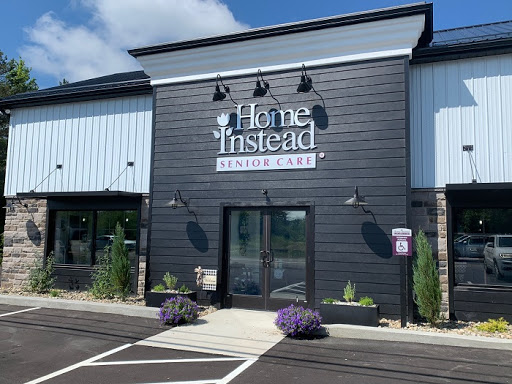

11173 Perry Hwy, Meadville, PA 16335
To contact a resident: (814) 332-0053
For more information about senior living options: (866) 208-4318
Overall Review of Home Instead - Meadville, PA
Pros
 Home Instead is described as a wonderful organization whose staff are kind, professional, and gentle in caring for loved ones.
- The caregivers are noted for going above and beyond, including seeking out tasks and providing companionship.
- Families report that Home Instead provides peace of mind and reduces stress during difficult times.
- The service is praised for matching the perfect caregiver and ensuring on-time, attentive care.
- The staff are commended for showing compassion during end-of-life care and supporting families through bereavement.
- The team demonstrates patience with pets and sensitivity to household dynamics.
- Home Instead’s administration and communication are described as reassuring and effective.
- Clients and families consistently recommend Home Instead to others seeking home care.
Cons
 Trusting someone in the home to provide 24 hour care for a loved one when you are four hours away is a frightening responsibility.
Review
Home Instead Senior Care in Meadville is best suited for families seeking reliable in-home support that keeps a loved one safely at home while delivering genuine companionship and practical help with daily tasks. It shines for those navigating palliative or end-of-life care, recovery after surgery, and ongoing needs tied to aging or early cognitive decline. For families that require round-the-clock medical oversight, highly structured memory-care programming, or a facility-based environment, alternatives such as assisted living or skilled nursing communities should be considered.
The standout advantages center on the people doing the work. The aides are consistently described as kind, professional, and gentle, with a track record of being present, punctual, and capable. The agency’s strength is in careful caregiver matching, office staff take the time to pair personalities with client needs, which translates into trust, routine, and a sense of safety for families. Specific stories underscore the impact: caregivers who go beyond the call to handle tasks, soothe anxiety, and even manage household details with warmth. The operating team is accessible, responsive, and supportive, which matters when schedules shift or a care plan needs adjustment.
Nevertheless, some realities deserve emphasis. While the vast majority of caregivers are excellent, families may experience turnover or multiple workers over time, especially during transitory periods or when coverage needs change. That reality can require ongoing re-education and patience from families as new caregivers learn a loved one’s routines and preferences. Cost-value perceptions will vary with the level of independence and services required; for some, as one reviewer notes, the value may appear modest if a loved one manages well with light assistance, while others will feel the benefits most acutely during intensive or crisis periods. The model relies on consistent coordination with the agency to maintain seamless coverage, which can be a consideration for families living far away.
Yet the positive outcomes often more than offset these potential bumps. The core strength, the ability to align compassionate caregivers with a client’s temperament, produces tangible benefits: safer, more active days; reduced caregiver burden on families; and a deep sense of peace knowing someone trustworthy is in place. Clients report improved quality of life, with loved ones participating in activities like meals out or shopping, and even noticeable declines in falls or isolation when companionship and supervision are steady. The anecdotal impact is reinforced by director-level involvement and frequent, personalized touches, including timely communication, flexible scheduling, and a willingness to stretch for holidays and difficult times. In short, the system nurtures continuity and dignity in daily living.
This program is especially well-suited for families who want to keep a loved one living at home but need dependable, relationship-driven support. It works particularly well for seniors facing Alzheimer’s or memory challenges when the aim is consistent companionship and safe assistance rather than institutional care. For those who require advanced medical management or a highly structured care setting, alternatives remain appropriate: a Memory Care or Assisted Living community can provide 24/7 nursing oversight and a more clinical framework that some families may prefer as needs escalate.
What to expect next is clear and actionable. Start with a candid assessment of the loved one’s daily routine, medical needs, and temperament, then press for a thoughtful caregiver-matching process that prioritizes personality fit as much as skills. Ask about scheduling flexibility, what tasks are included, and how the agency handles turnover or replacements without compromising continuity. Confirm 24-hour coverage options if a crisis arises, and discuss how communication will be maintained when distance or work demands limit direct involvement. With a 4.9 rating from 29 reviews, 26 five-star and 3 four-star, the Meadville location has established a track record of care that families can rely on when the goal is maintaining independence at home with trusted, compassionate support.








 California's Form 602A: An In-Depth Examination of Senior Care Assessment
 Comprehensive Look at Senior Blood Pressure Charts: Normal and Elevated Levels by Age
 Top Canine Companions for Older Adults