Crestview Center offers competitive pricing for its various room types, particularly when compared to both Bucks County and the broader Pennsylvania market. For semi-private rooms, Crestview Center's rate of $2,750 significantly undercuts the Bucks County average of $5,028 and is also more economical than Pennsylvania's statewide average of $3,542. Studio apartments at Crestview are priced at $2,800, again showcasing a favorable comparison to Bucks County's $4,593 and Pennsylvania's average of $3,737. Even the one-bedroom units at Crestview Center, priced at $3,700, present a valuable option against the local benchmark of $4,397 and state level of $4,006. However, private rooms do carry a higher price point at Crestview - $7,050 - surpassing both Bucks County ($5,548) and Pennsylvania's average ($4,890), indicating that while some options provide excellent value in this context, others reflect higher standards or amenities that may justify their cost.
Floor plans
Crestview Center
Bucks County
Pennsylvania
Semi-Private
$2,750
$5,028
$3,542
Studio
$2,800
$4,593
$3,737
1 Bedroom
$3,700
$4,397
$4,006
Private
$7,050
$5,548
$4,890
Skilled Nursing Facilities with a similar price nearby
from +$220 / mo
Brandywine Living At Haverford Estates
4.7 from 122 reviews
$2,970 to $7,020 / month
24.3 miles away
About the same
Masonic Village at Burlington
4.6 from 167 reviews
$2,802 to $9,450 / month
11.1 miles away
from +$350 / mo
The Pines At Philadelphia Rehab And Healthcare Center
Many visitors report strong urine-related odors and dirty, outdated conditions.
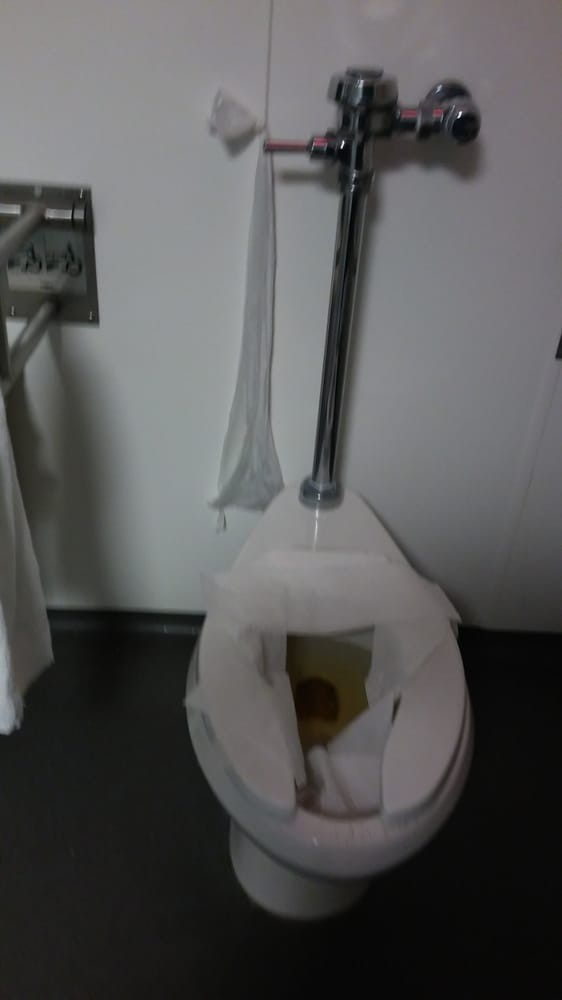
A recurring concern is the smell, with multiple reviews describing overwhelming urine odor in halls, rooms, and bathrooms. Several also mention visible messes or unclean details like stained carpets, rooms that look rundown, or items left around. Others do say the building is clean and that housekeeping does a good job, but the negative cleanliness comments are frequent enough to stand out. A few reviews also tie cleanliness problems to care issues they felt were unacceptable.
common22 reviews mention this
Staff kindness and responsiveness stand out
Residents and families repeatedly describe staff as caring, friendly, and willing to help.
Across reviews, people often comment on staff attitudes—friendly, helpful, and professional—and describe nurses and aides as attentive to resident needs. Several reviews also mention quick help when something is needed, and some thank specific team members for support during rehab, visits, or difficult moments. Even where other issues are mentioned, many reviewers still single out good interactions with portions of the staff. Taken together, the strongest consistent theme is that residents and families notice the people behind the care.
caveat6 reviews mention this
Care timing and medication issues
Some families describe delayed or missed care, including medication timing problems.
Several reviews raise concerns about how care is handled when it comes to timing, updates, and medication administration. One review describes medicine not being given on schedule during hospice care, while another describes communication gaps between shifts that affected the resident’s care plan. A different review mentions delays after calls for help and difficulty getting providers promptly when medical concerns came up. Even among more positive experiences, these timing and follow-through complaints recur enough to temper expectations.
common4 reviews mention this
Rehab therapies and specialized needs
Therapy experiences are often described as supportive and focused on goals.
Multiple reviews highlight rehab therapy as a key part of the experience, including physical and occupational therapy that helps residents work toward mobility goals. Some families specifically describe complex medical rehabilitation—such as diabetes-related needs, IV therapy, or wound care—and credit the nursing and therapy teams for getting through those challenges. The community also supports meal planning tied to dietary restrictions, including diabetes diets and special dietary restrictions, which aligns with the medical rehab focus described in reviews. Overall, residents and families tend to remember the rehab effort most when they felt their needs were met well.
common5 reviews mention this
Food quality gets mostly positive notes
Several reviews say the meals are good, with only occasional calls to improve.
Some reviewers describe the food as good and mention specialty needs being handled through food services. A few also include the dining experience as part of what made visits or short stays feel comfortable. At the same time, at least one review asks for better food quality, suggesting it may vary by situation or preferences. The menu planning for diabetes and special dietary restrictions matches the type of rehab care residents are receiving.
differentiator4 reviews mention this
Clear care coordination during admission
Families sometimes highlight admissions and plan support as a strong starting point.
Some reviews praise getting set up—either after hospital discharge or when arranging options—and describe staff helping with plans and alternatives. A few visitors also describe smooth check-in and ease finding rooms, which can make the first day less stressful. While these comments are more about the transition than daily care, they still show up as a consistent positive buying-experience detail. For many families, that early coordination is one of the clearest parts of the experience they remember.
How we summarize
Counts show how many written reviews mention each theme; a review can touch several themes, and only frequently mentioned themes are displayed.
Features
Housing
21 resident community capacity
Types of Care
Skilled Nursing Facility
Amenities
Beauty salon
Cable or satellite TV
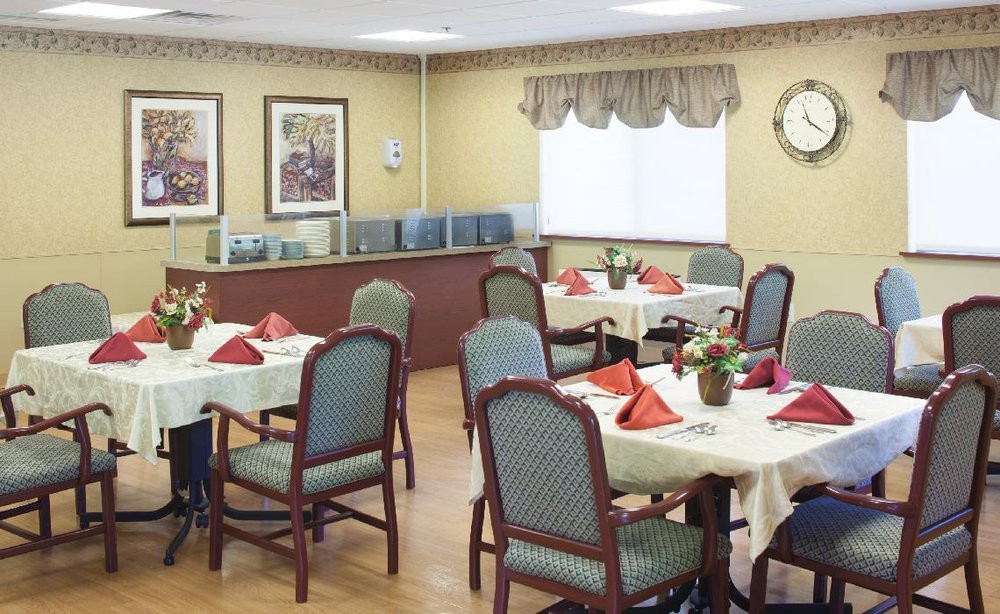
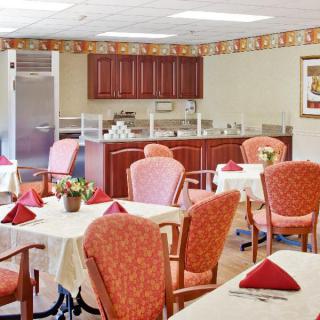
Dining room
Fully furnished
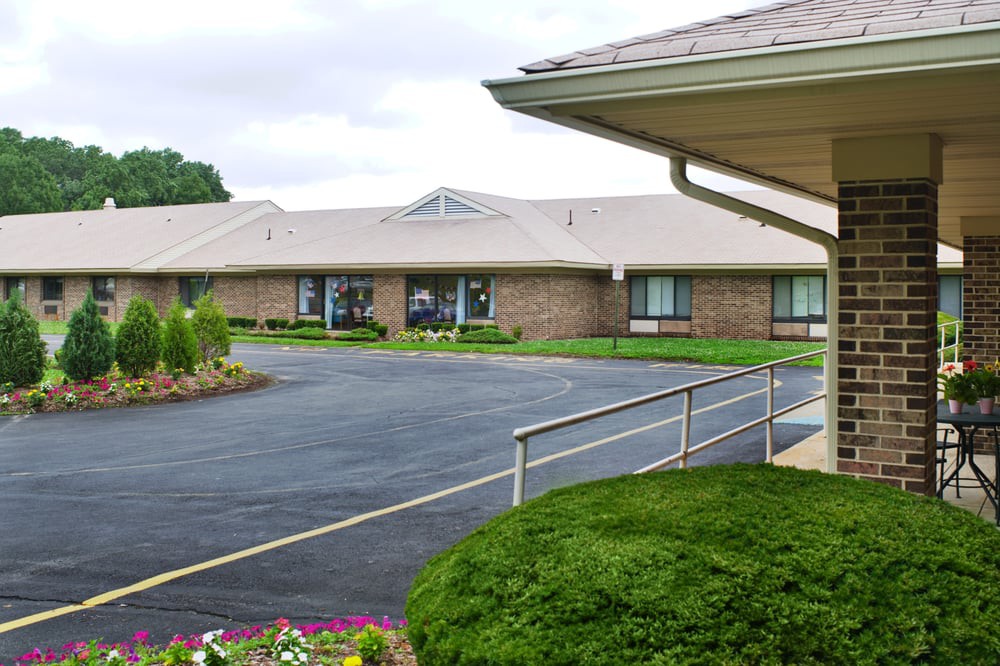
Garden
Housekeeping services
Kitchenette
Move-in coordination
Outdoor space
Private
Telephone
Wi-Fi/high-speed internet available
Transportation
Trenton-Mercer County (8 miles away)
Care Services
24-hour call system
24-hour supervision
Activities of daily living assistance
Assistance with bathing
Assistance with dressing
Assistance with transfers
Coordination with health care providers
Diabetes diet
Meal preparation and service
Medication management
Mental wellness program
Special dietary restrictions
Transportation arrangement (medical)
Transportation to doctors appointments
Dining
Diabetes diet
Special dietary restrictions
Activities
Community-sponsored activities
Scheduled daily activities
Nearby Places of Interest
Located in Langhorne, Pennsylvania, this area offers a variety of amenities and services that may be appealing for seniors looking to settle down. With several hospitals and physicians within close proximity, residents can rest assured knowing that their healthcare needs can be easily met. Additionally, there are multiple pharmacies nearby for convenient access to medications. Places of worship are available for those seeking spiritual fulfillment, while a selection of restaurants and cafes provide dining options for social gatherings. Nature lovers will appreciate the nearby parks such as Tyler State Park and Washington Crossing Historic Park, offering opportunities for outdoor recreation and relaxation. For entertainment, there is a theater within a short drive. Transportation options like Trenton-Mercer Airport and train stations make traveling convenient for seniors who may want to explore beyond the local area.
Crestview Center offers competitive pricing for its various room types, particularly when compared to both Bucks County and the broader Pennsylvania market. For semi-private rooms, Crestview Center's rate of $2,750 significantly undercuts the Bucks County average of $5,028 and is also more economical than Pennsylvania's statewide average of $3,542. Studio apartments at Crestview are priced at $2,800, again showcasing a favorable comparison to Bucks County's $4,593 and Pennsylvania's average of $3,737. Even the one-bedroom units at Crestview Center, priced at $3,700, present a valuable option against the local benchmark of $4,397 and state level of $4,006. However, private rooms do carry a higher price point at Crestview - $7,050 - surpassing both Bucks County ($5,548) and Pennsylvania's average ($4,890), indicating that while some options provide excellent value in this context, others reflect higher standards or amenities that may justify their cost.
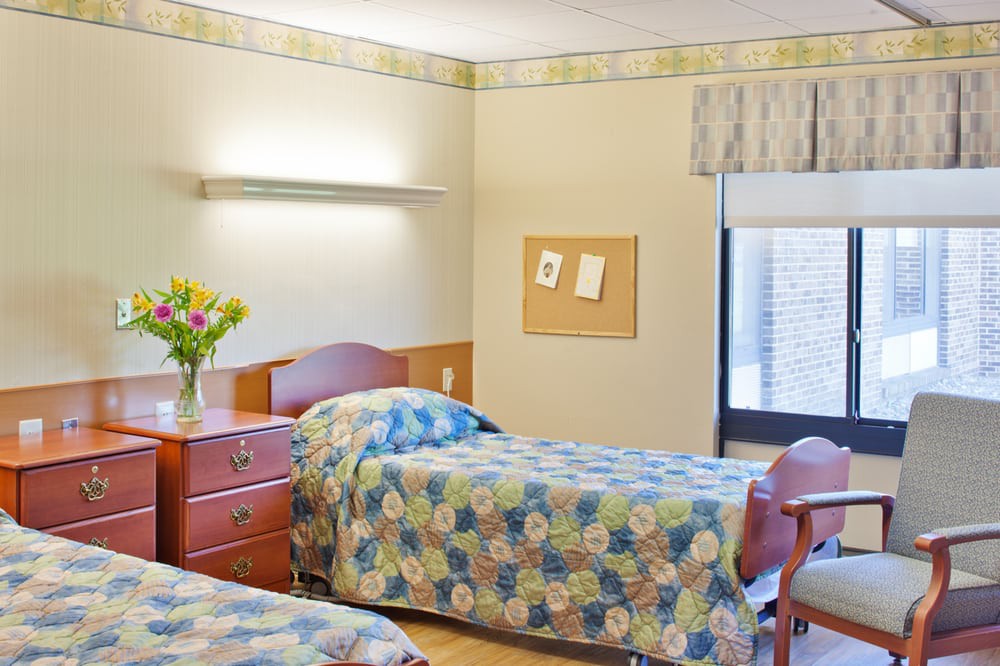
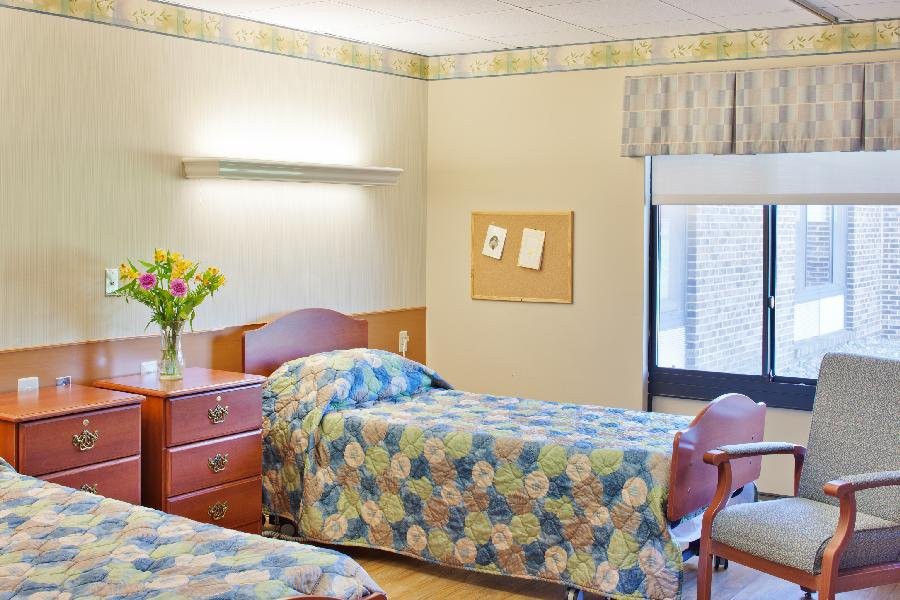
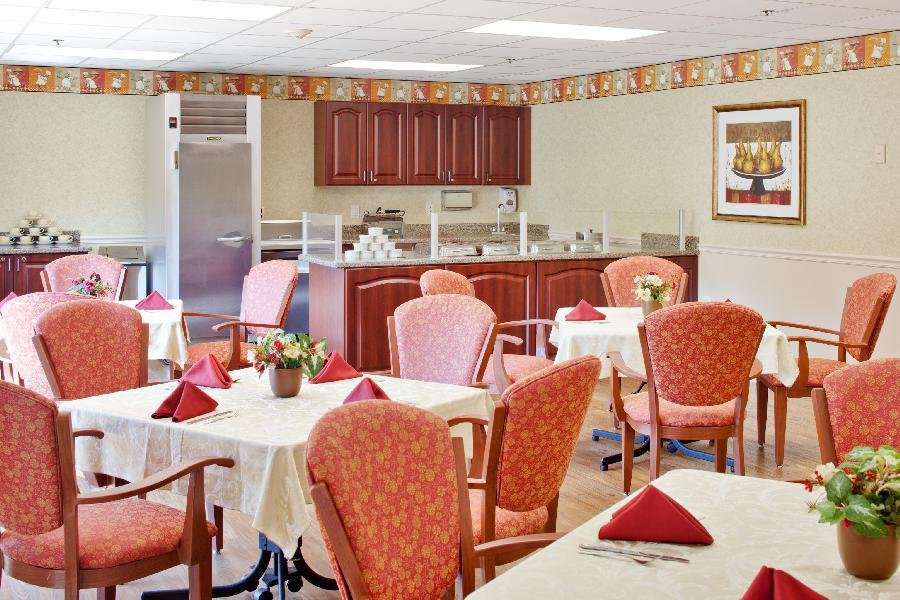
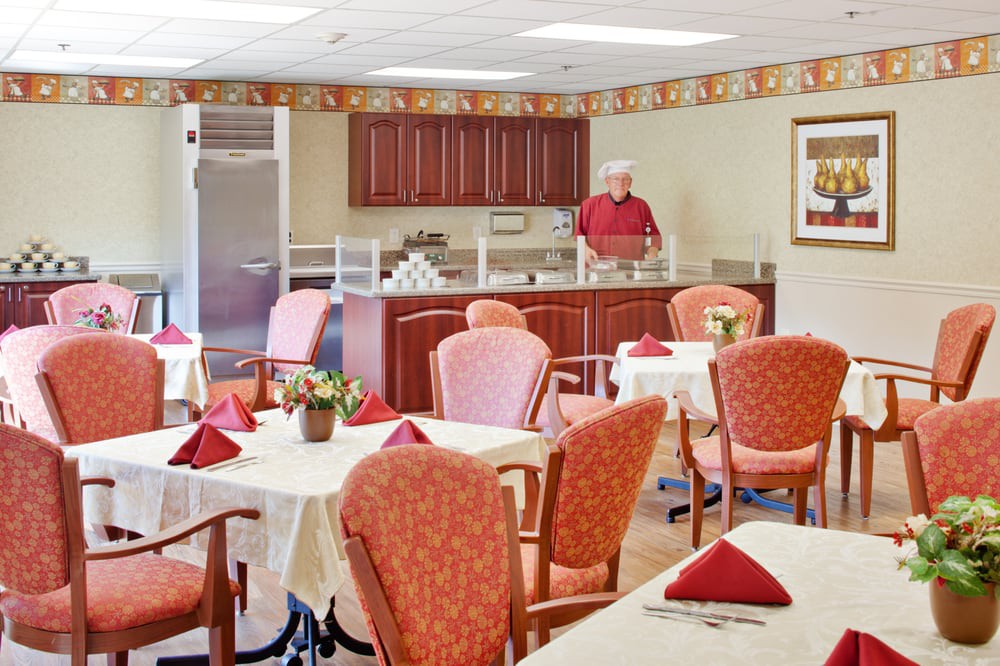
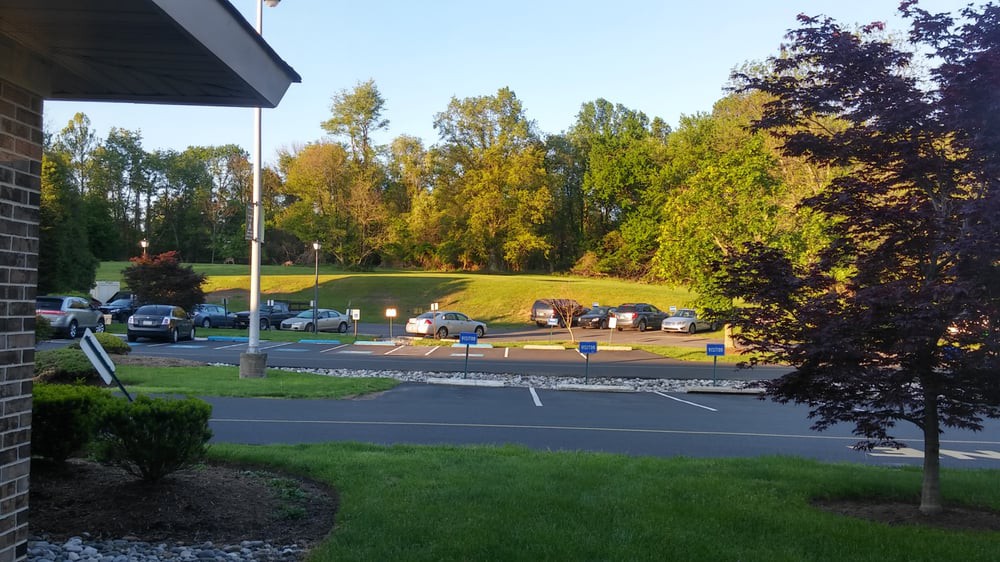
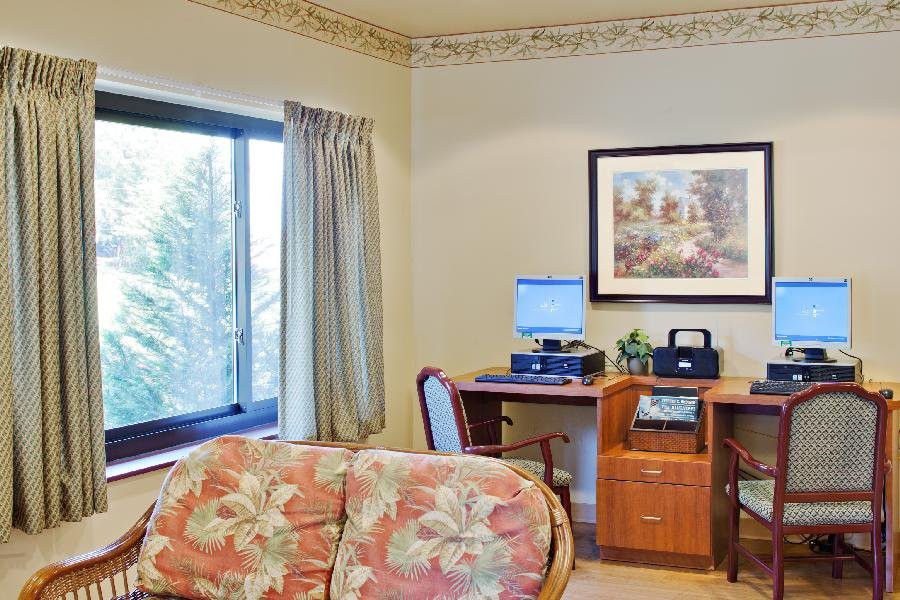
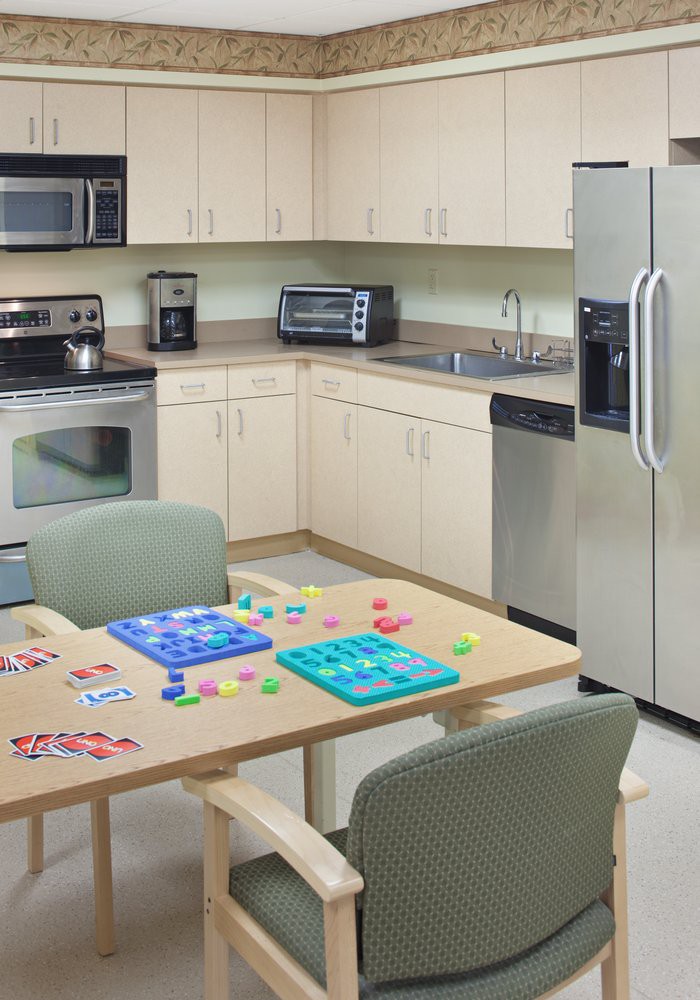
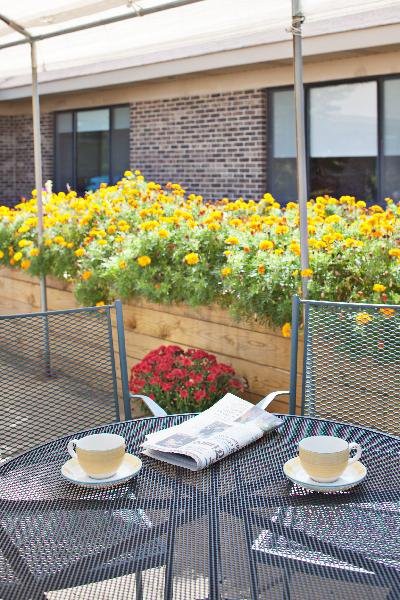
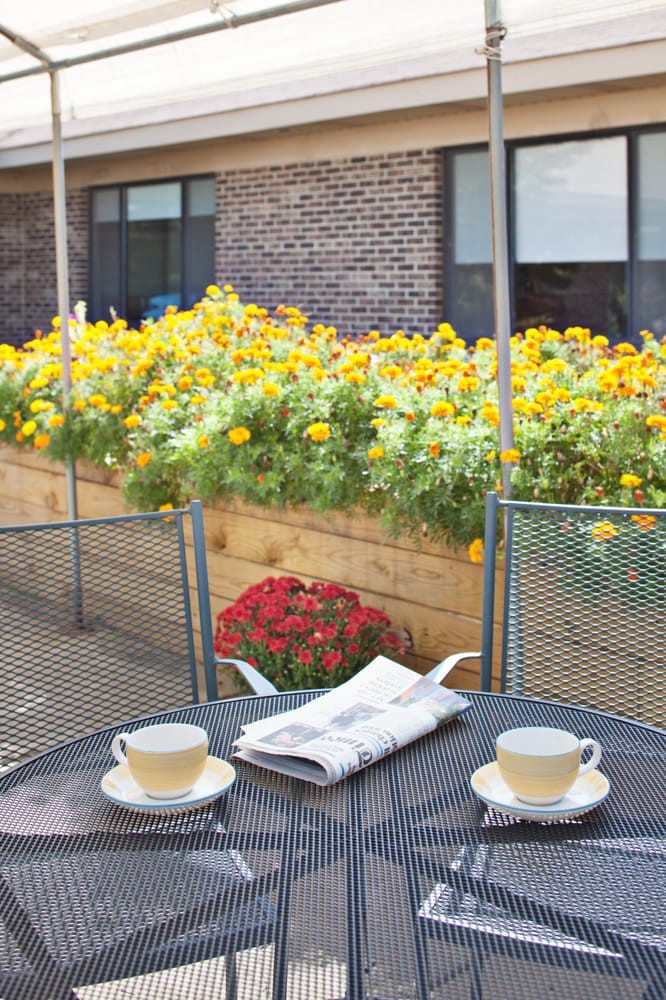
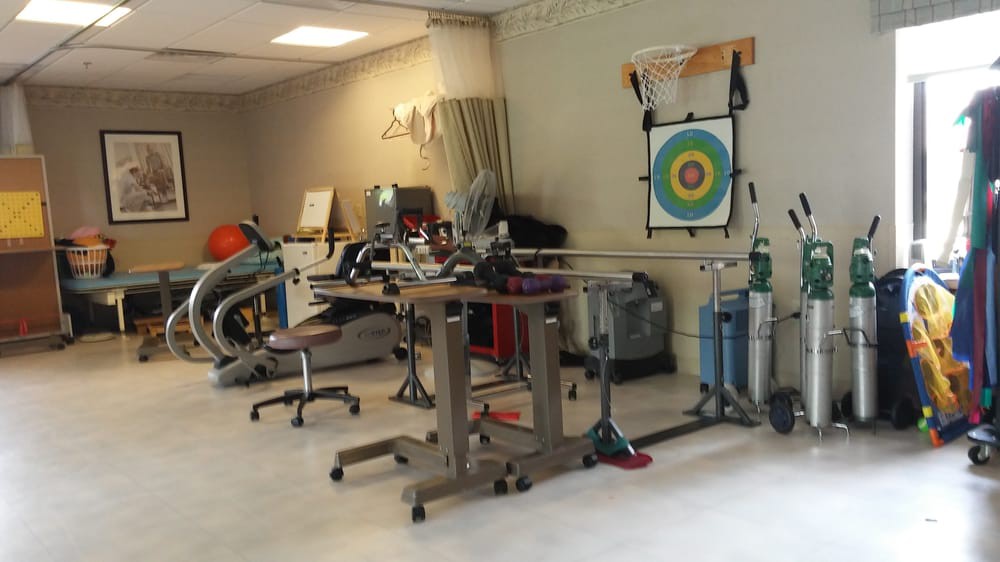
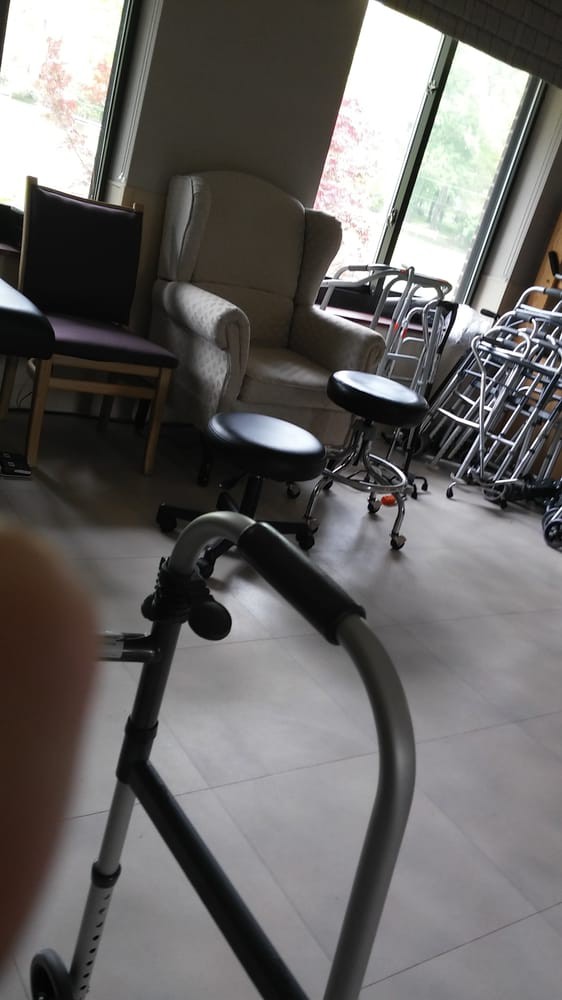
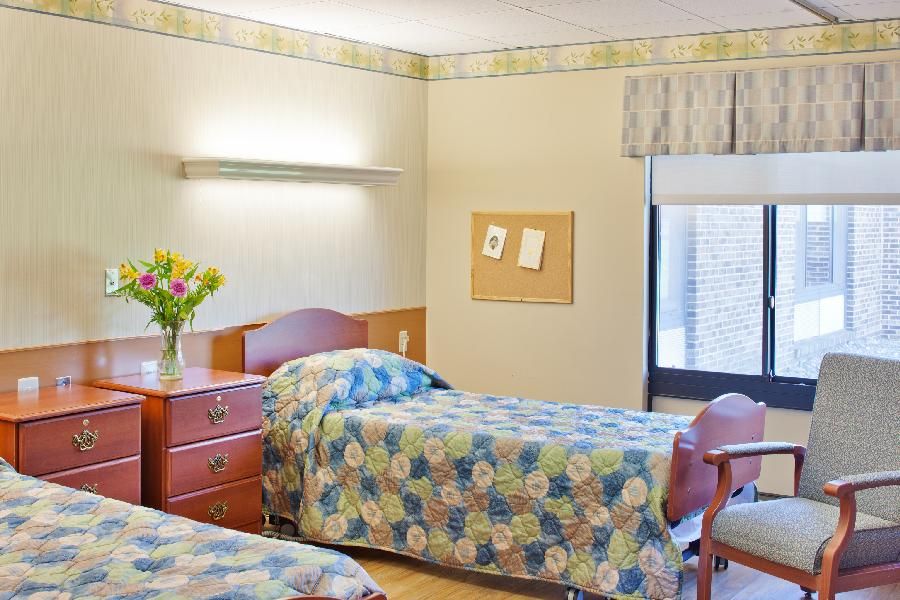
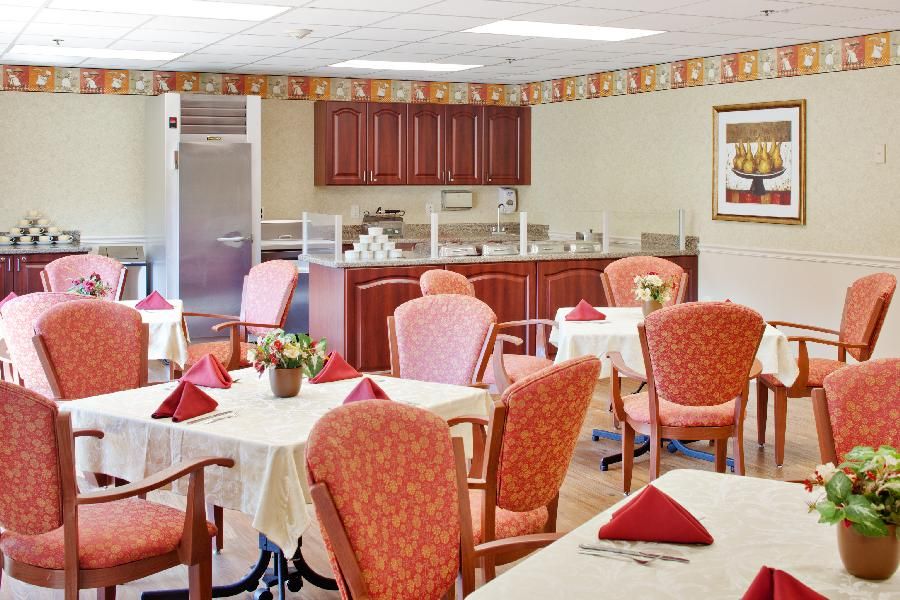
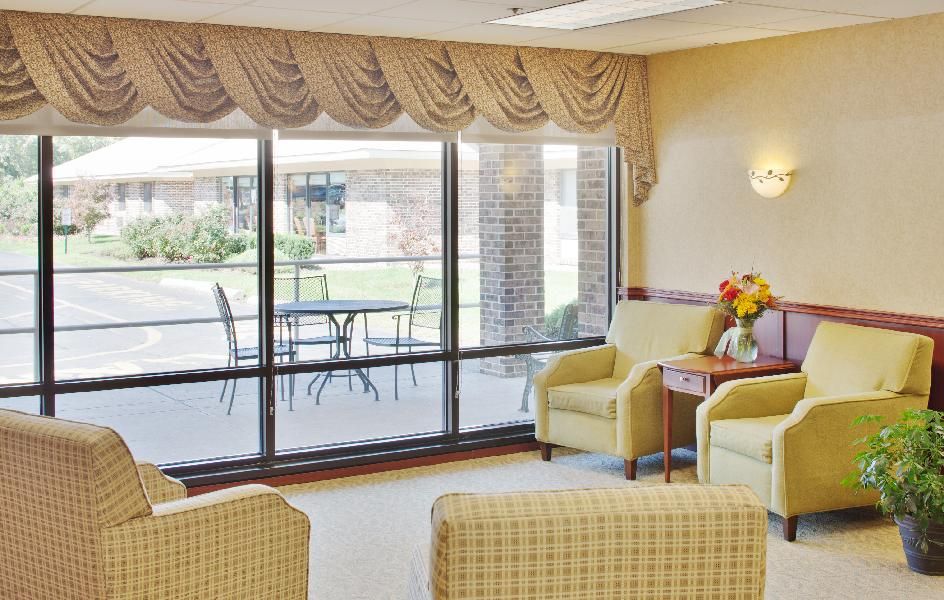
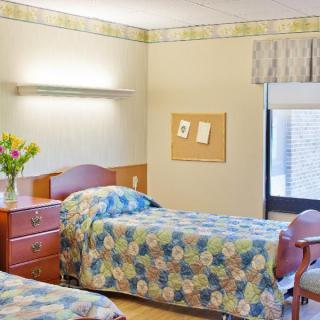
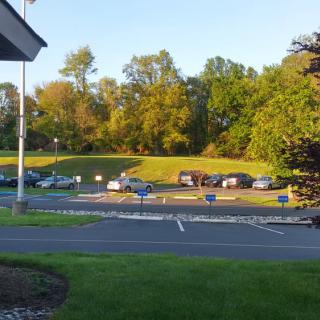
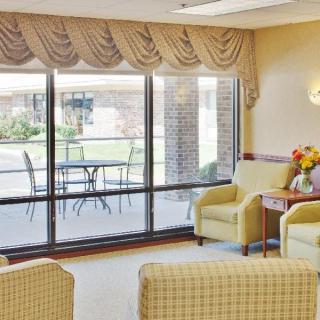
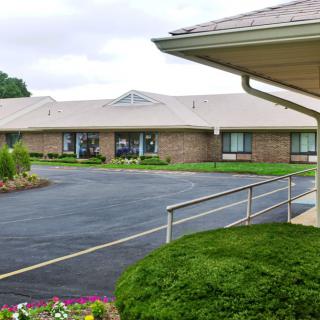
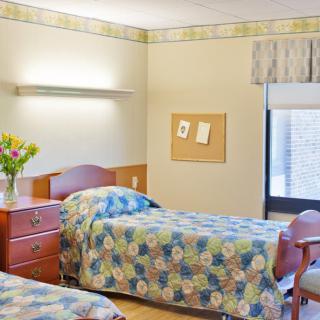
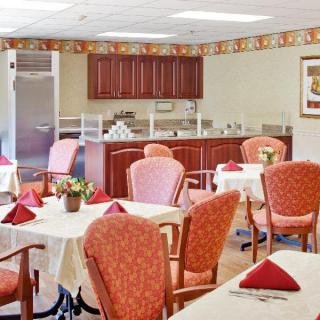
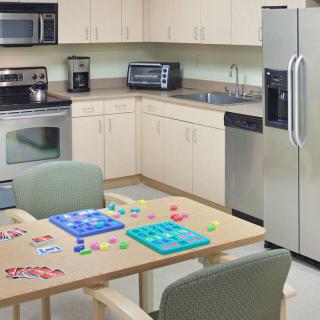
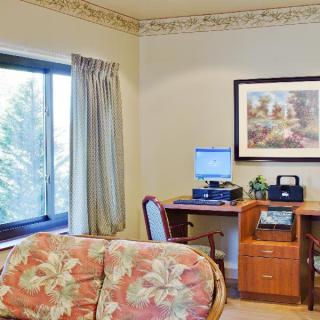
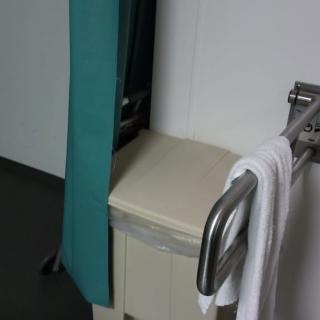
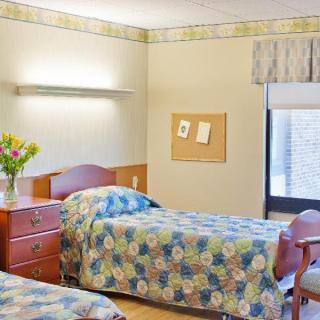
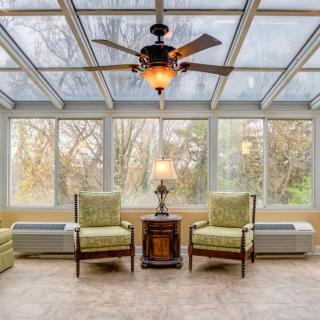
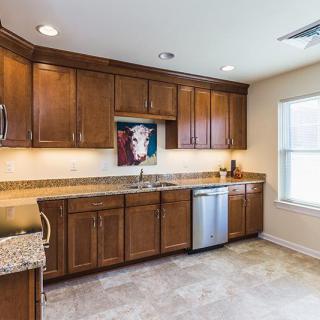
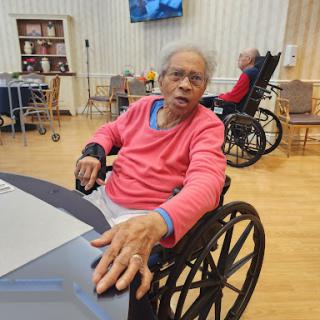
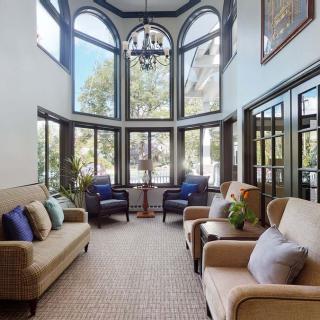
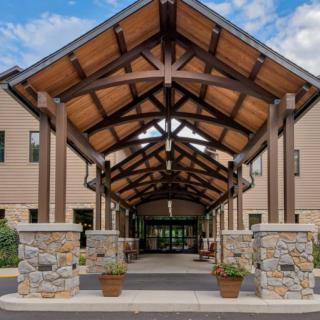
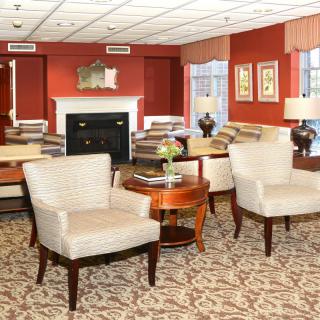
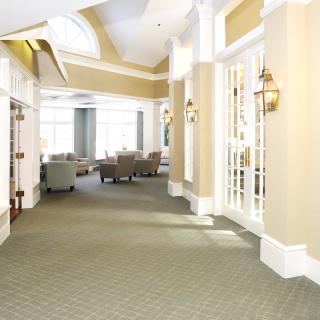
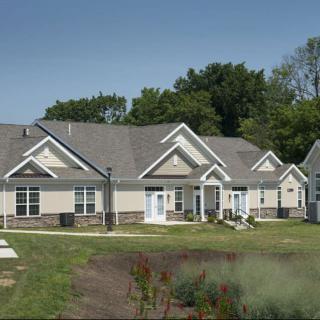
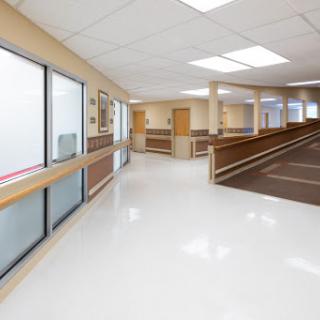
Crestview Center on seniors.fyi includes 27 photos including images showing dining, interior, bedroom, windows, decor, bathroom, kitchen, landscaping, and more.
Nearby Communities
Pennswood Village
Newtown, PA
4.4 from 36 reviews
Friendly, knowledgeable staff with extensive amenities.
Homewatch Caregivers Of Lower Bucks County - Langhorne
Langhorne, PA
4.3 from 46 reviews
Healthy, diverse dining options and personalized 24/7 care.
Chandler Hall
Newtown, PA
4 from 102 reviews
$1,995 to $6,600 / month
Compassionate staff with personalized care, engaging activities, and a convenient location.
Friends Boarding Home
Newtown, PA
4.1 from 16 reviews
$2,164 to $3,877 / month
Warm, home-like environment with attentive, personalized care.
Oxford Crossings
Langhorne, PA
4.5 from 58 reviews
$4,550 to $5,550 / month
Kind, attentive staff; clean, welcoming environment with engaging activities.
Oxford Enhanced Senior Living
Langhorne, PA
4.8 from 129 reviews
$2,600 to $3,975 / month
Friendly, competent staff with modern, spacious apartments and rich amenities.
Pickering Manor a CCRC
Newtown, PA
4.7 from 42 reviews
$1,180 to $4,100 / month
Caring staff in a clean, engaging community with strong dining and activities.
Holland Village, a CCRC
Holland, PA
4 from 176 reviews
$2,225 to $6,235 / month
Modern facility with safety-oriented, spacious apartments, friendly staff, and a wide range of amenities.
Langhorne Gardens Health & Rehabilitation Center
Langhorne, PA
3.6 from 105 reviews
Wide range of on-site amenities and comprehensive 24/7 care
The guide outlines the eligibility criteria for home health care services, emphasizing clinical requirements, insurance options, and application processes. It distinguishes between Medicare's strict and Medicaid's flexible qualifications while addressing challenges families may face in securing necessary care at home.
Elder abuse affects many older adults worldwide and includes physical, emotional, neglectful, and financial harm, with about one in six individuals over 60 experiencing abuse annually. Prevention and intervention strategies focus on awareness, support for caregivers, and mandatory reporting, while recovery necessitates comprehensive support for both physical and emotional needs.
The guide details ten essential responsibilities of senior caregivers, including personal care, mobility assistance, medication management, and emotional support, while emphasizing the importance of safety, nutrition, and maintaining a safe living environment to enhance seniors' quality of life and independence.
Get PricingAsk A QuestionSchedule A TourContact Senior Advisor
By clicking submit, you agree to our Partner's Terms of Use. You
also consent to receive calls and texts, which may be autodialed, from our Partner. Your consent is not a condition to
using our Partner's service. Please visit our Partner's Privacy Policy for information about their privacy practices.




 21 resident community capacity
 Skilled Nursing Facility
 Beauty salon
 Cable or satellite TV
 Dining room
 Fully furnished
 Garden
 Housekeeping services
 Kitchenette
 Move-in coordination
 Outdoor space
 Private
 Telephone
 Wi-Fi/high-speed internet available
 Trenton-Mercer County (8 miles away)
 24-hour call system
 Activities of daily living assistance
 Assistance with bathing
 Assistance with dressing
 Assistance with transfers
 Diabetes diet
 Meal preparation and service
 Medication management
 Mental wellness program
 Special dietary restrictions
 Transportation arrangement (medical)
 Transportation to doctors appointments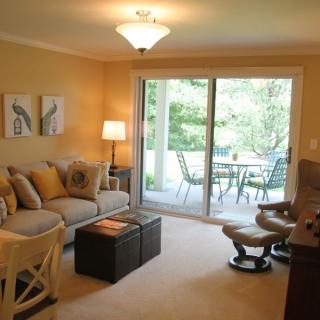
 Friendly, knowledgeable staff with extensive amenities.

 Comprehensive Guide to Qualifying for Home Health Care Services
 Powerful Realities of Elder Abuse and the Most Effective Ways to Report It
 Ten Vital Duties of a Senior Caregiver: A Comprehensive Guide