




50 South Congress Street, Newtown, PA 18940
For more information about senior living options: (866) 208-4318
Friends Boarding Home Costs & Pricing
At Friends Boarding Home, the monthly costs for accommodations are notably competitive compared to both Bucks County and broader Pennsylvania averages. For a studio room, residents are charged $2,164, which is significantly lower than the Bucks County average of $4,593 and also below the state average of $3,737. The 1-bedroom option is available for $2,606, again offering substantial savings compared to Bucks County's $4,397 and Pennsylvania's $4,006. Even in the case of 2-bedroom units at Friends Boarding Home, priced at $3,877, residents find a more affordable alternative compared to both local ($4,875) and state-level ($4,242) pricing. This suggests that Friends Boarding Home provides a valuable balance of cost-effectiveness without compromising on quality or comfort.
| Floor plans | Friends Boarding Home | Bucks County | Pennsylvania |
|---|---|---|---|
| Studio | $2,164 | $4,593 | $3,737 |
| 1 Bedroom | $2,606 | $4,397 | $4,006 |
| 2 Bedrooms | $3,877 | $4,875 | $4,242 |
Assisted Living communities with a similar price nearby
-
from -$364 / mo

Penn Home
$1,800 to $3,500 / month20.2 miles away -
from +$336 / mo

Hidden Meadows on the Ridge
$2,500 to $4,000 / month22.4 miles away -
from +$131 / mo

Brandywine Living At Senior Suites
$2,295 to $4,895 / month21.3 miles away -
from +$336 / mo
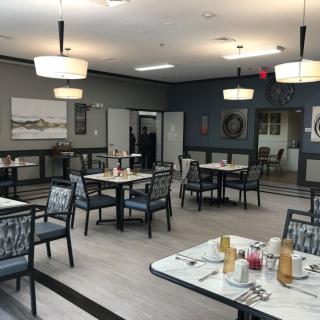
Allegria at The Oaks
$2,500 to $3,500 / month6.1 miles away -
from +$386 / mo
Oakwood Residence
$2,550 to $3,900 / month10.1 miles away
Overall Review of Friends Boarding Home
Pros
 The resident is happy here.
- The family would recommend the community to others for their loved ones.
- The resident is enjoying the meal options.
- The staff are accommodating to residents' needs and wants.
- The main aides who support the resident are well-liked, and the resident really enjoys working with them.
- Overall, the community is more caring than the prior community.
- The room offers a better price than another community.
- Friends Home & Village is a very nice place.
- The tour guide was really nice.
- It is a great place to live; everyone is nice and kind; the prices are affordable.
- The facility is nice, the people are very nice, and the initial costs are reasonable.
- The outside surroundings are beautiful, and the staff are friendly and knowledgeable.
- The meals are delicious and homemade.
- The personal care service is awesome.
- The setting feels like a home rather than a retirement center.
Cons
 The rent and fees increase substantially each year, creating hardship for residents on fixed incomes.
- Moving out after only a few years would forfeit the buy-in, making the first two years extremely expensive.
- The annual rate increases (for example, about $600 per year within 15 months) are burdensome and met with indifference by management.
- The plan to rotate residents to keep buy-in fees flowing is criticized as not a good business practice.
- The facility is too small, lacking a kitchenette and weekend transportation for church.
- The initial lure of low rates is followed by significant year-to-year increases that burden residents.
Review
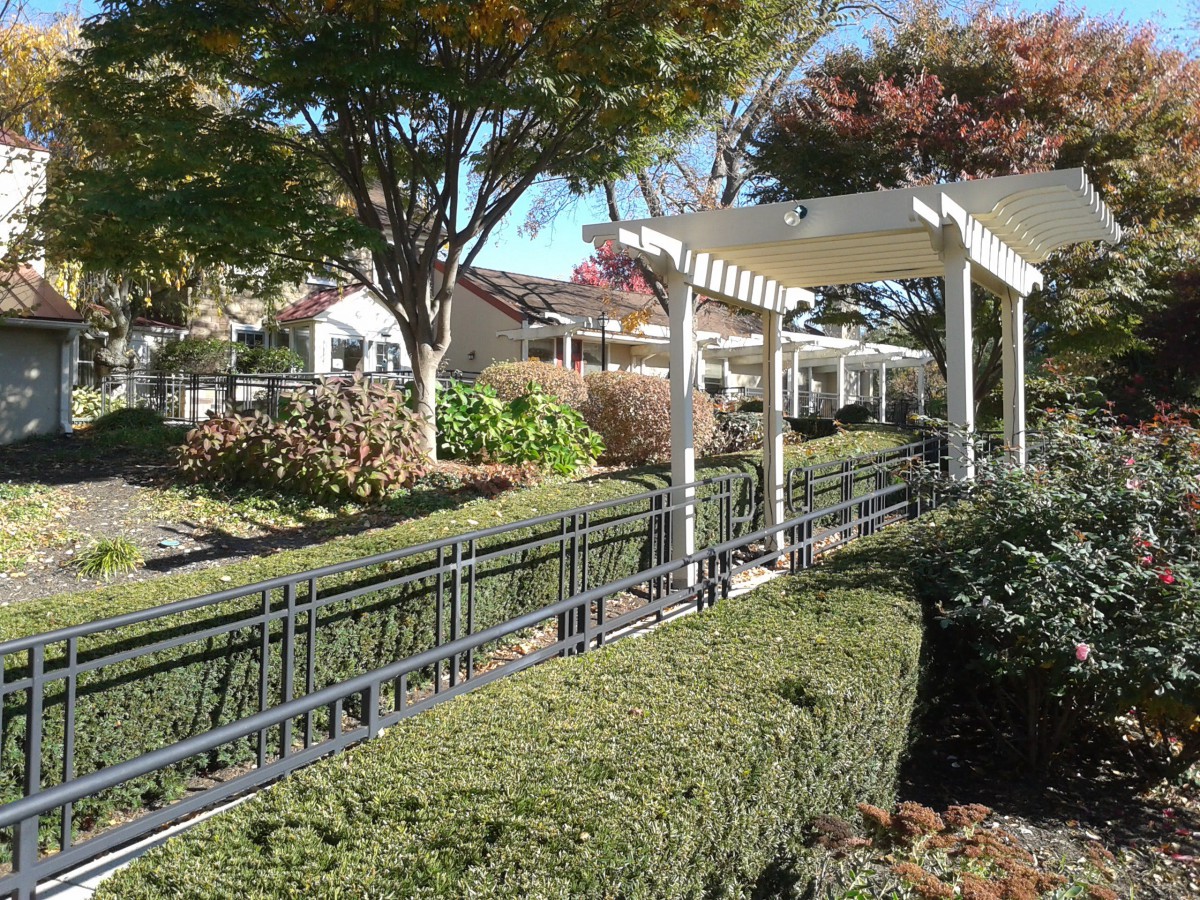
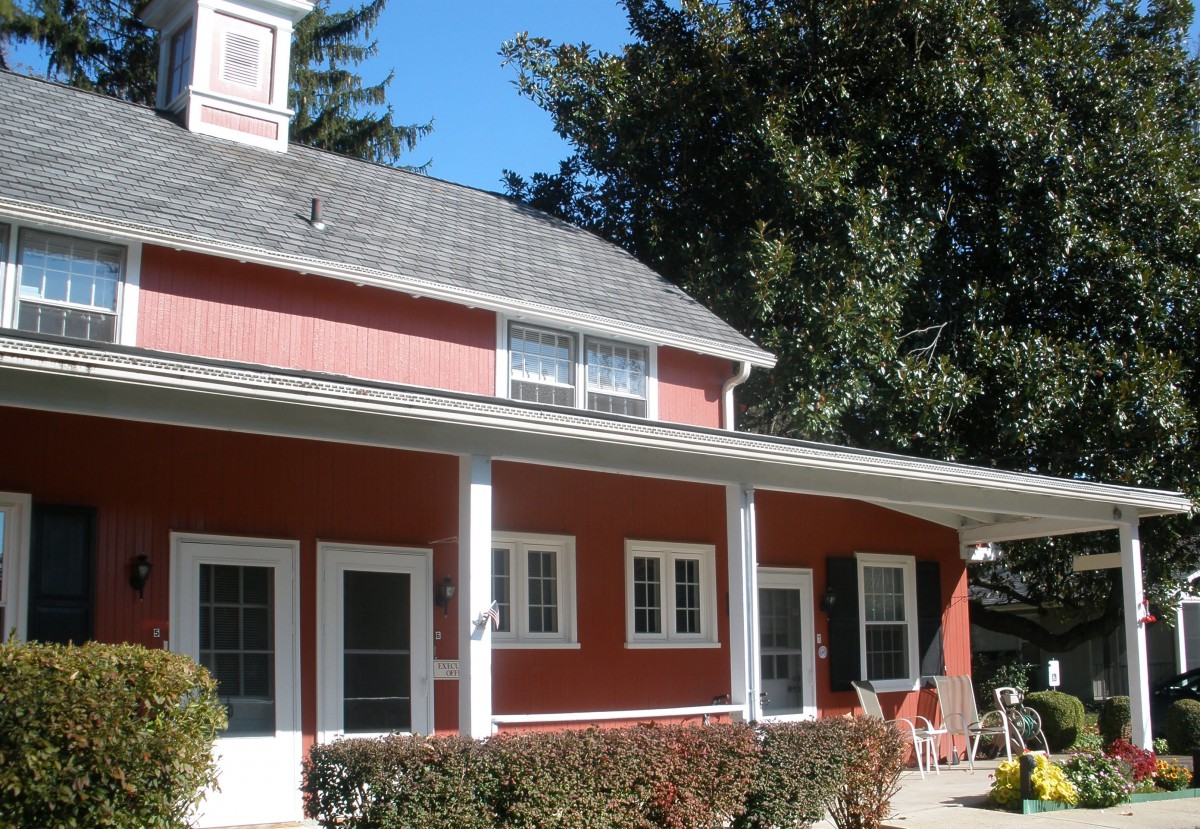
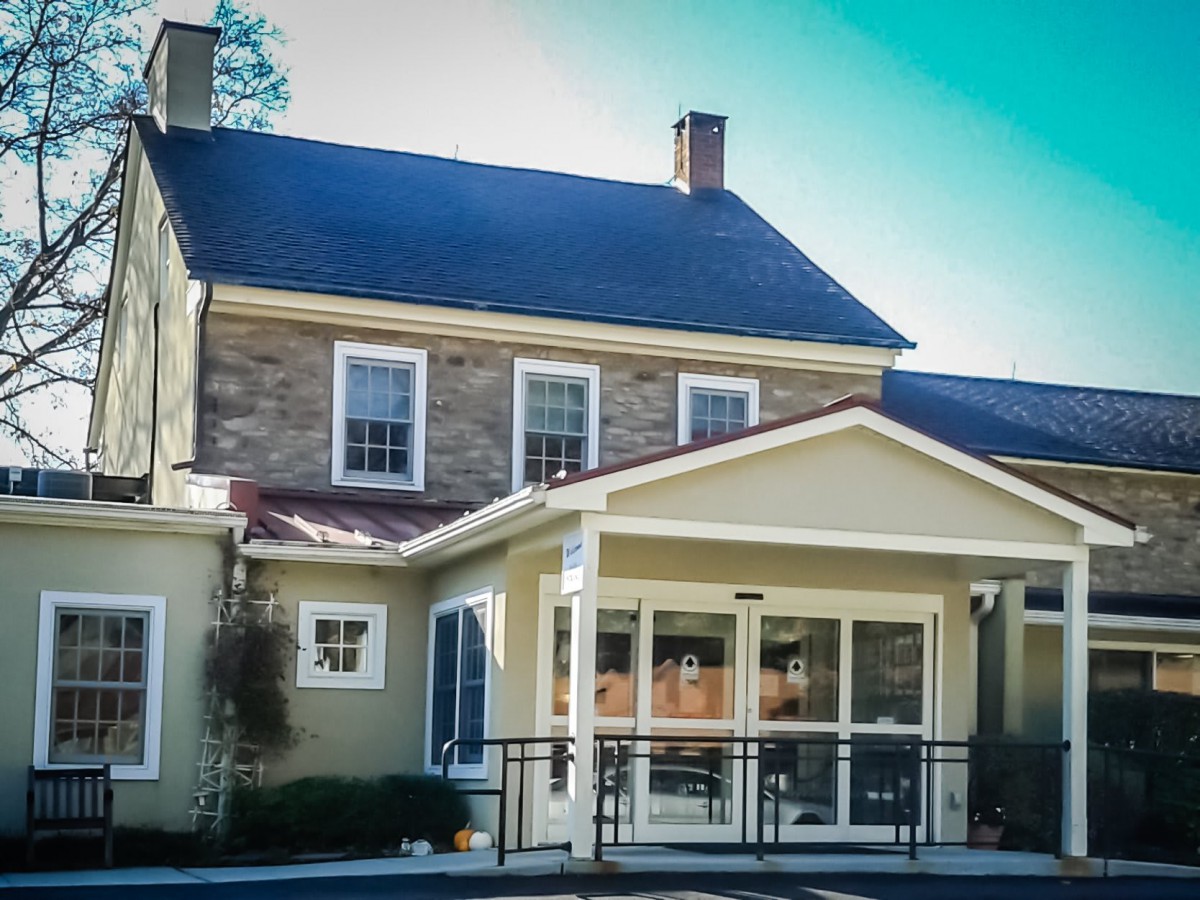
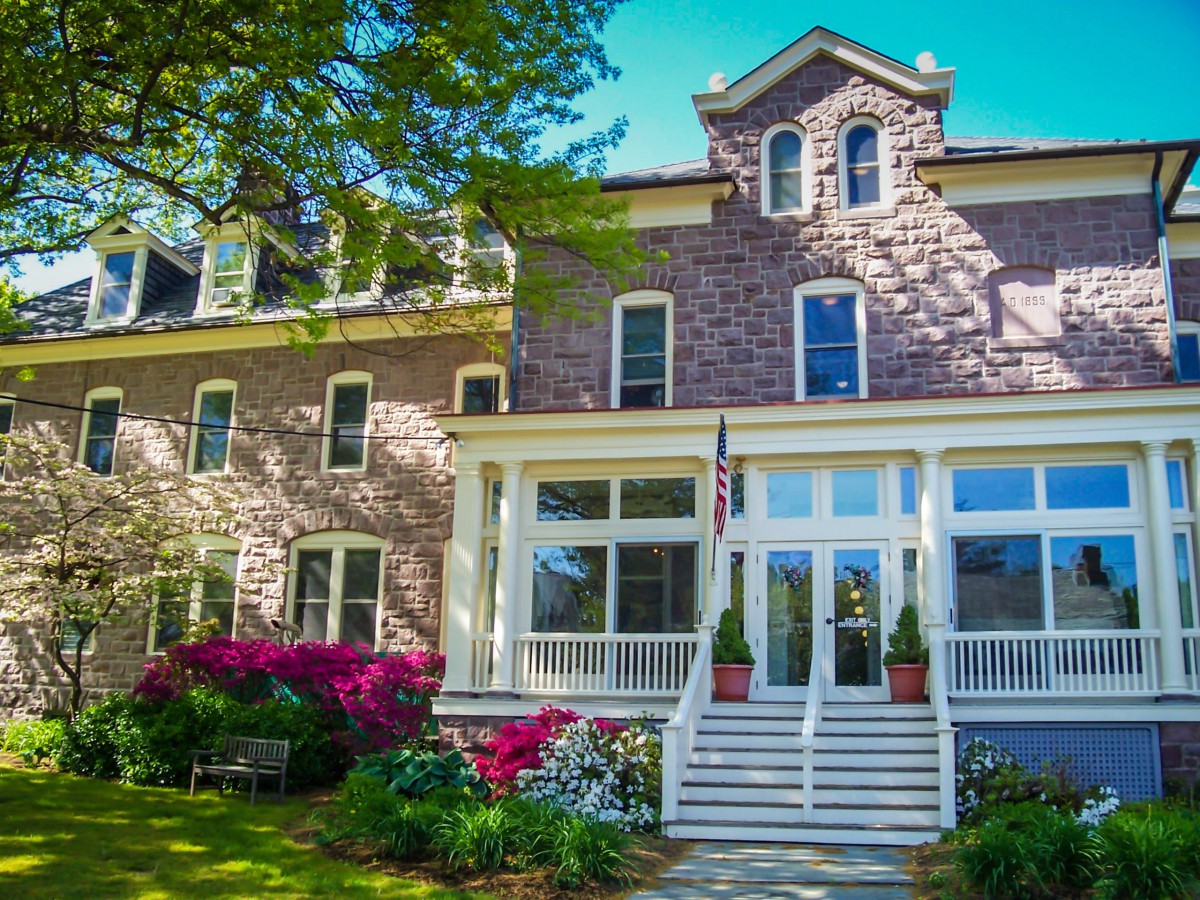
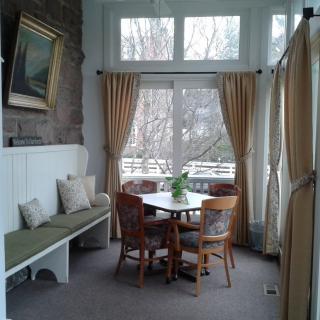
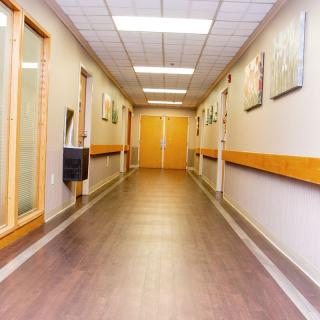
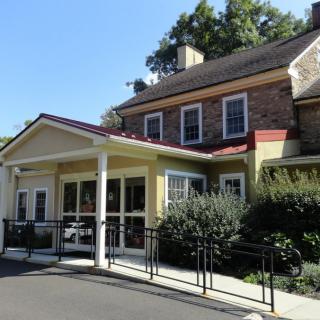
This community is best suited for seniors who want a distinctly intimate, home-like setting where daily care feels personal and residents are treated like family. Friends Boarding Home in Newtown offers a small, intimate footprint, a Victorian/B&B aesthetic, and a strong social fabric that appeals to those who value meaningful interactions over gray-wlooming campus amenities. It thrives for families seeking stability, long-tenured staff, and a responsive approach to daily living, where caregivers are accessible, familiar, and capable of tailoring routines to individual preferences. In short, this is the right fit for someone who wants warmth, predictability, and a sense of belonging more than flashy facilities.
Those who may want alternatives are those who need larger living spaces, in-room kitchens, or broad weekend transportation options to church, errands, or activities off site. The rooms here are small, with no in-room kitchenette, and weekend transportation is limited, which can constrain independence for residents who prefer to move about freely on their own schedule. For families operating on a fixed income, the pricing dynamics deserve close scrutiny: initial rates can be affordable, but annual increases, often coupled with meals being part of the base fee, can escalate costs quickly. If long-term affordability and broad access to transportation are non-negotiable, a different option should be explored.
The facility’s key advantages center on care quality delivered in a warm, personalized framework. Staff are repeatedly described as friendly, accommodating, and available, with many caregivers staying for years, which translates into continuity and trust. Residents enjoy being involved in the look of their spaces, colors chosen for carpet or paint, creating ownership and pride. Meal quality stands out as homemade and appealing, reinforcing a homey atmosphere where dining becomes a social ritual rather than a routine. Personal care services, medication management, laundry, apartment care, are structured around a small-scale model that emphasizes attention to individual needs and the human touch that larger centers sometimes lose.
Yet the main drawbacks cannot be dismissed. The smaller size translates into constrained physical space and limited in-room amenities, notably the absence of a kitchenette. Weekend transportation gaps can hinder participation in off-site religious services or errands, limiting a resident’s autonomy. Pricing complexity poses a real challenge: the lure of lower initial rates is offset by year-over-year increases that can strain budgets, and some families report feeling pressured by a buy-in dynamic that complicates future moves. In practitioners’ terms, this is not the setting for someone who expects levity in costs or seamless continuity of care without periodic price recalibration.
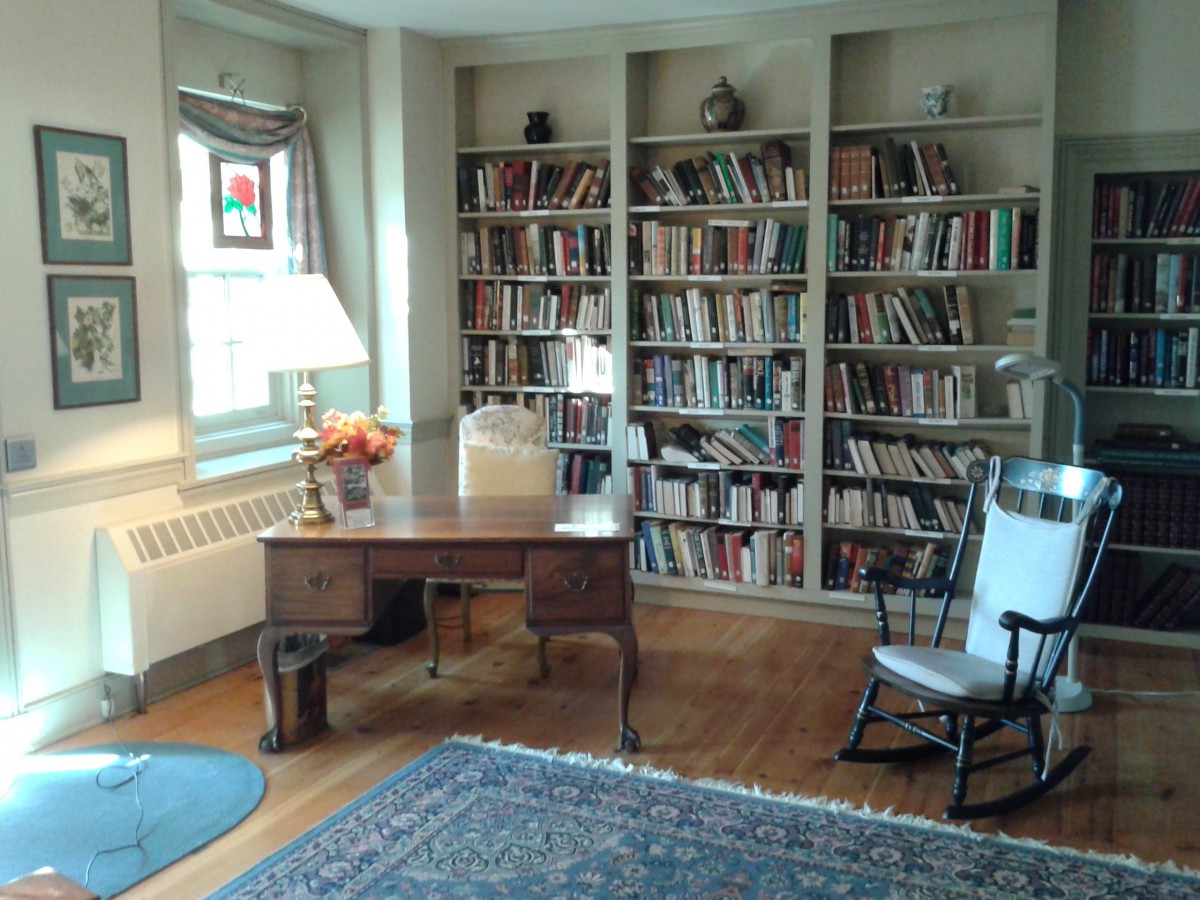
Balancing the positives and negatives reveals a clear value proposition for the right resident. The strongest argument for Friends Boarding Home rests on the human connection, the consistent, compassionate staff; the home-like environment; and the social framework that keeps residents engaged and emotionally anchored. The intimate scale supports genuine interactions, and the social calendar, library connections, walks, bingo, nourishes mood and belonging in ways larger campuses often struggle to replicate. When meals are described as hearty and homemade, and when residents feel seen and heard, the slippage in value caused by incremental price bumps may feel tolerable for a period. However, the arithmetic can tilt against long horizons if affordability remains the ultimate priority.
For families facing a decision, a practical approach is essential. Clarify up front the total cost picture over a 3- to 5-year window, including anticipated annual increases and what meals or services are bundled in or charged separately. Probe carefully about room dimensions, the availability of a kitchenette, and weekend transportation to align expectations with daily routines. Speak with current residents and families to gauge whether the warmth translates into consistent, reliable daily life and whether caregivers sustain their longstanding presence. If stability, predictability, and robust social engagement within a compact, homelike setting are valued above all, Friends Boarding Home delivers a compelling, practical choice. If not, consider alternatives that offer greater independence, broader transportation, and steadier pricing while maintaining quality care.
 25 resident community capacity
 Assisted Living
 Independent Living
 Respite Care
 Activities off-site
 Air-conditioning
 Beautician on-site
 Cable or satellite TV
 Computer center
 Devotional services off-site
 Dining room
 Fully furnished
 Garden
 Housekeeping services
 Indoor common areas
 Kitchenette
 Laundry
 Move-in coordination
 Outdoor common areas
 Restaurant-style dining
 Small library
 Telephone
 Wi-Fi/high-speed internet available
 Trenton-Mercer County (7 miles away)
 Transportation & parking
 24-hour call system
 Ambulatory care
 Assistance with bathing
 Assistance with dressing
 Assistance with transfers
 Diabetes diet
 Diabetic care
 Incontinence care
 Medication management
 Mental wellness program
 Special dietary restrictions
 Catholic services
 Live dance or theater performances
 Live musical performances
 Stretching classes
 Trivia games
 Visiting Rabbi
 English


 Social Security Benefits and Assisted Living: Navigating Options Across the U.S.
 An Extensive Exploration of the VA Aid and Attendance Benefit
 Senior Transition Services: Understanding Their Role, Cost, and Importance