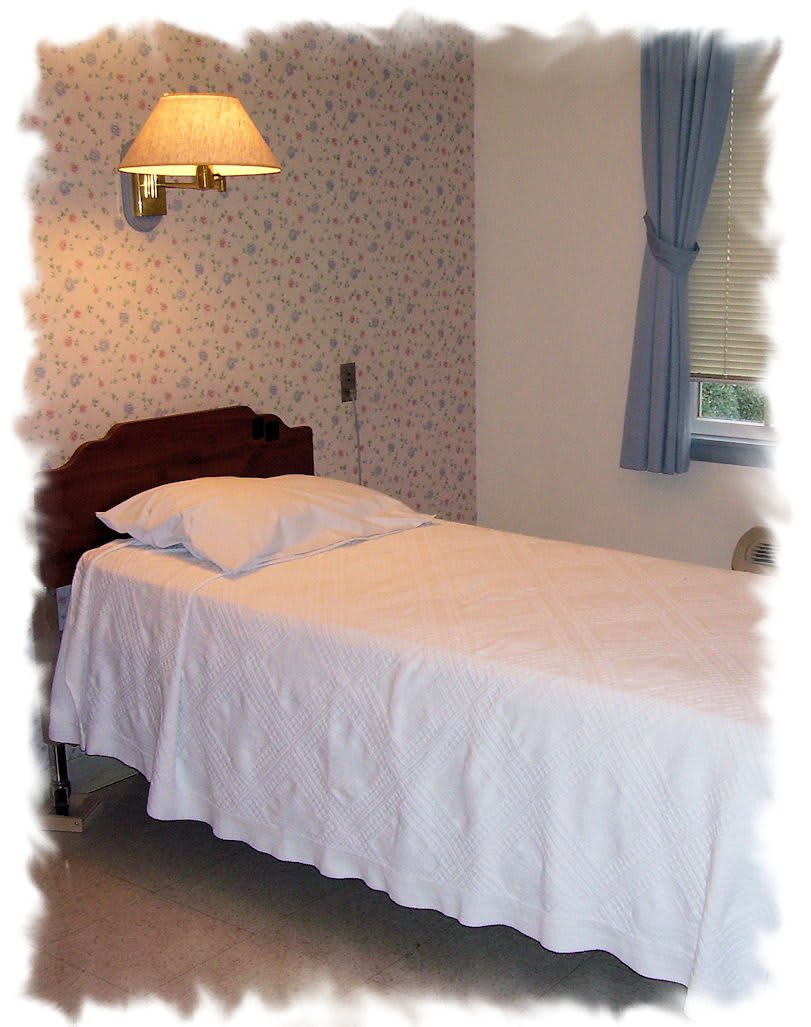
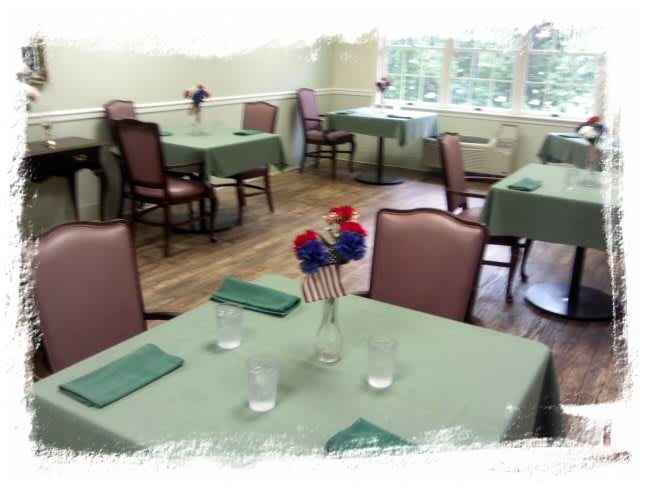
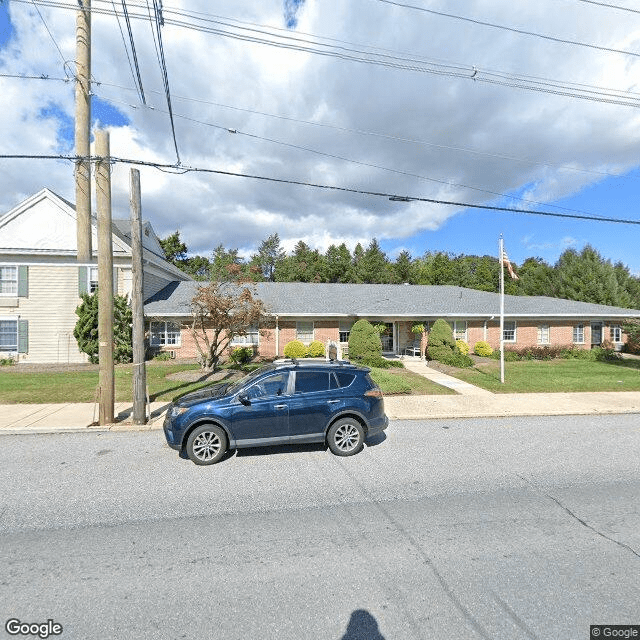
623 E Main St, Dallastown, PA 17313
To contact a resident: (717) 244-2295
For more information about senior living options: (866) 208-4318
Dallastown Nursing Ctr Costs & Pricing
At Dallastown Nursing Center, the monthly costs for care reflect a premium compared to both York County and statewide averages. For semi-private rooms, residents can expect to pay $8,940 per month, significantly higher than the York County average of $3,483 and Pennsylvania's average of $3,542. Private rooms are also offered at Dallastown for $9,630 per month, which again surpasses the local and state benchmarks - York County's average stands at $4,937 while Pennsylvania's is slightly lower at $4,890. These figures suggest that while Dallastown provides specialized services or amenities that may justify the higher price tag, it's essential for potential residents and their families to weigh these costs against their specific needs and budget considerations.
| Floor plans | Dallastown Nursing Ctr | York County | Pennsylvania |
|---|---|---|---|
| Semi-Private | $8,940 | $3,483 | $3,542 |
| Private | $9,630 | $4,937 | $4,890 |
Overall Review of Dallastown Nursing Ctr
Pros
 The facility and its care teams have made extensive strides to be the best at what they do, and that progress is evident.
- Residents are well cared for and genuinely appreciate the staff and having guests in their home, with their joy abounding.
- The facility is clean and orderly, and the staff are compassionate, friendly, helpful, and genuine with residents, guests, and colleagues.
- The team consistently seeks ways to show they care and strives for the highest quality in facility appearance, resident care, dining and nutrition, and the communal feel central to residents' wellbeing.
- The community is wholesome and takes its mission to care for residents and staff seriously, which makes a huge difference in how people are able to live.
- The facility has earned five stars.
- The facility is small but has big hearts, and the staff know residents by name and treat them like family members.
- Residents have not had to go to the hospital since moving into the community.
- Activities are engaging, meals are decent, and the overall experience is positive and reasonably priced.
Cons
 The resident requires more care than the facility is able to provide.
- The facility's communication with the family needs work.
Review
Dallastown Nursing Center is best suited for families seeking a small, home-like environment where staff members truly know residents by name, create a warm atmosphere, and prioritize daily living, social connection, and quality of life. It works well for seniors who value a close-knit community, consistent, hands-on care, and a facility that feels more intimate than a large campus. The emphasis on resident experience, clean surroundings, and a team that treats people like family makes it a compelling choice for those who don’t need high-intensity medical tech or constant urgent interventions, but who still require steady supervision and engaging daily activities.
Those considering alternatives should note that this may not be the right fit for residents with high-acuity needs or complex medical requirements. A few accounts point to a small size that can constrain the level of care available at times, suggesting the center may struggle to absorb escalating needs without transitioning to a higher-capacity setting. Families whose loved ones require frequent hospital-level care, advanced wound care, or specialized therapies on a daily basis may prefer a larger, more equipped facility. Additionally, while communication with families is generally described as responsive, one account flags that this area needs ongoing attention, underscoring the importance of confirming expectations on updates and care coordination.
On the upside, the center’s pros form a powerful offset to its limitations. The facility is notably clean and orderly, a tangible sign of meticulous upkeep and pride in appearance. The staff are described as compassionate, friendly, and genuinely devoted to residents, with many accounts highlighting that personnel know residents personally and treat them with respect and warmth. A palpable sense of mission to deliver the best possible resident experience permeates the hallways, dining rooms, and activity programming, contributing to rising resident satisfaction and a lively, engaged community. This culture of care translates into tangible benefits: residents socialize more, family members feel welcomed, and the overall environment supports well-being and dignity.
Another standout strength is the breadth and quality of daily life offerings. Activities are described as engaging and well-executed, with staff members making a concerted effort to involve residents and keep them connected to meaningful routines. Nutrition and dining receive favorable commentary, suggesting meals that residents eat and enjoy, an important factor when daily satisfaction hinges on consistent nourishment. Importantly, multiple accounts note practical, reassuring touches, such as timely communication about difficulties and a willingness of staff to be available to families, along with a firsthand sense that the team operates as a cohesive, caring unit. The combination of clean facilities, approachable staff, and a strong focus on resident happiness creates a compelling case for this community as a well-managed, trustworthy option.
The main caveats revolve around acuity and communication. The most concrete concern is the potential gap between what the center can provide and what a higher-acuity resident may require. If care needs escalate, families should verify the exact capabilities, staffing levels, and access to skilled interventions to ensure continuity of care. While one review praises immediate family communication, another note suggests that family updates could be more proactive or structured. Prospective residents should seek concrete assurances about care planning, escalation procedures, and how care plans are reviewed and adjusted as needs shift. This should happen during a candid, facility-wide dialogue with leadership before any commitment is made.
In the end, Dallastown Nursing Center offers a practical, compassionate option for families prioritizing a small, neighborly setting where staff appointment books feel personal and the resident experience is central. It excels at creating a warm, engaged community, maintaining high cleanliness standards, and delivering dependable daily life routines at a reasonable price. The strongest buyers will be families who expect excellent relational care, robust social programming, and clear, steady communication about day-to-day needs, paired with a willingness to explore other facilities if escalating medical complexity becomes likely. For those who anticipate moderate care needs and prize a home-like atmosphere, this center deserves serious consideration; for those facing higher medical demands, it warrants careful comparison with larger or more medically equipped options.
 Skilled Nursing Facility
 Activities off-site
 Air-conditioning
 Bath tubs
 Beautician on-site
 Devotional services on-site
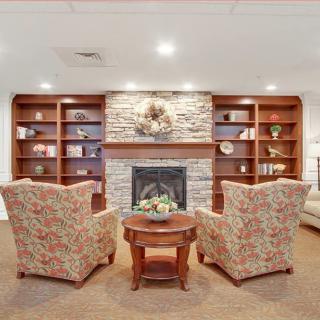
 Indoor common areas
 Outdoor common areas
 Private
 Respite or short term stays offered
 Wheelchair accessible showers
 Wi-Fi/high-speed internet available
 Harrisburg International (22 miles away)
 High acuity care
 Incontinence care
 Medication management
 Gluten-free
 Catholic services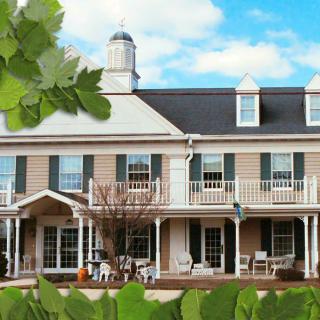



 Financing Long-Term Nursing Home Care Through Social Security: A Thorough Exploration
 Essential Knowledge on Pneumonia in Older Adults
 Exploring Palliative Care in the Home: A Comprehensive Overview