

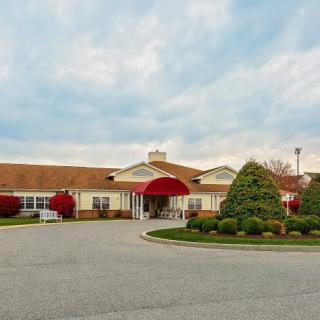
100 West Queen Street, Dallastown, PA 17313
For more information about senior living options: (866) 208-4318
Overall Review of Manorcare Health Services - Dallastown
Pros
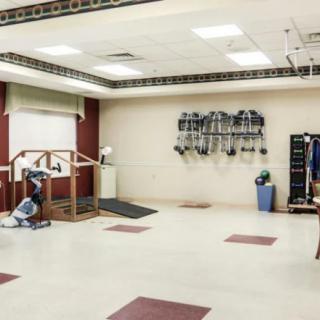
 He met his rehab goals, walking 75 feet with a walker.
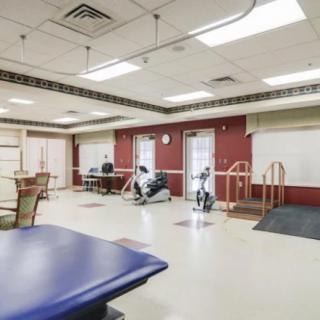
- Physical therapy sessions were 30–45 minutes a day.
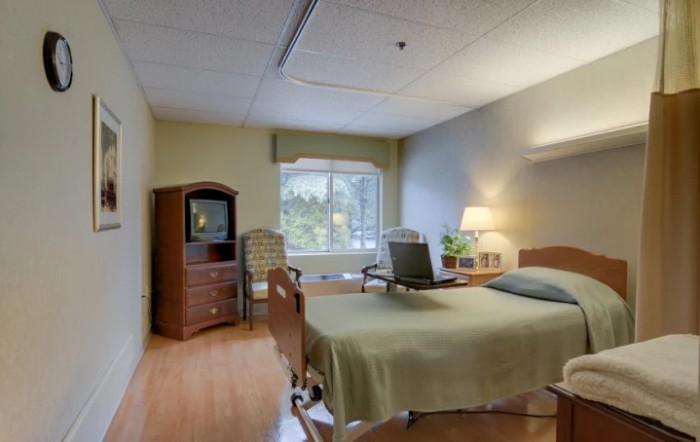
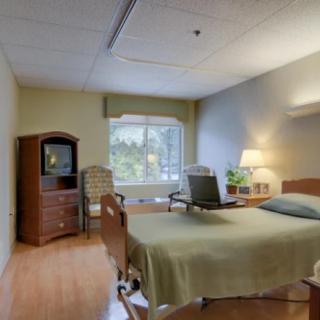
- He was in a nice room during his three weeks.
- The nurses were absolutely excellent and very caring.
- The staff are wonderful with the patients and take the time to make each patient feel special.
- The nurses and assistants always have a smile and a kind word.
- The place is clean and odor free.
Cons
 Within 15 hours of returning home, he was sent to the hospital via ambulance because his blood pressure was critically low and he was in fluid overload from CHF.
- He could not stand up on his own and could not even walk five feet.
- The room was never cleaned.
- The facility was very understaffed.
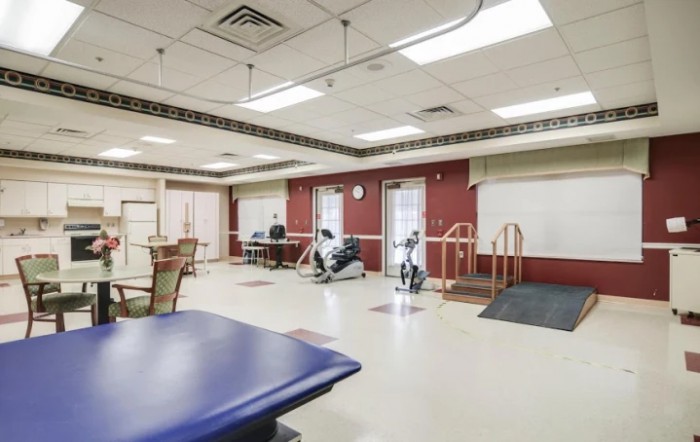
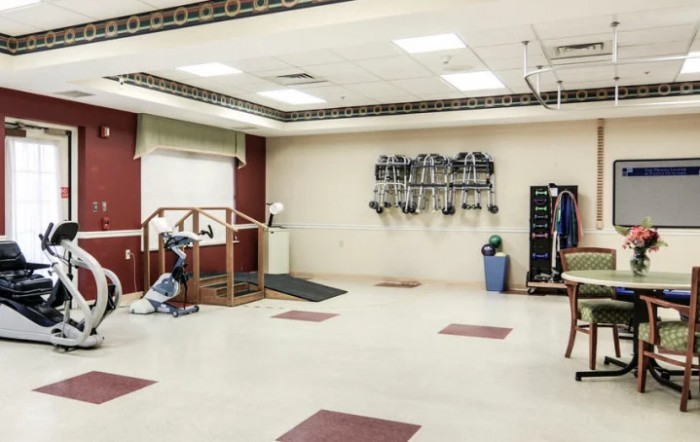
- There was no reclining chair, and the working wheelchair was not available.
- Attendants over the weekend were limited due to staffing.
- The food was terrible.
- They did not take the time to discover his personal or dietary needs.
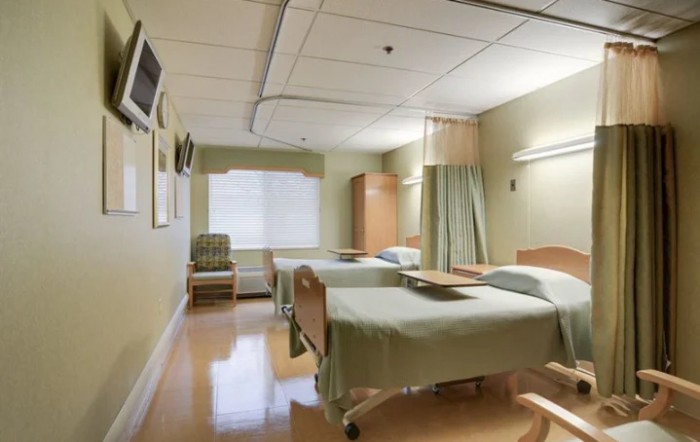
- Three people stayed in a room, which was not conducive to a soothing environment; the room was small and there was no chair.
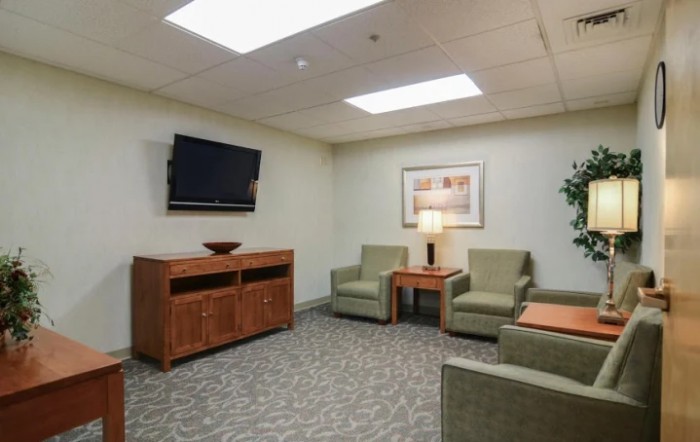
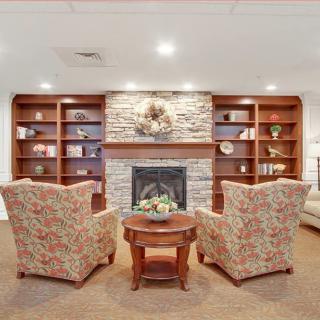
- The carpeting and the furniture were worn.
Review
This community is best suited for families that prize consistently warm, attentive nursing care and a clean, home-like atmosphere for either short-term rehabilitation or ongoing support. It works particularly well when the priority is a staff that seems genuinely engaged with residents, paired with a welcoming, odor-free environment and reliable help with everyday needs. For families seeking a place to get people back to independence after a hospital stay, ManorCare Dallastown can be a reassuring option if the preference is for personal attention and kindness rather than resort-like amenities.
Those who may want to consider alternatives are clear: private-room comfort, modern fixtures, and a consistently quiet, private environment matter more than a modest, old-fashioned setting. If a resident requires predictable, no-surprise dining and nutrition management, a facility with robust culinary oversight and flexible menu design becomes essential. Weekend staffing consistency, updated equipment, and a facility that feels more contemporary can be decisive for families worried about attention spans and safety during transitions. In short, if maneuverability, privacy, or advanced rehab infrastructure are non-negotiable, exploration elsewhere is wise.
On the upside, the strongest positives center on human factors: nurses and aides described as excellent, caring, and personally attentive; a staff culture that makes residents feel seen and valued; and a consistently clean, odor-free atmosphere that contributes to comfort. When problems arise, the billing team reportedly works to correct issues without undue friction. These elements create a solid foundation for trust and ongoing care, and they can soften the impact of other, more operational shortcomings. In a rehab-to-home scenario, that warmth can support emotional well-being and adherence to daily routines, even if physical conditions evolve after discharge.
However, the cons are persistent and meaningful. Understaffing, particularly on weekends, translates into slower response times and limited hands-on support during crucial hours. Shared rooms, three to a space, tend to feel crowded and less conducive to privacy or quiet recuperation, with limited room furnishings and aging decor contributing to a less restful setting. The physical plant itself is aging, with worn carpeting and tired furnishings; basic comforts such as a reclining chair or a functioning wheelchair can be absent. Food quality and customization leave some residents unsatisfied, and meals sometimes fail to align with strict dietary needs, including low-sodium requirements that are not consistently honored.
Taken together, the pros and cons create a nuanced picture. The compassionate staff, cleanliness, and responsive billing processes can offset a great deal for a resident who values relationship, reassurance, and a familiar environment. Yet the practical downsides, crowded rooms, limited amenities, weekend staffing gaps, and inconsistent nutrition, can undermine long-term satisfaction and safety, especially for someone navigating rehab goals or a delicate post-discharge period. For families weighing options, the critical question becomes whether warmth and basic safety suffice, or whether more private space, stronger rehab infrastructure, and finer nutritional control are non-negotiable.
Practical next steps for decision-making include arranging a targeted visit with a clear checklist: inquire about actual staffing levels by shift and weekend coverage; request a tour of individual patient rooms to assess privacy, noise levels, and furniture adequacy (including seating and accessibility); review the dining program and ask for samples of meals that meet common dietary restrictions; discuss discharge planning processes and post-acute support plans to minimize readmission risks. Probe the availability of private rooms and any ongoing or planned renovations, and benchmark against nearby facilities with comparable credentials. If the priority is dependable, compassionate care in a welcoming but older setting, ManorCare Dallastown remains a defensible choice; if privacy, modern amenities, or tight nutritional control are paramount, it is prudent to evaluate alternatives and compare guarantees before deciding.
 202 resident community capacity
 Skilled Nursing Facility
 Air-conditioning
 Beauty salon
 Cable or satellite TV
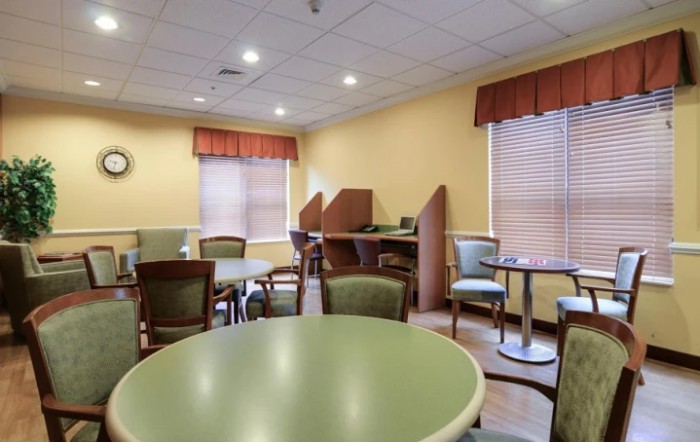
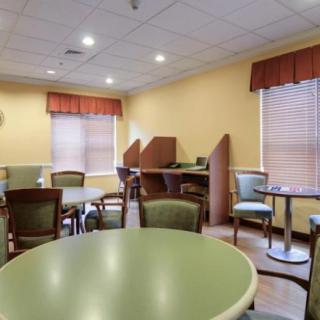
 Computer center
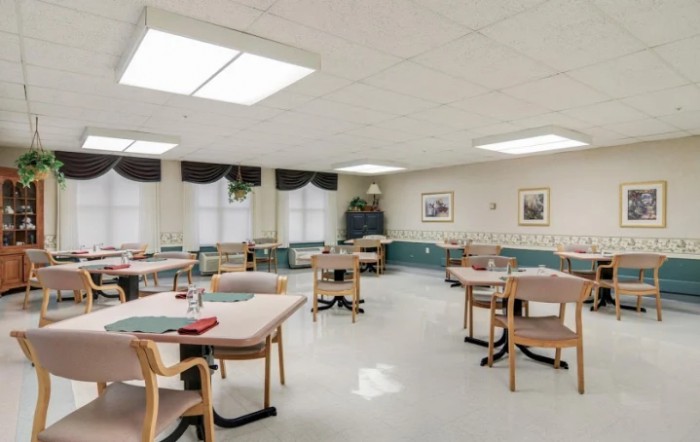
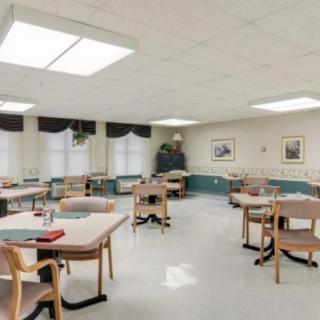
 Dining room
 Fitness room
 Fully furnished
 Gaming room
 Garden
 Housekeeping services
 Kitchenette
 Move-in coordination
 Outdoor space
 Private bathrooms
 Restaurant-style dining
 Small library
 Telephone
 Wellness center
 Wi-Fi/high-speed internet available
 Harrisburg International (21 miles away)
 Community operated transportation
 12-16 hour nursing
 24-hour call system
 Activities of daily living assistance
 Assistance with bathing
 Assistance with dressing
 Assistance with transfers
 Diabetes diet
 Medication management
 Mental wellness program
 Special dietary restrictions
 Concierge services
 Planned day trips



 Understanding the Nuances of Palliative Care and Hospice: A Comprehensive Exploration
 Is In-Home Healthcare Tax Deductible? Your Comprehensive Guide
 Nurturing Well-Being Through Gardening: A Detailed Guide for Senior Enthusiasts