Manorcare Health Services-Allentown

1265 South Cedar Crest Boulevard, Allentown, PA 18103

For more information about senior living options: (844) 490-3973

4.4 from 105 reviews
5 stars
82
4 stars
5
3 stars
3
2 stars
4
1 stars
11

Skilled Nursing Facility

Overall Review of Manorcare Health Services-Allentown

Pros

  • pro The staff is professional and very helpful.
  • pro The facility has a nice layout and is secure.
  • pro The nursing staff is wonderful and attentive.
  • pro Therapy is outstanding, motivating, and effective.
  • pro Maintenance and custodial staff keep the building clean and well maintained.
  • pro The people are friendly, hardworking, and dedicated to patients' health.
  • pro The therapy team takes their time and treats patients with respect.
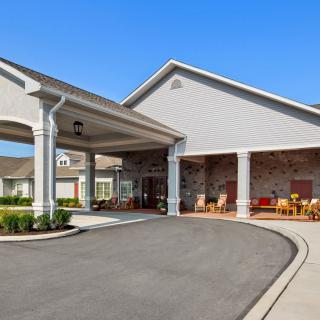
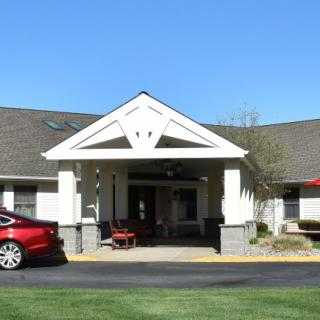
  • pro The facility is clean, fresh, and welcoming for patients and visitors.
  • pro The meals are tasty with good variety and options.
  • pro Residents and families are treated with kindness and respect.
  • pro The care is exceptional and compassionate.
  • pro The staff work well as a team and provide thorough therapy.

Cons

  • pro The facility should be shut down.
  • pro Conditions on the first floor were horrible.
  • pro The facility was understaffed, affecting patient care.
  • pro Worst CNAs ever; they were nasty and would ignore the bell for help.
  • pro Residents were left in dirty diapers for hours.
  • pro Floors were sticky and dirty; the place was not clean.
  • pro Nurses and aides hung out in the hallway pretending to be busy.
  • pro Senior management cares more about their five-star rating than about residents and has a snobbish attitude.

Review

Manorcare Health Services-Allentown is best suited for families seeking a focused, outcome-driven post-acute rehabilitation experience where aggressive therapy and a warm, engaged care team can drive real mobility gains. The reviews consistently spotlight rehab-forward care: patients report strong physical and occupational therapy, with teams that are described as knowledgeable, persistent, and genuinely invested in progress. Nursing staff is repeatedly praised for compassion and attentiveness, and the facility's layout - clean, well-lit spaces, inviting common rooms, and opportunities for family presence - supports both recovery and social connection. For residents who value measurable improvement in function and a structured routine, this campus presents a credible, if not flawless, path back to independence.

Those who should consider alternatives include families needing relentless, near-constant nursing oversight and the highest level of consistency in day-to-day operations. A subset of feedback highlights gaps that matter in real-time care: slower call-bell responses, variability in staffing, and occasional lapses in communication around medical decisions and discharge planning. There are also reports of maintenance concerns, inconsistent dining experiences, and, in a few cases, difficulties with billing or transition coordination. For residents with fragile medical needs, acute monitoring requirements, or a preference for a uniformly predictable day-to-day experience, exploring other options with steadier staffing and tighter administrative control may be wise.

The strongest positives center on therapy and the people delivering it. Reviewers consistently describe therapists as tough but motivating, pushing patients to regain strength and function with clear goals and encouragement. Nursing care, when present, is described as friendly, patient, and responsive, with aides who excel at bedside assistance. The social atmosphere - activities, cheerful dining options, and a sense of community - helps sustain morale during recovery. Clean facilities and a well-maintained environment further reinforce a sense that recovery can be pursued in surroundings that feel respectful and supportive. For many families, these elements translate into real gains in independence and confidence.

Conversely, the most concerning themes revolve around staffing variability and operational hiccups. Reports range from prolonged call-bell delays to episodes where residents waited long stretches for assistance, sometimes accompanied by concerns about overall cleanliness and maintenance on certain floors. A few accounts allege irregularities in billing or discharge communications, and there are emotive testimonials describing experiences that feel unsafe or disengaged. The inconsistency is palpable: while some shifts deliver attentive, thorough care, others leave families and residents with unresolved questions and anxiety about safety and reliability. This mix makes the experience highly contingent on daily staffing and leadership emphasis.

How the pros offset the cons hinges on priorities. If rehabilitation momentum and a uplifting, therapy-driven culture are the primary objectives, the solid therapy results and the generally warm nursing approach can outweigh the rough patches in operations. Families who are proactive - visiting regularly, asking detailed questions about care plans, and verifying discharge steps - can bridge communication gaps and hold the care team accountable. The best-case narratives show meaningful functional improvements, increased mobility, and improved quality of life that can shorten length of stay and boost post-discharge confidence. Yet for residents who require uninterrupted, predictable nursing oversight and flawless daily execution, the drawbacks can't be ignored.

In practical terms, the bottom-line recommendation is clear. Manorcare Health Services-Allentown stands out for rehab-driven care, with a therapy staff capable of delivering real, visible progress and a care culture that many families find reassuring and compassionate. It is less reliable for those who prize uniform staffing levels, impeccable day-to-day consistency, and airtight administrative processes. Prospective families should arrange a comprehensive visit with the therapy team, review a current care plan, and verify expected response times for call bells. Ask to see recent discharge planning and billing processes, and request transparency on staffing ratios and shift coverage. If the priority is robust rehabilitation within a supportive, home-like setting, this campus merits serious consideration; if unwavering reliability and administrative clarity are non-negotiable, exploring alternatives with a track record of steadier operations may be the prudent move.

Features

Housing

  • 166 resident community capacity 166 resident community capacity

Types of Care

  • Skilled Nursing Facility Skilled Nursing FacilitySkilled Nursing Facilities are crucial for seniors as they provide round-the-clock medical care, rehabilitation services, and assistance with daily activities. These facilities ensure that seniors receive the specialized care they need to maintain their health and well-being as they age.

Amenities

  • Air-conditioning Air-conditioningAir conditioning is important for seniors as they are more vulnerable to heat-related illnesses and may have underlying health conditions that make it difficult for them to regulate their body temperature. It helps to keep them comfortable, safe, and healthy in hot weather.
  • Beauty salon Beauty salonBeauty salons are important for seniors because they provide a space for them to feel pampered, socialize, and maintain their personal grooming and hygiene. Regular visits to a beauty salon can help boost seniors' self-esteem and overall well-being.
  • Cable or satellite TV Cable or satellite TVCable or satellite TV is important for seniors because it provides entertainment, news, and companionship, helping to combat loneliness and boredom. It also offers a wide range of programming options tailored to different interests and preferences.
  • Computer center Computer centerA computer center is essential for seniors as it provides access to technology, communication tools, and resources that can enhance their daily lives. It allows them to stay connected with loved ones, engage in online activities, and learn new skills, ultimately promoting socialization and mental stimulation.
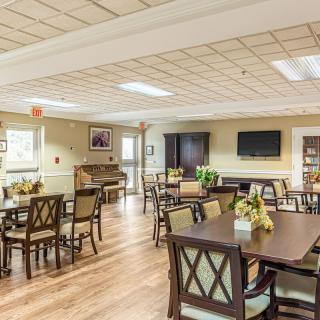
  • Dining room Dining roomDining rooms are important for seniors as they provide a space for socialization, connection, and nutritious meals. They offer opportunities for residents to bond over shared meals, foster a sense of community, and promote healthy eating habits. Dining rooms also ensure that seniors have access to well-balanced meals tailored to their dietary needs and preferences.
  • Fitness room Fitness roomHaving a fitness room in a senior living community is essential for seniors to stay active, maintain their physical health, and improve their overall well-being. Regular exercise can help prevent falls, reduce the risk of chronic diseases, and promote mental sharpness. It also provides social opportunities for residents to connect with others and enjoy a sense of community.
  • Fully furnished Fully furnishedFully furnished senior living communities are important for seniors because they provide convenience, comfort, and a hassle-free moving experience. Seniors can easily settle into their new living space without the stress of having to buy and move furniture. This allows them to focus on enjoying their new home and community.
  • Gaming room Gaming roomGaming rooms are important for seniors as they provide a fun and engaging environment for socializing, cognitive stimulation, and physical activity. Games can improve memory, problem-solving skills, and overall mental well-being while fostering friendships and reducing feelings of isolation.
  • Garden GardenGardens are important for seniors as they provide a peaceful and therapeutic environment for relaxation, physical activity, and socialization. Being in nature has been shown to reduce stress, improve mood, and promote overall well-being. Gardens also offer opportunities for seniors to engage in gardening activities, which can improve mobility, flexibility, and cognitive function. Additionally, gardens create a sense of community and connection with others who share a passion for plants and outdoor spaces.
  • Housekeeping services Housekeeping servicesHousekeeping services are important for seniors because they help maintain a clean and safe living environment, promote independence, and reduce the risk of accidents or illnesses. Additionally, having assistance with household chores can alleviate physical strain and allow seniors to focus on other aspects of their well-being.
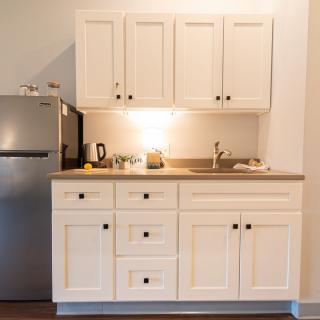
  • Kitchenette KitchenetteKitchenettes are important for seniors living in senior living communities because they provide the convenience and independence of being able to prepare simple meals and snacks in the comfort of their own living space. This can help promote a sense of autonomy and well-being for seniors, allowing them to maintain some level of control over their dietary choices and daily routines.
  • Move-in coordination Move-in coordinationMove-in coordination is important for seniors because it helps ease the transition into their new living environment. It ensures that all logistics, such as packing, organizing movers, and setting up utilities are taken care of, allowing seniors to focus on settling in and adjusting to their new home. Having a smooth move-in process can alleviate stress and anxiety, making the transition smoother and more enjoyable for seniors.
  • Outdoor space Outdoor spaceOutdoor spaces are important for seniors as they provide opportunities for physical activity, social interaction, exposure to natural light and fresh air, and a sense of connection to nature. Having access to outdoor spaces can improve overall well-being and quality of life for older adults living in senior communities.
  • Private bathrooms Private bathroomsPrivate bathrooms are important for seniors in senior living communities because they provide independence, dignity, and comfort. Having a private bathroom allows seniors to maintain their personal hygiene routines without the need for assistance, promoting a sense of autonomy and privacy. Additionally, private bathrooms help prevent the spread of infections and provide a safe and clean environment for seniors to navigate safely.
  • Restaurant-style dining Restaurant-style diningRestaurant-style dining is important for seniors because it allows them to enjoy delicious, nutritious meals in a social and upscale setting. This enhances their dining experience, promotes healthy eating habits, and fosters socialization with fellow residents, ultimately contributing to their overall well-being and quality of life.
  • Small library Small librarySmall libraries are important for seniors as they provide access to a variety of reading materials, including books, newspapers, and magazines. This can help stimulate their minds, keep them engaged, and provide a sense of community through book clubs and other social activities. Additionally, reading has been shown to improve cognitive function and overall mental well-being in older adults.
  • Telephone TelephoneTelephones are important for seniors as they provide a lifeline for communication with loved ones, emergency services, and healthcare providers. They offer a sense of security and independence, enabling seniors to stay connected and access assistance when needed.
  • Wellness center Wellness centerWellness centers are important for seniors because they offer a variety of programs and services that promote physical, mental, and emotional well-being. These centers provide opportunities for exercise, socialization, education, and relaxation, helping seniors maintain their overall health and quality of life.
  • Wi-Fi/high-speed internet available Wi-Fi/high-speed internet availableWi-Fi/high-speed internet is important for seniors to stay connected with loved ones, access online resources, and participate in virtual activities to combat feelings of loneliness and isolation. It also allows them to easily manage healthcare needs, access entertainment, and engage in lifelong learning opportunities.

Transportation

  • Lehigh Valley International (7 miles away) Lehigh Valley International (7 miles away)
  • Community operated transportation Community operated transportationCommunity operated transportation is crucial for seniors as it provides them with the means to access essential services, social activities, and medical appointments. It allows seniors to maintain their independence and quality of life by ensuring they can participate in activities outside of their homes. Additionally, community-operated transportation services offer a safe and reliable way for seniors to travel without having to rely on family or friends for assistance.
  • Transportation arrangement Transportation arrangementTransportation arrangements are crucial for seniors as they may face challenges with driving, mobility, or access to public transportation. Having reliable transportation services ensures that seniors can easily attend appointments, social activities, and maintain their independence and quality of life.
  • Transportation arrangement (non-medical) Transportation arrangement (non-medical)Transportation arrangements are essential for seniors as they provide access to essential services, activities, and social interactions outside the home. This service helps maintain independence, mobility, and overall well-being for seniors who may have limited transportation options.
  • Transportation to doctors appointments Transportation to doctors appointmentsTransportation to doctors appointments is crucial for seniors as it ensures they have access to necessary medical care and support, promoting their health and well-being. It allows them to receive timely treatment, monitor existing conditions, and address any new health concerns efficiently. Additionally, transportation services can help seniors maintain their independence and quality of life by enabling them to stay connected with their healthcare providers.

Care Services

  • 12-16 hour nursing 12-16 hour nursing12-16 hour nursing care is crucial for seniors in order to ensure around-the-clock monitoring, timely medication administration, and prompt response to any health concerns or emergencies. This level of care helps to promote the overall well-being and safety of seniors living in senior living communities.
  • 24-hour call system 24-hour call system24-hour call systems are important for seniors because they provide peace of mind and immediate assistance in case of emergencies. This technology ensures that help is always available, promoting safety and security for elderly individuals living alone or in assisted living facilities.
  • 24-hour supervision 24-hour supervision24-hour supervision is important for seniors to ensure their safety, well-being, and access to immediate assistance in case of emergencies or health issues. This constant support provides peace of mind for both seniors and their loved ones, allowing them to age in place with dignity and security.
  • Activities of daily living assistance Activities of daily living assistanceActivities of daily living assistance are important for seniors because they provide essential support with tasks such as eating, bathing, dressing, and mobility. This assistance helps seniors maintain their independence, dignity, and overall quality of life as they age.
  • Assistance with bathing Assistance with bathingAssistance with bathing is crucial for seniors as it helps maintain personal hygiene, prevents infections, and ensures their overall well-being and comfort. It also provides a sense of dignity and independence for seniors who may struggle with this task on their own.
  • Assistance with dressing Assistance with dressingAssistance with dressing is important for seniors because it helps maintain their independence, promotes personal hygiene, prevents accidents and injuries, and improves overall quality of life. This service ensures that seniors can continue to dress comfortably and confidently, despite any physical limitations they may have.
  • Assistance with transfers Assistance with transfersAssistance with transfers is crucial for seniors as it helps prevent falls and injuries, maintains their independence, and ensures they can safely navigate their living environment. It also provides peace of mind for both seniors and their loved ones.
  • Diabetes diet Diabetes dietA diabetes diet is crucial for seniors as it helps manage blood sugar levels, reduce risks of complications, and improve overall health and well-being. By following a balanced and nutritious diet tailored to their specific needs, seniors can better control their diabetes and enhance their quality of life.
  • Meal preparation and service Meal preparation and serviceMeal preparation and service are crucial for seniors as they may have limited mobility or energy to cook nutritious meals. Having access to healthy and convenient food options can ensure they are getting the proper nutrition needed to maintain their overall health and well-being.
  • Medication management Medication managementMedication management is crucial for seniors to ensure they are taking the right medications at the correct dosages and times. This helps prevent adverse drug interactions, reduces the risk of medication errors, and promotes overall health and well-being. Proactive management also allows for adjustments as needed based on changing health conditions or new prescriptions.
  • Mental wellness program Mental wellness programMental wellness programs are essential for seniors as they promote cognitive stimulation, emotional support, and social engagement. These programs help prevent isolation, depression, and cognitive decline, ultimately enhancing the overall quality of life for older adults.
  • Special dietary restrictions Special dietary restrictionsSpecial dietary restrictions are important for seniors because age-related changes in metabolism and health conditions can make it difficult for their bodies to process certain foods. By following a diet tailored to their specific needs, seniors can maintain their overall health and well-being, manage chronic conditions, and reduce the risk of complications such as malnutrition or food interactions with medications.

Dining

  • Diabetes diet Diabetes dietA diabetes diet is crucial for seniors as it helps manage blood sugar levels, reduce risks of complications, and improve overall health and well-being. By following a balanced and nutritious diet tailored to their specific needs, seniors can better control their diabetes and enhance their quality of life.
  • Special dietary restrictions Special dietary restrictionsSpecial dietary restrictions are important for seniors because age-related changes in metabolism and health conditions can make it difficult for their bodies to process certain foods. By following a diet tailored to their specific needs, seniors can maintain their overall health and well-being, manage chronic conditions, and reduce the risk of complications such as malnutrition or food interactions with medications.

Activities

  • Community-sponsored activities Community-sponsored activitiesCommunity-sponsored activities are important for seniors as they provide opportunities for social interaction, mental stimulation, and physical activity. These activities can help improve overall well-being, combat loneliness and isolation, and promote a sense of belonging and purpose among older adults.
  • Concierge services Concierge servicesConcierge services are essential for seniors as they provide assistance with daily tasks and errands, enhance their quality of life by offering convenience and personalized care, and promote a sense of safety and security.
  • Fitness programs Fitness programsFitness programs are crucial for seniors as they help improve strength, flexibility, balance, and overall well-being. Staying active can reduce the risk of chronic diseases, improve mental health, and enhance quality of life in older adults.
  • Planned day trips Planned day tripsPlanned day trips are important for seniors because they offer opportunities for socialization, mental stimulation, and physical activity. They provide a change of scenery and help seniors stay engaged and connected to their community, promoting overall well-being and quality of life.
  • Resident-run activities Resident-run activitiesResident-run activities are important for seniors as they encourage social interaction, creativity, and a sense of autonomy. These activities empower seniors to stay engaged and active in their community while fostering meaningful connections with their peers.
  • Scheduled daily activities Scheduled daily activitiesScheduled daily activities are important for seniors because they provide structure, socialization, mental stimulation, and physical activity. Engaging in regular activities can improve overall well-being and quality of life for seniors living in a community setting.

Description

Manorcare Health Services-Allentown in Allentown, PA offers a range of amenities and care services to ensure the comfort and well-being of its residents. The community features a beauty salon for convenient grooming, cable or satellite TV for entertainment, and community operated transportation for outings and appointments. Residents can also enjoy the computer center, gaming room, small library, and outdoor spaces.

The dining experience at Manorcare Health Services-Allentown is top-notch with restaurant-style dining and special dietary restrictions accommodations. Housekeeping services are provided to maintain a clean and pleasant environment. Move-in coordination is available to assist new residents in settling into their fully furnished private rooms with private bathrooms.

Care services include 24-hour call system and supervision for added safety. Residents receive assistance with activities of daily living such as bathing, dressing, and transfers. Medication management is provided to ensure proper administration, along with diabetes diet support. Mental wellness programs are offered to promote emotional well-being.

Transportation arrangements are made for non-medical purposes as well as transportation to doctors' appointments. A wellness center is available for health-related activities. Wi-Fi/high-speed internet is accessible throughout the community.

Residents can enjoy various activities including fitness programs, planned day trips, resident-run activities, and scheduled daily activities. Additionally, there are numerous cafes, parks, pharmacies, physicians' offices, restaurants, places of worship, theaters, and hospitals nearby for convenience and accessibility.

Manorcare Health Services-Allentown provides a comprehensive assisted living experience where residents can feel comfortable and supported while enjoying a wide range of amenities and care services within close proximity to various amenities in the surrounding area.

Nearby Places of Interest

Physicians

  • Pennsylvania Pain Management (0.1 miles)
  • Fetzer-Clair Urology Associates (0.2 miles)
  • Smile Krafters (0.2 miles)
  • LVPG General, Bariatric and Trauma Surgery-1240 Cedar Crest (0.4 miles)
  • Pulmonary Associates PC (0.4 miles)
  • Sacred Heart Primary Care (1.1 miles)
  • LVPG Internal Medicine (1.2 miles)

Pharmacies

  • Cedar Care Pharmacy (0.2 miles)
  • GIANT Pharmacy (1.8 miles)
  • CVS Pharmacy (2.1 miles)
  • CVS Pharmacy (2.3 miles)
  • Wegmans (2.4 miles)
  • CVS Pharmacy (2.4 miles)
  • CVS Pharmacy (2.4 miles)

Hospitals

  • Lehigh Valley Hospital - Mother/Baby Unit (0.4 miles)
  • LVH Pediatric Unit (0.4 miles)
  • Open Heart Unit (0.4 miles)
  • Lehigh Valley Hospital (0.4 miles)
  • Kaysch Pavilion (0.5 miles)
  • Life Care Holdings (0.9 miles)
  • St Luke's Hospital (2.5 miles)

Places of Worship

  • St Thomas More Catholic Church (0.9 miles)
  • Bethany United Methodist Church (2 miles)
  • Christ Lutheran Church (3 miles)
  • Dubbs Memorial Ucc (4.1 miles)

Restaurants

  • Perkins Restaurant and Bakery (1.1 miles)
  • McDonald's (1.1 miles)
  • Gourmet Buffet & Grill (1.2 miles)
  • Carrabba's Italian Grill (1.2 miles)
  • TGI Friday's (1.3 miles)
  • McDonald's (1.5 miles)
  • Don Juan Mex Grill & Cantina (2.1 miles)

Cafes

  • Starbucks (1.5 miles)
  • Starbucks (2.3 miles)
  • Starbucks (2.5 miles)
  • Starbucks (2.5 miles)
  • Panera Bread (3.4 miles)

Parks

  • Cedar Creek Park (2.9 miles)
  • Macungie Memorial Park (3.8 miles)
  • Grange Park (4 miles)
  • Church Lane Park (4.2 miles)

Theaters

  • Movie Tavern Trexlertown (3.2 miles)

Frequently Asked Questions

Where is Manorcare Health Services-Allentown?

Nearby Communities

  • Senior Helpers of the Lehigh Valley

    Senior Helpers of the Lehigh Valley

    Allentown, PA

    4.6 from 26 reviews
     

    pro Effective caregiver match with proactive support and prompt communication.
  • Rittenhouse Village at Lehigh Valley

    Rittenhouse Village at Lehigh Valley

    Allentown, PA

    4.3 from 103 reviews
    $3,500 to $5,900 / month

    pro Compassionate staff who engage residents; clean, comfortable rooms; varied activities and dining.

  • Home Care Assistance of the Lehigh Valley

    Home Care Assistance of the Lehigh Valley

    Allentown, PA

    4.1 from 21 reviews
     

    pro Clear communication and attentive daily care.

  • BAYADA Home Health Care - Allentown

    BAYADA Home Health Care - Allentown

    Allentown, PA

    3.9 from 10 reviews
     

    pro Consistently reliable and helpful nursing care.

  • Legend of Allentown

    Legend of Allentown

    Allentown, PA

    4.3 from 108 reviews
    $5,315 to $6,855 / month

    pro Friendly, compassionate staff in a modern, welcoming setting with on-site activities and dining options.

  • DevonHouse Senior Living

    DevonHouse Senior Living

    Allentown, PA

    4.2 from 64 reviews
    $3,875 to $5,350 / month

    pro Attentive staff, clean environment, and varied activities.

  • Episcopal House

    Episcopal House

    Allentown, PA

    3.7 from 28 reviews
     

    pro Opportunity for improved management responsiveness and proactive maintenance.

  • Atrium of Allentown

    Atrium of Allentown

    Allentown, PA

    4.5 from 53 reviews
    $3,600 to $4,500 / month

    pro Beautiful, modern facility with attentive staff, strong dining, and engaging activities.

Related Resources

  • living will definitionComprehensive Exploration of Living Wills and Other Advance Directives

    Living wills and advance directives are crucial legal documents that outline an individual's healthcare preferences when they cannot make decisions themselves, enhancing patient autonomy and alleviating family stress during medical crises. The article emphasizes the need for these documents to be personalized, legally valid, and regularly updated, while also encouraging communication about end-of-life wishes among family members and healthcare providers.

  • living will definitionA Detailed Exploration of Living Wills and Advance Directives

    The article examines living wills and advance directives, highlighting their significance in expressing healthcare preferences for those unable to communicate due to illness or incapacity. It discusses their historical development, legal components, limitations, practical drafting advice, and the importance of clear communication among families and healthcare professionals regarding end-of-life decisions.

  • does medicare cover hospiceComprehensive Guide to Medicare Coverage for Hospice Care

    Hospice care focuses on providing comfort and support for individuals nearing the end of life, with Medicare Part A covering services like nursing care and counseling for patients with a terminal illness and a life expectancy of six months or less. While most hospice services are low-cost for eligible patients, families should be aware that certain expenses, such as room and board, may not be covered.