For more information about senior living options: (866) 208-4318
3.4 from 59 reviews
5 stars
29
4 stars
5
3 stars
3
2 stars
4
1 stars
18
Overall Review of Royale Gardens Health & Rehabilitation Center
common26 reviews mention this
Staff communication and guidance
Residents and families frequently mention staff being communicative and supportive, with some exceptions around follow-through.
Several reviewers say the team kept them informed and helped them understand what was happening, especially during admissions, care planning, and therapy coordination. Others highlight specific social services and individual staff members who were attentive, polite, and easy to reach. At the same time, a number of negative reviews describe difficulties getting responses, not returning calls, or not following through on promises. Weekend timing and slower response are also mentioned in a few reviews.
differentiator6 reviews mention this
Therapy experience stands out
Physical therapy and coordinated rehab are a frequent bright spot in reviews.
Multiple reviews praise physical therapy (and related OT support) as thorough and effective, with some describing improvements that supported getting back home. A few families also mention coordinated planning across therapy and social services, along with clear scheduling for doctor appointments and transportation while residing there. Even among mixed comments, physical therapy is singled out more positively than other areas. One reviewer also contrasts weekend care and day-to-day service quality, which may affect how therapy support feels at different times.
caveat8 reviews mention this
Food and diet feel inconsistent
Food quality and diet support draw mixed reviews, including concerns about diabetic-friendly meals.
Some reviewers say the food was good or that menus worked well for them, and a few mention dietary adjustments being made with care. Others describe the food as bad and say the kitchen did not serve restricted diets as expected. Several reviews also bring up diabetes-related concerns, including that meals were not diabetic friendly or that diabetes needs were not adhered to. Taken together, families’ experiences with dining and diet consistency vary widely.
caveat4 reviews mention this
Medication handling concerns
A minority of reviews raise serious concerns about medication management.
Some negative reviews claim medication was handled incorrectly, including situations where medication administration was documented or described inaccurately. Others describe trouble getting the right medications or refills, including pain medication after major surgery. Even reviewers who are otherwise unhappy sometimes return to medication-related issues as a key problem area. These accounts contrast with a few positive mentions that medications were handled well.
caveat6 reviews mention this
Cleanliness and odors are mixed
Cleanliness receives mixed feedback, with both “smells clean” notes and reports of odors or maintenance issues.
A few reviewers say the facility smells clean or does not have an odor when they visit. Others report smells such as urine, and a few mention broader building or maintenance problems. One reviewer also describes cleaning issues in personal hygiene areas, and another raises concerns about mold and water/plumbing problems. Overall, cleanliness and environmental upkeep show up as a point of variation across reviews.
How we summarize
Counts show how many written reviews mention each theme; a review can touch several themes, and only frequently mentioned themes are displayed.
Features
Housing
155 resident community capacity
Types of Care
Skilled Nursing Facility
Amenities
Air-conditioning
Beauty salon
Cable or satellite TV
Computer center
Dining room
Fitness room
Fully furnished
Gaming room
Garden
Housekeeping services
Kitchenette
Move-in coordination
Outdoor space
Private bathrooms
Restaurant-style dining
Small library
Telephone
Wellness center
Wi-Fi/high-speed internet available
Transportation
Rogue Valley International (24 miles away)
Community operated transportation
Transportation arrangement
Transportation arrangement (non-medical)
Transportation to doctors appointments
Care Services
12-16 hour nursing
24-hour call system
24-hour supervision
Activities of daily living assistance
Assistance with bathing
Assistance with dressing
Assistance with transfers
Diabetes diet
Meal preparation and service
Medication management
Mental wellness program
Special dietary restrictions
Dining
Diabetes diet
Special dietary restrictions
Activities
Community-sponsored activities
Concierge services
Fitness programs
Planned day trips
Resident-run activities
Scheduled daily activities
Nearby Places of Interest
Places of Worship
Neighborhood Church (0 miles)
Church of Jesus Christ of Latter Day Saints (1.2 miles)
Christian Science Reading Room (1.3 miles)
St Anne Catholic Church (1.4 miles)
First Baptist Church (1.6 miles)
River Valley Community Church (1.6 miles)
River Valley Church - Official (1.6 miles)
Parks
Gilbert Creek Park (0.3 miles)
B St JUMPS(loveless Park) (1.2 miles)
Robert C Martin Park (2 miles)
Greenwood Dog Park (2.2 miles)
Riverside Park (2.5 miles)
Baker Park (2.5 miles)
Reinhart Volunteer Park (2.5 miles)
Physicians
Siskiyou Community Health Center (0.4 miles)
Advanced Skin Center (0.5 miles)
Ear Nose & Throat Associates of Grants Pass PC (0.7 miles)
Grants Pass Surgical Associates (0.7 miles)
Asante Occupational Health (0.7 miles)
Lisa Callahan Pediatrics (0.7 miles)
Cascade West Primary Care Clinic (1 miles)
Restaurants
Pok Pok Restaurant (0.4 miles)
Denny's (0.5 miles)
In-N-Out Burger (0.5 miles)
Taco Bell (0.5 miles)
Muchas Gracias (0.6 miles)
Babe's Bakery (0.6 miles)
Matsukaze Japanese Restaurant (0.7 miles)
Hospitals
Asante Lifeline (0.7 miles)
Genesis Recovery Center (0.7 miles)
Cascade Surgery Center (1.1 miles)
Three Rivers Community Hospital & Health Center (1.2 miles)
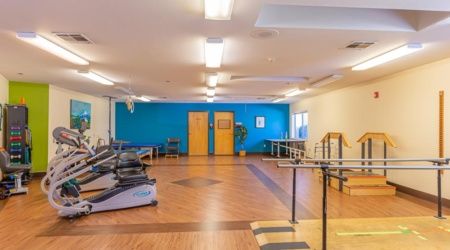
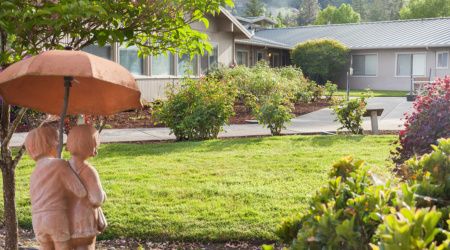
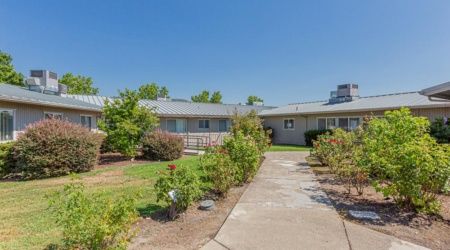
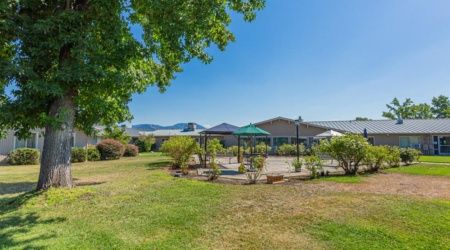
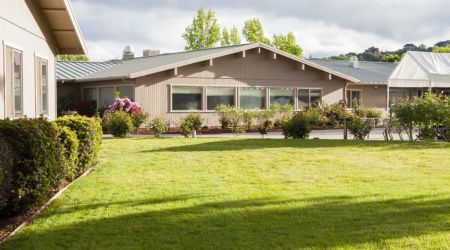
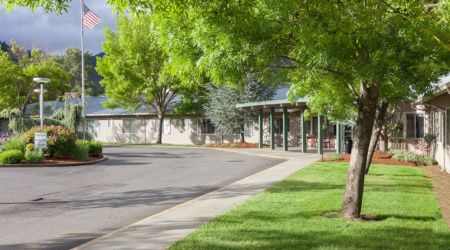
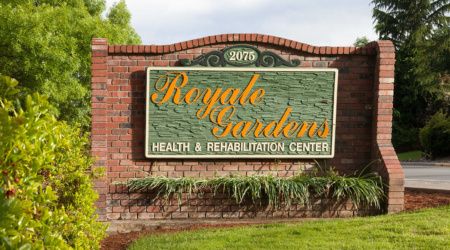
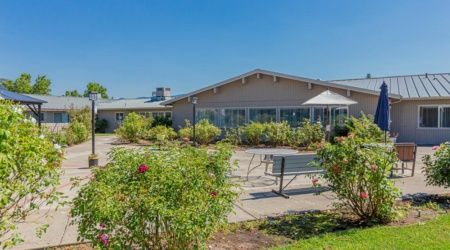
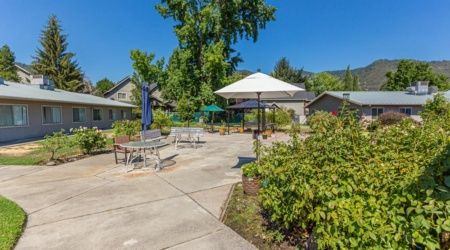
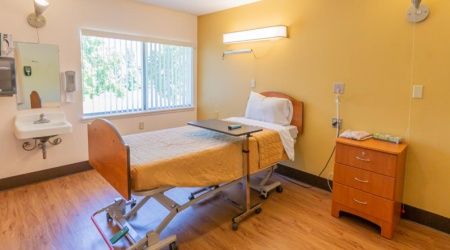
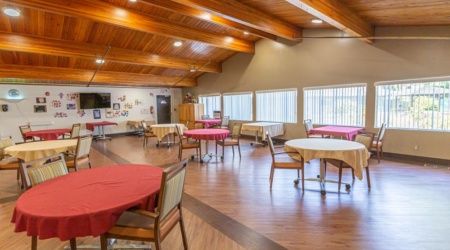
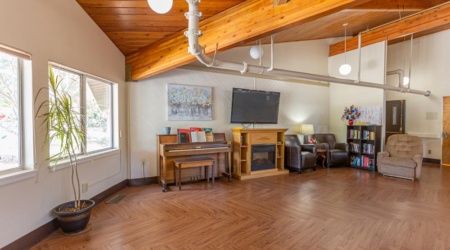
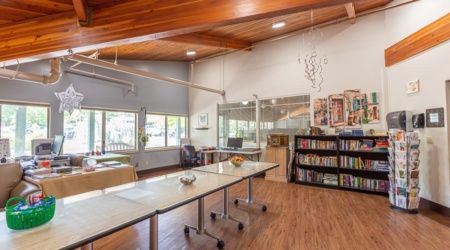
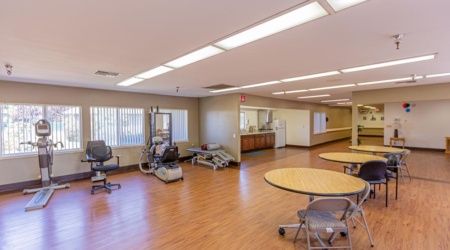
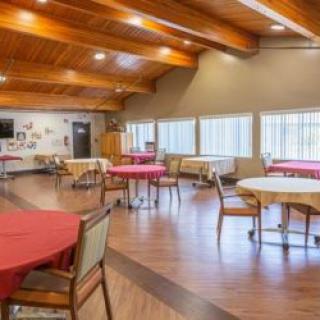
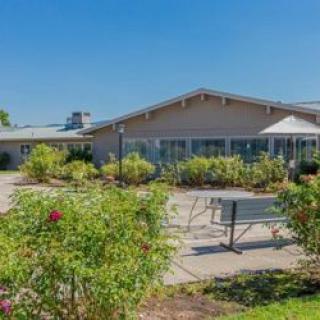
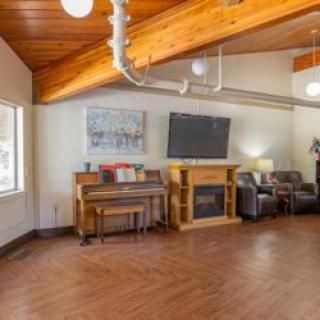
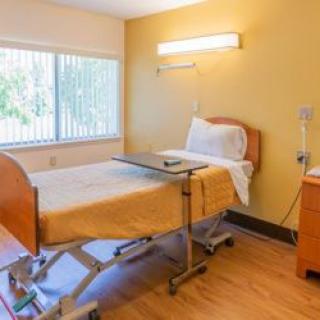
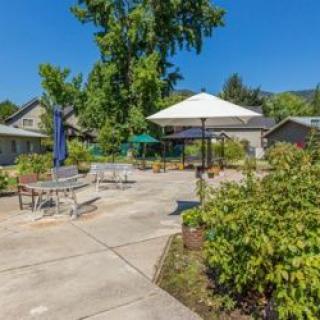
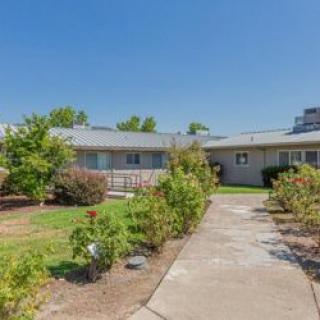
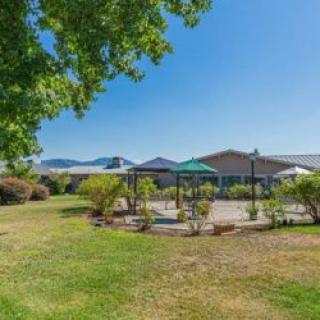
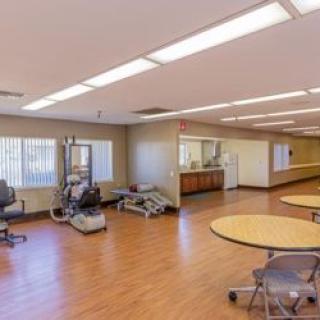
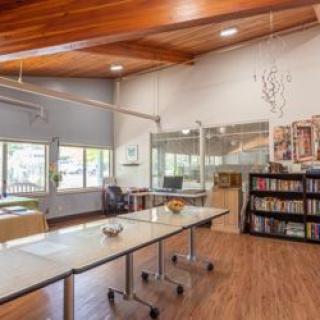
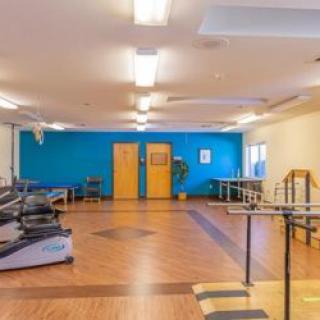
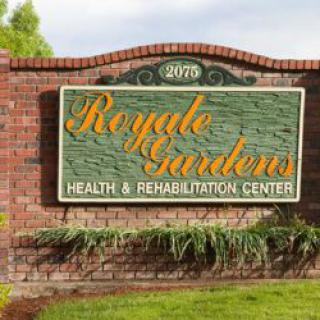
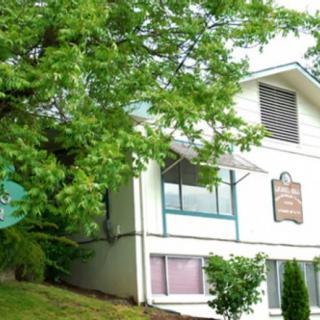
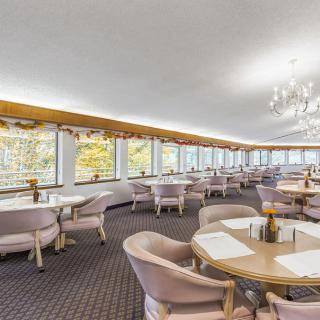
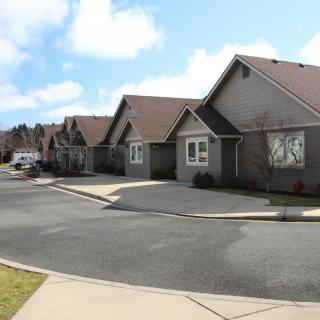
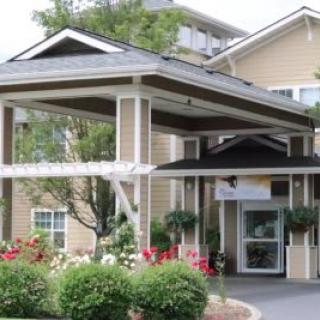
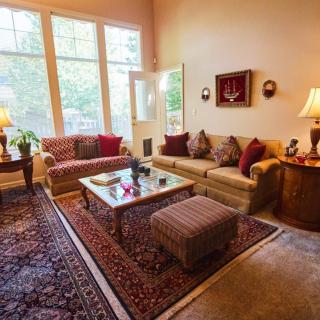
Royale Gardens Health & Rehabilitation Center on seniors.fyi includes 14 photos including images showing landscaping, garden, trees, interior, outdoor, building, exercise equipment, outdoors, and more.
Nearby Communities
Highland House Nursing & Rehabilitation Center
Grants Pass, OR
3.1 from 52 reviews
24-hour supervision with a wide range of on-site amenities and services.
Ashley Manor - Heidi
Grants Pass, OR
2.9 from 14 reviews
$3,400 to $3,900 / month
Home-like environment with opportunities for social interaction and improvements under new management.
Black Oak Adult Foster Care
Grants Pass, OR
4.6 from 9 reviews
$4,000 / month
Compassionate, attentive staff with a family-like atmosphere.
Laurel Hill Nursing Center
Grants Pass, OR
3.3 from 27 reviews
Comprehensive care with 24/7 supervision and engaging activities.
Holiday Rogue Valley
Grants Pass, OR
4.3 from 63 reviews
$2,069 to $2,819 / month
Friendly staff, clean facilities, active social life with on-site dining and affordable pricing.
Ashley Manor Anique
Grants Pass, OR
3.7 from 27 reviews
Comprehensive care with transportation, meals (diabetes-friendly), activities, and Wi?Fi.
Kinsington Place
Grants Pass, OR
3.7 from 25 reviews
$2,850 to $7,350 / month
Clean facility with spacious private rooms and engaging activities.
Cascades Of Grants Pass - The Village
Grants Pass, OR
4 from 83 reviews
$2,895 to $4,495 / month
Friendly staff with responsive maintenance and a welcoming, well-kept environment.
Pioneer Village
Jacksonville, OR
4.5 from 74 reviews
$3,295 to $4,070 / month
Knowledgeable, caring staff (notably the marketing/sales manager) and well-maintained, spacious apartments in a welcoming, secure community.
Elder law attorneys assist older adults and their families with legal matters such as estate planning, Medicaid eligibility, and guardianships, while also providing protection against elder abuse. They help navigate complex regulations to safeguard financial resources, ensure well-being, and maintain autonomy for seniors.
Caregiving for an aging parent entails emotional and financial responsibilities accompanied by significant tax implications, including potential benefits from claiming them as dependents and deductions for medical expenses and caregiving costs. Caregivers must understand eligibility requirements, maintain thorough documentation, and consider consulting a tax professional to navigate these complexities effectively.
Low-impact exercises are vital for seniors as they promote health, independence, and social interaction while reducing joint strain. These adaptable activities, guided by healthcare professionals, enhance strength, flexibility, and emotional well-being.
Royale Gardens Health & Rehabilitation Center photos
×
Interior
Outdoors
Living Room
Building
Bedroom
Trees
Landscaping
Garden
Patio
Exercise Equipment
Office
Gym
Brick Wall
Interior
Bedroom and Healthcare
Dining and Wooden Beams
Living Room, Television, Fireplace, and Piano
Landscaping
Windows
Building
Trees
Garden
Outdoor
Patio
Outdoors
Exercise Equipment
Pathway
Parking and Sidewalk
Office and Workspace
Gym, Treadmill, and Therapy Room
Rehabilitation
Brick Wall
Bright Lighting and Wooden Flooring
Get PricingAsk A QuestionSchedule A TourContact Senior Advisor
By clicking submit, you agree to our Partner's Terms of Use. You
also consent to receive calls and texts, which may be autodialed, from our Partner. Your consent is not a condition to
using our Partner's service. Please visit our Partner's Privacy Policy for information about their privacy practices.



 155 resident community capacity
 Skilled Nursing Facility
 Air-conditioning
 Beauty salon
 Cable or satellite TV
 Computer center
 Dining room
 Fitness room
 Fully furnished
 Gaming room
 Garden
 Housekeeping services
 Kitchenette
 Move-in coordination
 Outdoor space
 Private bathrooms
 Restaurant-style dining
 Small library
 Telephone
 Wellness center
 Wi-Fi/high-speed internet available
 Rogue Valley International (24 miles away)
 Community operated transportation
 12-16 hour nursing
 24-hour call system
 Activities of daily living assistance
 Assistance with bathing
 Assistance with dressing
 Assistance with transfers
 Diabetes diet
 Medication management
 Mental wellness program
 Special dietary restrictions
 Concierge services
 Planned day trips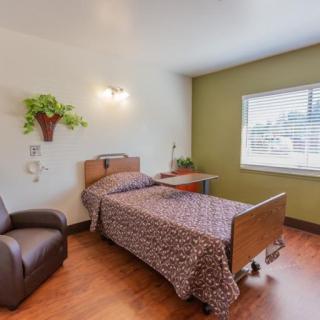
 24-hour supervision with a wide range of on-site amenities and services.

 6 Crucial Ways an Elder Law Attorney Assists Families
 Navigating the Tax Landscape of Caregiving: Credits, Deductions, and Beyond
 Highly Beneficial Low-Impact Exercises for Senior Living Residents