
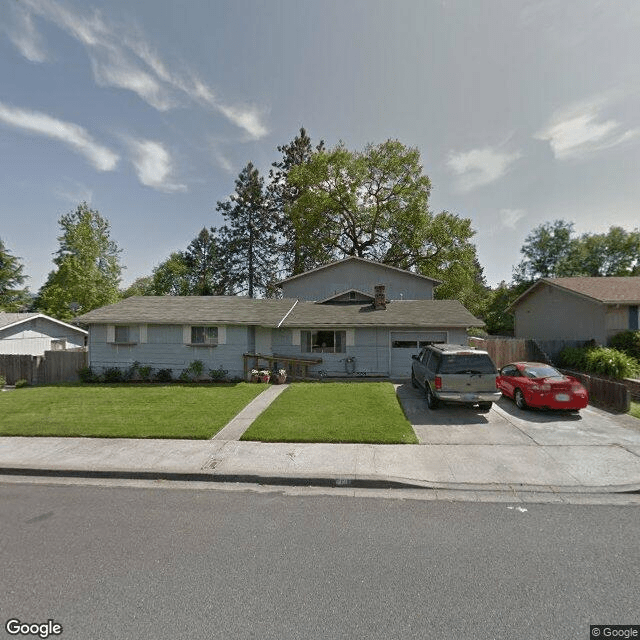
1031 NW Morgan Lane, Grants Pass, OR 97526
To contact a resident: (541) 955-6063
For more information about senior living options: (866) 208-4318
Black Oak Adult Foster Care Costs & Pricing
Black Oak Adult Foster Care offers competitive pricing for its services, with both studio and private room options priced at $4,000 per month. When comparing these costs to the averages in Josephine County and the wider state of Oregon, it's evident that Black Oak is positioned above local county rates but somewhat aligned with state averages for studio accommodations. In Josephine County, studios average around $3,760, while private rooms cost approximately $3,949. Conversely, the statewide average for private rooms is notably lower at about $3,424. This pricing structure suggests that Black Oak Adult Foster Care provides a level of service or amenities that may justify its higher costs compared to its immediate county but recognizes the broader market dynamics within Oregon as a whole.
| Floor plans | Black Oak Adult Foster Care | Josephine County | Oregon |
|---|---|---|---|
| Studio | $4,000 | $3,760 | $3,815 |
| Private | $4,000 | $3,949 | $3,424 |
Memory care communities with a similar price nearby
-
About the same
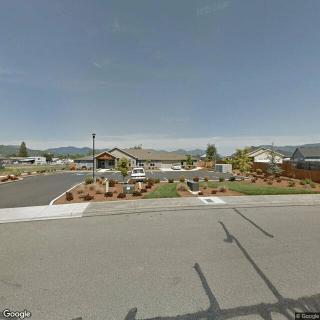
Applegate House Of Grants Pass
$4,000 / month3.3 miles away -
from -$480 / mo
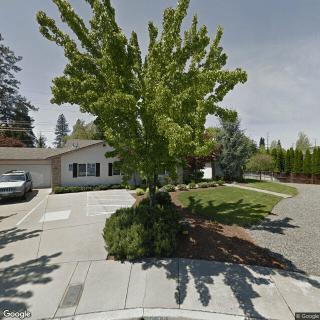
Arbor House Of Grants Pass
$3,520 to $3,780 / month2.6 miles away -
About the same
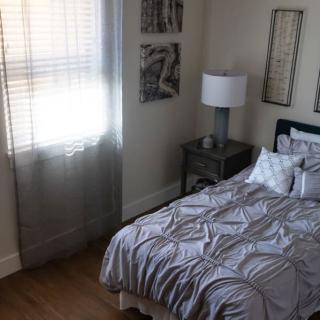
Pear Valley Senior Living
$3,995 to $4,995 / month21.6 miles away -
from -$600 / mo
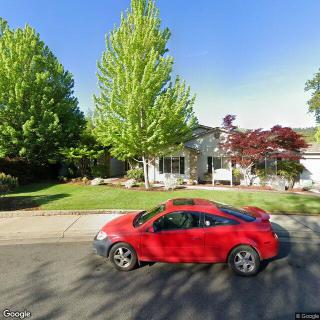
Ashley Manor - Heidi
$3,400 to $3,900 / month0.4 miles away -
from -$200 / mo
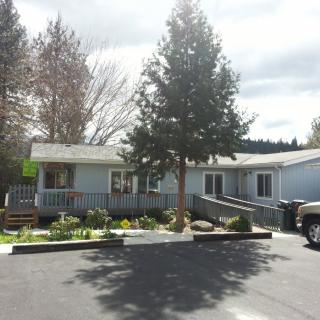
Wings of Love Adult Foster Care
$3,800 to $4,000 / month6.6 miles away
Overall Review of Black Oak Adult Foster Care
Pros
 The place is amazing.
- The staff are outgoing and friendly.
- Residents look happy and relaxed.
- The owners and caregivers are exceptionally loving and respectful.
- Residents are kept clean and well fed, and are treated like family.
- The staff are attentive, compassionate, and concerned about residents' daily needs.
- Families can visit anytime without notice and stay as long as they wish.
- The facility comes highly recommended by families.
Cons
 The staff were rude.
- Billing has been incorrect / billing errors occurred.
- There have been problems with the medications.
- The transition has been hard for the husband.
Review
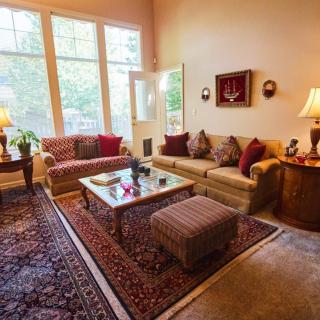
Black Oak Adult Foster Care in Grants Pass, Oregon is best suited for families seeking a small, home-like setting where seniors receive attentive, relationship-driven care. It excels for residents who benefit from a warm, family atmosphere, daily personal attention, and memory-supporting routines. The environment feels intimate rather than institutional, with staff who know residents well and visitors welcomed with little friction. In short, this is a compassionate alternative to larger nursing facilities, ideal for those who value connection, everyday kindness, and consistent, individualized assistance.
That said, certain families should consider alternatives. For seniors who need a higher level of medical oversight or more formal, clinical programming, a larger skilled nursing facility or dedicated memory-care community may be a better fit. A single review notes rude staff at times, hinting at variability in day-to-day interactions. Administrative hiccups, specifically billing errors, also appear in the feedback, suggesting that financial processes may require close attention. If reliability in billing and uniform staff behavior is non-negotiable, it’s prudent to compare other options.
On balance, the major advantages, affectionate, available caregivers; a vibe of happiness and relaxation among residents; and strong family engagement, tend to offset the occasional drawbacks. The small-scale setting enables closer supervision, easy access for visits, and meals that residents enjoy, including fresh vegetables, which matters for daily wellness. The care model is built on staying with residents through the day and supporting dementia-related needs with respect and patience, which often translates into a real sense of belonging and stability for families.
Long-form testimonials reinforce the strengths: families describe owners and staff as exceptionally loving and respectful toward loved ones with dementia, with consistent cleanliness, good nutrition, and a feeling that everyone is part of a caring family. The ability to drop by without notice, and the sense that staff are attentive to daily routines and personal preferences, stands out as a differentiator from larger facilities. The sentiment across multiple accounts is that this is not just care, but a home where residents are cherished and treated as family.
Practical steps for families evaluating Black Oak include asking to meet the caregiving team, requesting details on how medications are administered and monitored, and clarifying the billing process before move-in. Consider verifying how transitions are handled for new residents and how visits are scheduled or welcomed, though reviews portray open accessibility, firsthand confirmation helps prevent misunderstandings. If the current staff mix concerns, request ongoing communication with a supervisor or administrator to establish expectations and address any issues early.
Overall, Black Oak Adult Foster Care is a strong match for those who want a warm, intimate environment with attentive caregivers and a memory-supportive approach. It may be less suitable for families needing intensive medical management, highly standardized operations, or guaranteed flawless billing. With due diligence, visits, conversations with current families, and a clear understanding of policies, this community can deliver meaningful peace of mind and a sense of home for a loved one who thrives in a small, personable setting.
 Board and Care Home
 Memory Care
 Activities on-site
 Indoor common areas
 Outdoor common areas
 Private
 Rogue Valley International (24 miles away)
 Ambulatory care
 Diabetic care
 High acuity care
 Incontinence care
 Medication management
 Meals provided

 Medications Associated with Dementia Risk: A Comprehensive Overview
 Guiding Your Journey: Understanding Power of Attorney for Elderly Parents
 22 Remarkable Caregiver Support Groups Available Online and In-Person