Overall Review of Forest Grove Rehabilitation And Care Center
common7 reviews mention this
Food quality gets mixed reactions
Dining is a frequent point of discussion, with both praise and complaints.
Several residents describe the food positively, calling it good, delicious, or among the best they’ve experienced in skilled nursing. One review also mentions that protein items sometimes come out overcooked and dry, with issues attributed to the kitchen or menu planning. Other reviewers have reported food dissatisfaction, including a serious negative experience. Even with the positive remarks, residents generally treat dining as an area that can vary.
differentiator9 reviews mention this
Physical therapy supports progress
Residents repeatedly link strong therapy support to noticeable mobility progress.
A common theme is that residents feel physical therapy helped them move better and recover after surgery or a hospital stay. Multiple reviews specifically credit physical therapy staff with getting residents up, walking again, or pushing them toward their goals. Some also mention hands-on follow-through alongside therapy, such as help with transfers and daily sessions. Overall, therapy appears to be a key part of what residents say makes their stay worthwhile.
caveat2 reviews mention this
Communication and staffing concerns
Some residents report breakdowns in responsiveness and communication.
While many residents describe prompt help, at least a couple of reviews focus on communication problems. One resident reports long waits for call light responses and describes frustration with how staff communicate and coordinate. Another review alleges no one answers calls and points to service failures related to staffing and follow-through. These issues are described as enough to create serious concern, not just inconvenience.
common5 reviews mention this
Cleanliness is usually noticed
Residents frequently mention the facility is clean and well kept.
Many reviews highlight cleanliness and housekeeping, describing a building that feels clean or maintained. Some residents go further and describe it as noticeably clean without unpleasant smells. A smaller number of comments still suggest occasional odors or cleanliness gaps. Overall, cleanliness is generally a strength, but not every review agrees on consistency.
How we summarize
Counts show how many written reviews mention each theme; a review can touch several themes, and only frequently mentioned themes are displayed.
Features
Housing
114 resident community capacity
Types of Care
Skilled Nursing Facility
Amenities
Air-conditioning
Beauty salon
Cable or satellite TV
Computer center
Dining room
Fitness room
Fully furnished
Gaming room
Garden
Housekeeping services
Kitchenette
Move-in coordination
Outdoor space
Private bathrooms
Restaurant-style dining
Small library
Telephone
Wellness center
Wi-Fi/high-speed internet available
Transportation
Portland International (24 miles away)
Community operated transportation
Transportation arrangement
Transportation arrangement (non-medical)
Transportation to doctors appointments
Care Services
12-16 hour nursing
24-hour call system
24-hour supervision
Activities of daily living assistance
Assistance with bathing
Assistance with dressing
Assistance with transfers
Diabetes diet
Meal preparation and service
Medication management
Mental wellness program
Special dietary restrictions
Transportation to doctors appointments
Dining
Diabetes diet
Special dietary restrictions
Activities
Community-sponsored activities
Concierge services
Fitness programs
Planned day trips
Resident-run activities
Scheduled daily activities
Nearby Places of Interest
Physicians
Mountainview Family Practice (0.2 miles)
Clemens Oral Surgery (0.2 miles)
Dr Pace's Office (0.5 miles)
Cascade Medical Boutique (4.6 miles)
Dr Chad Pfefer MD (4.7 miles)
Davis Catherina-General Surgeon (4.8 miles)
Hillsboro Orthopedic Clinic (4.8 miles)
Restaurants
McDonald's (0.5 miles)
Great Northwest Ice Cream (1.6 miles)
McDonald's (7.1 miles)
Park Lanes Family Entertainment Center (8 miles)
Gales Creek Tavern (8.1 miles)
Front Row Bar & Grill (8.6 miles)
Taco Bell (8.6 miles)
Pharmacies
Hillsboro Pharmacy United Drugs (4.5 miles)
Hillsboro Pharmacy (4.9 miles)
Walgreens (5.1 miles)
CVS Pharmacy (6 miles)
Rite Aid (6 miles)
Walgreens (8.4 miles)
Fred Meyer Pharmacy (8.8 miles)
Hospitals
Tuality Community Hospital (4.9 miles)
Tuality Health Education Center (5 miles)
Cafes
Starbucks (6.1 miles)
Starbucks (7 miles)
Starbucks (7.9 miles)
Dutch Bros Coffee (8.4 miles)
Starbucks (8.5 miles)
Black Rock Coffee Bar (10.9 miles)
Aurora Coffeehouse PDX (14 miles)
Transportation
Hertz Car Rental - Hillsboro Airport (6.4 miles)
Hillsboro Airport (HIO) (6.5 miles)
TriMet Quatama/NW 205th Ave MAX Station (9.2 miles)
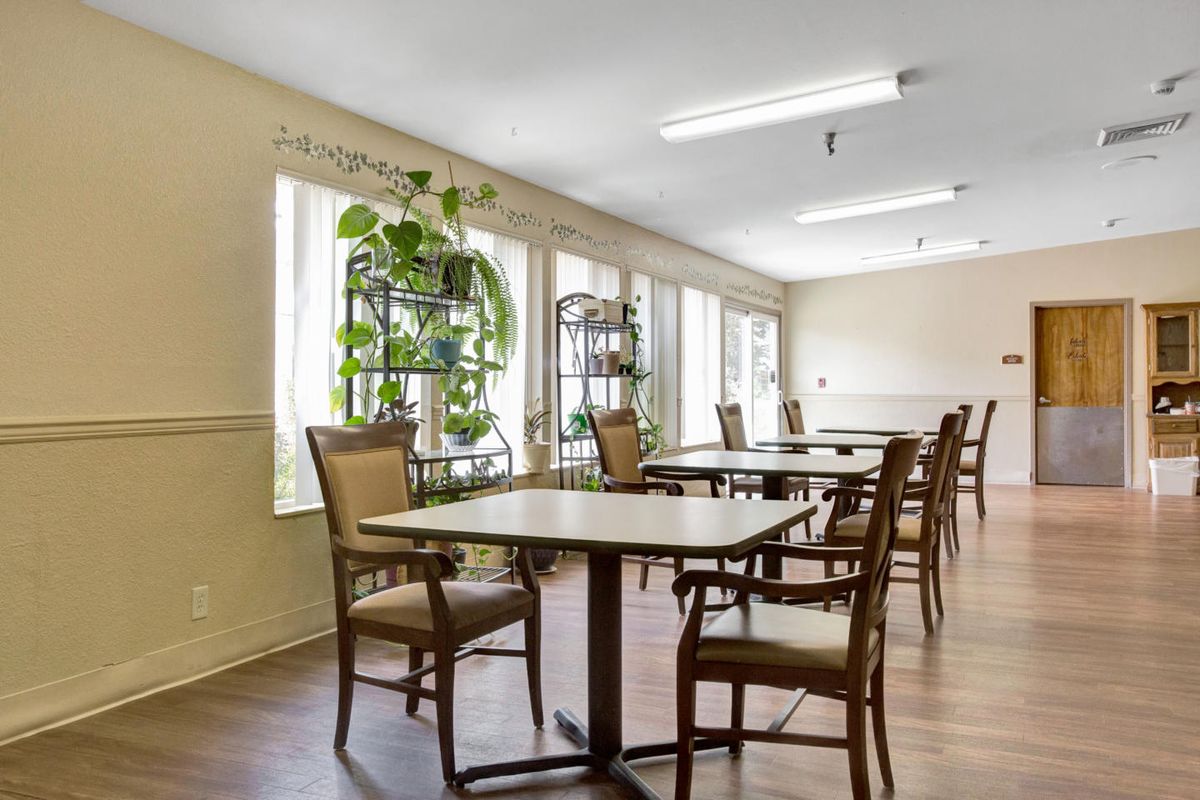
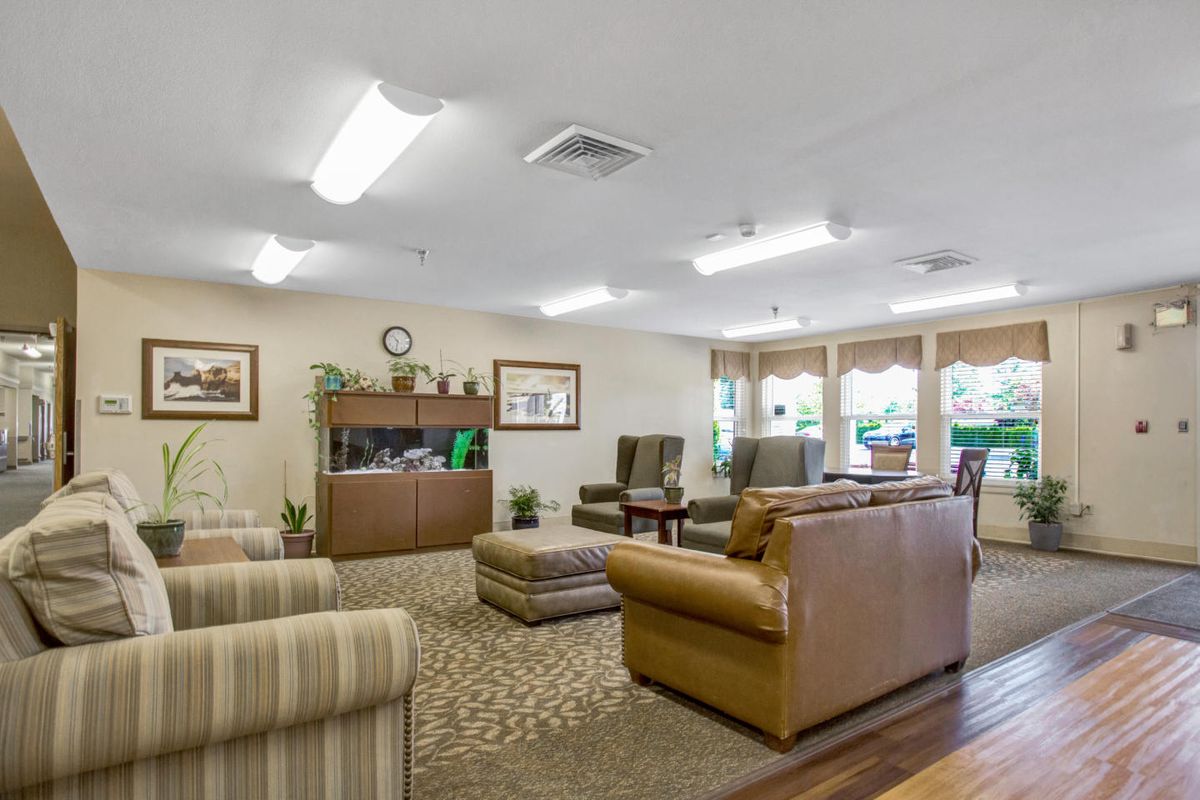
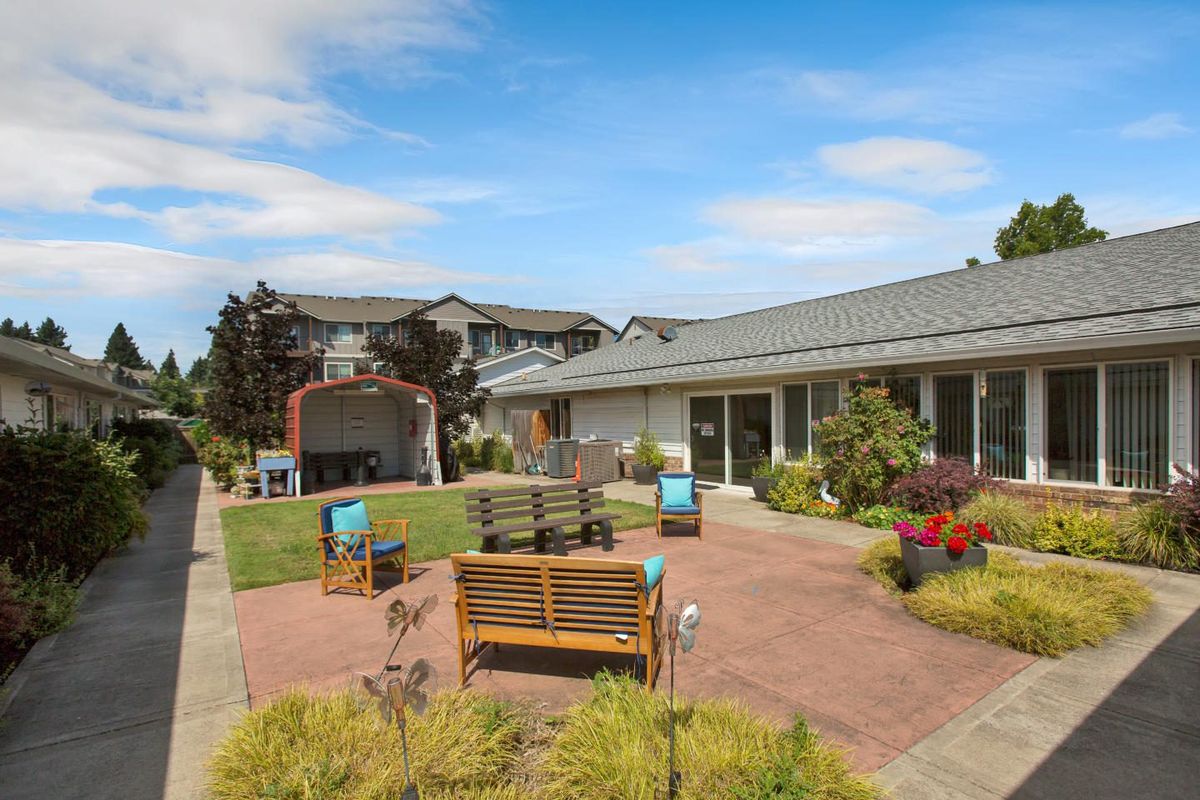
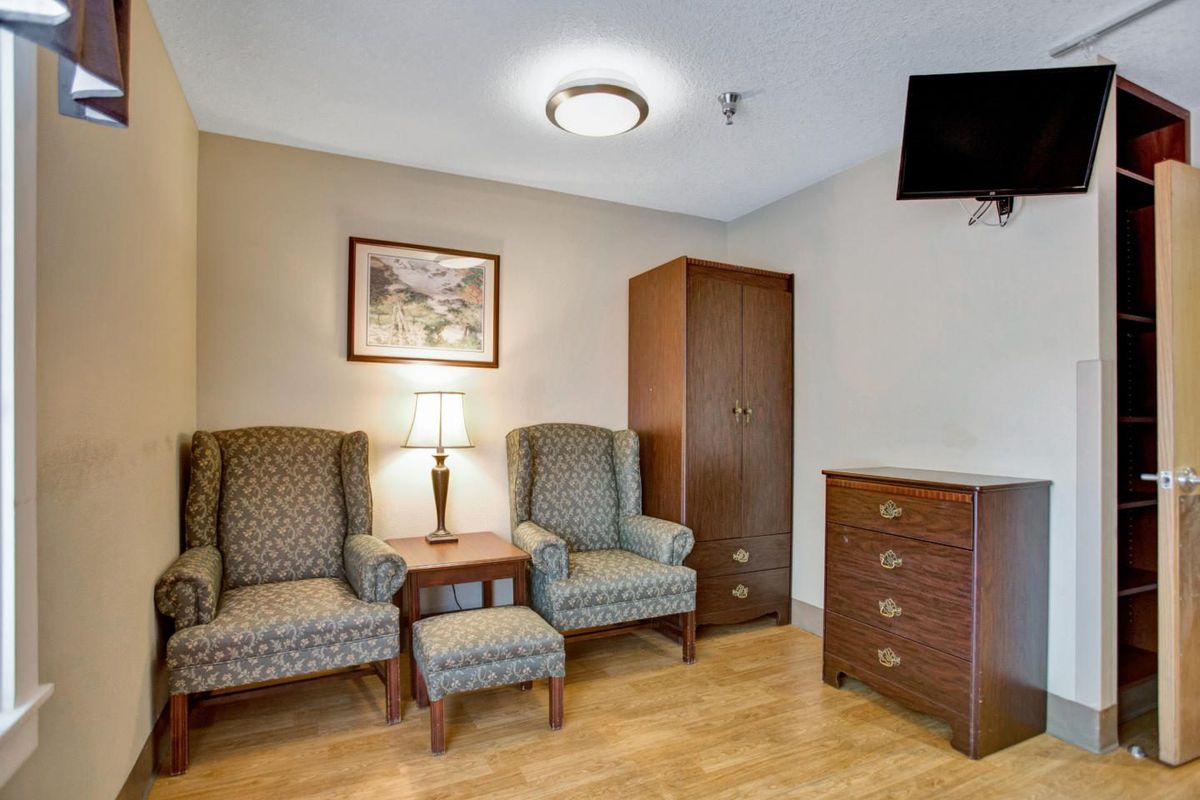
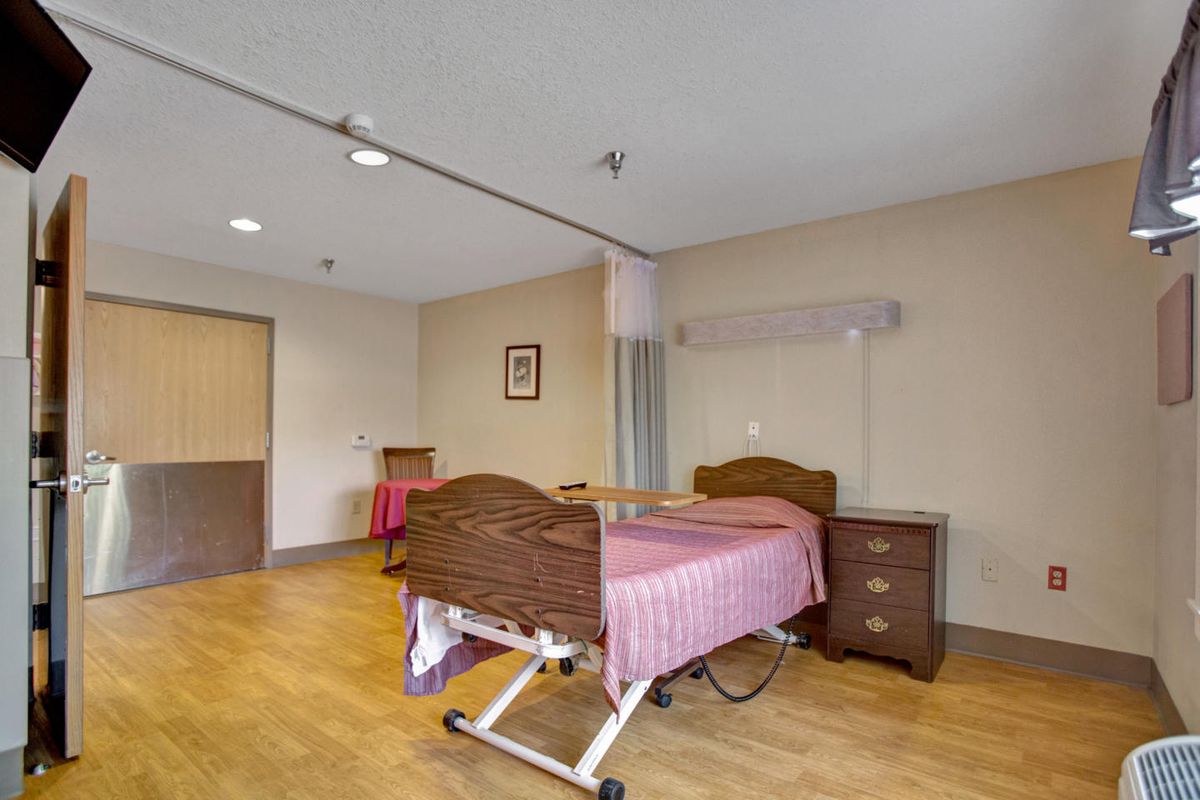
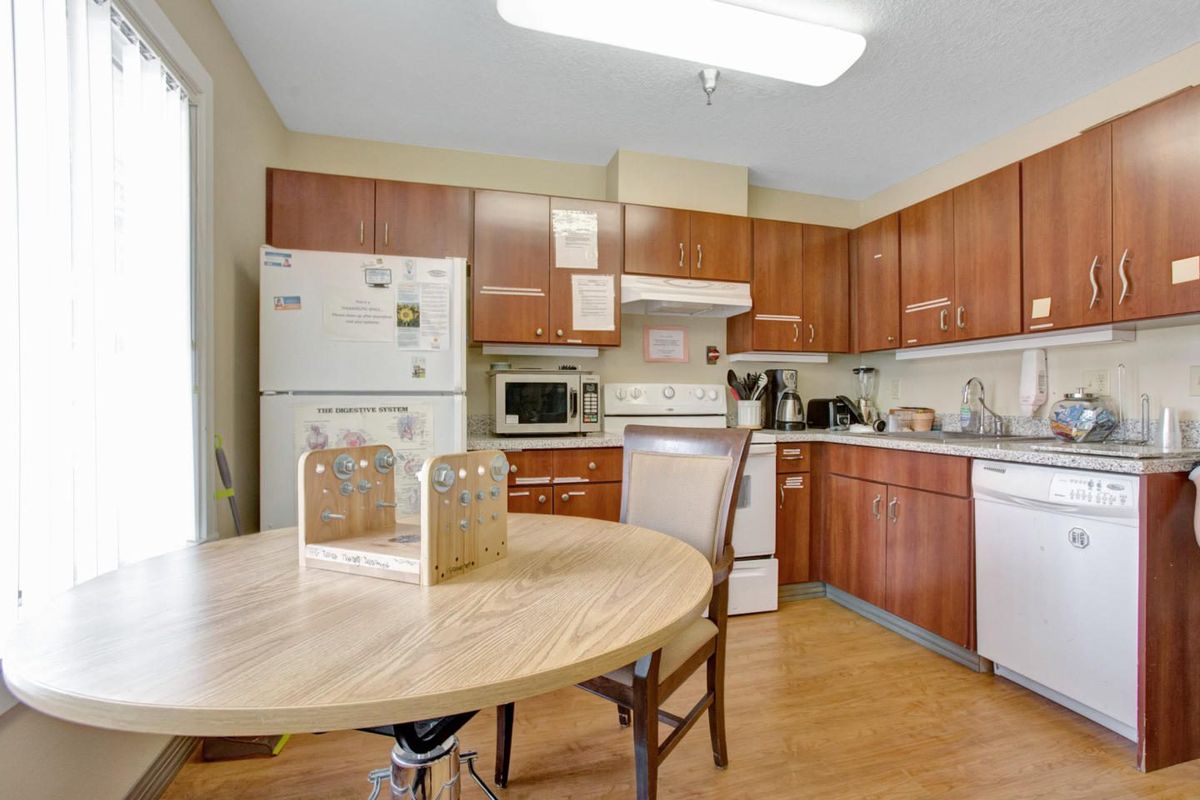
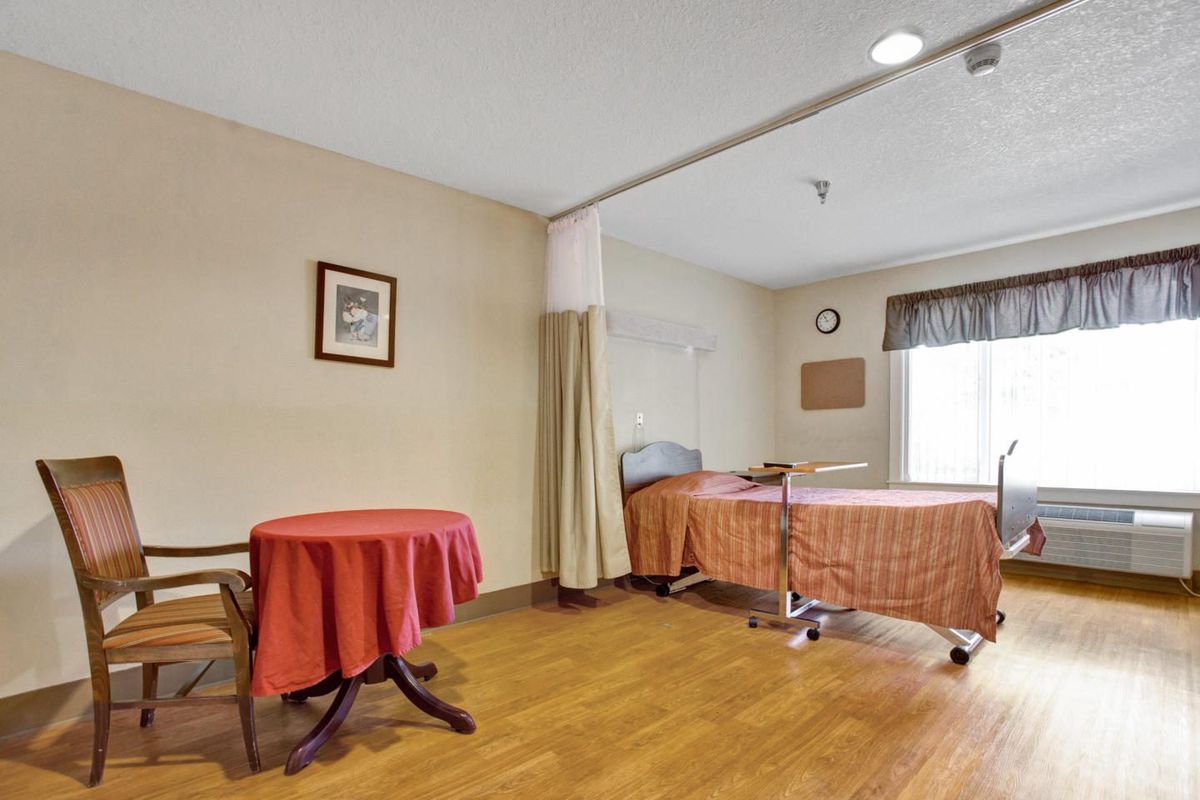
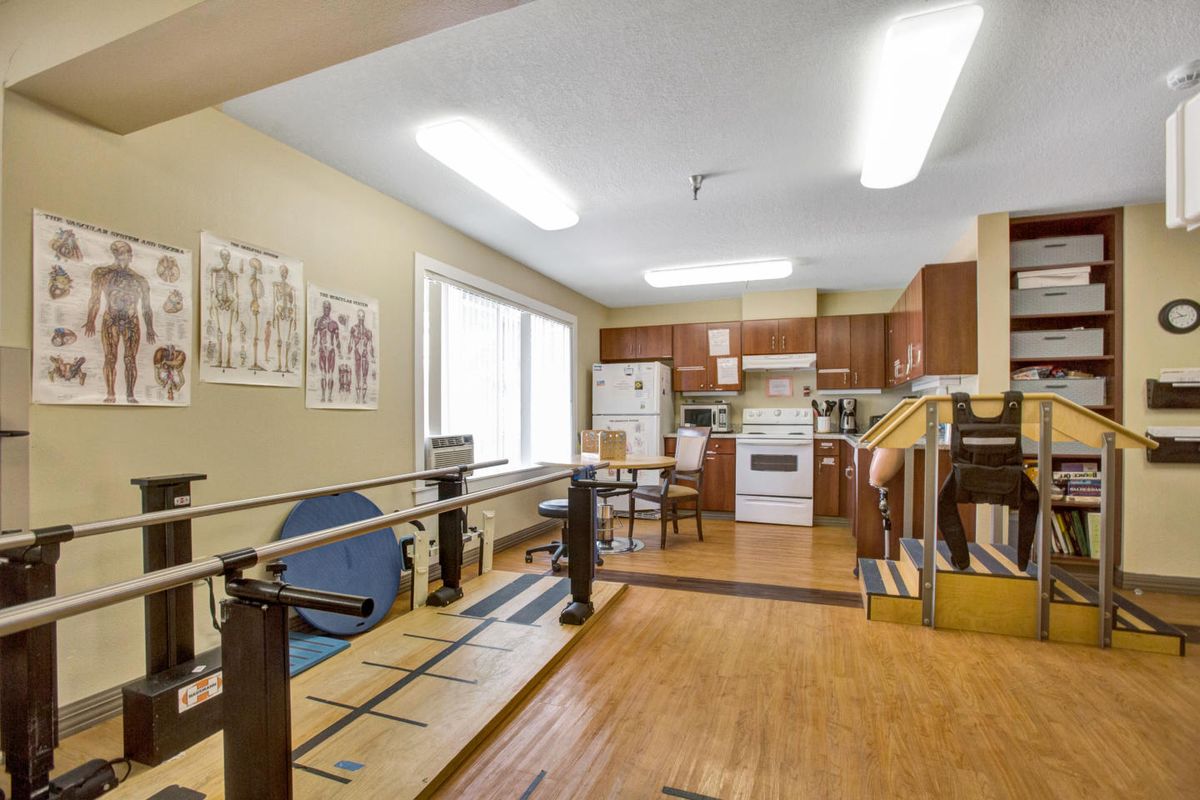
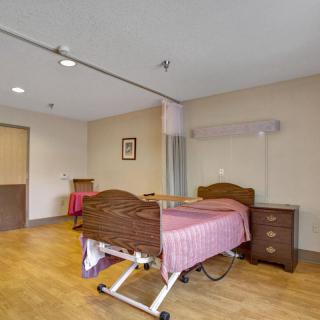
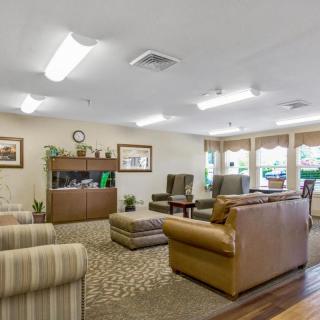
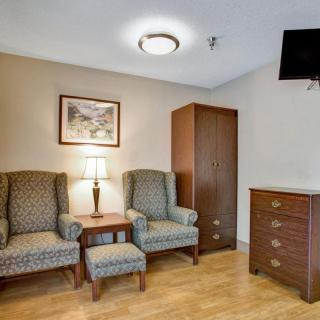
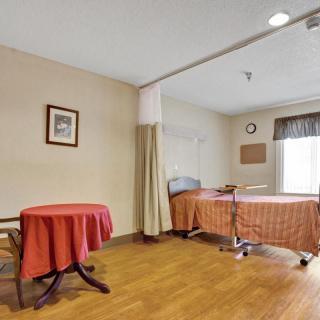
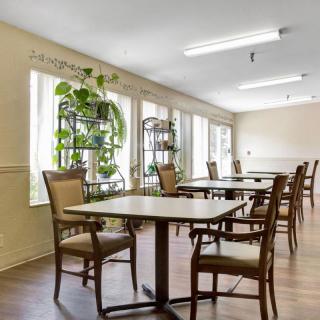
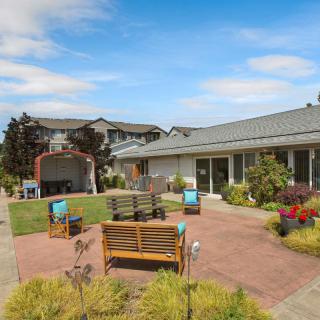
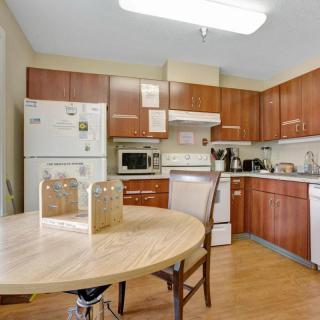
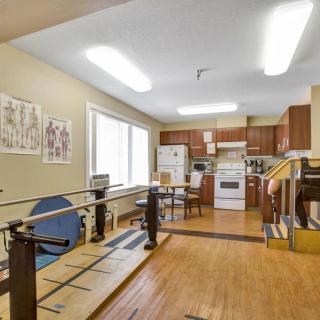
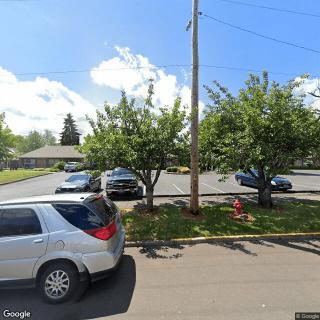
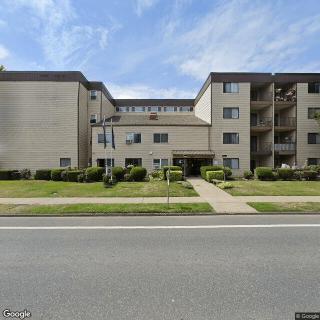
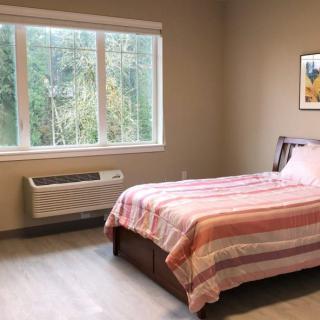
Forest Grove Rehabilitation And Care Center on seniors.fyi includes 8 photos including images showing interior, windows, kitchen, appliances, lighting, living room, bathroom, cabinets, and more.
Nearby Communities
Prestige Forest Grove Rehabilitation and Care Center
Forest Grove, OR
4.2 from 69 reviews
Family advocacy prompted improved hygiene and comfort for the resident.
Beehive Management Group, Inc.
Forest Grove, OR
4.1 from 19 reviews
Strong access to pharmacies, physicians, and hospitals nearby.
Forest Villa
Forest Grove, OR
3 from 3 reviews
Peaceful setting with 24/7 staff and nearby pharmacy and geriatric physicians.
Jennings Mc Call Rcf
Forest Grove, OR
4 from 2 reviews
$1,571 to $2,604 / month
Competitive pricing with comprehensive care options (independent, assisted, and memory care) and extensive on-site amenities such as dining, transportation, fitness, and wellness.
Marquis Forest Grove Assisted Living
Forest Grove, OR
3 from 3 reviews
$3,691 to $4,723 / month
Good social environment with strong on-site amenities and supportive care services.
The Grove and The Gardens
Forest Grove, OR
4.1 from 46 reviews
Personalized service plans with attentive staff in a small, comfortable setting.
Marquis Care Forest Grove Post Acute Rehab
Forest Grove, OR
3.5 from 21 reviews
Attentive staff and dedicated therapists driving active rehabilitation.
Tarkington Square Apartments
Hillsboro, OR
3.3 from 8 reviews
Great access to healthcare and nearby amenities.
Holi Senior Living
Hillsboro, OR
3.9 from 45 reviews
$4,750 to $5,750 / month
Friendly, caring staff in a clean, well-maintained setting.
The article examines living wills and advance directives, highlighting their significance in expressing healthcare preferences for those unable to communicate due to illness or incapacity. It discusses their historical development, legal components, limitations, practical drafting advice, and the importance of clear communication among families and healthcare professionals regarding end-of-life decisions.
Hospice care focuses on providing comfort and support for individuals nearing the end of life, with Medicare Part A covering services like nursing care and counseling for patients with a terminal illness and a life expectancy of six months or less. While most hospice services are low-cost for eligible patients, families should be aware that certain expenses, such as room and board, may not be covered.
Caregiver burnout is a common issue resulting from the intense physical, emotional, and mental demands of caregiving, leading to symptoms like fatigue and social withdrawal. To prevent burnout, caregivers should recognize early warning signs and implement self-care strategies, seek support, and prioritize their own well-being alongside that of those they care for.
Forest Grove Rehabilitation And Care Center photos
×
Interior
Decor
Living Room
Bedroom
Windows
Landscaping
Kitchen
Lighting
Interior
Decor, Seating, and Lounge Area
Bedroom and Bathroom
Dining
Living Room
Landscaping, Garden, Outdoor, Patio, and Courtyard
Windows
Kitchen and Appliances
Lighting
Television and Painting
Cabinets
Exercise
Nursing Home
Get PricingAsk A QuestionSchedule A TourContact Senior Advisor
By clicking submit, you agree to our Partner's Terms of Use. You
also consent to receive calls and texts, which may be autodialed, from our Partner. Your consent is not a condition to
using our Partner's service. Please visit our Partner's Privacy Policy for information about their privacy practices.



 114 resident community capacity
 Skilled Nursing Facility
 Air-conditioning
 Beauty salon
 Cable or satellite TV
 Computer center
 Dining room
 Fitness room
 Fully furnished
 Gaming room
 Garden
 Housekeeping services
 Kitchenette
 Move-in coordination
 Outdoor space
 Private bathrooms
 Restaurant-style dining
 Small library
 Telephone
 Wellness center
 Wi-Fi/high-speed internet available
 Portland International (24 miles away)
 Community operated transportation
 12-16 hour nursing
 24-hour call system
 Activities of daily living assistance
 Assistance with bathing
 Assistance with dressing
 Assistance with transfers
 Diabetes diet
 Medication management
 Mental wellness program
 Special dietary restrictions
 Concierge services
 Planned day trips
 Family advocacy prompted improved hygiene and comfort for the resident.


 A Detailed Exploration of Living Wills and Advance Directives
 Comprehensive Guide to Medicare Coverage for Hospice Care
 Caring for Those Who Care: Recognizing, Understanding, and Overcoming Caregiver Burnout