3333 East 28Th Street, Tulsa, OK 74114
For more information about senior living options: (866) 208-4318
Overall Review of Wildwood Care Center
Pros
 The caregivers are excellent and have very positive attitudes toward residents, even when challenges arise.
- The nursing staff and technicians are caring and consistently follow through with care.
- The staff are friendly and attentive, and visitors are greeted warmly.
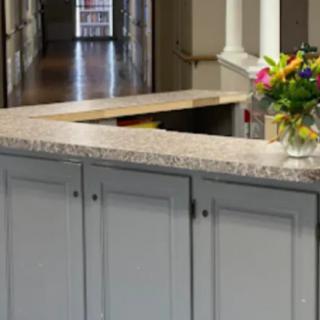
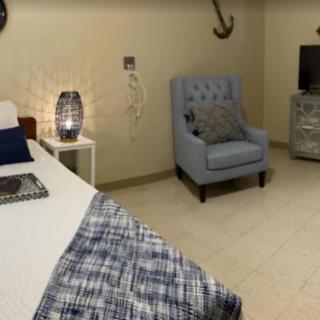
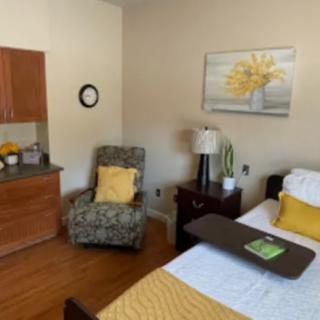
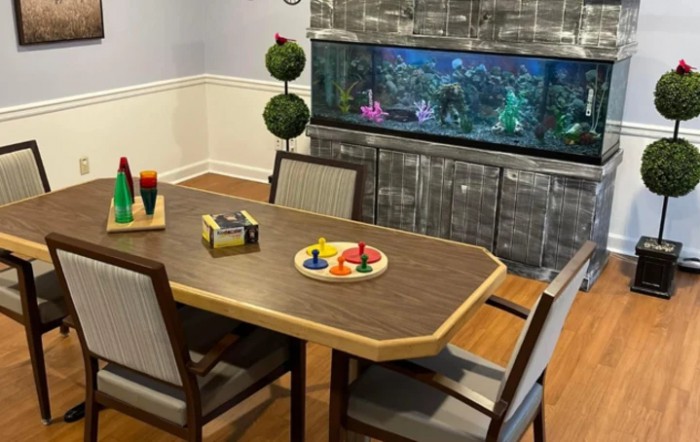
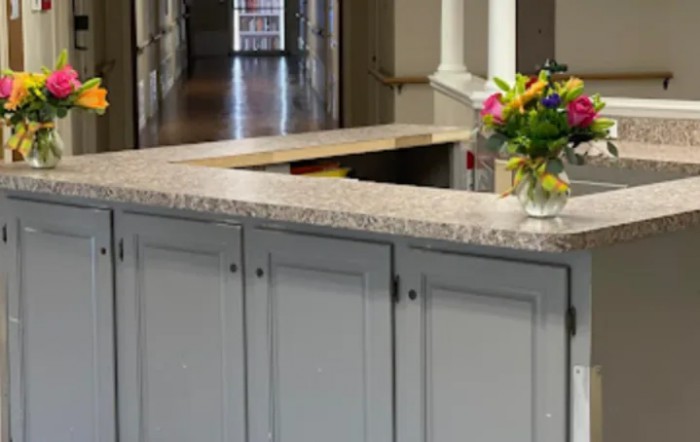
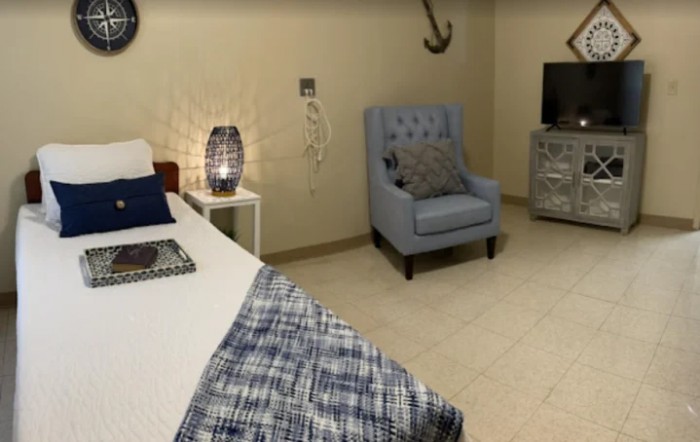
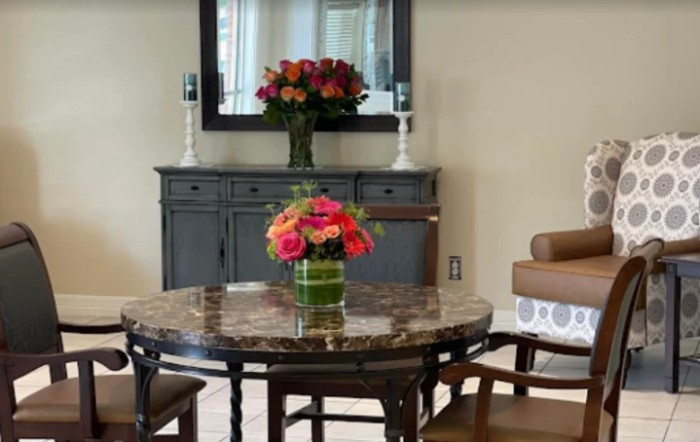
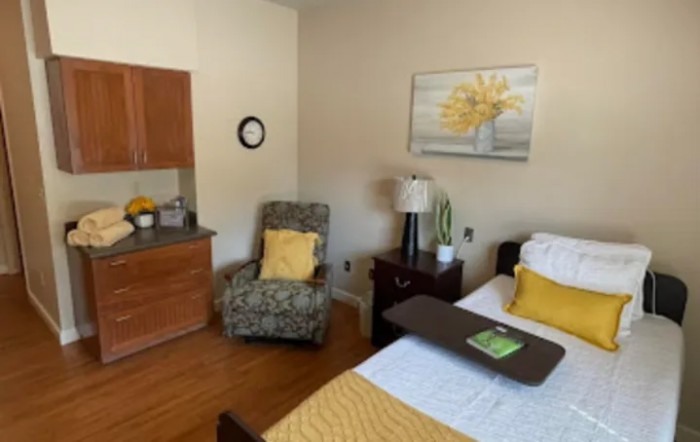
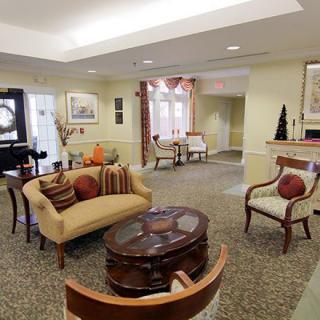
- The facility is clean, comfortable, and has a homey atmosphere.
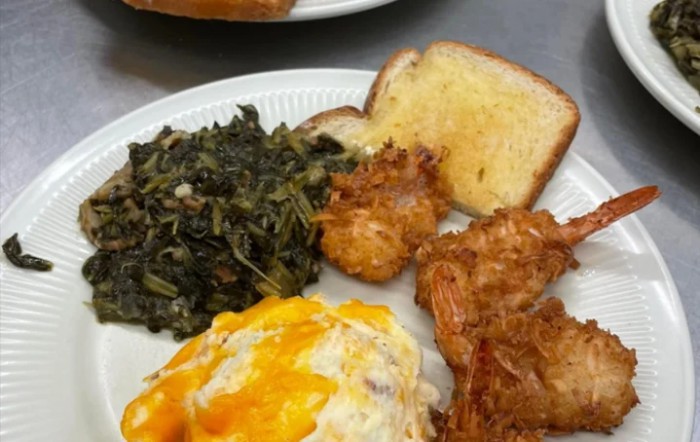
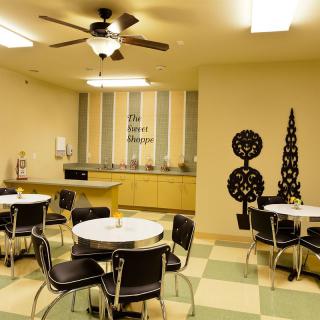
- The food is good, and meals are well balanced and well received by residents.
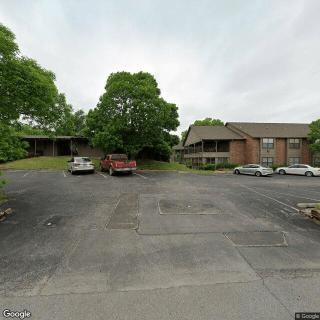
- The center is well run, adequately staffed, and centrally located with easy access to the area.
- Families are well informed, and their wishes are respected.
- The staff form bonds with residents and treat them like family, providing compassionate, attentive care.
- In end-of-life moments, staff members provide extra loving care and sit with families.
Cons
 The place was a little run down and needed new furniture badly.
- The administrators were not very caring.
- It was very mediocre because of the varying levels of residents' illnesses, and not everyone could talk and feed themselves.
- Staff were screaming at each other and fighting, creating so much noise that the elderly could not sleep.
- The grandmother was overmedicated due to two pain patches being placed on her by mistake.
- Her room was constantly cold in the winter.
- Staff waited several hours to call for emergency help and notify the family.
- The doctor did not see the patient in person and only looked at her file.
Review
Wildwood Care Center in Tulsa is best suited for families seeking a small, home-like skilled-nursing option where daily, attentive care remains the centerpiece. The residents here appear to benefit when rehabilitation needs are paired with long-term care, especially for seniors who value a personal touch and frequent contact with caregivers. The center operates with a clear emphasis on hands-on medication management, cleanliness, and a mindful, relaxed atmosphere. Its central location makes visits convenient for relatives working nearby, and the 40-resident footprint supports meaningful interactions rather than impersonal routines. In practice, the nursing and support staff often come across as genuinely positive, forming bonds with residents that translate into consistent, trusted care during ordinary days and after health changes.
That said, families should consider alternatives if administrative consistency and a high-touch medical oversight are top priorities. Several reviews point to variability in leadership engagement and communication, suggesting that the experience can swing depending on who is directing the care on a given day. For residents who require regular, more than-monthly physician contact, or who depend on tightly monitored hydration, nutrition, and medication safety, a facility with stronger medical oversight and more structured oversight may be preferable. If memory care or a more specialized dementia program is needed, or if potential overnight noise and staff disputes could disrupt sleep, it’s prudent to shop wider.
On the upside, the strongest argument in favor of Wildwood is the caregiving team. Nurses and technicians are described as caring, approachable, and capable of maintaining routines with residents who can be challenging. Families frequently note that staff keep residents clean, help with medications, and communicate about changes in condition. The facility is clean and has a homey, comfortable feel, with good food that residents seem to enjoy. The smaller size also translates into more predictable staffing and easier family access, and Rehab and skilled-nursing services are clearly available for short-term recovery when needed.
However, tangible drawbacks appear in a few shared patterns. Administrative responsiveness can be inconsistent, and some families report delays in routine tasks such as laundry and bed-making. There are accounts of disruptive night-time noise and even overt conflicts among staff in common areas, which can make rest difficult for residents. Several reviews describe gaps in medical oversight, sporadic doctor visits, limited on-site monitoring, and, in rare cases, concerns about medication management, along with issues like cold rooms or dehydration if fluids are not tracked closely. These factors do not erase the care many residents receive, but they temper the otherwise favorable impression and demand proactive family involvement.
Decision-makers should align expectations with resident needs. For families prioritizing close, daily interaction with a devoted caregiving team, social warmth, and easy access for visits, Wildwood frequently delivers more reliably than larger campuses. For those requiring intense medical management, specialized memory care, or a consistently quiet environment with uniform administrative leadership, stronger alternatives may offer a more predictable day-to-day experience and safety nets.
To move forward, families should arrange a thorough on-site visit and ask pointed questions: what is the typical physician visitation schedule, how quickly are call lights answered, what are the laundry and housekeeping turnaround times, how is hydration monitored, and what is the plan for any memory-care needs? Review room size, climate control, and meal options in person. Confirm current staffing levels and the process for escalating concerns to administration. If the fit feels right after due diligence, Wildwood can be a sturdy, caring option that keeps a loved one close to family and community while delivering solid nursing support; if not, remain open to other small-to-mid-size facilities with stronger medical oversight and more robust activity programming.
 56 resident community capacity
 Skilled Nursing Facility
 Air-conditioning
 Beauty salon
 Cable or satellite TV
 Computer center
 Dining room
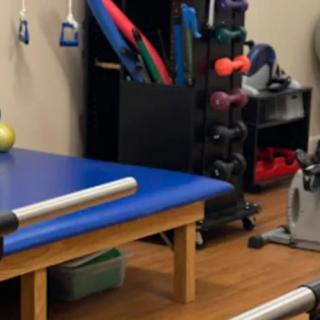
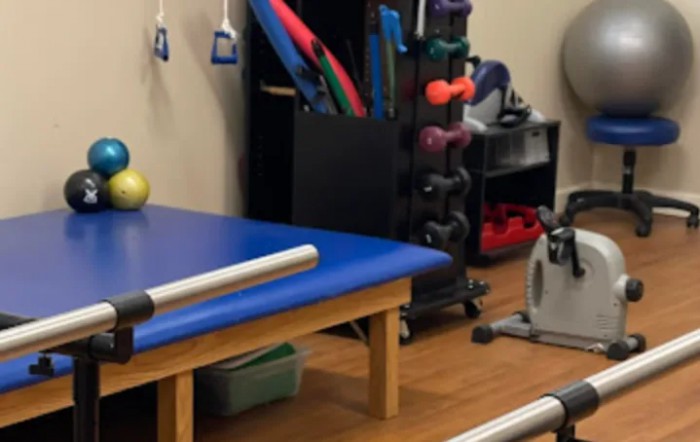
 Fitness room
 Fully furnished
 Gaming room
 Garden
 Housekeeping services
 Kitchenette
 Move-in coordination
 Outdoor space
 Private bathrooms
 Restaurant-style dining
 Small library
 Telephone
 Wellness center
 Wi-Fi/high-speed internet available
 Tulsa International (6 miles away)
 Community operated transportation
 12-16 hour nursing
 24-hour call system
 Activities of daily living assistance
 Assistance with bathing
 Assistance with dressing
 Assistance with transfers
 Diabetes diet
 Medication management
 Mental wellness program
 Special dietary restrictions
 Concierge services
 Planned day trips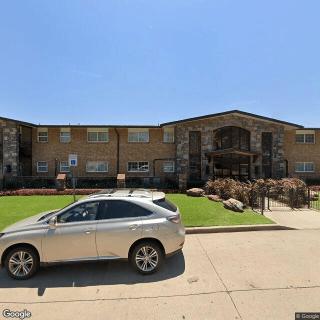

 Supportive Employee Benefits That Help Caregivers Attain Better Work-Life Harmony
 Top Cars for Senior Drivers and Essential Safety Innovations
 A Closer Look at Private Pay Home Care