
801 Highway 48 North, Holdenville, OK 74848
For more information about senior living options: (866) 208-4318
Heritage Village Nursing Home Costs & Pricing
Heritage Village Nursing Home presents a monthly cost of $6,000 for private rooms, which is notably higher than both the average costs in Seminole County at $4,398 and the state average of $4,618 in Oklahoma. This pricing reflects not only the facility's commitment to providing high-quality care and amenities but also its potential to offer a more personalized experience compared to other local options. While it stands above the regional market, many families may find value in the superior services and atmosphere that Heritage Village aims to provide for their residents.
| Floor plans | Heritage Village Nursing Home | Seminole County | Oklahoma |
|---|---|---|---|
| Private | $6,000 | $4,398 | $4,618 |
Overall Review of Heritage Village Nursing Home
Pros
 The facility is very nice and well maintained with a caring and friendly staff.
- They have been providing wonderful care for my grandmother.
- The staff has provided excellent care for my mother while in the skilled nursing part of the facility.
- The nurses are experienced and have the best interest of the patients.
- The techs do a great job and are very caring.
- The staff and management are outstanding at Heritage Village.
- Heritage Village has been very compassionate and responsive to her needs.
- The facility has wonderful staff and is extremely clean.
- It is the best nursing home in the state.
- The kitchen staff are the best part of the place; they are friendly, well maintained, and do the job to a T.
Cons
 The management is described as ignorant.
- The management is the problem, plain and simple.
- The main lady seems sexist.
- The owner's daughter makes a blonde look smart.
- The food is the one area that could be improved.
Review
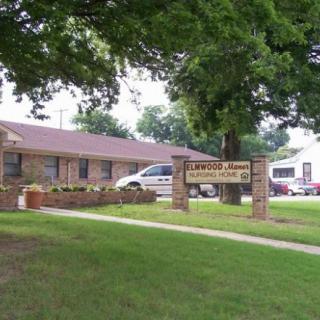
Heritage Village Nursing Home in Holdenville, Oklahoma, is best suited for families seeking a warm, socially engaging skilled-nursing environment where attentive staff and a clean, comfortable setting support everyday living. The strongest signal across accounts is a compassionate, responsive caregiving culture: residents are described as happy and engaged, with families noting secure, supportive routines and friendly interaction with nurses, aides, and activity staff. The facility’s upkeep is repeatedly praised, clean appearance, pleasant smell, and a well-maintained physical plant help residents feel at ease during transfers and daily activities. This combination tends to work well for seniors who need ongoing nursing support coupled with a community atmosphere that fosters social connectedness and regular staff contact. For families, that mix can translate into reliable daytime reassurance and a sense of peace of mind.
However, this community is not for everyone. The most consistent caveat in the feedback centers on administration and leadership. Several reviewers describe management as deficient or problematic, with one report calling leadership ignorant and another attributing sexist attitudes to a key administrator; such impressions inevitably shake trust in the facility’s ability to handle complex changes in care plans or emergencies. The dining experience is another area of mixed sentiment, with at least one review flagging room for improvement in the meals, while others tout kitchen staff as a bright spot. Families prioritizing transparent governance, proactive problem-solving from management, and uniformly high dining standards should look closely at alternatives where leadership and culinary quality are more consistently aligned.
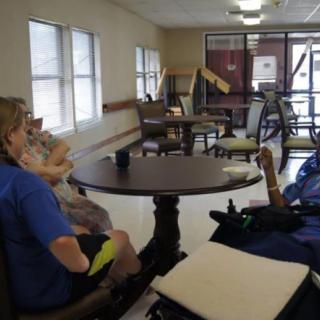
Even with those concerns, the key positives on the floor often outweigh the negatives for daily life. The nursing team is repeatedly praised for expertise, attentiveness, and genuine concern for patients' wellbeing. Techs are described as caring and capable, and the overall environment is noted as clean and well organized, which reduces confusion and enhances safety for residents who rely on staff assistance for mobility, hygiene, and medications. The social environment, the availability of activities and opportunities for interaction, helps mitigate isolation and promotes engagement, a critical factor for long-term residents. When viewed through the lens of day-to-day comfort, many families feel confident that their loved ones will be treated with respect, receive timely help, and enjoy a measure of normalcy in routines.
Yet the shadow cast by leadership concerns cannot be dismissed. In a setting where administrative responsiveness and consistent policies shape staffing and scheduling, questions about management can undermine confidence in the entire continuum of care. The discord between widely positive caregiver experiences and noted management weaknesses suggests a facility where frontline care remains solid, but higher-level oversight can be inconsistent. For families, this means potential variability in how quickly issues are escalated, how changes to care plans are communicated, or how staff morale translates into stable routines. The positive day-to-day care likely cushions these risks, but the uneven perception of management signals that some residents may endure fluctuations that complicate planning for evolving needs, especially when transitioning between skilled-nursing and daily living supports.
From a practical standpoint, dining quality emerges as a real but manageable variable. One reviewer found the food lacking, while another highlighted the kitchen staff as a standout element of the operation. That divergence points to a dining program that may depend on individual shifts, periodic menus, or the specific meal experience rather than a fixed standard. For a resident who places a high premium on meals as a quality-of-life driver, this is a factor to probe directly during tours: ask to sample a meal, request a review of typical menus, and inquire how dietary preferences are accommodated. The general consensus on cleanliness and the maintenance of common areas remains a solid positive, which matters for comfort, infection control, and daily routines. When meals align with preferences and the kitchen team consistently delivers, this facility’s appeal rises considerably.
In the end, Heritage Village Nursing Home presents a solid option for families prioritizing caring, attentive front-line staff, and a clean, socially engaging environment where residents feel secure. It is less ideal for families whose decision hinges on uniformly strong administrative leadership, predictable meal quality, and a fully cohesive governance culture. The evaluation should hinge on personal priorities: how much weight is given to day-to-day caregiving warmth versus leadership certainty; whether opportunities to socialize are essential; and how important dining satisfaction is to overall quality of life. Before deciding, prospective residents and families should engage directly with the administration to discuss care planning processes, request to tour the facility that includes meal service, and review any recent state surveys or inspection feedback. With those insights, the choice becomes clear: Heritage Village can be a dependable home for many, but alternatives may better align with stricter expectations of leadership and dining.
 118 resident community capacity
 Skilled Nursing Facility
 Air-conditioning
 Beauty salon
 Cable or satellite TV
 Computer center
 Dining room
 Fitness room
 Fully furnished
 Gaming room
 Garden
 Housekeeping services
 Kitchenette
 Move-in coordination
 Outdoor space
 Private bathrooms
 Restaurant-style dining
 Small library
 Telephone
 Wellness center
 Wi-Fi/high-speed internet available
 Community operated transportation
 12-16 hour nursing
 24-hour call system
 Activities of daily living assistance
 Assistance with bathing
 Assistance with dressing
 Assistance with transfers
 Diabetes diet
 Medication management
 Mental wellness program
 Special dietary restrictions
 Concierge services
 Planned day trips






 Financing Long-Term Nursing Home Care Through Social Security: A Thorough Exploration
 Essential Knowledge on Pneumonia in Older Adults
 Exploring Palliative Care in the Home: A Comprehensive Overview