
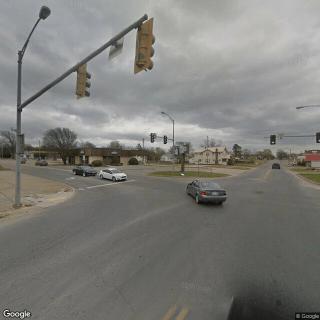
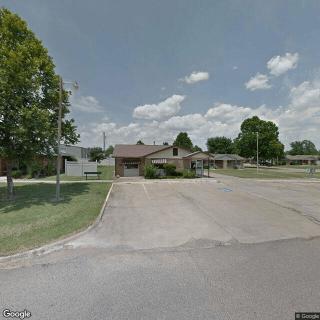
1400 West First Street, Wewoka, OK 74884
For more information about senior living options: (866) 208-4318
Overall Review of Wewoka Healthcare Center
Pros
 The nurses are amazing.
- Edward is the nicest man you’ll ever meet.
- Tina in housekeeping rocks.
- The dietician is awesome.
- Codi, Carol, and both Susans in corporate are pretty awesome.
- The DON is great and has improved a lot.
Cons
 The staff are awful and uncaring, with clear laziness on the job.
- Staff are rude and mean to residents, and family requests go unfulfilled.
- The administration is not clearly up to handling the drama that comes with this facility.
- The charge nurse is extremely rude and unprofessional and should not be in a care role.
- There are substantiated complaints from a state investigation, and a resident died there.
- The administrator pressured a family member to sign over income and refused to let them review documents.
- The food is gross and residents have not had showers for several days.
- The facility is not a good place; it’s nasty and unfit to live in, and zero stars would be warranted.
Review
Wewoka Healthcare Center is best suited for seniors who require attentive nursing oversight and are prepared to actively monitor care in a facility where the floor staff can be capable and compassionate, but where leadership and administrative consistency are not guaranteed. The strongest positives live on the front lines: nurses who deliver solid medical attention, a DON who has shown real improvement, and standout individuals in housekeeping and dietitian roles who contribute meaningfully to daily life. For families willing to engage, question, and verify, there is a foundation of care here that can meet medical needs and offer genuine caregiver warmth, if the surrounding administration cooperates and remains accountable.
The most reliable positives center on direct caregiving. When the nursing staff operates smoothly, residents benefit from competent medical monitoring and responsive bedside care, and the facility has examples of leadership that can steady a shift or a unit. The dietitian and a few other specific staff members also appear to provide value, and some administrators or corporate liaisons are described as helpful in certain contexts. This creates a cautious pathway for residents with moderate-to-complex needs who can tolerate fluctuating administrative support and who are ready to seek out the good actors on each shift.
Yet these strengths are consistently undercut by pervasive administrative and morale problems. Front-line frustration surfaces in routine interactions: reports of rude or unprofessional charge nurses, and a general sense that requests, no matter how reasonable, can be ignored or delayed. The atmosphere in the business and administration offices is described as tense and reactive, with warnings to guard finances, avoid miscommunications, and protect one’s own interests. Payroll and IT-like administrative glitches compound the frustration, contributing to a climate that undermines trust even when the nurses are doing their best.
Safety and quality concerns repeatedly appear in the reviews. There are substantiated state concerns and at least one account suggesting a resident’s death occurred soon after entry, underscoring the stakes for families weighing placement. The living conditions and daily experience also raise red flags: odors, inconsistent assistance, limited bathing or showers, and outdated or inadequate linens. Food quality is flagged as poor in multiple accounts, and the overall environment in some days feels chaotic rather than calm. Taken together, these factors significantly erode the sense of resident security and well-being, even when individual staffers shine.
From a decision-making standpoint, alternatives become compelling for families prioritizing reliability, transparency, and a consistently respectful environment. If the goal is steady administrative communication, predictable staffing patterns, and a proven track record of safety, and not just isolated acts of kindness from a few employees, shopping other communities is prudent. Prospective families should push for direct conversations with the DON, request current survey results and any corrective action plans, and seek transparency around staffing ratios, meal service standards, and the status of any formal complaints. A careful tour that includes meeting front-line nurses, the DON, housekeeping leadership, and the business office can illuminate whether the culture has truly shifted toward reliability.
In sum, Wewoka Healthcare Center offers meaningful nursing care and pockets of dedication that can support a resident’s medical needs. However, the persistent administration flaws, safety concerns, and inconsistent day-to-day experience outweigh the benefits for most families seeking a stable, well-managed senior living environment. This facility may be appropriate for a highly engaged family that can remain vigilant and advocate at every step, but many families will find substantial value in pursuing alternatives where the leadership and operational systems consistently align with high-quality resident care and transparent, respectful treatment.
 87 resident community capacity
 Skilled Nursing Facility
 Air-conditioning
 Beauty salon
 Cable or satellite TV
 Computer center
 Dining room
 Fitness room
 Fully furnished
 Gaming room
 Garden
 Housekeeping services
 Kitchenette
 Move-in coordination
 Outdoor space
 Private bathrooms
 Restaurant-style dining
 Small library
 Telephone
 Wellness center
 Wi-Fi/high-speed internet available
 Community operated transportation
 12-16 hour nursing
 24-hour call system
 Activities of daily living assistance
 Assistance with bathing
 Assistance with dressing
 Assistance with transfers
 Diabetes diet
 Medication management
 Mental wellness program
 Special dietary restrictions
 Concierge services
 Planned day trips



 Financing Long-Term Nursing Home Care Through Social Security: A Thorough Exploration
 Essential Knowledge on Pneumonia in Older Adults
 Exploring Palliative Care in the Home: A Comprehensive Overview