For more information about senior living options: (866) 208-4318
4 from 64 reviews
5 stars
38
4 stars
11
3 stars
3
2 stars
3
1 stars
9
Overall Review of Wilkins Health & Rehabilitation Community
common34 reviews mention this
Caregivers are described as compassionate
Residents and families describe caregivers who feel caring and attentive to daily needs.
Many reviews focus on kindness, compassion, and staff responsiveness, including regular updates and comfort-focused care. Several families say communication with staff and administration helped them feel supported, not left guessing. A few negative reviews stand out for reporting poor care or being rude, but the overall pattern still emphasizes attentive, respectful interactions.
differentiator3 reviews mention this
Rehab and therapy support progress
Rehabilitation therapy is repeatedly described as delivering meaningful progress and support.
Reviews mention physical therapy exceeding expectations and describe improvements after rehabilitation. One review specifically highlights speech-language services as part of the therapy department. Another resident and family describe a comfort-focused experience in rehab rather than feeling stuck in a rehab routine.
common3 reviews mention this
Activities keep residents engaged
Residents are described as staying involved through ongoing activities and celebrations.
Multiple reviews mention activities that keep residents engaged and happy, with celebrations and day-to-day programming that fits their interests. One family describes the impact of activities in reducing worry because it helped their loved one stay connected. The community also lists planned day trips and resident-run activities, aligning with the activity-focused praise in reviews.
common2 reviews mention this
Dementia care and hospice help
Families describe supportive care for dementia-related needs, including hospice assistance at the end of life.
One review describes a loved one who needed additional care due to Alzheimer’s or dementia. Another review mentions the memory care unit for dementia and notes patience with dementia symptoms, along with hospice care support when passing approached. Together, these accounts reflect that families saw specialized, compassionate support around cognitive decline and end-of-life transitions.
common3 reviews mention this
Facility is described as very clean
A clean, comfortable environment is a recurring part of residents’ and families’ feedback.
Several reviews directly call out cleanliness and describe the facility as well maintained and comfortable. Alongside those comments, families also use “home-like” language to describe the overall feel. This matches the community’s focus on housekeeping services and indoor common areas, which supports the type of day-to-day comfort people mention.
caveat2 reviews mention this
A few reports raise serious concerns
A small number of reviews report severe problems with care and staff behavior.
While most feedback is positive, two reviews describe major issues, including neglect and denial of needed care. Another review mentions medication being handled in a way they felt was excessive. These reports are important caveats because they describe experiences that differ sharply from the comfort- and communication-focused praise seen elsewhere.
How we summarize
Counts show how many written reviews mention each theme; a review can touch several themes, and only frequently mentioned themes are displayed.
Features
Housing
118 resident community capacity
Types of Care
Skilled Nursing Facility
Amenities
Air-conditioning
Beauty salon
Cable or satellite TV
Computer center
Dining room
Fitness room
Fully furnished
Gaming room
Garden
Housekeeping services
Kitchenette
Move-in coordination
Outdoor space
Private bathrooms
Restaurant-style dining
Small library
Telephone
Wellness center
Wi-Fi/high-speed internet available
Transportation
Community operated transportation
Transportation arrangement
Transportation arrangement (non-medical)
Transportation to doctors appointments
Care Services
12-16 hour nursing
24-hour call system
24-hour supervision
Activities of daily living assistance
Assistance with bathing
Assistance with dressing
Assistance with transfers
Diabetes diet
Meal preparation and service
Medication management
Mental wellness program
Special dietary restrictions
Dining
Diabetes diet
Special dietary restrictions
Activities
Community-sponsored activities
Concierge services
Fitness programs
Planned day trips
Resident-run activities
Scheduled daily activities
Nearby Places of Interest
Places of Worship
Stone Chapel Methodist Church (0.4 miles)
Highland Park Baptist Church (0.5 miles)
Faith Temple Pentecostal Church of God (0.6 miles)
Church Old Path Baptist (0.8 miles)
Christians Concerned (0.9 miles)
City Heights Baptist Church (1 miles)
The Well, a Ministry of FCC (1.1 miles)
Transportation
U-Haul (0.6 miles)
Alamo (1.1 miles)
Enterprise Rent-A-Car (1.1 miles)
U-Haul Neighborhood Dealer (1.3 miles)
Restaurants
Ron's Ice Cream & Deli (0.8 miles)
Tastee Freez (1.4 miles)
Tastees (1.5 miles)
La Taqueria (2.1 miles)
Subway (2.2 miles)
Green Burrito (2.3 miles)
Mazzios Italian Eatery (2.4 miles)
Physicians
Velma Regional Medical Clinic (1 miles)
Robert James Weedn (1.2 miles)
Oklahoma Heart Hospital (2.4 miles)
Crow Family Medicine Clinic (2.4 miles)
Duncan Women's Center (2.6 miles)
Duncan Surgical Specialist's (2.6 miles)
Healing Hands Family Medicine (2.6 miles)
Pharmacies
R & S Drugs (1 miles)
Walgreens (2 miles)
CVS Pharmacy (2.4 miles)
R & S Drug Stores #3 (2.5 miles)
Star Medical Center Pharmacy (2.7 miles)
Baker Express Pharmacy (2.8 miles)
Walmart Pharmacy (4 miles)
Parks
Jack Wininger Dog Park (1 miles)
Heritage Park Theater Duncan (1.1 miles)
Wichita Ridge Park (16.2 miles)
Kiowa Park Number 2 (17.3 miles)
Cafes
Viridian Coffee (1.3 miles)
Hospitals
Crimmins, Christopher Dr-Duncan Regional Hosp Urlgy (2.6 miles)
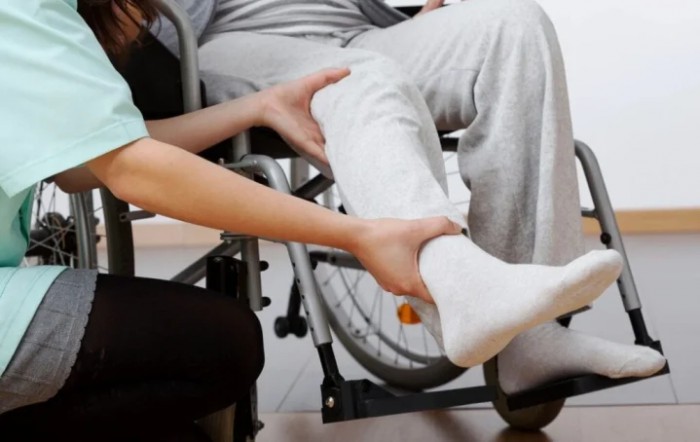
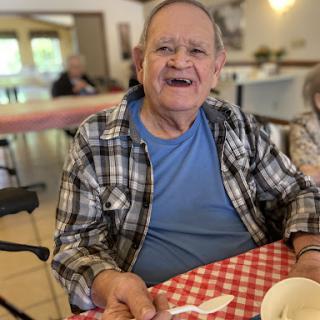
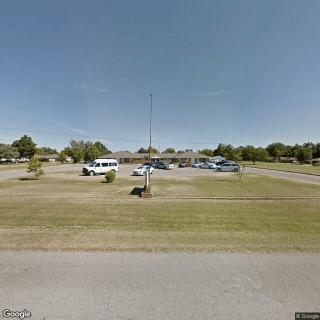
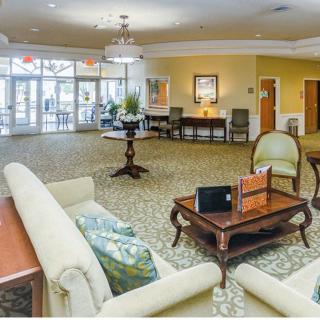
Wilkins Health & Rehabilitation Community on seniors.fyi includes 6 photos including images showing interior, healthcare, wheelchair, caregiver, rehabilitation, nurse, and more.
Nearby Communities
Wilkins Nursing Ctr
Duncan, OK
4 from 67 reviews
Compassionate, friendly staff and adaptable care.
Canoe Brook Assisted Living - Duncan
Duncan, OK
4.7 from 11 reviews
$2,250 to $3,350 / month
Clean, elegant setting with a convenient location and strong amenities.
Elk Crossing
Duncan, OK
4.1 from 11 reviews
Clean, well-managed facility with spacious rooms, good dining, and on-site amenities.
Chisholm Trail Assisted Living
Duncan, OK
4.8 from 4 reviews
$2,600 to $3,300 / month
All-inclusive pricing with attentive staff and home-style meals.
Country Club Care
Duncan, OK
3.3 from 4 reviews
Comprehensive on-site care and amenities (24/7 supervision, ADL support, dining, wellness programs, activities).
Duncan Care Ctr
Duncan, OK
4.1 from 119 reviews
Great access to dining, healthcare, transportation, and community amenities nearby.
Gregston Nursing Home
Marlow, OK
5 from 9 reviews
Caring, attentive staff with regular family updates and safe outdoor visits.
Marlow Manor Nursing Home
Marlow, OK
2.8 from 33 reviews
Clicker-based assistance system with potential for responsive care when staff are attentive.
Ten Oaks Place
Lawton, OK
4.1 from 129 reviews
$1,890 to $2,948 / month
Friendly staff, engaging activities, and a homey dining environment.
Fecal incontinence, prevalent among older adults, arises from factors like weakened pelvic muscles and nerve damage, significantly affecting well-being and social interactions. Diagnosis involves clinical evaluation and tests to inform tailored treatments, while caregivers and preventive measures can aid in managing the condition effectively.
Anticipatory grief is an emotional response to the impending loss of a loved one, characterized by complex emotions such as sadness and anger, and involves navigating stages similar to those identified by Kübler-Ross. Coping strategies are vital for managing this process, emphasizing compassionate communication, self-care, and support groups while recognizing the cultural influences on grieving.
Adult day care programs offer essential support and activities for older adults, yet many hesitate to participate due to concerns about independence and stigma. To alleviate these apprehensions, families should facilitate open discussions, explore financial resources, suggest trial visits, and collaborate with healthcare providers to highlight the benefits of such services for both the participants and their caregivers.
Get PricingAsk A QuestionSchedule A TourContact Senior Advisor
By clicking submit, you agree to our Partner's Terms of Use. You
also consent to receive calls and texts, which may be autodialed, from our Partner. Your consent is not a condition to
using our Partner's service. Please visit our Partner's Privacy Policy for information about their privacy practices.





 118 resident community capacity
 Skilled Nursing Facility
 Air-conditioning
 Beauty salon
 Cable or satellite TV
 Computer center
 Dining room
 Fitness room
 Fully furnished
 Gaming room
 Garden
 Housekeeping services
 Kitchenette
 Move-in coordination
 Outdoor space
 Private bathrooms
 Restaurant-style dining
 Small library
 Telephone
 Wellness center
 Wi-Fi/high-speed internet available
 Community operated transportation
 12-16 hour nursing
 24-hour call system
 Activities of daily living assistance
 Assistance with bathing
 Assistance with dressing
 Assistance with transfers
 Diabetes diet
 Medication management
 Mental wellness program
 Special dietary restrictions
 Concierge services
 Planned day trips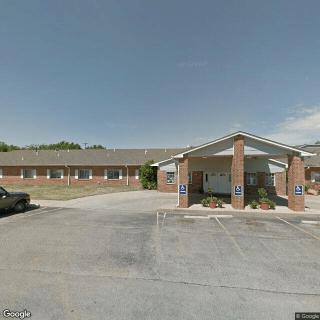
 Compassionate, friendly staff and adaptable care.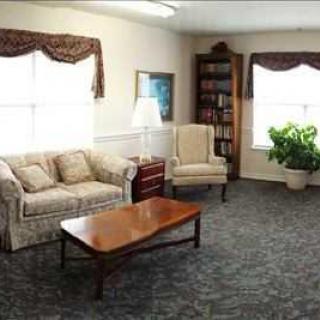



 Fecal Incontinence in Older Adults: A Comprehensive Guide
 Recognizing the Journey: Understanding and Navigating Anticipatory Grief
 Encouraging Participation in Adult Day Care: A Guide to Supporting a Hesitant Parent