

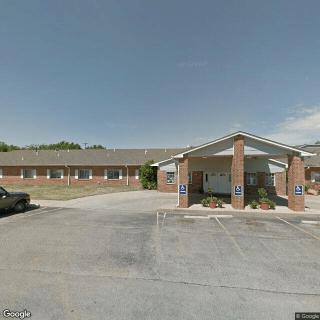
1904 North Highway 81, Duncan, OK 73533
For more information about senior living options: (866) 208-4318
Overall Review of Country Club Care
Pros
 It is a great nursing home.
Cons
 Country Club Care treats patients poorly.
- The facility is in great need of improvement and updating.
- The facility is old, dingy, and pathetic.
Review
Country Club Care in Duncan, OK is best suited for families seeking a practical, budget-conscious option that delivers essential nursing care in a modest, older facility. It works best when a resident’s needs are primarily basic daily care and supervision, with family members who can visit regularly to monitor progress and advocate on their loved one’s behalf. This community tends to fit households that prioritize proximity, affordability, and straightforward care over resort-style amenities or glossy surroundings. In short, it serves as a workable, no-frills choice for families who can manage oversight and aren’t chasing a pristine, modern environment.
Those who may want to consider alternatives are families with higher expectations for safety, staffing consistency, or contemporary facilities. If a loved one requires highly proactive, always-on care, or if the goal is a modern setting with up-to-date infrastructure, other communities are likely a better fit. A notable caveat here is the mixed feedback from residents and families: concerns about treatment and the overall maintenance of the building point to potential risk if ongoing vigilance isn’t maintained. Prospective buyers should weigh the possibility of inconsistent experiences and balance that against the costs and location.
On the upside, some reviewers describe Country Club Care as a “great nursing home,” signaling that when the right staff are present, residents receive attentive, hands-on care. The positive experiences imply that the caregiving team can deliver solid daily routines, medication assistance, and companionship that residents rely on. For families who can rely on steady, engaged staff during daytime and who can supplement care with consistent visits, the core nursing functions may meet expectations. The facility’s smaller scale can also translate into a more personalized touch when staffing levels cooperate, which is an important leverage point for delivering dependable daily support.
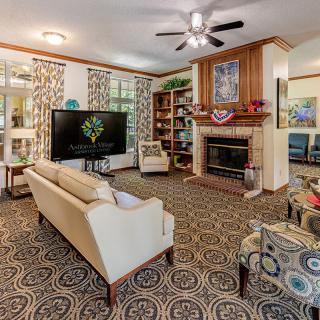
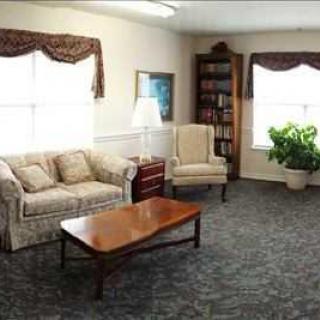
The main drawbacks are equally tangible. The building is described as old, dingy, and overdue for updates, which can affect resident comfort, dignity, and overall satisfaction. A few reviewers have raised explicit concerns about how residents are treated, and the overall rating sits modestly at 3.3 stars from four reviews. These signals point to real variation in experiences, some families report strong care, while others encounter troubling concerns. The combination of aging infrastructure and mixed personal interactions creates a landscape where care quality can be uneven, and that instability can erode trust if not actively managed.
How the positives can offset the negatives depends on proactive family involvement and the facility’s ability to respond to concerns. The presence of capable staff in favorable reviews shows that, with stable leadership and consistent staffing, residents can receive reliable care even in an older building. Families who are diligent about monitoring care plans, speaking up quickly when issues arise, and coordinating with administrators may cushion the impact of environmental limitations. However, the risk remains that a loved one could experience episodes of neglect or dissatisfaction if oversight lapses or staffing gaps occur, particularly during off-peak shifts.
For a concrete decision path, approach the community with a focused gathering of information. Schedule a tour and ask to observe a shift change, request details on staffing ratios and turnover, and review the latest state survey findings. Inquire about care planning processes, medication management, and how daily activities are organized for residents with varying needs. If available, speak with current families about their experiences over a longer period and probe for specifics about safety, cleanliness, and responsiveness. If the answers point to consistent, well-supported care and a plan to address infrastructure concerns, Country Club Care can be a reasonable, budget-conscious option. If not, families should confidently explore alternatives that offer stronger safety records and more modern environments.
 104 resident community capacity
 Assisted Living
 Skilled Nursing Facility
 Activities on-site
 Air-conditioning
 Beauty salon
 Cable or satellite TV
 Computer center
 Devotional services off-site
 Dining room
 Fitness room
 Fully furnished
 Gaming room
 Garden
 Housekeeping services
 Indoor common areas
 Kitchenette
 Move-in coordination
 Outdoor space
 Private bathrooms
 Restaurant-style dining
 Small library
 Telephone
 Wellness center
 Wi-Fi/high-speed internet available
 Community operated transportation
 12-16 hour nursing
 24-hour call system
 Ambulatory care
 Assistance with bathing
 Assistance with dressing
 Assistance with transfers
 Diabetes diet
 Diabetic care
 Medication management
 Mental wellness program
 Special dietary restrictions
 Concierge services
 Planned day trips





 When to Transition from Assisted Living to Memory Care: Key Indicators, Steps, and Finding the Right Community
 Assisted Living and Memory Care: Understanding Their Core Differences
 Beyond the Bingo Hall: 50+ Enriching Activities for Seniors in Assisted Living