
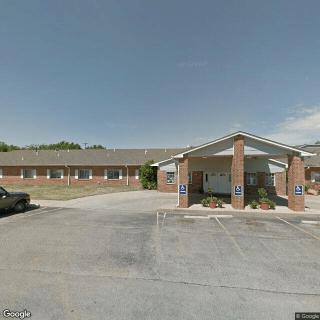
811 West Elk, Duncan, OK 73533
For more information about senior living options: (866) 208-4318
Overall Review of Elk Crossing
Pros
 It is a wonderful place.
- The people there are very sweet.
- Elk Crossing is efficient, well managed, helpful, and professional.
- The facility is very clean.
- The rooms are very nice and very spacious.
- The nursing and administrative staff are top notch.
- The mom loves Elk Crossing.
Cons
 The reviewer experienced racism at the facility and says it is taking a toll on their mental health and anxiety; they do not recommend the place.
- The facility felt cold and more like a business than a home, despite being clean.
- The reviewer stated that the facility is not safe.
Review
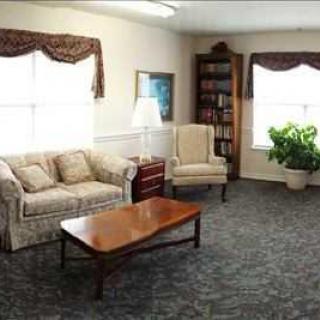
This community is best suited for families seeking a modern, professionally run environment with a clear continuum of care, where cleanliness, efficient management, and strong clinical staffing are the top priorities. Elk Crossing often appeals to families planning a rehab-to-nursing trajectory, because multiple accounts praise the facility’s up-to-date, well‑kept grounds, spacious rooms, and reliable nursing and administrative teams. It is a place where the day-to-day operations run smoothly, where meals are a recognized strength, and where amenities such as a chapel, beauty shop, exercise area, and social spaces are readily available. For seniors whose needs center on structured care, dependable staffing, and a facility that presents itself as orderly and capable, Elk Crossing stands out as a practical choice.
That said, this is not the option for everyone. Alternatives may be worth considering for families prioritizing a warmer, more home-like atmosphere and a culture of inclusivity and attentive interpersonal care. Several reviews raise red flags about the social climate, including strong concerns about discrimination and safety. For elders who place a premium on feeling consistently welcomed, respected, and culturally safe, the potential for a cold, businesslike vibe and the specter of discriminatory behavior makes alternative communities worth exploring. In other words, Elk Crossing can be an excellent fit for those who value efficiency and clinical reliability, but it may not align with the needs of families seeking a more intimate, homelike environment.
The strongest pros here are concrete and well-supported: cleanliness and modernity, with rooms that are spacious and include private restrooms, though not every room has a full bath. The facility’s efficiency and professional poise come through in the nursing and administrative staff, who are repeatedly described as top notch, well managed, and helpful. The physical plant earns praise for being up to date, clean, and visually appealing, while amenities, such as a capable kitchen with a solid menu, a chapel, a beauty shop, and an exercise area, enhance daily living and senior engagement. For families navigating rehab or extended-care needs, the consistency of care and the ability to project a reliable routine are meaningful advantages that offset the tangible comforts of the living spaces and the breadth of offerings.
Yet the main cons cannot be dismissed, and they resonate deeply in decision-making. The most troubling threads center on perceived social climate: one account explicitly cites racism and a toll on mental health, casting doubt on safety and trust. Even among positive testimonials, the feel of the place being more “businesslike” than warmly homelike appears repeatedly, suggesting a cultural gap between administrative efficiency and everyday emotional warmth. Another practical deterrent is the lack of a bath in many rooms, a detail that matters for residents with mobility or safety concerns who expect more comprehensive in-room facilities. Taken together, these factors challenge Elk Crossing’s appeal to families whose top criteria include a consistently inclusive, nurturing atmosphere and a sense that the space truly feels like home.
How the pros offset the cons depends on priority. For families prioritizing clinical reliability, strong staffing, and predictable routines, the positives, cleanliness, modern infrastructure, and robust rehab-to-nursing potential, offer real, tangible value that can justify a commitment, particularly when the elder’s plan centers on ongoing medical or rehabilitative needs. The amenities further support independent activity and social engagement, which matters for quality of life. However, the negative signals, especially concerns about discrimination and a perceived cold culture, can erode trust and security, which are nonnegotiable for many families. In short, Elk Crossing delivers on operational excellence and practical care, but it may fall short for those who require a consistently warm, inclusive, and homelike atmosphere.
Decision guidance is straightforward. Prospective families should visit with an exact checklist in hand: assess not only the clinical care capabilities but also the atmosphere and staff interactions across shifts; request current references and ask specific questions about anti-discrimination training and culture, resident rights protections, and how concerns are escalated and resolved. Inquire about room configurations, bathing options, and how the rehab-to-nursing pathway is structured, including lengths of stay, discharge planning, and post-acute support. Observe common areas for warmth and resident engagement, and evaluate how meals and activities feel in practice. Finally, compare Elk Crossing against other local options not only on amenities and care quality, but on the felt sense of inclusion, safety, and being treated with dignity.
The takeaway is clear. Elk Crossing functions as a solid, capable option for families that prize professional management, clean and modern facilities, and a well-supported clinical pathway. It is less ideal for those who cannot tolerate reports of discriminatory behavior or who require a consistently home-like, emotionally supportive environment. The decision hinges on the elder’s anticipated care needs and the family’s nonnegotiables: medical reliability and a polished operation versus warmth, cultural safety, and a sense of belonging. With careful vetting and direct conversation with leadership about culture and resident experience, families can determine whether Elk Crossing will be a trustworthy home or a reason to explore alternative communities that align more closely with their values and expectations.
 120 resident community capacity
 Skilled Nursing Facility
 Air-conditioning
 Beauty salon
 Cable or satellite TV
 Computer center
 Dining room
 Fitness room
 Fully furnished
 Gaming room
 Garden
 Housekeeping services
 Kitchenette
 Move-in coordination
 Outdoor space
 Private bathrooms
 Restaurant-style dining
 Small library
 Telephone
 Wellness center
 Wi-Fi/high-speed internet available
 Community operated transportation
 12-16 hour nursing
 24-hour call system
 Activities of daily living assistance
 Assistance with bathing
 Assistance with dressing
 Assistance with transfers
 Diabetes diet
 Medication management
 Mental wellness program
 Special dietary restrictions
 Concierge services
 Planned day trips





 8 Essential Assistive Devices for Older Adults
 Navigating the Financial Road to Nursing Home Care: In-Depth Guidance and Resources
 Supportive Employee Benefits That Help Caregivers Attain Better Work-Life Harmony