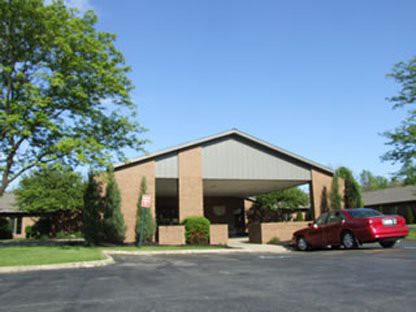


5291 Ashley Circle, Youngstown, OH 44515
For more information about senior living options: (866) 208-4318
Overall Review of Briarfield At Ashley Circle
Pros
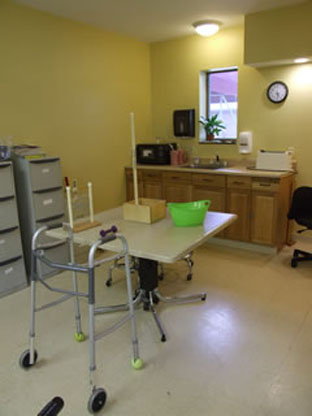
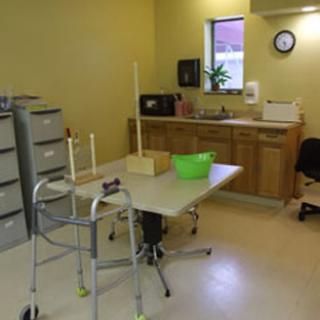
 The OT and PT staff are top notch.
- Most of the staff are good at their jobs.
- The staff, nurses, and aides are great and very caring.
- They would highly recommend this facility to others for their loved ones.
- The staff are wonderful, caring, polite, nice, and amazing.
- The hard-working staff are appreciated and deserve to be paid more.
Cons
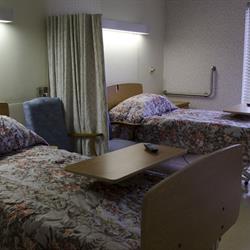
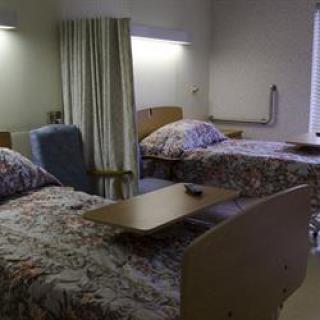
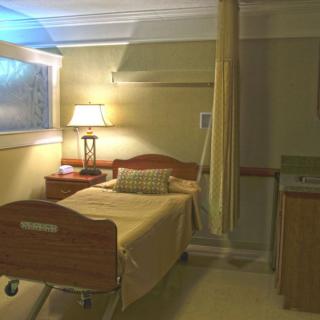
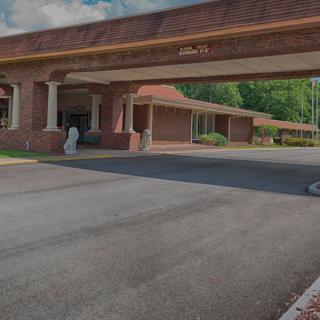
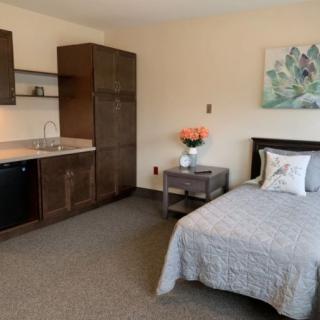
 The facility needs some major updates.
- The social worker is ineffective at her job and very hard to communicate with.
- Care during this visit was not good, and the reviewer is trying to transfer out.
- The facility has a urine smell on entry, suggesting residents aren’t being cared for in a timely manner.
- Staff enter rooms without knocking or introducing themselves, which feels intrusive.
- The activity coordinator was unprofessional and unpleasant.
- The facility is dirty and residents sometimes lack basic care, like water or clean sheets.
- The food was horrible.
- Residents are neglected and elder abuse is real there.
- Medications are not properly handled; a nurse didn’t know whether a patient was receiving their diabetes meds and never followed up.
Review
Briarfield At Ashley Circle is best suited for families pursuing a rehab-leaning care path where skilled therapy services and engaged direct-care staff are valued, and where a strong advocate at the resident’s side can help balance day-to-day gaps. The facility has credible OT and PT teams and a number of aides and nurses who genuinely care, making it a workable option for short- to mid-term post-acute stays when rehabilitation progress and daily attentiveness are the primary criteria. In short, it tends to satisfy families that prioritize rehabilitation momentum and personal warmth, provided there is a steady, active family or representative involved.
Those who should consider alternatives are families prioritizing consistent daily care, top-to-bottom cleanliness, and reliable day-to-day communication. Several reviews highlight significant risks around basic safety and daily routines, including delayed responses to call buttons, abrupt entry without introductions, and discrepancies in how residents are treated or monitored. If a resident requires a consistently calm, well-structured environment with transparent governance and predictable staffing, Briarfield may fall short. For anyone highly sensitive to odors, hygiene lapses, or food quality, a stricter standard of facility operation is likely found elsewhere.
On the positive side, the standout capability lies in rehabilitation. The OT and PT teams are repeatedly described as high-quality, with therapists and aides who can help residents regain function and mobility. When staff members like Greg, Sam, or the dedicated therapy team are on duty, families report genuine warmth, clear communication, and a sense that their loved one is being worked with rather than just watched. These strengths show up as meaningful, real-world gains for residents who can participate in structured rehab and who have a reliable support network at the bedside.
The most troubling themes revolve around consistency and care culture. Several reviews describe pervasive cleanliness and odor concerns, with accounts of rooms not meeting basic hygiene expectations, mildew or stale smells, and inadequate assistance with essential needs. Recurrent incidents include residents not being attended to promptly, insufficient water or supplies, and a lack of door etiquette, staff entering rooms without knocking or introducing themselves. Food quality and meal variety are also points of contention for some families, alongside reports of limited accessibility to medications or unclear medication administration. Together, these issues undermine trust and safety and cast a long shadow over the rehabilitation gains.
How the positives can offset the negatives depends on how care is operationalized day-to-day. If a resident can rely on a stable rehab program, responsive therapists, and a compassionate bedside team, the facility’s strengths can translate into tangible improvements in function and mood. However, the gaps in daily care, communication, and environmental upkeep create a fragile balance: even excellent therapy may be undercut by inconsistent staffing, slow response times, or unaddressed hygiene concerns. For families, the logic is to assess whether the rehab potential justifies the risk of ongoing daily fragility, and to plan for active involvement, frequent check-ins, and a clear escalation path when issues arise.
In the end, Briarfield At Ashley Circle is not a one-size-fits-all choice. It rewards those who value strong rehab services and a handful of devoted staff with the willingness to supervise and advocate for their loved one. It cautions families who require reliable daily operations, pristine surroundings, and consistently respectful, communicative care that this community may not meet those expectations across every shift. Prospective buyers should insist on detailed, written care plans, request to meet the DON and the primary nursing team, arrange a trial period if possible, and verify how concerns are tracked and resolved. If the balance tips toward safety, cleanliness, and dependable daily care, exploring alternatives with a steadier track record becomes a prudent next move.
 98 resident community capacity
 Skilled Nursing Facility
 Air-conditioning
 Beauty salon
 Cable or satellite TV
 Computer center
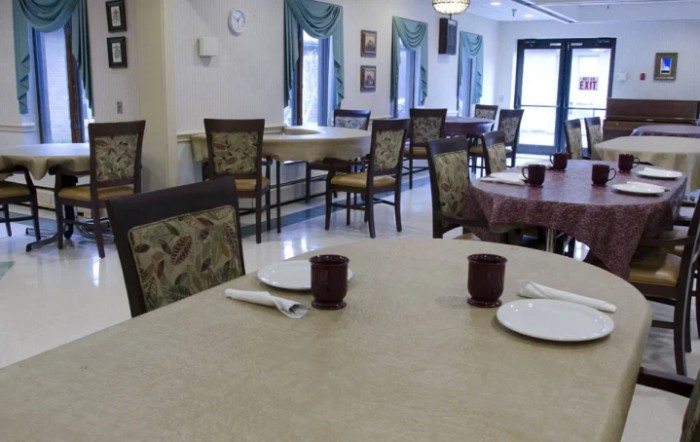
 Dining room
 Fitness room
 Fully furnished
 Gaming room
 Garden
 Housekeeping services
 Kitchenette
 Move-in coordination
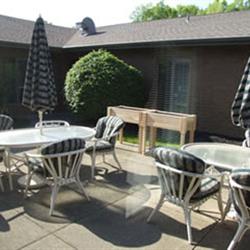
 Outdoor space
 Private bathrooms
 Restaurant-style dining
 Small library
 Telephone
 Wellness center
 Wi-Fi/high-speed internet available
 Community operated transportation
 12-16 hour nursing
 24-hour call system
 Activities of daily living assistance
 Assistance with bathing
 Assistance with dressing
 Assistance with transfers
 Diabetes diet
 Medication management
 Mental wellness program
 Special dietary restrictions
 Concierge services
 Planned day trips



 Comprehensive Insights into Palliative Home Care: What It Is and What to Expect
 Skilled Nursing Facilities vs. Nursing Homes: Making Sense of the Differences
 A Detailed Examination of Nursing Home Costs Across the U.S.