
1649 Park Road, Woodstock, OH 43084
For more information about senior living options: (866) 208-4318
Spring Meadows Costs & Pricing
Spring Meadows presents a range of costs that are notably higher than both Union County and the broader state of Ohio for various room types. For instance, the monthly fee for a one-bedroom unit ranges from $5,320 to $6,190, significantly exceeding Union County's average of $4,042 and Ohio's state average of $3,712. Similarly, two-bedroom accommodations at Spring Meadows cost between $6,825 and $8,750, while Union County averages just $3,442 and Ohio slightly higher at $3,501. The semi-private room option at Spring Meadows is priced at $8,955 - again surpassing Union County's cost of $4,531 and Ohio's rate of $3,965. Lastly, private rooms command a premium at Spring Meadows with a price tag of $9,860 compared to Union County's $8,523 and Ohio's more affordable average of $4,771. These figures suggest that while Spring Meadows may offer enhanced services or amenities justifying the higher costs, prospective residents should carefully consider their budgetary constraints in relation to these higher price points.
| Floor plans | Spring Meadows | Union County | Ohio |
|---|---|---|---|
| 1 Bedroom | $5,320 to $6,190 | $4,042 | $3,712 |
| 2 Bedrooms | $6,825 to $8,750 | $3,442 | $3,501 |
| Semi-Private | $8,955 | $4,531 | $3,965 |
| Private | $9,860 | $8,523 | $4,771 |
Overall Review of Spring Meadows
Pros
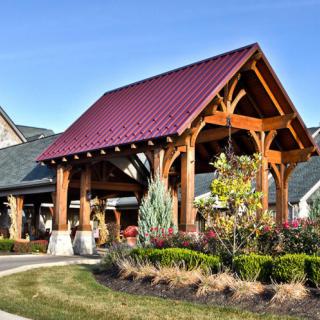
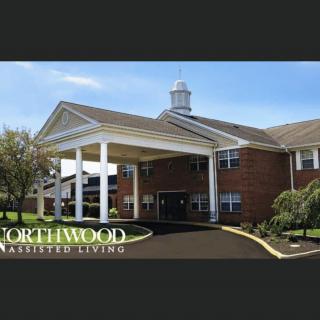
 Spring Meadows Care Center is a small facility with a lot of character.
- The staff cares about the residents and building and works hard to care for the residents the best they can, focusing on what is best for the residents.
- The team is easy to work with and welcomes anyone coming through the door.
Cons
 The place is terrible.
- The roof is literally caving in.
- The administration is a joke.
- The facility's continued operation is in doubt.
Review
Spring Meadows in Woodstock is best suited for families seeking a small, home-like setting where staff know residents personally and family involvement is readily welcomed. The community’s standout strength is its intimate scale combined with a resident-centered approach: a team that appears committed to caring for individuals and prioritizing what matters to residents, not just the routine metrics of care. This environment tends to reward those who value easy access, open lines of communication, and relationships that feel less transactional than in larger campuses. For seniors who want a place where staff familiarity translates into quicker responsiveness and a sense of belonging, Spring Meadows can be a good fit.
That said, there are clear reasons some families may want to consider alternatives. A few reviewers flag serious concerns about the facility’s structural condition and overall governance. One account describes a roof problem and questions about administration’s competence, suggesting possible gaps in safety and accountability. While other reviews highlight the warmth and dedication of staff, the contrast between praise for care and worries about infrastructure creates a real ambiguity. For seniors with higher medical or safety needs, or for those who prioritize a consistently impeccable physical plant, healthier options with stronger ongoing maintenance and control systems may be preferable.
The positive attributes do offer meaningful offsets to the downsides, but only if the concerns are promptly acknowledged and actively managed. A small, close-knit setting tends to yield more attentive, hands-on care; staff can monitor residents closely, tailor routines, and engage family members without bureaucratic friction. The “character” of the building and the ability to welcome visitors without the friction often found in larger campuses can bolster quality of life, especially for residents who thrive on familiarity and regular human contact. In short, the strengths matter deeply for daily experience and personal connection, which can temper some structural anxieties when maintenance is consistent and safety protocols are clear.
However, the seriousness of the reported maintenance and administration issues cannot be dismissed. Aging infrastructure, potential water intrusion or roof problems, and questions about how swiftly problems are resolved are red flags for anyone weighing long-term placement. These factors directly impact safety, resident comfort, and the ability to maintain an environment that meets evolving care needs. The best-use scenario hinges on verifying current conditions: recent inspections, the status of any outstanding repairs, and a transparent plan for ongoing upkeep. Without that clarity, the apparent gap between resident care quality and facility condition becomes too wide to ignore.
Practical next steps for families facing a decision include a focused site visit with a notepad ready to document both care interactions and the physical plant. Ask for the latest floor plans, staffing ratios by shift, and concrete examples of how maintenance issues are tracked and resolved. Request copies of the most recent inspection reports, any corrective action plans, and a timeline for outstanding repairs. Inquire about safety features, emergency response drills, and how the administration communicates concerns to families. If memory care or higher-level medical oversight is needed, verify the availability and quality of those programs on site. This diligence helps translate impressions from a casual tour into a reliable forecast of daily life.
In conclusion, Spring Meadows offers a compelling blend of personal attention and a warm, neighborly atmosphere that can significantly enhance daily living for residents who thrive on familiarity and direct caregiver relationships. The caveat is a legitimate concern about infrastructure and administrative effectiveness that warrants visible, verifiable remediation and sustained accountability. For families prioritizing a pristine physical plant and unwavering governance, alternatives with stronger maintenance records may be more appropriate. For others who can corroborate good maintenance practices and feel confident in administration after a thorough check, this community can deliver a meaningful, dignified, and engaged living experience that aligns with deeply personal caregiving goals.
 42 resident community capacity
 Skilled Nursing Facility
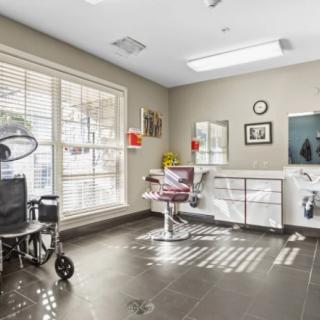
 Beauty salon
 Cable or satellite TV
 Dining room
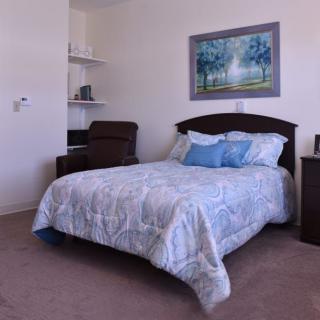
 Fully furnished
 Garden
 Housekeeping services
 Kitchenette
 Move-in coordination
 Outdoor space
 Restaurant-style dining
 Small library
 Telephone
 Wi-Fi/high-speed internet available
 24-hour call system
 Activities of daily living assistance
 Assistance with bathing
 Assistance with dressing
 Assistance with transfers
 Diabetes diet
 Medication management
 Mental wellness program
 Special dietary restrictions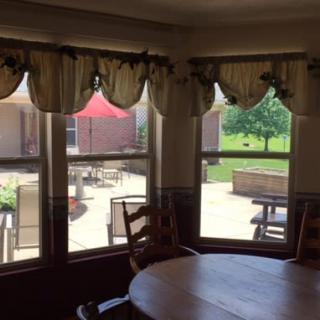


 California's Form 602A: An In-Depth Examination of Senior Care Assessment
 Comprehensive Look at Senior Blood Pressure Charts: Normal and Elevated Levels by Age
 Top Canine Companions for Older Adults