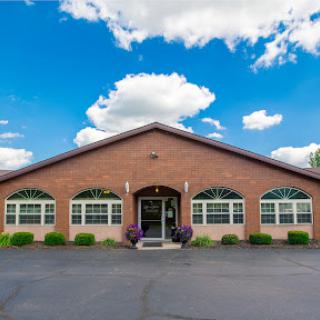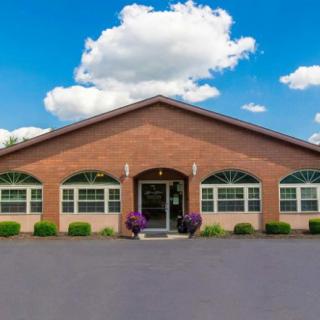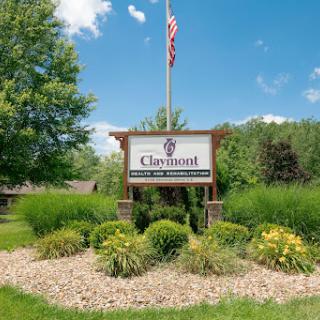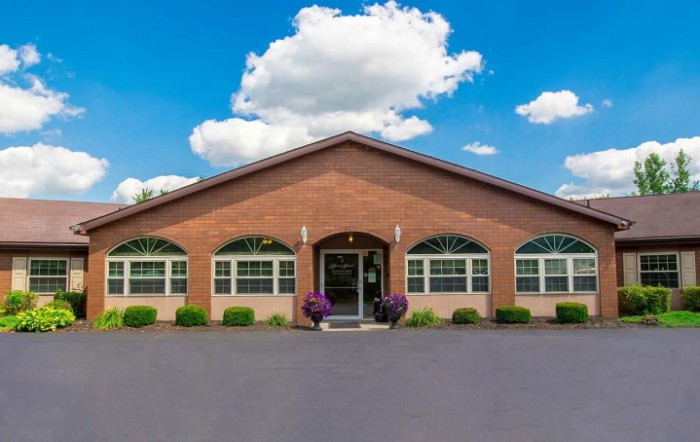
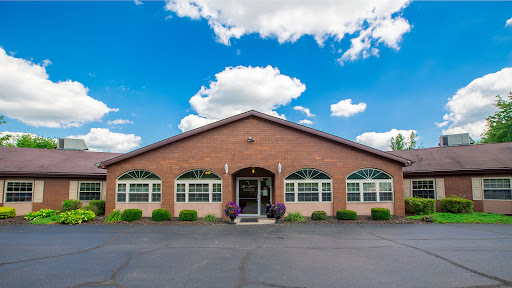
5166 Spanson Drive Se, Uhrichsville, OH 44683
For more information about senior living options: (866) 208-4318
Overall Review of Claymont Nursing & Rehabilitation Center
Pros
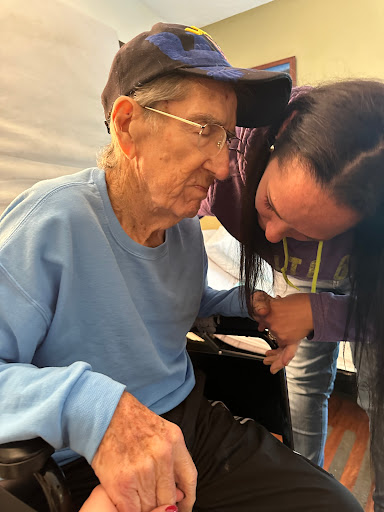
 The staff took good care of residents and made them feel welcome.
- Residents receive wonderful care, with staff who are pleasant and attentive.
- Families describe Claymont as a home away from home due to the warm, caring staff.
- The activities director is wonderful, organizing engaging games, crafts, and activities for patients.
- The nursing staff are outstanding, keeping residents clean and treated like family.
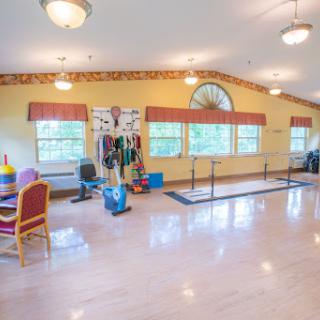
- Rehab services helped loved ones return home, with excellent staff support.
- Meals are good and staff consistently tend to residents’ needs.
- The facility is praised as a wonderful place to receive care, with smiles, kindness, and compassion from all staff.
Cons
 One reviewer would give zero stars and would not recommend this facility.
- The management was described as terrible, with employees treated like slaves and objects, and multiple state violations.
- A reviewer warned that this would be the place for people who truly hate their parents, citing rude and disrespectful staff.
- The staff were described as rude, disrespectful, and uncaring about residents’ needs or feelings, including hanging up on callers.
- Critics said the facility crams two beds into closet-sized rooms, which is unacceptable.
- The overall experience was labeled a nightmare due to uncooperative staff and a lack of information.
- Family members reported being ignored and not given information, feeling the staff only cared about filling beds.
- There were reports of neglect, such as residents not receiving baths for weeks.
Review
Claymont Nursing & Rehabilitation Center in Uhrichsville is best suited for families seeking a warm, relationship-driven skilled-nursing environment where caregivers cultivate genuine rapport with residents. The facility tends to shine for those needing long-term care or post-acute rehab and places a premium on personal attention, compassionate bedside care, and a home-like vibe. When families want staff who remember names, greet with a smile, and treat the resident as part of the family, Claymont frequently delivers. The strongest endorsements come from residents and families who emphasize the nursing team’s kindness, the generosity of the aides, and the sense that care is anchored in human connection as much as clinical skill.
Those who should consider alternatives are families that prioritize flawless operational discipline and unyielding, transparent communication. Several reviews flag concerns around management and administrative responsiveness, including difficulty getting timely information or feeling shut out during critical updates. If steady, proactive family communication, consistent adherence to policy, and a consistently professional management style are nonnegotiable, it pays to compare other options. Likewise, if room size and facility layout are deciding factors, particularly for those overseeing mobility constraints or preferences for more spacious accommodations, alternative communities with different census and room configurations may be a better fit.
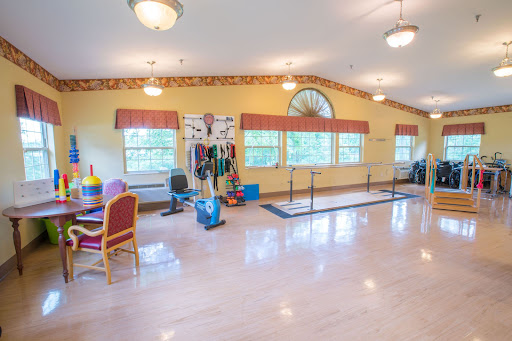
On the pro side, the facility consistently earns praise for its direct clinical care. Instances abound of staff who are described as attentive, patient, and skilled, with many residents recovering well from surgeries and regaining independence through solid rehabilitation programs. Families frequently recount moments of staff going “above and beyond” to support both residents and their relatives, and the care teams are repeatedly credited with maintaining cleanliness, dignity, and a sense of familial warmth. The rehab staff in particular is cited as a practical driver of progress, and the presence of a dedicated activities professional, though it can vary over time, adds a tangible sense of engagement and daily purpose for residents.
Yet the strongest pros do not fully neutralize the main cons seen in a portion of the experiences. Management and communications shortcomings undermine otherwise solid care. There are multiple accounts of disconnects between families and leadership, including delays in getting information, limited avenues for family input, and reports of staff shortages or organizational friction that trickle down to everyday interactions. A subset of reviews also raises concerns about staff morale and consistency, with descriptions of high turnover or strained managerial oversight impacting the reliability of routine tasks like bathing schedules or timely updates. The result is a coexistence of excellent bedside care and uneven administrative continuity.
The practical takeaway is clear: Claymont can deliver excellent resident care when the clinical team is supported by steady, responsive leadership and transparent family communication. For families navigating rehabilitation after surgery, the combination of competent nursing, genuine caregiver warmth, and a homey atmosphere can accelerate comfort and recovery, turning a challenging period into a more manageable process. For long-term residents, the same attributes translate into a stable, trusting environment where relationships between residents, families, and staff become a core asset. When administrative consistency and open lines of communication are present, the positives far outweigh the negatives.
In deciding, families should conduct a structured due diligence before committing. Visit with the goal of assessing not just the floor care, but the administrative heartbeat: who will be your primary point of contact, how often should updates be expected, and what channels exist for rapid communication during emergencies or changes in a resident’s condition. Request a candid talk with both front-office leadership and the director of nursing to gauge responsiveness and problem-solving style. Review state inspection reports and current staffing patterns, and speak with multiple families about their ongoing experiences. Claymont is a strong match for those who prize compassionate, consistent bedside care and a genuine, home-like culture; for others who require ironclad governance, rigorous, unambiguous communication, and fewer organizational bumps, exploring a few alternative communities is a prudent plan.
 60 resident community capacity
 Skilled Nursing Facility
 Air-conditioning
 Beauty salon
 Cable or satellite TV
 Computer center
 Dining room
 Fitness room
 Fully furnished
 Gaming room
 Garden
 Housekeeping services
 Kitchenette
 Move-in coordination
 Outdoor space
 Private bathrooms
 Restaurant-style dining
 Small library
 Telephone
 Wellness center
 Wi-Fi/high-speed internet available
 Community operated transportation
 12-16 hour nursing
 24-hour call system
 Activities of daily living assistance
 Assistance with bathing
 Assistance with dressing
 Assistance with transfers
 Diabetes diet
 Medication management
 Mental wellness program
 Special dietary restrictions
 Concierge services
 Planned day trips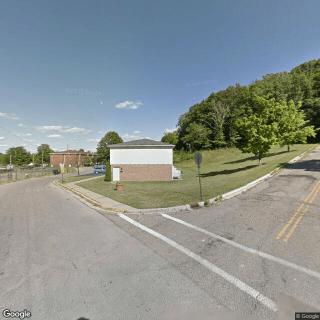




 Understanding the Full Cost of 24/7 In-Home Care: A Detailed Overview
 Exploring the World of Home Health Nurses: Qualifications, Roles, and Hiring Tips
 Navigating Medicare Coverage for In-Home Care Services