
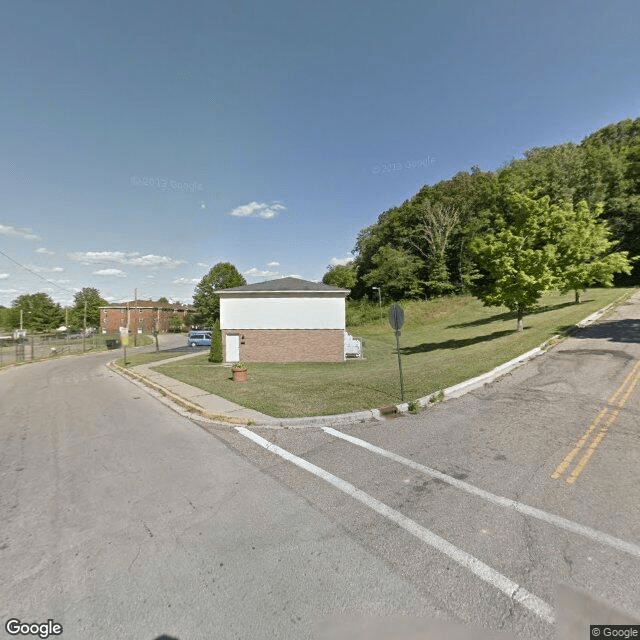
1000 Claymont Dr, Uhrichsville, OH 44683
To contact a resident: (740) 922-5307
For more information about senior living options: (866) 208-4318
Overall Review of Jaycee Village
Pros
 The staff, including office workers, maintenance team, and especially the janitor Elmer, are very nice and helpful.
- The other tenants are described as good people.
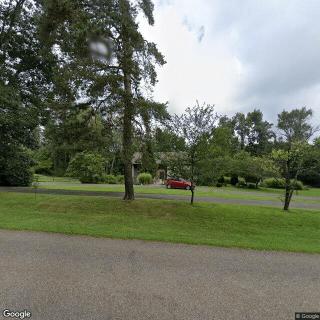
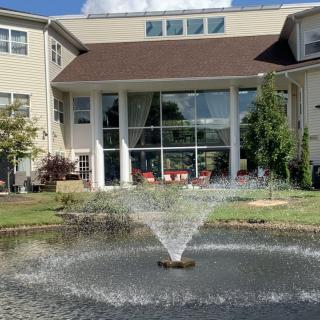
- The location is nice and quiet, with an almost mountain-view feel.
- Some residents note that moving in has been a great experience.
Cons
 They waited months for a housing decision after applying in March, only to receive a response on the last day of September with just two days to reply.
- They were told a two-bedroom was available, but later found it wasn't and that they don’t qualify.
- They should avoid this property and any other property owned by the Jaycees at all costs.
- The reception staff are very rude and the management is incompetent.
- The place is awful and can financially cripple residents; there is mold in the AC and the staff doesn’t care.
- The area is plagued by drugs, cops are always present but do nothing, and the place is short-staffed, making issue resolution difficult; moving out can cost about 30%.
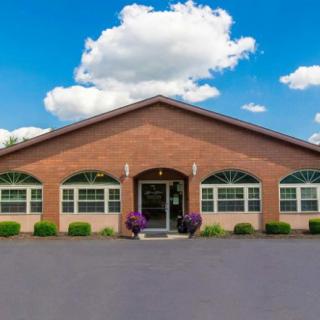
- The property is in disrepair both outside and inside, and there is a stigma that shames residents in the town for living there.
Review
Jaycee Village in Uhrichsville is best suited for independent seniors who want a quiet, small-town setting and can tolerate slower, less predictable administrative processes. The on-site team can be friendly and attentive on a day-to-day basis, and several residents note a simple, neighborly atmosphere with a mountain-view ambiance. This community rewards residents who approach living there with patience and a willingness to work through occasional bureaucratic friction. It is not a fit for those who require rapid decision-making, consistent, results-driven management, or robust accessibility features baked into the initial plan.
Those considering alternatives should weigh the realities of a community that has documented gaps in communication, accessibility, and accountability. Prospective movers who need timely housing decisions, ADA-compliant units, or clearly defined, written processes will likely find this a rough fit. Families and individuals who insist on transparent pricing, predictable lease terms, and responsive leadership will want to explore other options before committing. In short, a person seeking a straightforward, well-run operation with minimal bureaucratic hurdles should look elsewhere.
On the upside, the strongest redeeming factors lie with the people who show up every day: maintenance staff, office personnel when reachable, and a conscientious janitorial team. Positive experiences highlight a calm, quiet environment and a community where residents interact amicably. These elements offset a portion of the day-to-day stress by delivering reliable, if sometimes ordinary, niceties: timely fixes when they occur, approachable workers, and a sense that decent neighbors exist. The mountain-view setting and the relative tranquility can be a meaningful win for residents who prize a lower-stimulation living space.
However, the breadth of cons cannot be dismissed. The most persistent red flags include an application-and-housing process that appears stalled or ambiguous, with miscommunications about unit availability and eligibility. Reports of rude reception staff and what is described as incompetent management further undermine confidence in the operation. Add to that a real concern about ADA accessibility and overall property condition, ranging from disrepair to mold in the air conditioning, and the risk profile shifts considerably. Coupled with a perception of under-staffing and delayed issue resolution, these factors collectively erode trust in the community’s ability to support long-term stability.
Financial and exit dynamics compound the concerns. The claim that significant exit costs, described by some as a 30 percent charge, can complicate relocation decisions and trap residents financially is a critical consideration. When an operator signals that moving out carries a substantial penalty, it magnifies reluctance to advocate for needed changes or to pursue legitimate dissatisfactions. Given reports of ongoing maintenance and environmental issues, the total cost of occupancy can feel punitive rather than protective, particularly for seniors on fixed incomes. Any decision should hinge on a rigorous review of the lease, transparent disclosure of all fees, and a plan to address ongoing upkeep before signing.
Bottom line: Jaycee Village can serve a niche audience that values quiet living, a friendly on-site presence, and a modest price point, provided that tolerance for administrative friction and potential accessibility shortcomings is high. For seniors or families prioritizing prompt service, guaranteed ADA features, safety from drug-related disturbances, and a management team with a track record of clear communication, alternatives deserve serious consideration. If choosing this community, pursue concrete assurances: request a clear path to ADA compliance, insist on a documented housing timeline, demand written confirmation of each unit’s availability before tours, and map out a strict, written move-out policy. Engage current residents for candid feedback, and align expectations with the lease’s specifics to avoid becoming trapped in a cycle of disappointment or unexpected costs.
 Assisted Living
 Activities on-site
 Devotional services off-site
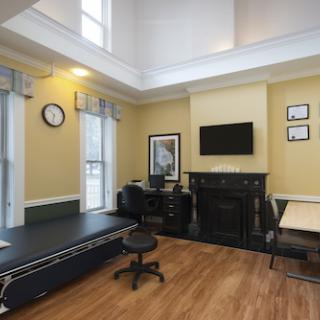
 Indoor common areas
 Ambulatory care
 Diabetic care
 Meals provided



 Funding and Affording Assisted Living: A Thorough Overview
 Assisted Living Expenses and Long-Term Care Insurance: A Comprehensive Exploration
 Securing Financial Support for Assisted Living: A Comprehensive Overview