5757 Whiteford Rd, Sylvania, OH 43560
For more information about senior living options: (844) 490-3973
Kingston Care Center of Sylvania offers a range of pricing for its accommodations, with the monthly costs reflecting the quality of care and services provided. For a semi-private room at Kingston, residents can expect to pay $6,288, significantly higher than the Lucas County average of $3,659 and the state average of $3,965. This premium may be indicative of enhanced amenities and personalized care options available at the facility. Meanwhile, private rooms are priced at $7,007 per month, which again surpasses both local and state averages - $4,341 and $4,771 respectively. These figures suggest that while Kingston Care Center provides exceptional living conditions and support services, potential residents should carefully weigh these costs against their budgetary considerations in comparison to other facilities in the area.
| Floor plans | Kingston Care Center of Sylvania | Lucas County | Ohio |
|---|---|---|---|
| Semi-Private | $6,288 | $3,659 | $3,965 |
| Private | $7,007 | $4,341 | $4,771 |
Kingston Care Center in Sylvania elicits a remarkably wide range of experiences from families and patients, spanning heartfelt praise to deeply troubling accusations. On one end, there are accounts that describe the facility as clean, visually appealing, and staffed by kind, competent professionals who deliver thorough medical and rehabilitative care. Several reviewers singled out nurses, therapists, and social workers as exceptional, noting that the nursing team provided attentive medical care and that physical, occupational, and speech therapy teams were "awesome" or "exemplary." In these stories, administrators and receptionists were also described as courteous, with some families feeling that care was delivered with warmth, dignity, and genuine compassion. A number of reviewers highlighted particular staff members - nurses Evelyn, therapists like Gary, and STNAs - by name and credited them with making a difficult stay more bearable or even life-changing, especially during rehab or end-of-life moments.
Yet alongside these positive experiences, there is a substantial chorus of serious concerns that paint a much more troubling picture. Several reviewers complain that communication within the facility is inconsistent or insufficient, with reports that aides and aides' families are not engaged or informed, and with frustrations about call lights and responsiveness. One account described a rapid firing after a confrontation with a scheduler, followed by a corporate HR grievance over health concerns and ADA paperwork, illustrating a sense of administrative friction that spills into the patient and family experience. Others recounted that responses to call bells could be slow (sometimes 15 minutes or more), and that some staff appeared distant or unresponsive to residents' needs, leading to fear for their safety and well-being.
Environmental and cleanliness issues surface in multiple reviews. While some patients are praised for a clean, well-kept environment, others report dirty rooms, floors, and contaminated linens, with concerns about bedding and laundry practices. There are mentions of patients sitting in bowel movements for extended periods, food served cold or inappropriate for dietary needs, and miscommunications about meals and individual preferences. Several reviewers describe rooms kept in isolation or rooms where basic items like functioning TVs or accessible light switches are not readily available, which compounds concerns about comfort and dignity.
Clinical care and outcomes are another area of mixed reporting. In positive accounts, families emphasize timely medical care and compassionate nursing, with praise for wound care, consistent monitoring, and coordinated therapy. In negative reports, however, reviewers describe serious lapses: unsatisfactory wound care or delays in treatment, open sores after hospital stays, and concerns that a patient's condition would not be adequately addressed due to discharge pressures or insurance-related decisions. A particularly stark review describes a patient who was discharged while still requiring 24/7 care, with accusations that financial considerations and Medicaid pay disputes were prioritized over patient needs. In some of the most alarming posts, reviewers recount the tragic consequences of perceived neglect, including a relative who developed sepsis and died after what they felt were avoidable complications such as bed sores and inadequate bathing.
The regulatory and ethical questions raised by these experiences are stark. A number of reviews allege that discharge processes are manipulated to fit insurance or financial expectations rather than patient readiness, with accusations that call bells are ignored, that staff communication fails to align with the patient's best interests, and that staff can come across as uncaring or even dismissive. One post explicitly urges readers to "stay far away" and to consider seeking legal counsel when faced with discharge delays or what is described as disingenuous communication about a patient's care plan. Several accounts include intense emotional distress, with families expressing anger, fear, and grief as they navigate the care system, sometimes culminating in recommendations to pursue external advocacy or options elsewhere.
Despite the stark contrasts, a consistent motif across the most negative reviews is a perception that Kingston's care quality is not consistent across units or shifts. Some reviewers recall a weeklong period of inadequate attention, insufficient showers or dressing, and delays that left loved ones uncomfortable and anxious. Others point to specific staff members who went above and beyond, and to moments of genuine care and success in rehabilitation, indicating that the facility can deliver high-quality care when adequately staffed, properly supported, and focused on the patient's individual needs. The diversity of experiences suggests that outcomes may be highly dependent on factors such as staffing levels at a given time, the particular care team assigned to a patient, and how well communication channels are maintained between residents, families, and administrative personnel.
In sum, Kingston Care Center in Sylvania appears to be a place where compassionate, professional care can and does exist, particularly when families encounter dedicated nurses, therapists, and support staff who communicate clearly and treat residents with dignity. Simultaneously, a substantial number of reviews reveal deeply troubling patterns: delayed responses to call bells, inconsistent cleanliness, mismatches between care plans and patient needs, and discharge practices that feel driven by financial considerations rather than medical necessity. For families and patients evaluating Kingston, the experiences described here underscore the importance of asking pointed questions about staffing how-to's, infection control and wound care practices, the facility's approach to discharge planning and insurance, and how communication is managed across shifts and with family members. These narratives collectively point to a facility with the potential for outstanding care but with notable, sometimes severe, gaps that can have life-altering consequences if left unaddressed.
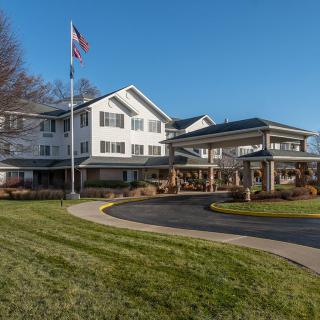
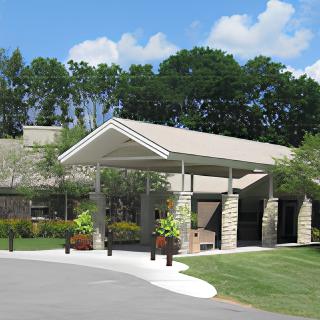
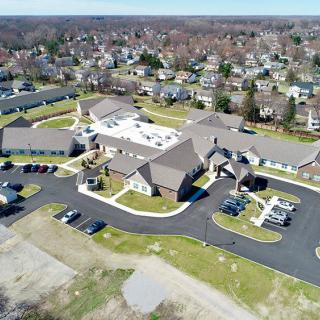
The Kingston Care Center of Sylvania in Sylvania, OH is an assisted living community that offers a variety of amenities and care services to meet the needs of its residents. The facility has a beautician on-site, allowing residents to easily access hair salon services without leaving the community. Devotional services are offered both on-site and off-site, providing spiritual support for those who desire it.
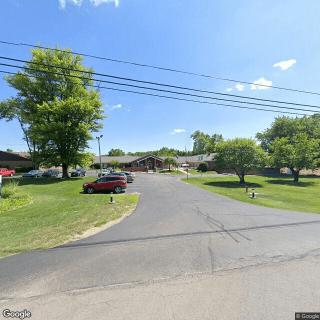
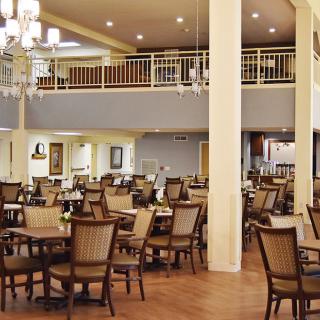
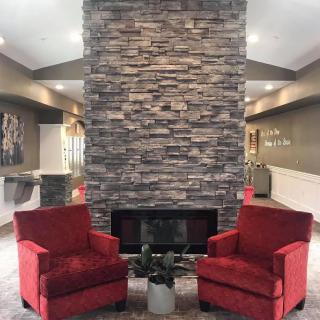
Indoor and outdoor common areas provide spaces for residents to socialize and relax with friends and family. The facility is wheelchair accessible, including wheelchair accessible showers for the comfort and convenience of all residents. Additionally, respite or short term stays are offered for those who may need temporary assistance or relief for their caregivers.
The care services at Kingston Care Center of Sylvania include specialized care for incontinence, ensuring that residents receive the support they need in maintaining their dignity and quality of life. The dining options at this community cater to different dietary preferences, including vegetarian meals.
Residents can engage in a range of activities that promote their overall well-being and personal interests. Devotional activities are available both on-site and off-site, allowing residents to connect with their faith as desired.
Furthermore, this assisted living community boasts a convenient location with several amenities nearby. There are six cafes located nearby, providing options for dining out or meeting up with friends over a cup of coffee. Three parks offer opportunities for outdoor recreation and enjoying nature. With 16 pharmacies in close proximity, accessing medications is made easy. Having 34 physicians nearby ensures residents have access to healthcare providers when needed. There are also numerous restaurants nearby offering a variety of cuisine choices. Places of worship allow residents to continue practicing their faith conveniently near their home. For entertainment options, there is one theater located nearby where residents can enjoy movies or live performances. Lastly, eight hospitals being close provides peace of mind knowing medical care is easily accessible if needed.
Overall, Kingston Care Center of Sylvania provides an array of amenities, care services, and nearby amenities that cater to the diverse needs and preferences of its residents.
Kingston Care Center of Sylvania offers a range of pricing for its accommodations, with the monthly costs reflecting the quality of care and services provided. For a semi-private room at Kingston, residents can expect to pay $6,288, significantly higher than the Lucas County average of $3,659 and the state average of $3,965. This premium may be indicative of enhanced amenities and personalized care options available at the facility. Meanwhile, private rooms are priced at $7,007 per month, which again surpasses both local and state averages - $4,341 and $4,771 respectively. These figures suggest that while Kingston Care Center provides exceptional living conditions and support services, potential residents should carefully weigh these costs against their budgetary considerations in comparison to other facilities in the area.
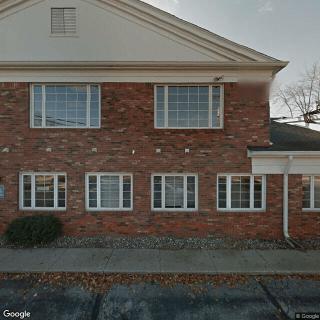
Kingston Care Center of Sylvania is located at 5757 Whiteford Rd, Sylvania, OH 43560 in Lucas County, Ohio
Navigating the Tax Landscape of Caregiving: Credits, Deductions, and Beyond

Caregiving for an aging parent entails emotional and financial responsibilities accompanied by significant tax implications, including potential benefits from claiming them as dependents and deductions for medical expenses and caregiving costs. Caregivers must understand eligibility requirements, maintain thorough documentation, and consider consulting a tax professional to navigate these complexities effectively.
Highly Beneficial Low-Impact Exercises for Senior Living Residents

Low-impact exercises are vital for seniors as they promote health, independence, and social interaction while reducing joint strain. These adaptable activities, guided by healthcare professionals, enhance strength, flexibility, and emotional well-being.
Is In-Home Healthcare Tax Deductible? Your Comprehensive Guide
The guide details the tax deductibility of in-home healthcare expenses according to IRS guidelines, differentiating between medically necessary services and non-medical assistance, while emphasizing the need for proper documentation and itemization requirements. It also highlights state-level variations, the importance of record-keeping, and encourages seeking professional tax help to understand evolving regulations.