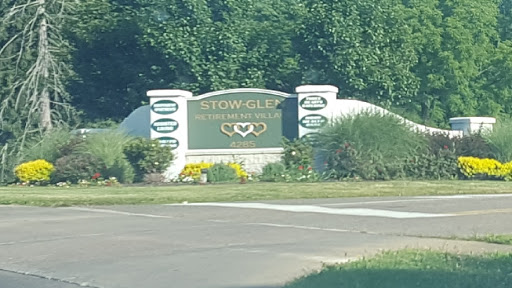
4285 Kent Road, Stow, OH 44224
For more information about senior living options: (866) 208-4318
Overall Review of Stow Glen Health Care Center
Pros
 They offer so much, including AA meetings.
- The facility is considered one of the best by long-time visitors.
- It had a great Alzheimer's unit well before it was the norm.
- The facility is very friendly.
Cons
 The work environment was terrible.
- The treatment of the elderly was borderline abuse.
- The coworkers were extremely toxic.
- Management was oftentimes unorganized and all over the place.
- The residents were oftentimes not happy or satisfied at the nursing home.
- The meals were extremely low quality.
- The institution was very unorganized, poorly funded, and mostly toxic.
Review
Stow Glen Health Care Center is best suited for families that prioritize memory-care capabilities and want a long-standing local option they can actively monitor, advocate for, and participate in. The strongest case for this community rests on its history with dementia care and the presence of an Alzheimer’s-focused unit that some observers felt was ahead of its time. For families with a loved one who needs structured cognitive-support programming and frequent family engagement, the facility can deliver meaningful support. Those who require near-perfect operational consistency, predictable dining experiences, and thoroughly aligned administrative oversight may want to consider alternatives.
Pros frequently cited by residents’ families include the Alzheimer’s unit, which several reviewers described as well-developed long before it became a standard expectation, and a generally friendly facility atmosphere in certain contexts. There are mentions of robust social programming and community connection, with some families noting that the center remains a place where visits and personal involvement are welcomed. The presence of support-like activities, including group engagement opportunities, indicates a willingness to address social needs beyond basic care. For families who value a memory-care framework and hands-on family involvement, these advantages matter.
The most serious warnings, however, center on the institution’s day-to-day operations. Reviewers describe a terrible work environment with toxic staff dynamics and leadership that feels unorganized and reactive rather than cohesive. These operational strains translate into concerns about consistency of care, staff morale, and the overall resident experience, with multiple accounts of unhappy or dissatisfied residents and inconsistent food quality. The sense of underfunding and strained resources compounds these issues, creating a risk that even strong clinical plans can be undermined by execution gaps. In short, the care plan may exist on paper, but its realization is what frequently falls short.
When weighing the pros against the cons, the strength of a dedicated memory-care program can offset some risk for families who accept a need for vigilant oversight. If a loved one requires dementia-specific routines, secure unit environments, and ongoing cognitive-stimulation programming, the Alzheimer’s framework is a meaningful asset. However, the offset is not automatic. Persistent management and staffing inconsistencies can erode daily quality of life, especially for residents who rely on stable routines and predictable meals. Families must be prepared to advocate actively, confirm staffing patterns, and confirm that care plans are being followed in practice rather than on paper.
Practical due diligence should shape any visit, with a focus on concrete, current conditions rather than past reputations. Prospective residents should request a candid tour that includes front-line staff, review current feeding and dining routines, and ask about turnover rates and how frequently care plans are updated. Speak with several frontline caregivers and the administrator about daily schedules, how shifts are staffed, and how meals are handled if a loved one has dietary restrictions. If possible, contact current families about recent experiences to gauge whether improvements have occurred and whether the atmosphere has become more stable.
Ultimately, Stow Glen Health Care Center offers a meaningful memory-care proposition inside a community framework, but the significant concerns about staff culture, management organization, and meal quality cannot be ignored. The decision hinges on what is most important: for dementia-focused care and active family involvement, the strengths can be compelling enough to overlook some operational rough edges. For families who demand consistent staffing, high resident satisfaction, and dependable day-to-day execution, alternatives should be explored in parallel to ensure access to a smoother, more predictable experience.
 90 resident community capacity
 Continuing Care Retirement Community (CCRC)
 Skilled Nursing Facility
 Air-conditioning
 Beauty salon
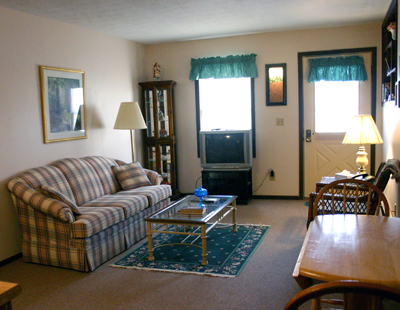
 Cable or satellite TV
 Computer center
 Dining room
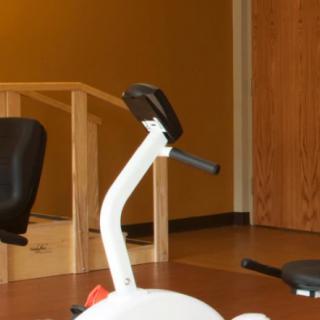
 Fitness room
 Fully furnished
 Gaming room
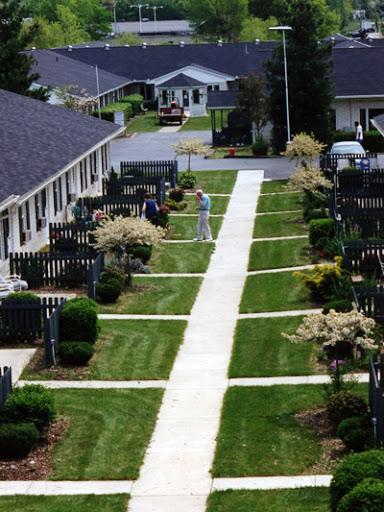
 Garden
 Housekeeping services
 Kitchenette
 Move-in coordination
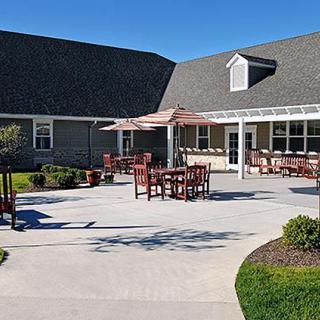
 Outdoor space
 Private bathrooms
 Restaurant-style dining
 Small library
 Telephone
 Wellness center
 Wi-Fi/high-speed internet available
 Akron-Canton Regional (17 miles away)
 Community operated transportation
 12-16 hour nursing
 24-hour call system
 Activities of daily living assistance
 Assistance with bathing
 Assistance with dressing
 Assistance with transfers
 Diabetes diet
 Medication management
 Mental wellness program
 Special dietary restrictions
 Concierge services
 Planned day trips

 Exploring Palliative Care in the Home: A Comprehensive Overview
 Comprehensive Insights into Palliative Home Care: What It Is and What to Expect
 Skilled Nursing Facilities vs. Nursing Homes: Making Sense of the Differences