Good Shepherd Village in Springfield, OH

Save

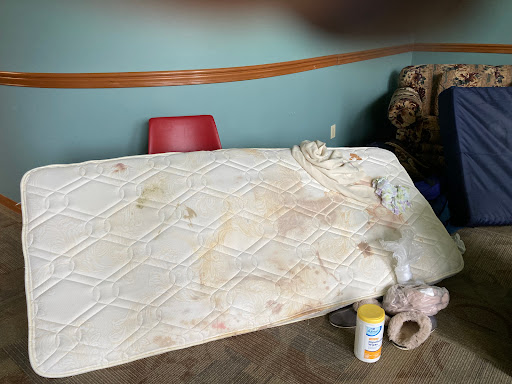
  • Interior

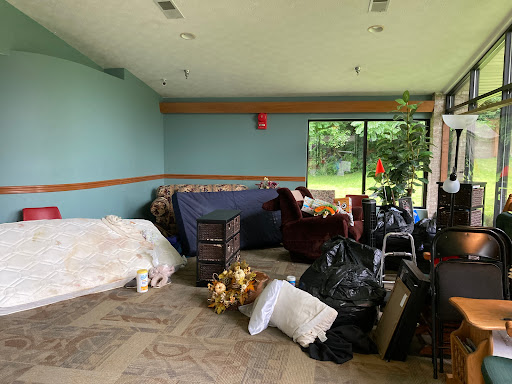
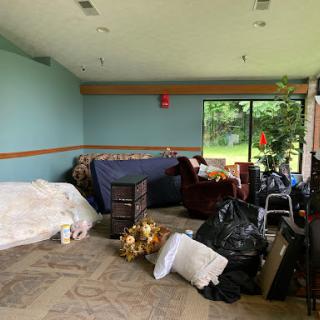
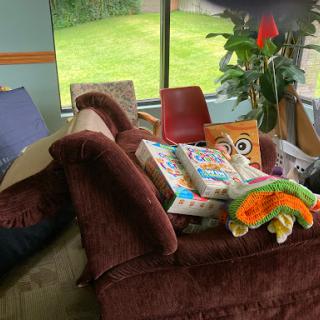
    A cluttered indoor space filled with furniture and miscellaneous items.
  • Outdoors

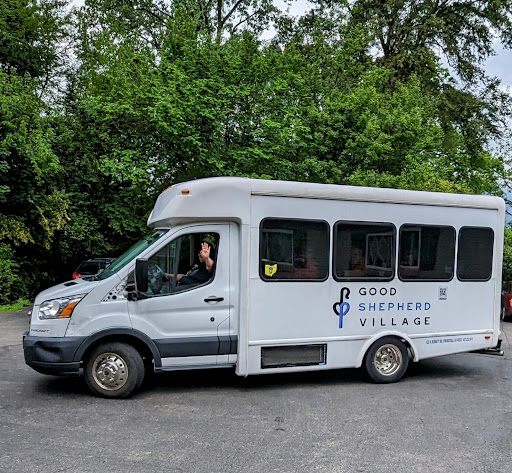
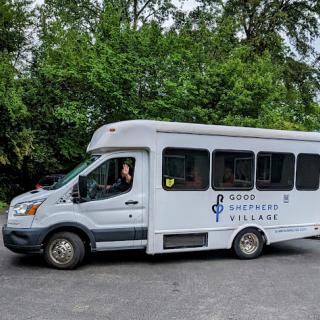
    A white transportation van parked in a green outdoor setting.
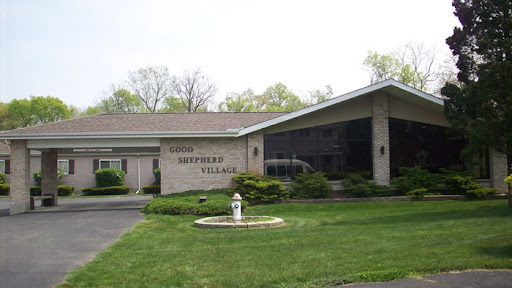
  • Building

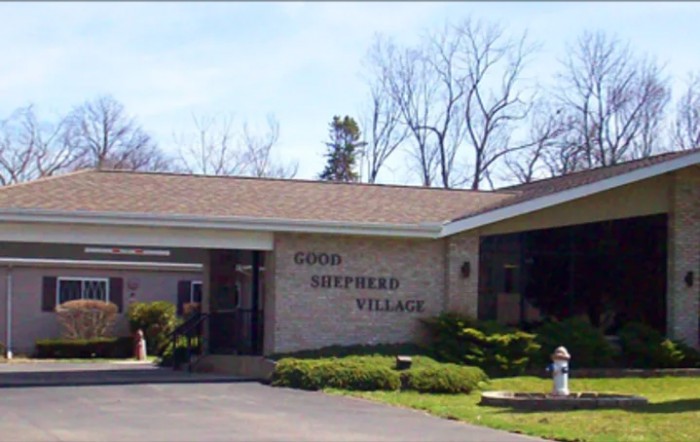
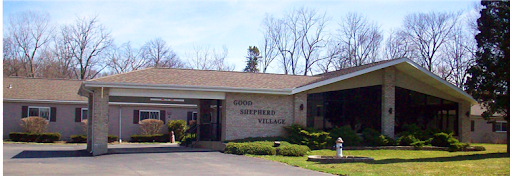
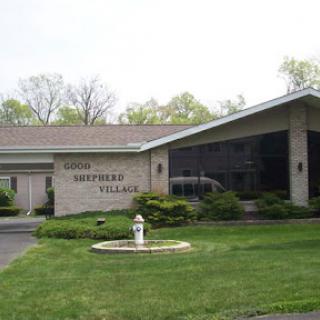
    The entrance of a building labeled 'Good Shepherd Village' with surrounding greenery.
  • Architecture

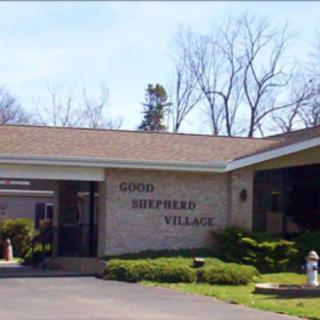
    A view of the front entrance of a facility named 'Southern Village' surrounded by well-maintained lawn and landscaping.
  • Landscaping

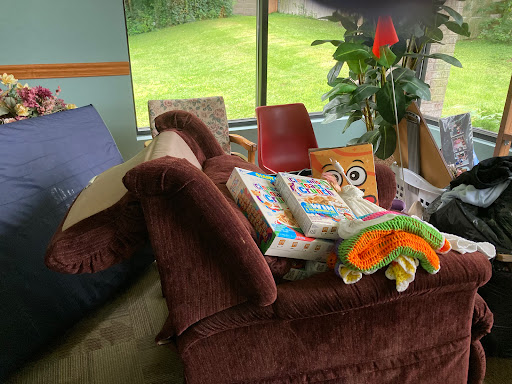
    A cozy seating area filled with toys and games, surrounded by a touch of greenery.
  • Exterior

    Exterior view of a senior living facility.
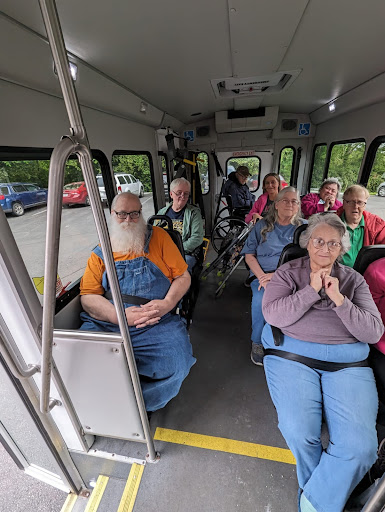
  • Seating

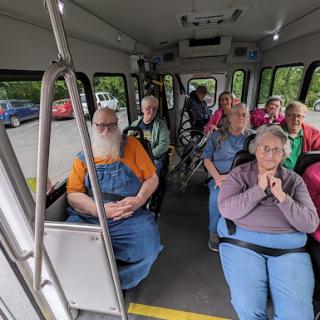
    A group of elderly individuals enjoying a ride on a bus, surrounded by greenery.

Good Shepherd Village in Springfield, OH

422 North Burnett Road, Springfield, OH 45503

For more information about senior living options: (844) 490-3973

3.8 from 25 reviews
5 stars
17
4 stars
1
3 stars
0
2 stars
0
1 stars
7

Skilled Nursing Facility

Overall Review of Good Shepherd Village

Pros

  • pro They took great care of his son.
  • pro The DON is great and truly cares about the residents.
  • pro The therapy department is the best around.
  • pro The owner is hands-on and involved in residents' care.
  • pro The CNAs are friendly and caring.
  • pro The staff keeps families informed about care and updates.
  • pro Nancy from Good Shepherd Village is kind and patient, and crafts activities are a highlight.

Cons

  • pro The nurses do not call the out-of-state family with updates, and there is little to no response to phone inquiries.
  • pro The quality of care has declined due to multiple management changes.
  • pro Current patient volume exceeds the caregiving staff's capacity, creating an unsustainable workload.
  • pro Some caregivers appear inattentive, frequenting personal devices and ignoring their surroundings, even around family.
  • pro There are inconsistencies between prescribed dietary restrictions and what patients actually receive.
  • pro Residents report subpar food quality, with frequent cold and undercooked meals.
  • pro The phone lines are understaffed, making weekend contact extremely difficult.
  • pro There are reports of neglect and poor care leading to hospitalizations and deteriorating health (malnutrition, dehydration, bed sores, inadequate bathing).

Review

Good Shepherd Village in Springfield is best suited for families that prize a hands-on, locally operated environment where the owner and a proactive administration make personal involvement a priority, and where strong rehabilitation services are a central part of care. The community often shines for residents who can benefit from dedicated therapy teams, attentive nursing presence, and a home-like atmosphere with regular activities and family-friendly access. It works best when there is a willingness to engage with the staff, monitor progress closely, and advocate for clear, frequent communication.

That said, there are clear reasons to consider alternatives, especially for families with tighter expectations around consistent staffing, proactive communication, and fast escalation when concerns arise. Several reviews highlight staffing strains and sustained under-resourcing that strain caregivers' ability to respond promptly. If reliance on quick updates from nursing, predictable phone access, and unwavering adherence to prescribed diets and care plans is non-negotiable, this community may feel risky. In crisis situations or when rapid, uniform oversight is essential, other facilities with larger staffs or more formalized escalation protocols may be a better fit.

The strongest positives hinge on a recent, evident shift in leadership and care philosophy. The ownership change is frequently described as transformative, with the director of nursing taking a hands-on role and being reachable for families. The therapy department earns frequent praise as a standout asset, delivering structured physical, occupational, and speech services that many residents find effective. Families commonly report a sincere, caring environment, with staff who are attentive and a facility layout that emphasizes cleanliness and a welcoming dining area, plus an array of activities and opportunities for social engagement. These advantages can meaningfully offset some daily frictions when operations run smoothly.

However, the negatives cannot be dismissed. Repeated concerns about staffing workload, inattentive moments, and caregivers distracted by personal devices suggest real risks to timely, compassionate care - especially for residents with high needs. Communication gaps, including difficulty reaching staff and inconsistent updates for families (notably those who are out of state), undermine trust and may delay critical decisions. There are also alarming anecdotes about dietary inconsistencies, episodes of malnutrition or dehydration, and a few high-profile hospital transfers that raise questions about ongoing oversight and care planning. While some residents thrive, others experience a decline tied to these systemic gaps.

The reality is that Good Shepherd Village blends genuine strengths with serious warning signs, and families should enter with a clear, proactive plan. If choosing this community, insist on a structured care plan with measurable goals, guaranteed nurse-to-resident ratios, and a reliable family contact protocol. Demand candid conversations about staffing schedules, respite coverage, and how dietary restrictions are enforced. Request visibility into rehabilitation schedules, daily care notes, and rapid-response procedures for any medical changes. Prospective residents must be prepared to advocate vigorously and to weigh stability of leadership against the demonstrated ability to deliver high-quality rehab and personalized attention.

In the end, this facility is most suitable for families willing to lean in and oversee care, especially where rehab success and a warm, engaging environment are top priorities. It may not be the right choice for those who require unwavering consistency, flawless communication, and a rock-solid track record of zero neglect concerns. If these criteria matter intensely, explore alternatives with stronger staffing assurances and fewer reported lapses in care. For others, plan a careful, hands-on intake process - visit often, meet the DON, review care plans in depth, and set up a structured, ongoing feedback loop to ensure the positives continue to outweigh the risks.

Features

Housing

  • 81 resident community capacity 81 resident community capacity

Types of Care

  • Skilled Nursing Facility Skilled Nursing FacilitySkilled Nursing Facilities are crucial for seniors as they provide round-the-clock medical care, rehabilitation services, and assistance with daily activities. These facilities ensure that seniors receive the specialized care they need to maintain their health and well-being as they age.

Amenities

  • Air-conditioning Air-conditioningAir conditioning is important for seniors as they are more vulnerable to heat-related illnesses and may have underlying health conditions that make it difficult for them to regulate their body temperature. It helps to keep them comfortable, safe, and healthy in hot weather.
  • Beauty salon Beauty salonBeauty salons are important for seniors because they provide a space for them to feel pampered, socialize, and maintain their personal grooming and hygiene. Regular visits to a beauty salon can help boost seniors' self-esteem and overall well-being.
  • Cable or satellite TV Cable or satellite TVCable or satellite TV is important for seniors because it provides entertainment, news, and companionship, helping to combat loneliness and boredom. It also offers a wide range of programming options tailored to different interests and preferences.
  • Computer center Computer centerA computer center is essential for seniors as it provides access to technology, communication tools, and resources that can enhance their daily lives. It allows them to stay connected with loved ones, engage in online activities, and learn new skills, ultimately promoting socialization and mental stimulation.
  • Dining room Dining roomDining rooms are important for seniors as they provide a space for socialization, connection, and nutritious meals. They offer opportunities for residents to bond over shared meals, foster a sense of community, and promote healthy eating habits. Dining rooms also ensure that seniors have access to well-balanced meals tailored to their dietary needs and preferences.
  • Fitness room Fitness roomHaving a fitness room in a senior living community is essential for seniors to stay active, maintain their physical health, and improve their overall well-being. Regular exercise can help prevent falls, reduce the risk of chronic diseases, and promote mental sharpness. It also provides social opportunities for residents to connect with others and enjoy a sense of community.
  • Fully furnished Fully furnishedFully furnished senior living communities are important for seniors because they provide convenience, comfort, and a hassle-free moving experience. Seniors can easily settle into their new living space without the stress of having to buy and move furniture. This allows them to focus on enjoying their new home and community.
  • Gaming room Gaming roomGaming rooms are important for seniors as they provide a fun and engaging environment for socializing, cognitive stimulation, and physical activity. Games can improve memory, problem-solving skills, and overall mental well-being while fostering friendships and reducing feelings of isolation.
  • Garden GardenGardens are important for seniors as they provide a peaceful and therapeutic environment for relaxation, physical activity, and socialization. Being in nature has been shown to reduce stress, improve mood, and promote overall well-being. Gardens also offer opportunities for seniors to engage in gardening activities, which can improve mobility, flexibility, and cognitive function. Additionally, gardens create a sense of community and connection with others who share a passion for plants and outdoor spaces.
  • Housekeeping services Housekeeping servicesHousekeeping services are important for seniors because they help maintain a clean and safe living environment, promote independence, and reduce the risk of accidents or illnesses. Additionally, having assistance with household chores can alleviate physical strain and allow seniors to focus on other aspects of their well-being.
  • Kitchenette KitchenetteKitchenettes are important for seniors living in senior living communities because they provide the convenience and independence of being able to prepare simple meals and snacks in the comfort of their own living space. This can help promote a sense of autonomy and well-being for seniors, allowing them to maintain some level of control over their dietary choices and daily routines.
  • Move-in coordination Move-in coordinationMove-in coordination is important for seniors because it helps ease the transition into their new living environment. It ensures that all logistics, such as packing, organizing movers, and setting up utilities are taken care of, allowing seniors to focus on settling in and adjusting to their new home. Having a smooth move-in process can alleviate stress and anxiety, making the transition smoother and more enjoyable for seniors.
  • Outdoor space Outdoor spaceOutdoor spaces are important for seniors as they provide opportunities for physical activity, social interaction, exposure to natural light and fresh air, and a sense of connection to nature. Having access to outdoor spaces can improve overall well-being and quality of life for older adults living in senior communities.
  • Private bathrooms Private bathroomsPrivate bathrooms are important for seniors in senior living communities because they provide independence, dignity, and comfort. Having a private bathroom allows seniors to maintain their personal hygiene routines without the need for assistance, promoting a sense of autonomy and privacy. Additionally, private bathrooms help prevent the spread of infections and provide a safe and clean environment for seniors to navigate safely.
  • Restaurant-style dining Restaurant-style diningRestaurant-style dining is important for seniors because it allows them to enjoy delicious, nutritious meals in a social and upscale setting. This enhances their dining experience, promotes healthy eating habits, and fosters socialization with fellow residents, ultimately contributing to their overall well-being and quality of life.
  • Small library Small librarySmall libraries are important for seniors as they provide access to a variety of reading materials, including books, newspapers, and magazines. This can help stimulate their minds, keep them engaged, and provide a sense of community through book clubs and other social activities. Additionally, reading has been shown to improve cognitive function and overall mental well-being in older adults.
  • Telephone TelephoneTelephones are important for seniors as they provide a lifeline for communication with loved ones, emergency services, and healthcare providers. They offer a sense of security and independence, enabling seniors to stay connected and access assistance when needed.
  • Wellness center Wellness centerWellness centers are important for seniors because they offer a variety of programs and services that promote physical, mental, and emotional well-being. These centers provide opportunities for exercise, socialization, education, and relaxation, helping seniors maintain their overall health and quality of life.
  • Wi-Fi/high-speed internet available Wi-Fi/high-speed internet availableWi-Fi/high-speed internet is important for seniors to stay connected with loved ones, access online resources, and participate in virtual activities to combat feelings of loneliness and isolation. It also allows them to easily manage healthcare needs, access entertainment, and engage in lifelong learning opportunities.

Transportation

  • James M Cox Dayton International (24 miles away) James M Cox Dayton International (24 miles away)
  • Community operated transportation Community operated transportationCommunity operated transportation is crucial for seniors as it provides them with the means to access essential services, social activities, and medical appointments. It allows seniors to maintain their independence and quality of life by ensuring they can participate in activities outside of their homes. Additionally, community-operated transportation services offer a safe and reliable way for seniors to travel without having to rely on family or friends for assistance.
  • Transportation arrangement Transportation arrangementTransportation arrangements are crucial for seniors as they may face challenges with driving, mobility, or access to public transportation. Having reliable transportation services ensures that seniors can easily attend appointments, social activities, and maintain their independence and quality of life.
  • Transportation arrangement (non-medical) Transportation arrangement (non-medical)Transportation arrangements are essential for seniors as they provide access to essential services, activities, and social interactions outside the home. This service helps maintain independence, mobility, and overall well-being for seniors who may have limited transportation options.
  • Transportation to doctors appointments Transportation to doctors appointmentsTransportation to doctors appointments is crucial for seniors as it ensures they have access to necessary medical care and support, promoting their health and well-being. It allows them to receive timely treatment, monitor existing conditions, and address any new health concerns efficiently. Additionally, transportation services can help seniors maintain their independence and quality of life by enabling them to stay connected with their healthcare providers.

Care Services

  • 12-16 hour nursing 12-16 hour nursing12-16 hour nursing care is crucial for seniors in order to ensure around-the-clock monitoring, timely medication administration, and prompt response to any health concerns or emergencies. This level of care helps to promote the overall well-being and safety of seniors living in senior living communities.
  • 24-hour call system 24-hour call system24-hour call systems are important for seniors because they provide peace of mind and immediate assistance in case of emergencies. This technology ensures that help is always available, promoting safety and security for elderly individuals living alone or in assisted living facilities.
  • 24-hour supervision 24-hour supervision24-hour supervision is important for seniors to ensure their safety, well-being, and access to immediate assistance in case of emergencies or health issues. This constant support provides peace of mind for both seniors and their loved ones, allowing them to age in place with dignity and security.
  • Activities of daily living assistance Activities of daily living assistanceActivities of daily living assistance are important for seniors because they provide essential support with tasks such as eating, bathing, dressing, and mobility. This assistance helps seniors maintain their independence, dignity, and overall quality of life as they age.
  • Assistance with bathing Assistance with bathingAssistance with bathing is crucial for seniors as it helps maintain personal hygiene, prevents infections, and ensures their overall well-being and comfort. It also provides a sense of dignity and independence for seniors who may struggle with this task on their own.
  • Assistance with dressing Assistance with dressingAssistance with dressing is important for seniors because it helps maintain their independence, promotes personal hygiene, prevents accidents and injuries, and improves overall quality of life. This service ensures that seniors can continue to dress comfortably and confidently, despite any physical limitations they may have.
  • Assistance with transfers Assistance with transfersAssistance with transfers is crucial for seniors as it helps prevent falls and injuries, maintains their independence, and ensures they can safely navigate their living environment. It also provides peace of mind for both seniors and their loved ones.
  • Diabetes diet Diabetes dietA diabetes diet is crucial for seniors as it helps manage blood sugar levels, reduce risks of complications, and improve overall health and well-being. By following a balanced and nutritious diet tailored to their specific needs, seniors can better control their diabetes and enhance their quality of life.
  • Meal preparation and service Meal preparation and serviceMeal preparation and service are crucial for seniors as they may have limited mobility or energy to cook nutritious meals. Having access to healthy and convenient food options can ensure they are getting the proper nutrition needed to maintain their overall health and well-being.
  • Medication management Medication managementMedication management is crucial for seniors to ensure they are taking the right medications at the correct dosages and times. This helps prevent adverse drug interactions, reduces the risk of medication errors, and promotes overall health and well-being. Proactive management also allows for adjustments as needed based on changing health conditions or new prescriptions.
  • Mental wellness program Mental wellness programMental wellness programs are essential for seniors as they promote cognitive stimulation, emotional support, and social engagement. These programs help prevent isolation, depression, and cognitive decline, ultimately enhancing the overall quality of life for older adults.
  • Special dietary restrictions Special dietary restrictionsSpecial dietary restrictions are important for seniors because age-related changes in metabolism and health conditions can make it difficult for their bodies to process certain foods. By following a diet tailored to their specific needs, seniors can maintain their overall health and well-being, manage chronic conditions, and reduce the risk of complications such as malnutrition or food interactions with medications.

Dining

  • Diabetes diet Diabetes dietA diabetes diet is crucial for seniors as it helps manage blood sugar levels, reduce risks of complications, and improve overall health and well-being. By following a balanced and nutritious diet tailored to their specific needs, seniors can better control their diabetes and enhance their quality of life.
  • Special dietary restrictions Special dietary restrictionsSpecial dietary restrictions are important for seniors because age-related changes in metabolism and health conditions can make it difficult for their bodies to process certain foods. By following a diet tailored to their specific needs, seniors can maintain their overall health and well-being, manage chronic conditions, and reduce the risk of complications such as malnutrition or food interactions with medications.

Activities

  • Community-sponsored activities Community-sponsored activitiesCommunity-sponsored activities are important for seniors as they provide opportunities for social interaction, mental stimulation, and physical activity. These activities can help improve overall well-being, combat loneliness and isolation, and promote a sense of belonging and purpose among older adults.
  • Concierge services Concierge servicesConcierge services are essential for seniors as they provide assistance with daily tasks and errands, enhance their quality of life by offering convenience and personalized care, and promote a sense of safety and security.
  • Fitness programs Fitness programsFitness programs are crucial for seniors as they help improve strength, flexibility, balance, and overall well-being. Staying active can reduce the risk of chronic diseases, improve mental health, and enhance quality of life in older adults.
  • Planned day trips Planned day tripsPlanned day trips are important for seniors because they offer opportunities for socialization, mental stimulation, and physical activity. They provide a change of scenery and help seniors stay engaged and connected to their community, promoting overall well-being and quality of life.
  • Resident-run activities Resident-run activitiesResident-run activities are important for seniors as they encourage social interaction, creativity, and a sense of autonomy. These activities empower seniors to stay engaged and active in their community while fostering meaningful connections with their peers.
  • Scheduled daily activities Scheduled daily activitiesScheduled daily activities are important for seniors because they provide structure, socialization, mental stimulation, and physical activity. Engaging in regular activities can improve overall well-being and quality of life for seniors living in a community setting.

Description

Good Shepherd Village in Springfield, OH offers a comprehensive range of amenities and care services to meet the needs of residents. The community boasts a beauty salon for residents to indulge in pampering sessions, while cable or satellite TV is available to keep residents entertained. Community-operated transportation is provided for convenience, and a computer center allows residents to stay connected with loved ones.

The dining room offers restaurant-style dining, providing delicious meals prepared by the staff. Residents have the option of fully furnished accommodations or can bring their own furniture. Housekeeping services ensure that living spaces are well-maintained.

For recreational activities, the community features a fitness room for exercise and wellness programs, as well as a gaming room for entertainment. Outdoor spaces and a garden provide opportunities for relaxation and enjoying nature. A small library is available for book lovers, and scheduled daily activities and resident-run activities offer social engagement.

Residents also have access to a wellness center that provides mental wellness programs and assistance with activities of daily living. Assistance with bathing, dressing, and transfers is available when needed. Medication management ensures that residents' medical needs are attended to properly.

Transportation arrangement services are provided for non-medical purposes as well as for doctors’ appointments. Wi-Fi/high-speed internet is available throughout the community, allowing residents to stay connected digitally.

Additionally, Good Shepherd Village is conveniently located near various amenities in the surrounding area. There are cafes, parks, pharmacies, physicians' offices, restaurants, places of worship, theaters, and hospitals nearby.

Overall, Good Shepherd Village offers a comfortable and vibrant assisted living community where residents can enjoy an array of amenities and care services while being surrounded by convenient facilities nearby.

Nearby Places of Interest

Restaurants

  • Arby's (0.2 miles)
  • Rally's (0.3 miles)
  • McDonald's (0.4 miles)
  • Wendy's (0.4 miles)
  • Burger King (0.5 miles)
  • Subway (0.6 miles)
  • Our Hero Express Subs (0.7 miles)

Places of Worship

  • Maplewood Church of the Nazarene (0.5 miles)
  • Southern Baptist Convention (2.4 miles)
  • Cornerstone Baptist Church (3 miles)
  • Grace Covenant Fellowship (3.6 miles)
  • New Moorefield United Methodist Church (5.3 miles)
  • St Charles Borromeo (9.9 miles)

Theaters

  • Cinema 10 (0.6 miles)

Cafes

  • Tim Hortons (0.6 miles)
  • Tim Hortons (2.3 miles)
  • Coffee Expressions (2.7 miles)
  • Starbucks (3.5 miles)
  • Tim Hortons (3.6 miles)

Pharmacies

  • Whitacre's Pharmacies (1 miles)
  • Walgreens (2.1 miles)
  • Madison Avenue Pharmacy (2.2 miles)
  • Rite Aid (2.8 miles)
  • CVS Pharmacy (2.8 miles)
  • Harding Road Pharmacy (2.8 miles)
  • Walgreens (2.9 miles)

Physicians

  • Parernt Infant Center (1.6 miles)
  • Springfield General Surgery (2 miles)
  • Kamel Abraham MD (2.1 miles)
  • Springfield Gastroenterology (2.1 miles)
  • Quest Cardiology (2.1 miles)
  • Annamraju Ananth MD (2.1 miles)
  • Pediatric Associates of Springfield (2.2 miles)

Parks

  • CJ Brown Playground (1.9 miles)
  • Moorefield Family Park (4.6 miles)

Hospitals

  • Springfield Urology (2.1 miles)
  • Clark County Mental Health (2.1 miles)
  • Springfield Regional Cancer Center (2.4 miles)
  • Mercy Medical Center (2.5 miles)
  • Springfield Regional Imaging Center (2.5 miles)
  • Springfield Regional Medical Center (2.6 miles)
  • Ohio Institute of Cardiac Care (3.6 miles)

Frequently Asked Questions

Where is Good Shepherd Village?
What photos are available for Good Shepherd Village in Springfield, Ohio?

Nearby Communities

  • Comfort Keepers of Springfield,  OH

    Comfort Keepers of Springfield, OH

    Springfield, OH


    pro Close to cafes, parks, healthcare, dining, worship, and entertainment.


  • Comfort Keepers of Springfield

    Comfort Keepers of Springfield

    Springfield, OH

    4.4 from 44 reviews
     

    pro Peaceful, comfortable assisted living with nearby amenities and accessible healthcare options.

  • Mueller Residential Svc

    Mueller Residential Svc

    Springfield, OH


    pro Convenient access to dining, healthcare, nature, spirituality, and entertainment nearby.

  • Essex of Springfield

    Essex of Springfield

    Springfield, OH

    4 from 2 reviews
     

    pro Positive rehab outcomes with attentive staff and satisfying meals.

  • Springfield Nursing And Independent Living

    Springfield Nursing And Independent Living

    Springfield, OH


    pro Continuum of care from independent living to skilled nursing on one campus.

  • Shawnee Place Apartments

    Shawnee Place Apartments

    Springfield, OH


    pro Excellent access to dining, healthcare, culture, nature, and worship nearby.

  • Northwood Assisted Living

    Northwood Assisted Living

    Springfield, OH

    3.7 from 45 reviews
    $2,355 to $2,670 / month

    pro Clean, welcoming environment with friendly staff, engaging activities, and affordable monthly rates.

  • Hearth & Home at Harding

    Hearth & Home at Harding

    Springfield, OH

    4.3 from 9 reviews
    $3,626 to $5,179 / month

    pro Helpful staff and clean, well-maintained facilities.

  • Wooded Glen Health Campus

    Wooded Glen Health Campus

    Springfield, OH

    4.1 from 43 reviews
     

    pro Beautiful, brand-new facility with pleasant dining and friendly staff.

Related Resources

  • who qualifies for home health care servicesComprehensive Guide to Qualifying for Home Health Care Services

    The guide outlines the eligibility criteria for home health care services, emphasizing clinical requirements, insurance options, and application processes. It distinguishes between Medicare's strict and Medicaid's flexible qualifications while addressing challenges families may face in securing necessary care at home.

  • what is elder abusePowerful Realities of Elder Abuse and the Most Effective Ways to Report It

    Elder abuse affects many older adults worldwide and includes physical, emotional, neglectful, and financial harm, with about one in six individuals over 60 experiencing abuse annually. Prevention and intervention strategies focus on awareness, support for caregivers, and mandatory reporting, while recovery necessitates comprehensive support for both physical and emotional needs.

  • caregiver dutiesTen Vital Duties of a Senior Caregiver: A Comprehensive Guide
    The guide details ten essential responsibilities of senior caregivers, including personal care, mobility assistance, medication management, and emotional support, while emphasizing the importance of safety, nutrition, and maintaining a safe living environment to enhance seniors' quality of life and independence.