
404 East Mc Creight Avenue, Springfield, OH 45503
For more information about senior living options: (866) 208-4318
Overall Review of Springfield Nursing And Independent Living
Pros
 My sister was beautifully taken care of by this team of dedicated and caring people.
- Thank you to Miranda and Alicia for taking such good care of my Dad.
- He seemed so much better and was so joyful.
- The apartments are nice.
- It is a safe, secure, and affordable building.
Cons
 It is the most god-awful place the reviewer has ever seen.
- The facility has cats roaming around and mice, and is really nasty.
- People who love their loved ones should not go there.
- The staff are rude and the building is described as a mental health facility.
- The place is a dump and should be shut down by the State of Ohio immediately.
- The building dates from the 1800s and is not suitable as a nursing home.
- The food is not fit for a dog to eat.
- There are mice, roaches, ants, and termites in all the rooms.
- It is one of the nastiest, unprofessional nursing homes; it should not be a legal business, and the building looks like it’s falling apart.
- The staff are filthy and rude; residents are mistreated.
- It is filthy, dirty, with a horrible odor; there are no phones in rooms to contact family.
- The rehab was ineffective; the patient was sedated and slept, and walking ability declined after leaving; do not send a loved one there.
- The listed phone number is wrong; it is someone’s cell number and needs fixing.
Review
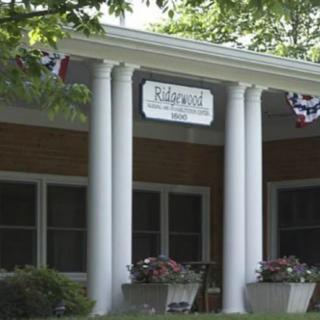
Springfield Nursing And Independent Living in Springfield, OH is best suited for families on a tight budget who still want a recognizable, secure setting for aging loved ones and are willing to trade on pristine conditions for practical care. The building and grounds carry the marks of age, but for residents needing straightforward daily support, medication management, meals, routine assistance, and who can tolerate a no-frills environment, this setting can meet basic needs. It can work especially for residents with dementia who benefit from familiar staff and steady routines, where caregivers’ warmth can ease anxiety on difficult days. In short: affordability and safety in a dated package, with care quality varying by shift and staff.
Who may want to consider alternatives becomes clear quickly. Those who require spotless cleanliness, modern facilities, or a consistently high standard of care should look elsewhere. Pest and odor issues show up repeatedly in reviews, and the facility’s age-in-place feel can leave families uneasy about general upkeep. If rehab services must be reliable, if meals must be consistently appealing, or if staff professionalism and respectful communication are non-negotiables, this community will likely fall short. Families should weigh whether the risk of intermittent neglect or uncomfortable living conditions is acceptable given the price point.
Pros that can offset the drawbacks are real when the right staff show up. When care teams express genuine commitment, testimonials describe meaningful, even transformative moments for residents, particularly those with dementia or emotional distress. The warmth from certain aides and caregivers makes a tangible difference on tough days. Affordability remains a decisive advantage, and the grounds are described as safe and secure, helping families feel that daily routines and visits can proceed with confidence. Some residents do enjoy what are described as nice apartments, underscoring that the property can offer a simple, functional living environment for those who value plain practicality over luxury.
The flip side is dense with red flags that can overwhelm any positives. The most persistent concerns are cleanliness and pest problems, mice, roaches, and bed bugs, paired with a consistently unpleasant odor and a sense of neglect in some wings of the building. Staff behavior ranges from rudimentary to outright unprofessional, and several reviews allege missed or slow responses to resident needs. Rehab engagement can be inconsistent, with accounts of residents not being moved toward activity or exercise in meaningful ways. The building’s age shows in infrastructure, and a perception persists that safety and reliability could suffer in areas that have not kept pace with current standards. Inconsistent oversight and communication amplify the risk for families seeking dependable care.
How the positives weigh against the negatives hinges on priorities. If cost and a basic, hands-on approach to daily living are the top criteria and staff members deliver warmth when it matters most, the drawbacks can be mitigated with vigilant family involvement and ongoing advocacy. For memory care, intensive rehab, or daily living where cleanliness, consistently attentive staffing, and quality meals are nonnegotiables, the risks likely outweigh the benefits. Pros can matter deeply on particular days, but they do not erase a pattern of facility-wide concerns that can disrupt peace of mind for families.
Bottom-line guidance recommends a cautious, purpose-driven approach. A deliberate tour should be combined with concrete questions about pest control, housekeeping schedules, staff training, and incident resolution. Seek current resident or family references, request to observe a meal and a rehab session, and verify room conditions firsthand. If cost, safety, and staff kindness align with family priorities and a robust monitoring plan is in place, the option can work, albeit with clear expectations and a readiness to intervene if issues arise. If those conditions cannot be met, alternatives offering cleaner environments, steadier staffing, and stronger rehabilitation programs should be prioritized to protect loved ones’ daily living, dignity, and long-term well-being.
 16 resident community capacity
 Assisted Living
 Board and Care Home
 Continuing Care Retirement Community (CCRC)
 Independent Living
 Skilled Nursing Facility
 Cable or satellite TV
 Dining room
 Fully furnished
 Garden
 Housekeeping services
 Move-in coordination
 Outdoor space
 Telephone
 Wi-Fi/high-speed internet available
 James M Cox Dayton International (22 miles away)
 24-hour supervision
 Activities of daily living assistance
 Assistance with bathing
 Assistance with dressing
 Assistance with transfers
 Diabetes diet
 Meal preparation and service
 Medication management
 Special dietary restrictions
 Transportation arrangement (medical)
 Transportation to doctors appointments






 Securing Financial Support for Assisted Living: A Comprehensive Overview
 Social Security Benefits and Assisted Living: Navigating Options Across the U.S.
 An Extensive Exploration of the VA Aid and Attendance Benefit