Arbors At Springfield

Save

Arbors At Springfield

1600 Saint Paris Pike, Springfield, OH 45504

For more information about senior living options: (844) 490-3973

3.7 from 40 reviews
5 stars
22
4 stars
6
3 stars
1
2 stars
0
1 stars
11

Skilled Nursing Facility

Overall Review of Arbors At Springfield

Pros

  • pro The staff at Arbors is kind and has the patients' best interests in mind.
  • pro Residents feel like part of a family at Arbors.
  • pro Arbors provides attentive care and keeps residents clean.
  • pro Arbors delivers quality care to each patient.
  • pro The staff are awesome and highly supportive during visits.
  • pro Staff communicate clearly and provide thorough information to families.
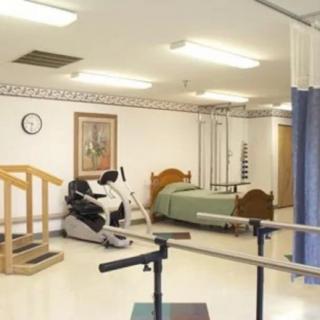
  • pro Therapy at Arbors helps residents regain mobility and independence.
  • pro The smaller Arbors facility offers a true family atmosphere.
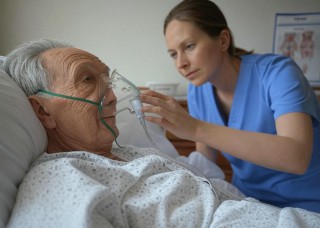
  • pro Arbors at Springfield offers five-star quality care, a deficiency-free survey, and on-site respiratory therapy.

Cons

  • pro The facility is described as absolutely horrible, with the administration urged to be charged with neglect.
  • pro The staff allegedly hung up on someone asking about their mother.
  • pro The reviewer warns never to send the elderly or sick there, claiming the place almost killed their grandmother.
  • pro The place is described as dirty and filthy with rude staff and management.
  • pro A resident was left with the bed high in the air, causing a fall and a chipped tooth.
  • pro Medicines were not given and the call button was unhooked, with no one turning or checking on the resident.
  • pro A cousin was neglected, resulting in bruises and bedsores and poor trache care, and the cousin died.

Review

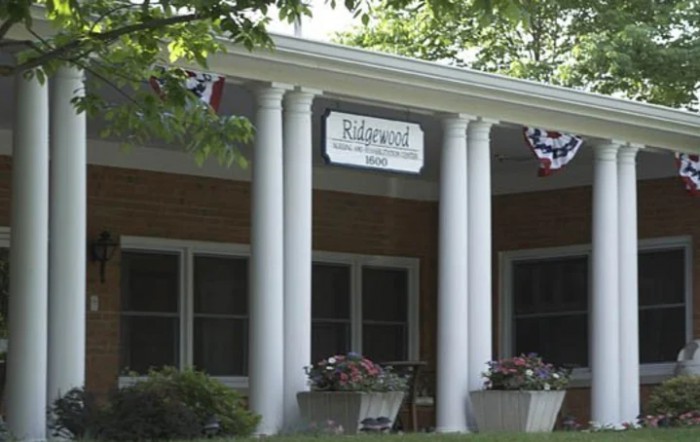
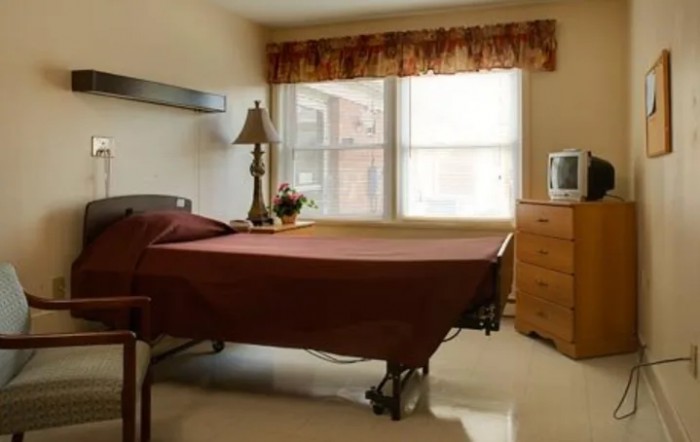
Arbors At Springfield is best suited for families seeking a small, home-like skilled nursing and rehab setting in Springfield where residents can form close, consistent relationships with a focused care team. The facility's intimate 50-bed footprint and the emphasis on individualized attention make it well-matched for rehabilitation-to-home journeys and for residents who benefit from hands-on support from therapists and nursing staff. It appeals to families who value quick, direct access to caregivers, a warm atmosphere, and a team that appears genuinely devoted to residents' daily comfort and progress. Those prioritizing large-scale resources, expansive specialty programs, or a hospital-grade, highly standardized oversight may want to consider alternatives.

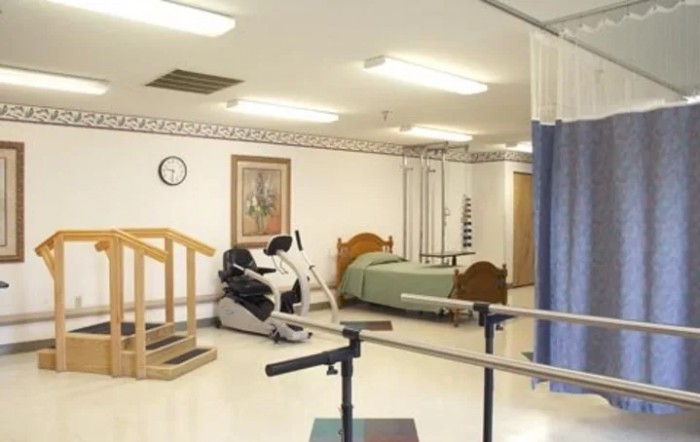
On the positive side, the strongest draws are the staff's perceived dedication and the facility's rehab-oriented culture. Reviews repeatedly highlight a family-like vibe, responsive aides and nurses, and a therapy program that produces meaningful functional gains. Several residents credit the team with significant milestones - being able to walk again, regaining independence, or making meaningful progress toward home. The presence of a respiratory therapist on site at all times and visible emphasis on respiratory care further strengthens the case for residents with complex breathing needs or chronic pulmonary considerations. For families seeking a setting where staff know residents well and respond to call lights promptly, these elements carry real weight.

Yet, the chorus of caution cannot be ignored. The most alarming concerns touch safety and day-to-day operations. Multiple accounts describe neglect, dirty conditions, or lapses in medical care - discrepancies in medication administration, unaddressed wounds, and call buttons left unconnected at critical moments. Some families report tense or unprofessional interactions with leadership, citing rude responses when questions were raised about care. Staffing variability - episodes of understaffing or turnover - appears to influence the consistency of care from shift to shift. Taken together, these cautions suggest a landscape where excellent care is possible, but only when management, nursing leadership, and on-shift staffing align reliably.

The key logic for weighing pros against cons rests on three factors: current leadership, staffing stability, and the resident's care plan. If the local team is stable, engaged, and adheres to vigilant wound care, medication administration, and infection-control practices, the strong rehab momentum and intimate environment become compelling advantages. Families should actively verify that the latest surveys and deficiency reports are favorable, request meetings with the director of nursing and the therapy supervisor, and observe a therapy session and nurse call routines first-hand. In a setting this small, day-to-day consistency matters more than grand promises; the opportunity for meaningful recovery exists, but only with dependable execution.

For families who may want alternatives, the decision becomes clearer when the resident's needs exceed the facility's primary strengths. Those requiring continuous, high-level medical oversight, flawless hygiene standards, or a consistently pristine environment might prefer larger, more standardized communities with broader staffing pools and more transparent escalation processes. Likewise, families wary of mixed safety signals - where positive rehab stories coexist with reported neglect or cleanliness issues - may want to explore other options where leadership pathways and quality assurance are more consistently visible. The right choice hinges on whether the resident's rehabilitation trajectory can be sustained by a tightly knit team and a robust, reliable day-to-day care rhythm.

In the end, Arbors At Springfield offers a credible, compelling option for families who value a small, dedicated rehab-centric community and can verify current leadership stability and daily care quality. It is less suitable for those who prioritize uniform care standards, meticulous housekeeping, and uninterrupted med management without question. The prudent path is a thorough on-site evaluation: observe care during peak hours, speak with multiple staff members and residents, request recent survey results, and insist on clear answers about med-pass procedures, wound care protocols, and staff-to-resident ratios. When alignment exists between resident goals and the facility's proven strengths, Arbors At Springfield can deliver a genuinely compassionate, capable home for recovery and ongoing support.

Features

Housing

  • 50 resident community capacity 50 resident community capacity

Types of Care

  • Skilled Nursing Facility Skilled Nursing FacilitySkilled Nursing Facilities are crucial for seniors as they provide round-the-clock medical care, rehabilitation services, and assistance with daily activities. These facilities ensure that seniors receive the specialized care they need to maintain their health and well-being as they age.

Amenities

  • Beauty salon Beauty salonBeauty salons are important for seniors because they provide a space for them to feel pampered, socialize, and maintain their personal grooming and hygiene. Regular visits to a beauty salon can help boost seniors' self-esteem and overall well-being.
  • Cable or satellite TV Cable or satellite TVCable or satellite TV is important for seniors because it provides entertainment, news, and companionship, helping to combat loneliness and boredom. It also offers a wide range of programming options tailored to different interests and preferences.
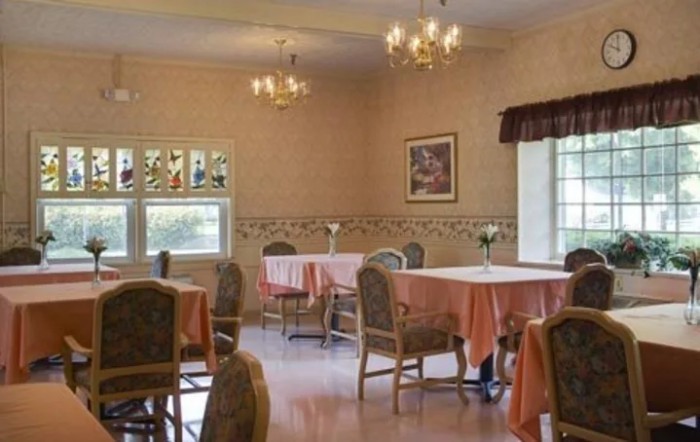
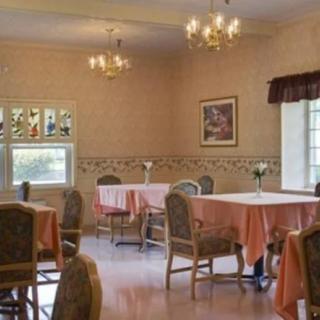
  • Dining room Dining roomDining rooms are important for seniors as they provide a space for socialization, connection, and nutritious meals. They offer opportunities for residents to bond over shared meals, foster a sense of community, and promote healthy eating habits. Dining rooms also ensure that seniors have access to well-balanced meals tailored to their dietary needs and preferences.
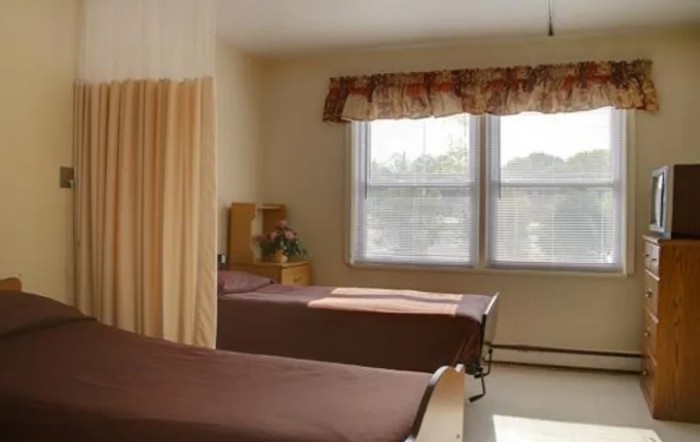
  • Fully furnished Fully furnishedFully furnished senior living communities are important for seniors because they provide convenience, comfort, and a hassle-free moving experience. Seniors can easily settle into their new living space without the stress of having to buy and move furniture. This allows them to focus on enjoying their new home and community.
  • Garden GardenGardens are important for seniors as they provide a peaceful and therapeutic environment for relaxation, physical activity, and socialization. Being in nature has been shown to reduce stress, improve mood, and promote overall well-being. Gardens also offer opportunities for seniors to engage in gardening activities, which can improve mobility, flexibility, and cognitive function. Additionally, gardens create a sense of community and connection with others who share a passion for plants and outdoor spaces.
  • Housekeeping services Housekeeping servicesHousekeeping services are important for seniors because they help maintain a clean and safe living environment, promote independence, and reduce the risk of accidents or illnesses. Additionally, having assistance with household chores can alleviate physical strain and allow seniors to focus on other aspects of their well-being.
  • Kitchenette KitchenetteKitchenettes are important for seniors living in senior living communities because they provide the convenience and independence of being able to prepare simple meals and snacks in the comfort of their own living space. This can help promote a sense of autonomy and well-being for seniors, allowing them to maintain some level of control over their dietary choices and daily routines.
  • Move-in coordination Move-in coordinationMove-in coordination is important for seniors because it helps ease the transition into their new living environment. It ensures that all logistics, such as packing, organizing movers, and setting up utilities are taken care of, allowing seniors to focus on settling in and adjusting to their new home. Having a smooth move-in process can alleviate stress and anxiety, making the transition smoother and more enjoyable for seniors.
  • Outdoor space Outdoor spaceOutdoor spaces are important for seniors as they provide opportunities for physical activity, social interaction, exposure to natural light and fresh air, and a sense of connection to nature. Having access to outdoor spaces can improve overall well-being and quality of life for older adults living in senior communities.
  • Restaurant-style dining Restaurant-style diningRestaurant-style dining is important for seniors because it allows them to enjoy delicious, nutritious meals in a social and upscale setting. This enhances their dining experience, promotes healthy eating habits, and fosters socialization with fellow residents, ultimately contributing to their overall well-being and quality of life.
  • Small library Small librarySmall libraries are important for seniors as they provide access to a variety of reading materials, including books, newspapers, and magazines. This can help stimulate their minds, keep them engaged, and provide a sense of community through book clubs and other social activities. Additionally, reading has been shown to improve cognitive function and overall mental well-being in older adults.
  • Telephone TelephoneTelephones are important for seniors as they provide a lifeline for communication with loved ones, emergency services, and healthcare providers. They offer a sense of security and independence, enabling seniors to stay connected and access assistance when needed.
  • Wi-Fi/high-speed internet available Wi-Fi/high-speed internet availableWi-Fi/high-speed internet is important for seniors to stay connected with loved ones, access online resources, and participate in virtual activities to combat feelings of loneliness and isolation. It also allows them to easily manage healthcare needs, access entertainment, and engage in lifelong learning opportunities.

Transportation

  • James M Cox Dayton International (21 miles away) James M Cox Dayton International (21 miles away)

Care Services

  • 24-hour call system 24-hour call system24-hour call systems are important for seniors because they provide peace of mind and immediate assistance in case of emergencies. This technology ensures that help is always available, promoting safety and security for elderly individuals living alone or in assisted living facilities.
  • 24-hour supervision 24-hour supervision24-hour supervision is important for seniors to ensure their safety, well-being, and access to immediate assistance in case of emergencies or health issues. This constant support provides peace of mind for both seniors and their loved ones, allowing them to age in place with dignity and security.
  • Activities of daily living assistance Activities of daily living assistanceActivities of daily living assistance are important for seniors because they provide essential support with tasks such as eating, bathing, dressing, and mobility. This assistance helps seniors maintain their independence, dignity, and overall quality of life as they age.
  • Assistance with bathing Assistance with bathingAssistance with bathing is crucial for seniors as it helps maintain personal hygiene, prevents infections, and ensures their overall well-being and comfort. It also provides a sense of dignity and independence for seniors who may struggle with this task on their own.
  • Assistance with dressing Assistance with dressingAssistance with dressing is important for seniors because it helps maintain their independence, promotes personal hygiene, prevents accidents and injuries, and improves overall quality of life. This service ensures that seniors can continue to dress comfortably and confidently, despite any physical limitations they may have.
  • Assistance with transfers Assistance with transfersAssistance with transfers is crucial for seniors as it helps prevent falls and injuries, maintains their independence, and ensures they can safely navigate their living environment. It also provides peace of mind for both seniors and their loved ones.
  • Diabetes diet Diabetes dietA diabetes diet is crucial for seniors as it helps manage blood sugar levels, reduce risks of complications, and improve overall health and well-being. By following a balanced and nutritious diet tailored to their specific needs, seniors can better control their diabetes and enhance their quality of life.
  • Meal preparation and service Meal preparation and serviceMeal preparation and service are crucial for seniors as they may have limited mobility or energy to cook nutritious meals. Having access to healthy and convenient food options can ensure they are getting the proper nutrition needed to maintain their overall health and well-being.
  • Medication management Medication managementMedication management is crucial for seniors to ensure they are taking the right medications at the correct dosages and times. This helps prevent adverse drug interactions, reduces the risk of medication errors, and promotes overall health and well-being. Proactive management also allows for adjustments as needed based on changing health conditions or new prescriptions.
  • Mental wellness program Mental wellness programMental wellness programs are essential for seniors as they promote cognitive stimulation, emotional support, and social engagement. These programs help prevent isolation, depression, and cognitive decline, ultimately enhancing the overall quality of life for older adults.
  • Special dietary restrictions Special dietary restrictionsSpecial dietary restrictions are important for seniors because age-related changes in metabolism and health conditions can make it difficult for their bodies to process certain foods. By following a diet tailored to their specific needs, seniors can maintain their overall health and well-being, manage chronic conditions, and reduce the risk of complications such as malnutrition or food interactions with medications.
Dining

  • Diabetes diet Diabetes dietA diabetes diet is crucial for seniors as it helps manage blood sugar levels, reduce risks of complications, and improve overall health and well-being. By following a balanced and nutritious diet tailored to their specific needs, seniors can better control their diabetes and enhance their quality of life.
  • Special dietary restrictions Special dietary restrictionsSpecial dietary restrictions are important for seniors because age-related changes in metabolism and health conditions can make it difficult for their bodies to process certain foods. By following a diet tailored to their specific needs, seniors can maintain their overall health and well-being, manage chronic conditions, and reduce the risk of complications such as malnutrition or food interactions with medications.

Activities

  • Community-sponsored activities Community-sponsored activitiesCommunity-sponsored activities are important for seniors as they provide opportunities for social interaction, mental stimulation, and physical activity. These activities can help improve overall well-being, combat loneliness and isolation, and promote a sense of belonging and purpose among older adults.
  • Resident-run activities Resident-run activitiesResident-run activities are important for seniors as they encourage social interaction, creativity, and a sense of autonomy. These activities empower seniors to stay engaged and active in their community while fostering meaningful connections with their peers.
  • Scheduled daily activities Scheduled daily activitiesScheduled daily activities are important for seniors because they provide structure, socialization, mental stimulation, and physical activity. Engaging in regular activities can improve overall well-being and quality of life for seniors living in a community setting.

Description

Arbors At Springfield in Springfield, OH is an assisted living community that offers a wide range of amenities and care services to ensure the comfort and well-being of its residents. With cable or satellite TV, Wi-Fi/high-speed internet, and a small library, residents have plenty of options for entertainment and staying connected with their loved ones. The community also provides fully furnished accommodations with kitchenettes for those who prefer to cook their own meals.

The staff at Arbors At Springfield provide 24-hour supervision and assistance with activities of daily living such as bathing, dressing, and transfers. They also offer medication management to ensure that residents are taking their medications as prescribed. Additionally, a mental wellness program is available to support the emotional and psychological health of the residents.

When it comes to dining, Arbors At Springfield takes into consideration special dietary restrictions and offers a variety of meal options prepared by professional chefs. Residents can enjoy restaurant-style dining in a pleasant atmosphere.

To encourage socialization and engagement, the community organizes resident-run activities as well as scheduled daily activities. This allows residents to participate in various recreational pursuits tailored to their interests and abilities.

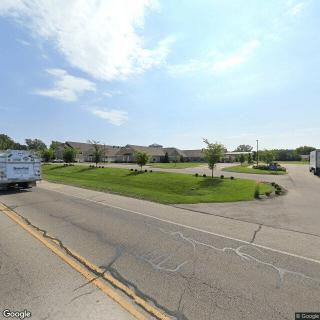
Located near several cafes, parks, pharmacies, physicians' offices, restaurants, places of worship, theaters, and hospitals, Arbors At Springfield offers convenience and easy access to essential amenities and services within the surrounding area.

Overall, Arbors At Springfield is dedicated to providing a comfortable living environment where seniors can receive personalized care while enjoying an active lifestyle within a vibrant community.

Nearby Places of Interest

Physicians

  • Dr Arthur Winn (0.1 miles)
  • Dayton Colon & Rectal Center (0.2 miles)
  • Belisle Robert J DO, Mercycrest Medical Arts Building (0.6 miles)
  • Shaid Bashir MD (0.6 miles)
  • Hometown Hearing (0.6 miles)
  • Doc Pain Management Centers (0.6 miles)
  • Galluch David B MD (0.6 miles)

Pharmacies

  • Harding Road Pharmacy (0.2 miles)
  • Meijer Pharmacy (0.6 miles)
  • Walgreens (0.9 miles)
  • Madison Avenue Pharmacy (1 miles)
  • Whitacre's Pharmacies (2 miles)
  • CVS Pharmacy (2.2 miles)
  • Rite Aid (2.9 miles)

Restaurants

  • Burger King (0.4 miles)
  • Subway (0.6 miles)
  • Five Guys Burgers & Fries (0.6 miles)
  • Chipotle Mexican Grill (0.7 miles)
  • McDonald's (0.7 miles)
  • Arby's (0.8 miles)
  • Raising Cane's Chicken Fingers (0.8 miles)

Cafes

  • Coffee Expressions (0.5 miles)
  • Starbucks (0.7 miles)
  • Tim Hortons (0.7 miles)
  • Tim Hortons (1.4 miles)
  • Tim Hortons (2.6 miles)

Hospitals

  • Springfield Regional Imaging Center (0.5 miles)
  • Mercy Medical Center (0.5 miles)
  • Ohio Institute of Cardiac Care (0.9 miles)
  • Clark County Mental Health (1 miles)
  • Springfield Regional Medical Center (1.1 miles)
  • Springfield Regional Cancer Center (1.2 miles)
  • Springfield Urology (1.7 miles)

Places of Worship

  • Cornerstone Baptist Church (1.3 miles)
  • Southern Baptist Convention (2.1 miles)
  • Grace Covenant Fellowship (2.2 miles)
  • Maplewood Church of the Nazarene (3.5 miles)
  • New Moorefield United Methodist Church (6.4 miles)

Theaters

  • Cinema 10 (3.5 miles)

Parks

  • CJ Brown Playground (3.6 miles)
  • Moorefield Family Park (4.4 miles)
  • John Bryan State Park (11.2 miles)

Frequently Asked Questions

Where is Arbors At Springfield?
What photos are available for Arbors At Springfield in Springfield, Ohio?

Nearby Communities

  • Hearth & Home at Harding

    Hearth & Home at Harding

    Springfield, OH

    4.3 from 9 reviews
    $3,626 to $5,179 / month

    pro Helpful staff and clean, well-maintained facilities.


  • Clark Memorial Home

    Clark Memorial Home

    Springfield, OH

    3.9 from 8 reviews
     

    pro Caring staff, clean environment, and delicious meals.

  • Springfield Nursing And Independent Living

    Springfield Nursing And Independent Living

    Springfield, OH


    pro Continuum of care from independent living to skilled nursing on one campus.

  • Prestwick Village

    Prestwick Village

    Springfield, OH


    pro Intimate, personalized setting with easy access to nearby amenities and healthcare.

  • Wooded Glen

    Wooded Glen

    Springfield, OH

     
    $2,080 to $3,600 / month

    pro Competitive pricing with multiple living options and robust amenities.

  • Home Instead Senior Care - Springfield,  OH

    Home Instead Senior Care - Springfield, OH

    Springfield, OH

     
    $2,700 / month

    pro Private accommodations at $2,700/mo, cheaper than county/state averages, with convenient access to pharmacies, physicians, restaurants, theaters, and hospitals nearby.

  • Wooded Glen Health Campus

    Wooded Glen Health Campus

    Springfield, OH

    4.1 from 43 reviews
     

    pro Beautiful, brand-new facility with pleasant dining and friendly staff.

  • Northwood Assisted Living

    Northwood Assisted Living

    Springfield, OH

    3.7 from 45 reviews
    $2,355 to $2,670 / month

    pro Clean, welcoming environment with friendly staff, engaging activities, and affordable monthly rates.

  • Comfort Keepers of Springfield,  OH

    Comfort Keepers of Springfield, OH

    Springfield, OH


    pro Close to cafes, parks, healthcare, dining, worship, and entertainment.

Related Resources

  • uber for seniorsSeniors and Modern Transportation: Exploring Uber, Lyft, and Other Ride-Hailing Options
    Seniors benefit from ride-hailing services like Uber and Lyft, which provide convenient and accessible transportation options that promote independence and social engagement, while addressing mobility challenges. These platforms have adapted to meet senior needs with user-friendly features and safety measures, although costs can be a concern; community programs may help subsidize rides for older adults.

  • who qualifies for home health care servicesComprehensive Guide to Qualifying for Home Health Care Services

    The guide outlines the eligibility criteria for home health care services, emphasizing clinical requirements, insurance options, and application processes. It distinguishes between Medicare's strict and Medicaid's flexible qualifications while addressing challenges families may face in securing necessary care at home.

  • what is elder abusePowerful Realities of Elder Abuse and the Most Effective Ways to Report It
    Elder abuse affects many older adults worldwide and includes physical, emotional, neglectful, and financial harm, with about one in six individuals over 60 experiencing abuse annually. Prevention and intervention strategies focus on awareness, support for caregivers, and mandatory reporting, while recovery necessitates comprehensive support for both physical and emotional needs.