Residents and families frequently describe caring, attentive staff.
Many reviews emphasize that staff members are dedicated to residents and families, with frequent mentions of kindness, compassion, and “go above and beyond” help. Several reviewers also describe specific individuals providing support during rehab or daily needs, along with patience when explaining medications or working through recovery. A minority of reviews report serious breakdowns in care or responsiveness, including late or missed medication, difficulties reaching nurses, and concerns about how staff interacted during emergencies.
common
Rehab care and therapy support
Rehab experiences are a major focus in reviews.
A large portion of the feedback comes from people who were at the community for rehabilitation, often describing physical and occupational therapy as encouraging and helpful. Some residents or families say the staff made exercises more manageable and helped support progress toward returning home. Others raise concerns specific to rehab timelines and basic support needs, such as delays getting help for toileting, bathing issues, or pain medication not arriving when expected.
common
Food quality and meal handling
Meals come up often, with praise and complaints.
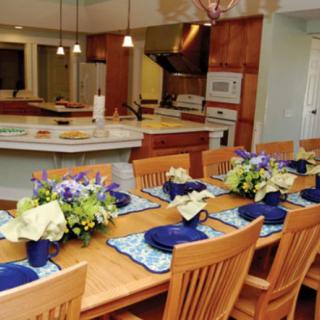
Many reviews mention food positively, describing it as delicious, home-like, or something residents look forward to, and some note accommodations. Other reviews are sharply negative about meal service, including reports of food being cold, lack of specific dietary support, and medication or meal timing issues affecting care. Taken together, reviews suggest that dining quality can vary by stay and situation.
caveat
Care and communication issues
Some reviews report communication and care failures.
A recurring concern in the lower-rated reviews is difficulty getting timely help, including problems reaching nurses by phone or other departments and long waits for assistance. Several negative reviews also describe medication timing concerns and attention to medical needs, such as wound changes or diabetes-related care. Other complaints include issues with safety and basic support during short stays, like missed baths, equipment problems, or concerns raised after urgent incidents.
common
Room comfort and cleanliness
Many reviews describe a clean, homelike setting.
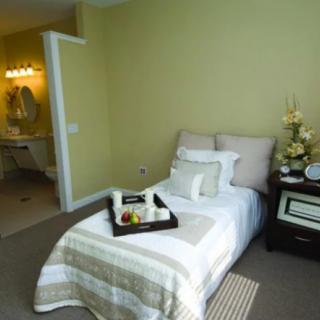
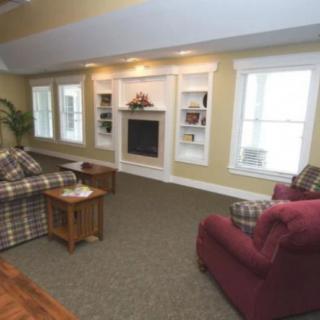
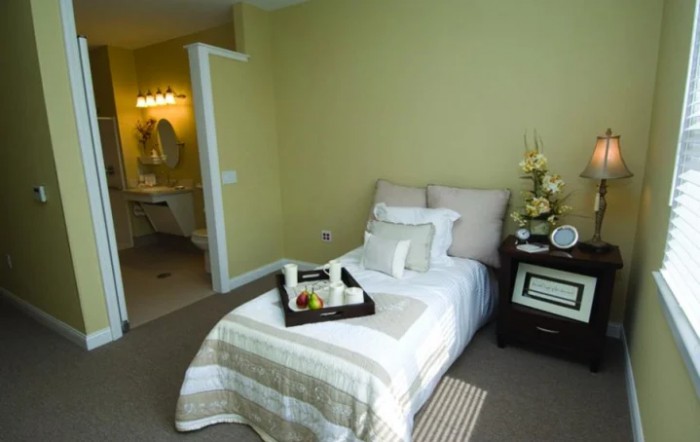
Several reviewers describe the facility as clean and calming, with room setups that feel more like a suite than an institution. Families also mention a home-like neighborhood feel and comfort when spending time with loved ones. A smaller number of reviews contradict this by calling out cleanliness problems or describing unacceptable conditions during short rehab stays.
How we summarize
We summarize when many written reviews mention each theme; a review can touch several themes, and only frequently mentioned themes are displayed.
Features
Housing
50 resident community capacity
Types of Care
Skilled Nursing Facility
Amenities
Beauty salon
Cable or satellite TV
Dining room
Fully furnished
Garden
Housekeeping services
Kitchenette
Move-in coordination
Outdoor space
Restaurant-style dining
Small library
Telephone
Wi-Fi/high-speed internet available
Care Services
24-hour call system
24-hour supervision
Activities of daily living assistance
Assistance with bathing
Assistance with dressing
Assistance with transfers
Diabetes diet
Meal preparation and service
Medication management
Mental wellness program
Special dietary restrictions
Dining
Diabetes diet
Special dietary restrictions
Activities
Community-sponsored activities
Resident-run activities
Scheduled daily activities
Videos
Nearby Places of Interest
Places of Worship
Motherless Daughters Ministry (0.7 miles)
Crosspointe Community Church (3.6 miles)
Heritage Presbyterian Church (5 miles)
Axis Christian Church (5.3 miles)
Epiphany United Methodist Church (5.7 miles)
Mason Christs Church At (5.8 miles)
Four Corners Church (8.4 miles)
Pharmacies
CVS Pharmacy (1.3 miles)
Walgreens (1.4 miles)
CVS Pharmacy (4.2 miles)
Walgreens (4.9 miles)
Assure Rx Health (5.3 miles)
Walmart Pharmacy (5.3 miles)
Skilled Care Pharmacy (6.2 miles)
Restaurants
Shooters Sports Grill (1.6 miles)
The Monkey Bar & Grille (1.7 miles)
Skyline Chili (2 miles)
Taco Bell (2 miles)
Cartridge Brewing (2.5 miles)
Eli's Sports Bar & Grill (3.2 miles)
Taco Bell (3.4 miles)
Parks
Wedgewood Park (2 miles)
Bigfoot Run Dog Park (3.8 miles)
Phegley Park (5.2 miles)
Warren County Veteran's Park (5.7 miles)
Cottell Park (6 miles)
Fleckenstein Park (6.5 miles)
Weller Park (6.5 miles)
Transportation
KI/Miami Valley Railroad - Losantiville Station (3 miles)
Hospitals
Midwest Process Innovation (3 miles)
Micu 4 (4.9 miles)
Cincinnati Children's (5 miles)
TriHealth Seniority - TriHealth Bethesda North Hospital (8 miles)
Trihealth Connect Training (8.3 miles)
West Chester Hospital (8.3 miles)
Cincinnati Children's Hospital Medical Center Liberty Campus (8.8 miles)
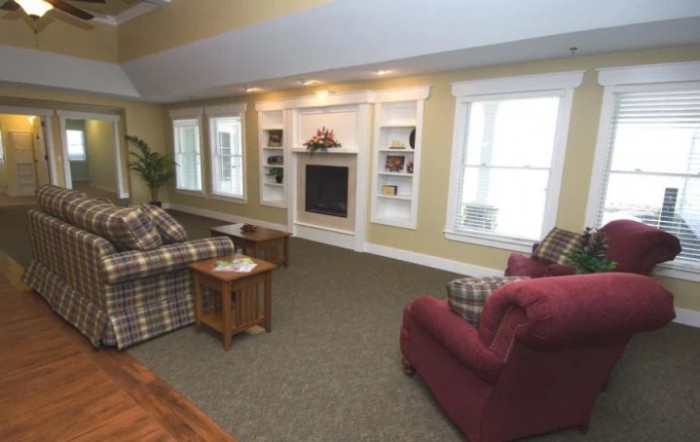
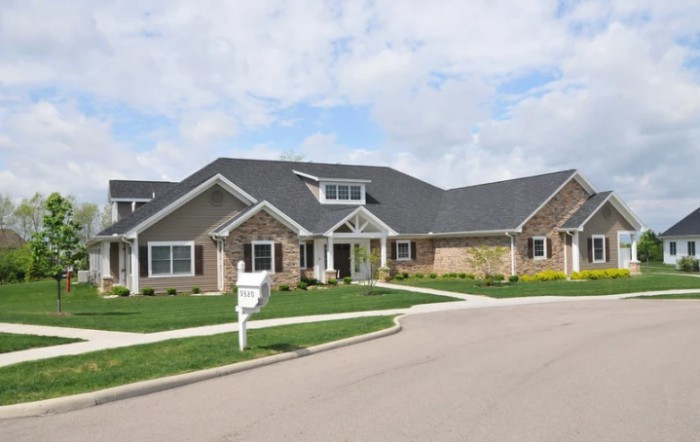
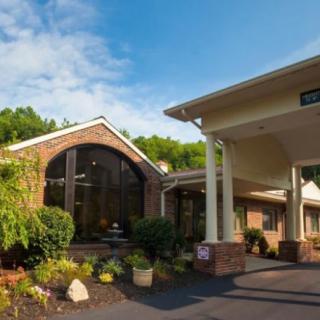
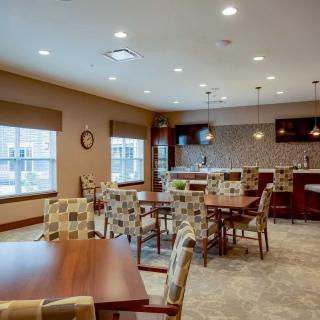
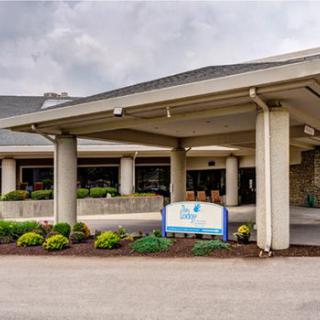
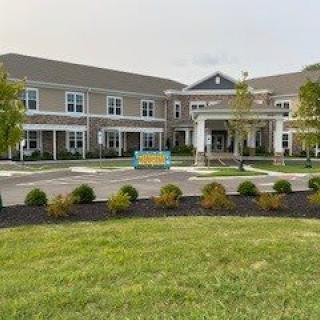
Otterbein At Maineville on seniors.fyi includes 5 photos including images showing interior, bathroom, bedroom, decor, architecture, landscaping, accessible, shower, and more.
Nearby Communities
Hopkins Commons
Maineville, OH
4.3 from 90 reviews
$905 to $1,280 / month
Friendly, responsive staff and a welcoming 55+ community with attractive apartments and many amenities.
Abode Advantage LLC
Maineville, OH
5 from 1 review
$4,635 / month
Extensive amenities and services, including diverse dining, wellness care, accessibility, and spiritual offerings.
Abode Advantage
Maineville, OH
5 from 1 review
Small, personalized assisted living with comprehensive services.
Loveland Health Care Center
Loveland, OH
4 from 28 reviews
Comfortable, clean environment with attentive staff and engaging activities.
Union Village Retirement Community
South Lebanon, OH
5 from 1 review
Vibrant assisted living in a peaceful setting with abundant nearby amenities.
Traditions of Deerfield
Loveland, OH
3.8 from 92 reviews
$3,995 to $5,895 / month
Exceptional staff, clean, welcoming environment, with engaging activities and clear family communication.
Deerfield Springs Retirement Resort
Loveland, OH
4.6 from 45 reviews
$3,197 to $4,434 / month
Warm, friendly staff and a strong sense of community, with well-maintained facilities and engaging activities.
The Lodge Retirement Community
Cincinnati, OH
3.9 from 82 reviews
$2,126 to $4,347 / month
Friendly, attentive staff; engaging activities; clean, welcoming environment; affordable pricing for the area.
BrightStar Living of Mason
Mason, OH
4.7 from 79 reviews
$4,000 to $4,700 / month
Caring staff with personalized care, clear family communication, and a bright, engaging environment.
The article highlights the importance of empathy and open communication when comforting someone who is grieving, noting that grief is unique to each individual and emphasizing the need for sincere expressions of condolence, active listening, and ongoing support. It also addresses cultural differences in mourning practices and encourages tailored approaches to provide effective comfort.
Home health care aides provide vital medical and non-medical support to individuals at home, assisting with daily living activities and promoting emotional well-being, while the demand for these services increases due to an aging population. Families benefit from in-home care's flexibility and cost-effectiveness but face challenges like scheduling consistency and caregiver turnover.
Older adults with urinary tract infections (UTIs) often present atypical symptoms, complicating diagnosis due to factors like incomplete bladder emptying and chronic health conditions that increase their susceptibility. Effective management involves prompt treatment with antibiotics, hydration, and preventive strategies while minimizing antibiotic resistance and focusing on holistic care approaches.
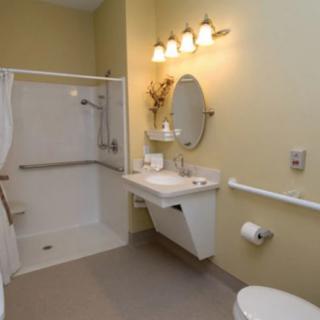
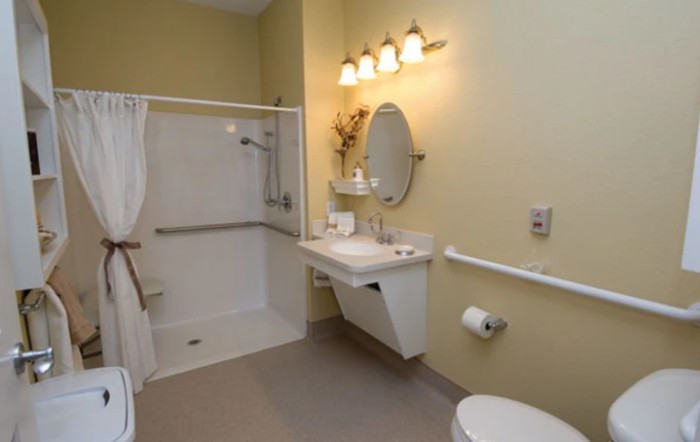
Bathroom, Lighting, Shower, Grab Bars, and Accessible
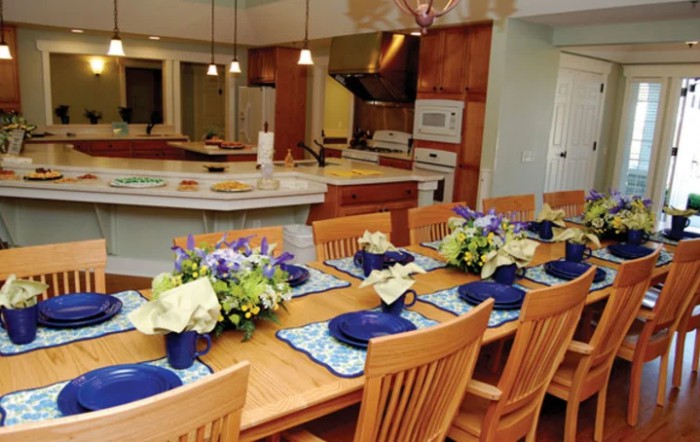
Kitchen and Dining Table
Get PricingAsk A QuestionSchedule A TourContact Senior Advisor
By clicking submit, you agree to our Partner's Terms of Use. You
also consent to receive calls and texts, which may be autodialed, from our Partner. Your consent is not a condition to
using our Partner's service. Please visit our Partner's Privacy Policy for information about their privacy practices.

 50 resident community capacity
 Skilled Nursing Facility
 Beauty salon
 Cable or satellite TV
 Dining room
 Fully furnished
 Garden
 Housekeeping services
 Kitchenette
 Move-in coordination
 Outdoor space
 Restaurant-style dining
 Small library
 Telephone
 Wi-Fi/high-speed internet available
 24-hour call system
 Activities of daily living assistance
 Assistance with bathing
 Assistance with dressing
 Assistance with transfers
 Diabetes diet
 Medication management
 Mental wellness program
 Special dietary restrictions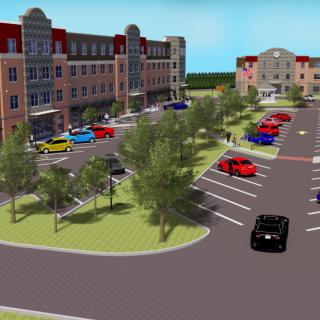
 Friendly, responsive staff and a welcoming 55+ community with attractive apartments and many amenities.



 Compassionate Conversations: How to Comfort Someone Who Is Grieving
 Home Health Care Aides: Understanding Their Role and Supporting Your Family
 Urinary Tract Infections in Older Adults: Comprehensive Insights on Symptoms, Treatment, and Prevention