
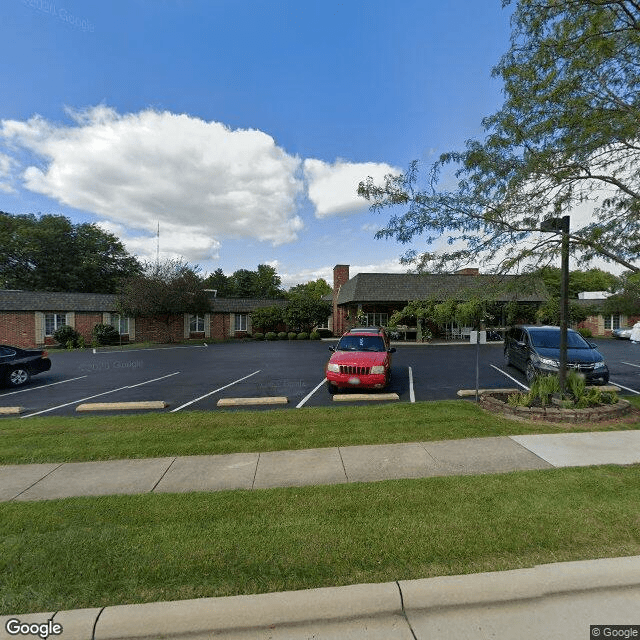
750 Brower Road, Lima, OH 45801
For more information about senior living options: (866) 208-4318
Overall Review of Lima Manor
Pros
 The therapy department is excellent.
- The staff are very accommodating.
- It is a great place for wound care and rehabilitation, and a place you can call home.
- The staff were excellent.
Cons
 The food is horrible; the patient could only eat a hamburger, chips, and ham and bean soup.
- The staff will not answer the call light; the patient’s mother had to call from her room, and an ambulance had to be called.
- They don’t care about their people; this happens often.
- The service is terrible; don’t send your loved ones here; it puts lives at risk.
- The food is cold and disgusting; portions are smaller than a toddler’s; the staff are lazy and rude; the place is a nightmare.
- Medications are not given as written; on the second day no medications were given despite numerous prescriptions.
- The patient could not access discharge medical records until signing out; the prescription nurse said someone would call the police and laughed about it.
Review
Lima Manor in Lima, Ohio is best suited for seniors who specifically need wound care or rehabilitation and are willing to accept a high degree of variability in daily care. The handful of reviews acknowledge a capable rehabilitation motivation and a few staff members who can deliver genuine help, but those positives are sporadic and do not compensate for ongoing safety concerns that recur in many accounts. Families should be prepared to weigh the promise of skilled therapy against troubling gaps in basic service and consistent oversight.
Those weighing care here should explicitly consider alternatives if reliability, promptness, and dignity of daily living are non-negotiable. The most pressing red flags center on response times and attentiveness: call lights routinely go unanswered for long stretches, with one account noting delays of 15 to 45 minutes. The implication is clear, a resident in distress may have to fend for themselves or rely on family intervention, which is not a sustainable or acceptable standard. In addition, medication administration appears inconsistent, with multiple reviews describing doses not given as prescribed and impediments to accessing discharge information. When safety and medical management are compromised, the overall value of any rehab or wound-care capability is undermined.
The positive threads that do surface are real but do not cancel the fundamental concerns. On the plus side, rehab is described in several reviews as attentive, with some staff members cited for good care and a history of acceptance for wound care and rehabilitation needs. A few residents or families report accommodation, staff who respond to requests and a willingness to collaborate on care plans. Yet these benefits are unevenly distributed and frequently overshadowed by sharp complaints about food quality, portion sizes, and basic courtesy. When meals arrive cold and appear to be insufficient for adults, appetite, nutrition, and morale suffer, which in turn can hinder rehab progress and overall well-being.
Medication practices, accessibility to records, and staff demeanor emerge as especially consequential. A repeated concern is that medications are not administered as written, with disturbing anecdotes about delays, miscommunications, and even references to staff not taking patient rights seriously. Coupled with limited access to discharge paperwork and a general sense that procedures may be bypassed or mishandled, these issues erode trust and create a perception that patient safety is secondary to operational hurdles. In a setting where vulnerable adults rely on staff for critical support, these patterns predict avoidable frustrations and potential risk, regardless of how competent the therapy team may be on paper.
Given this landscape, the decision to place a loved one at Lima Manor should be guided by concrete expectations and protective checks. Prospective families should demand transparent, current information on staffing patterns, especially night and weekend coverage, and should request direct demonstrations of call-light responsiveness and medication administration workflows. It is prudent to verify the current dining standards, food temperatures, and portion guidelines, along with a process for consistently honoring physician orders without delays. A thorough visit should include conversations with current residents and families about day-to-day experiences, as well as a review of incident logs and quality-assurance records. If possible, test drive the environment by observing how quickly needs are addressed in a live setting.
In the end, the weight of concern from multiple reviews cannot be dismissed. Lima Manor presents a conflicted profile: legitimate rehab and wound-care potential in a facility that can also exhibit significant lapses in safety, responsiveness, and daily nourishment. For families prioritizing dependable call responsiveness, strict medication control, and consistently satisfactory meals, exploring stronger options in the Lima area is strongly advised. If rehab or wound-care capacity is the primary criterion, and a transparent, well-managed process is demonstrated during due diligence, Lima Manor can be considered, but only with explicit assurances and ongoing oversight.
 85 resident community capacity
 Skilled Nursing Facility
 Air-conditioning
 Beauty salon
 Cable or satellite TV
 Computer center
 Dining room
 Fitness room
 Fully furnished
 Gaming room
 Garden
 Housekeeping services
 Kitchenette
 Move-in coordination
 Outdoor space
 Private bathrooms
 Restaurant-style dining
 Small library
 Telephone
 Wellness center
 Wi-Fi/high-speed internet available
 Community operated transportation
 12-16 hour nursing
 24-hour call system
 Activities of daily living assistance
 Assistance with bathing
 Assistance with dressing
 Assistance with transfers
 Diabetes diet
 Medication management
 Mental wellness program
 Special dietary restrictions
 Concierge services
 Planned day trips



 Caring for Those Who Care: Recognizing, Understanding, and Overcoming Caregiver Burnout
 Caregiver Exhaustion: Recognizing the Signs and Restoring Your Well-Being
 Understanding Hospice Care at Home: Comprehensive Services, Key Benefits, and Eligibility