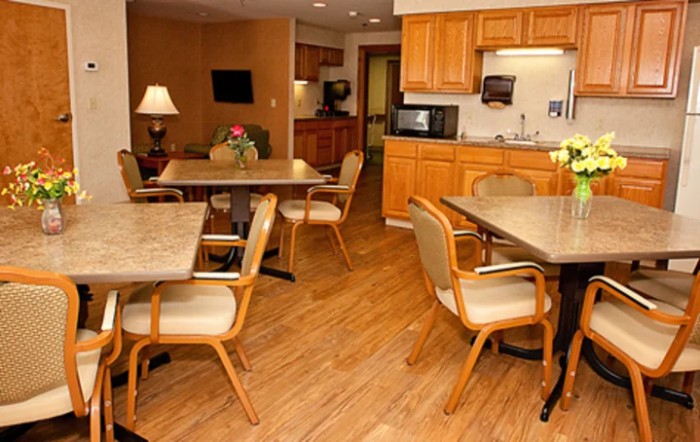
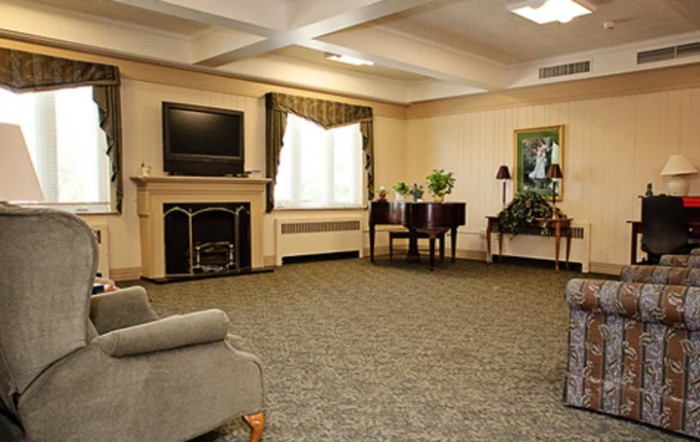
1650 Allentown Road, Lima, OH 45805
For more information about senior living options: (866) 208-4318
Lima Convalescent Home Costs & Pricing
At Lima Convalescent Home, the monthly cost for a one-bedroom unit is set at $3,300. This figure is notably more economical when compared to the average costs within Allen County, which stand at approximately $3,896, and Ohio state-wide averages of around $3,712. By providing competitive pricing below both local and state benchmarks, Lima Convalescent Home positions itself as a financially accessible option for individuals seeking quality care in a comfortable living environment. This balance of affordability and care highlights the home's commitment to supporting residents and their families during crucial times.
| Floor plans | Lima Convalescent Home | Allen County | Ohio |
|---|---|---|---|
| 1 Bedroom | $3,300 | $3,896 | $3,712 |
Skilled Nursing Facilities with a similar price nearby
-
from +$420 / mo

Mennonite Memorial Home
$3,720 to $4,230 / month16.5 miles away -
from -$475 / mo
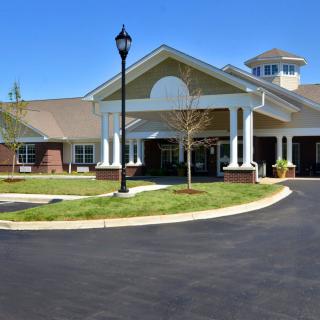
The Springs of Lima
$2,825 to $3,625 / month1.5 miles away
Overall Review of Lima Convalescent Home
Pros
 Residents are described as awesome.
- The facility is described as the best in the Lima area.
- The nurses and staff are caring and compassionate.
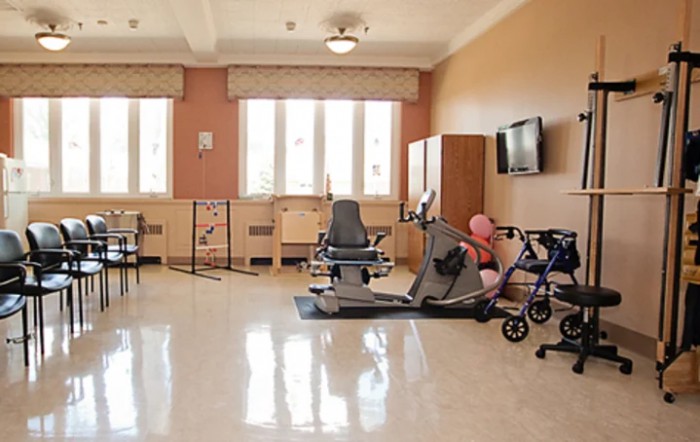
- Rehab services are rated A+.
- The staff are sweet, caring, and hardworking.
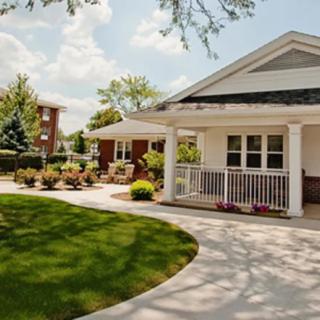
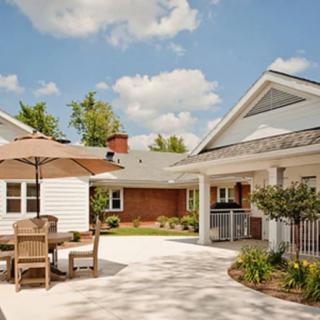
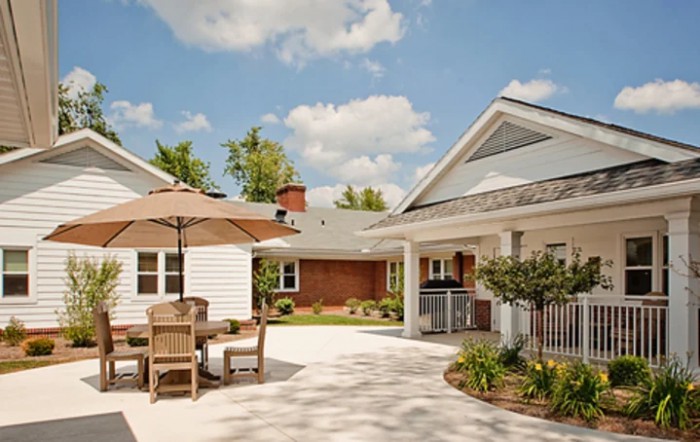
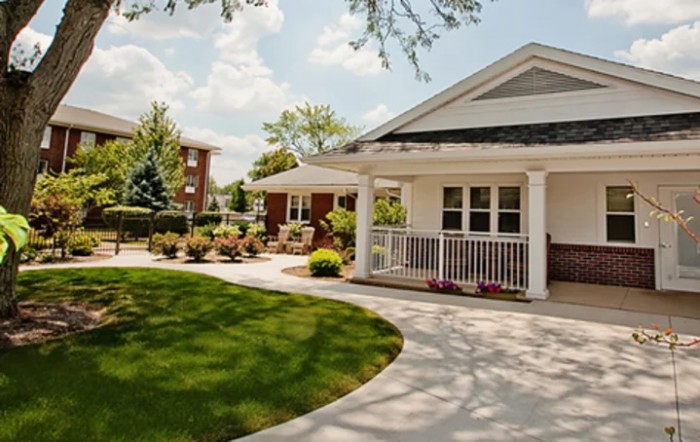
- The greens are gorgeous.
Cons
 The facility is short-staffed and has grumpy, untrained nurse aides.
- Residents are not receiving the care they deserve.
- The reviewer would not send their family to this nursing home and would not choose this facility themselves.
- People should be very aware when considering placing a loved one at this facility.
Review
Lima Convalescent Home is best suited for seniors who need structured rehabilitation and for families that prize sustained, personal attention from a caregiving team. The facility earns praise for nurses and aides who show genuine care, and the physical setting offers a garden-like, welcoming atmosphere that helps residents feel more at ease. When rehabilitation goals are central, gaining strength, restoring independence, and learning to manage daily tasks, the program is repeatedly described as solid and well-coordinated. The experiences of families who have kept loved ones here for years suggest a level of continuity and familiarity that can lower the stress of transitions. In short, this community works best when rehab needs drive the decision and a warm, established caregiving relationship is valued.
Still, potential residents should consider alternatives if staffing consistency is non-negotiable. Several reviews flag low staffing levels and imply that some aides are not adequately trained, which can translate into slower responses and inconsistent daily care. Families seeking a uniformly high level of day-to-day attention across all shifts may find the reality here less predictable. For seniors who require highly reliable, around-the-clock nursing oversight or who insist on uniformly courteous, well-trained staff every hour of every day, other options with stronger staffing benchmarks may be more appropriate.
The strongest positives are clear: caring, compassionate staff and a robust rehab pathway. When therapy teams are actively engaged, residents can make meaningful progress, and the long-standing relationships reported by families can produce a sense of trust and stability unusual for transitional care settings. The positive testimonials about therapy quality and staff dependability are not isolated; they appear alongside claims of a welcoming environment and a degree of continuity that can be hard to find elsewhere. Those factors can offset some concerns about staffing by delivering tangible health gains and emotional comfort.
Yet the main downsides cannot be dismissed. Understaffing and reports of grumpy, undertrained aides tend to erode daily life quality, meal service, personal care, mobility assistance, and timely responses to calls can all be impacted. For residents with higher care needs or those who rely on consistent, proactive support to prevent falls or medication errors, these gaps become significant risk factors. The contrast between positive rehab outcomes and inconsistent day-to-day care creates a spectrum where experiences vary widely, depending on shift coverage and the specific care team assigned at any given time.
For families evaluating this community, several practical steps can clarify fit. Schedule a tour and request to observe multiple shifts to gauge CNA and nurse coverage in real time. Speak with therapy staff about their caseloads and typical timelines for progress, and ask about how staffing shortages are managed on busy days. Probe the nurse manager about how care plans are updated and communicated to families, and review recent state inspection results for the most current compliance picture. If possible, talk with current residents or family members about call-bell response times and daily routines to get a grounded sense of consistency.
The bottom line is nuanced: the facility delivers strong rehabilitation potential and can feel like a welcoming, stable home for residents who prize relationships with a loving staff and value the momentum of therapy. However, staffing variability and reported caregiver frustration on some shifts temper that appeal. For families with flexible expectations around day-to-day staffing and a clear priority on rehab outcomes and relational warmth, Lima Convalescent Home can be a compelling choice. For others, especially those needing unwavering staffing reliability and consistently high-touch daily care, alternatives that demonstrate steadier staffing metrics should be explored, and tours should focus on real-world, shift-by-shift practice.
 80 resident community capacity
 Skilled Nursing Facility
 Air-conditioning
 Beauty salon
 Cable or satellite TV
 Computer center
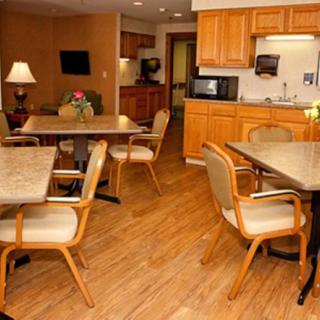
 Dining room
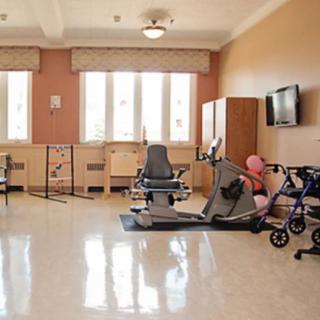
 Fitness room
 Fully furnished
 Gaming room
 Garden
 Housekeeping services
 Kitchenette
 Move-in coordination
 Outdoor space
 Private bathrooms
 Restaurant-style dining
 Small library
 Telephone
 Wellness center
 Wi-Fi/high-speed internet available
 Community operated transportation
 12-16 hour nursing
 24-hour call system
 Activities of daily living assistance
 Assistance with bathing
 Assistance with dressing
 Assistance with transfers
 Diabetes diet
 Medication management
 Mental wellness program
 Special dietary restrictions
 Concierge services
 Planned day trips



 Comprehensive Guide to Qualifying for Home Health Care Services
 Powerful Realities of Elder Abuse and the Most Effective Ways to Report It
 Ten Vital Duties of a Senior Caregiver: A Comprehensive Guide