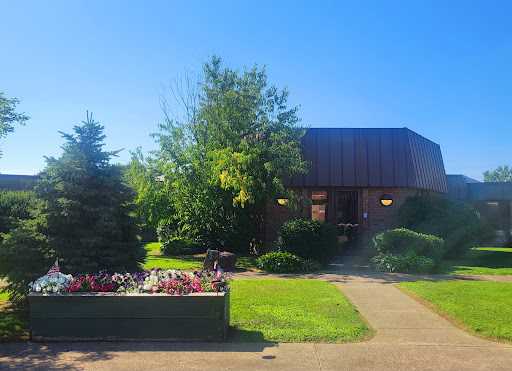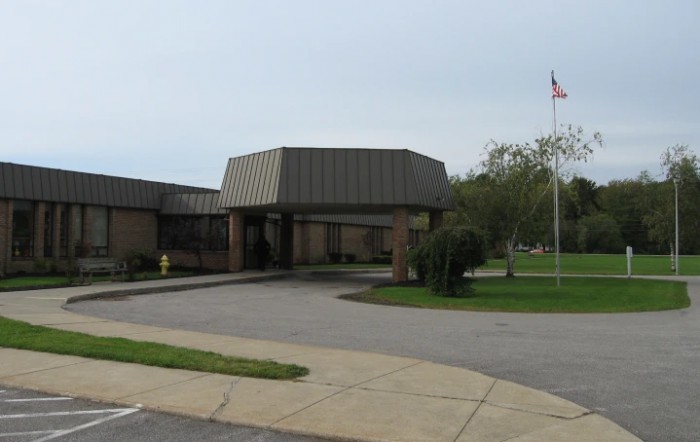
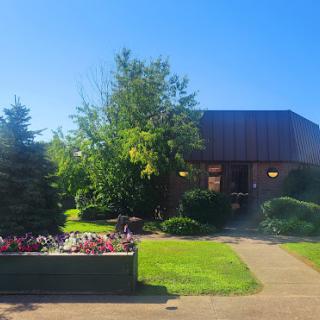
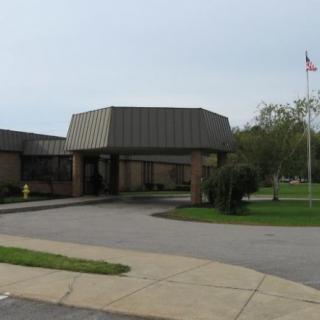
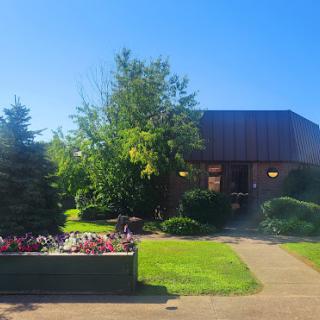

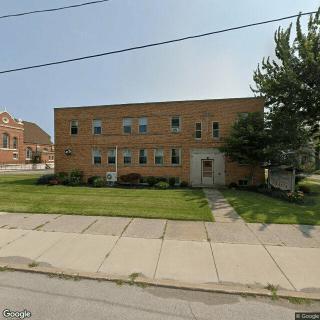
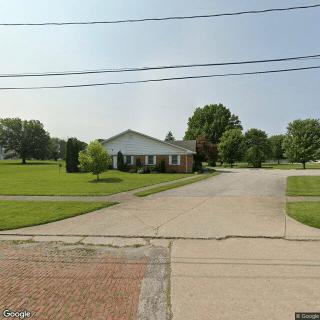
5740 Dibble Road, Kingsville, OH 44048
For more information about senior living options: (866) 208-4318
Overall Review of Ashtabula County Nursing Home
Pros
 The facility is amazing, and Kristy is an amazing worker.
- It is described as the best place to be, with five-star ratings.
- It is a caring facility with a family atmosphere where the staff gives it their all.
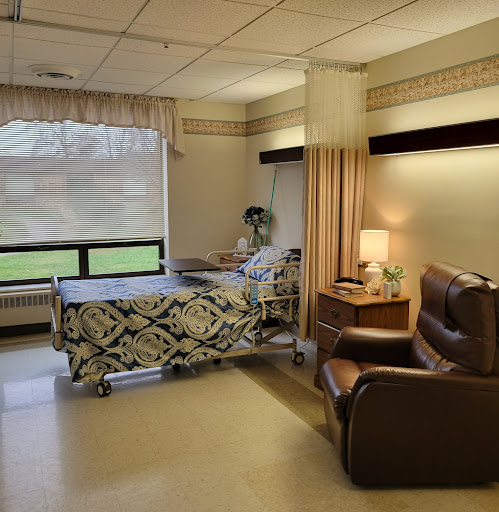
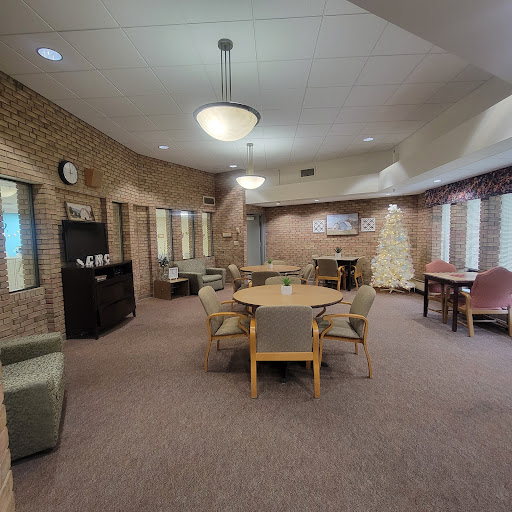
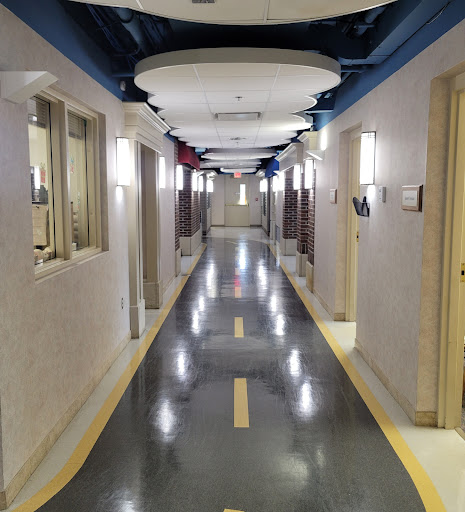
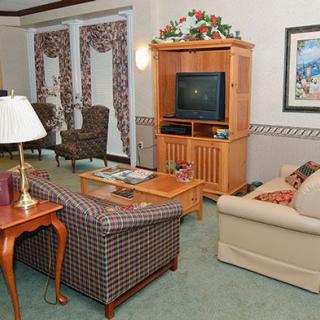
- It features wonderful, caring, and compassionate staff, great food, engaging activities for residents, and a clean environment.
- The nurses are very friendly, and the overall staff is supportive.
- The center has a quality group of caregivers and healthcare professionals who provide excellent patient care.
- It is a good place to retire from, where residents receive great care.
Cons
 The facility is described as very bad, with the aunt being treated poorly and beds not changed or cleaned.
 - The nursing staff are said not to take care of patients and not to know how to manage feeding tubes; a nurse was observed yelling at a patient.
- There is concern about understaffing, with one nurse tending to 25 residents and meds taking forever to be delivered.
- Call bells supposedly go unanswered for long periods, while staff sit at their stations on their phones and residents yell for help.
Review
This community is best suited for families seeking a warm, family-like atmosphere where caregivers build meaningful relationships with residents and maintain a clean, pleasant living environment. It is especially fitting for seniors who value steady routines, reliable daily activities, and staff who demonstrate genuine care and dedication. The setting often feels like a welcoming home more than a sterile institution, with a proven track record of friendly interactions and consistent engagement that can support emotional well-being as memory or mobility challenges arise. For residents who prioritize social warmth and dependable companionship from staff, this facility delivers.
Those weighing alternatives should note that this is not the strongest option for families prioritizing specialized memory-care programming with high staffing ratios, or for those seeking aggressive, highly responsive rehabilitation with guaranteed med administration timeliness. The criticisms echo a common tension in mid-sized, community-centered homes: when demand is high or patient complexity spikes, gaps can appear in staffing coverage or responsiveness. If the top criteria include robust memory-care expertise, rapid, uninterrupted medical oversight, or highly specialized therapies, other facilities with more focused programs may fit better.
The strongest positives lie in the human factors: a caring, stable team across departments, and a sense of belonging that permeates daily life. Reviewers repeatedly credit the staff for their compassion and commitment, noting a family atmosphere that translates into meaningful interactions, personalized attention, and a culture of going the extra mile. The facility also earns praise for its cleanliness, good food, and a steady slate of activities that keep residents engaged. Longevity among staff members contributes to continuity of care, reducing the friction that can come with frequent turnover and helping residents and families feel known and understood.
Yet, there are clear drawbacks that cannot be ignored. Several accounts describe staffing strains on busy shifts, with delays in medication administration and call-bell responsiveness that leave residents waiting. Complaints include moments when care routines felt inconsistent, with some staff appearing overwhelmed or preoccupied, and even isolated incidents of perceived neglect or poor treatment. A few reviews point to memory-care gaps and a perception that not all wings receive the same level of attention. These concerns underscore a risk of uneven experiences, particularly for residents with higher acuity or complex needs.
How the favorable elements balance the drawbacks hinges on individual priorities. The built-in strengths, stable, caring staff; a home-like atmosphere; clean, well-kept facilities; and a robust menu and activity program, create a supportive core that can offset slower responses on demanding days and a few missed beats in service delivery. Families who prize trust, continuity, and social vitality will likely accept occasional delays as a trade-off for a nurturing environment where staff know residents personally and residents feel valued. In short, the heart of this community is its people, and their steadfast compassion often makes up for imperfect processes.
For decision-making, this community shines for families prioritizing warmth, community belonging, and dependable daily life in a clean, agreeable setting. It is a solid choice when the emphasis is on emotional comfort, social engagement, and consistent but sometimes imperfect hands-on care from a compassionate team. However, for those with primary needs in high-level memory support, intensive rehab with guaranteed staffing metrics, or unwavering med-pass precision, alternatives should be explored. Prospective families should visit at different times, ask pointed questions about staffing ratios and med-pass practices, observe call-bell response in real time, and discuss the current team’s experience with memory care if applicable. That due diligence will reveal whether the balance of heart and hands here aligns with the resident’s specific care goals.
 133 resident community capacity
 Skilled Nursing Facility
 Air-conditioning
 Beauty salon
 Cable or satellite TV
 Computer center
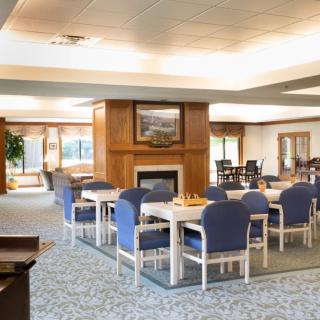
 Dining room
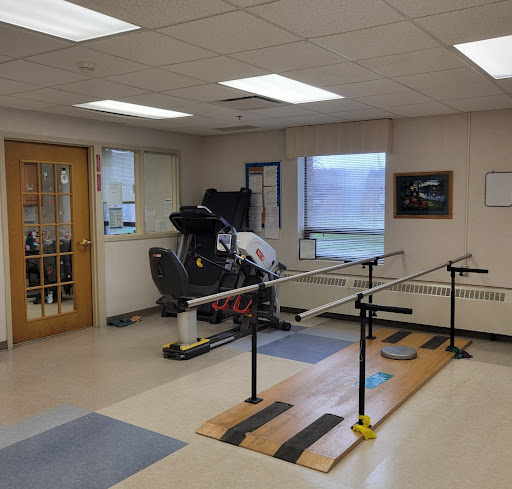
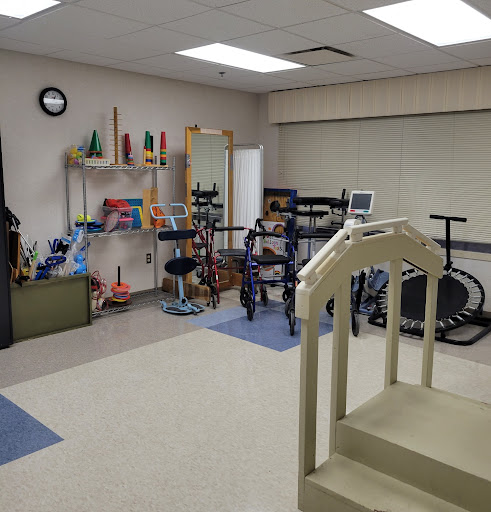
 Fitness room
 Fully furnished
 Gaming room
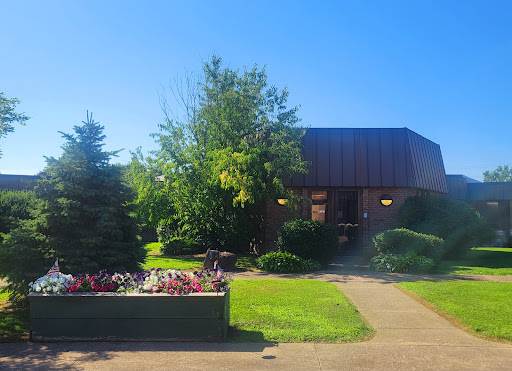
 Garden
 Housekeeping services
 Kitchenette
 Move-in coordination
 Outdoor space
 Private bathrooms
 Restaurant-style dining
 Small library
 Telephone
 Wellness center
 Wi-Fi/high-speed internet available
 Community operated transportation
 12-16 hour nursing
 24-hour call system
 Activities of daily living assistance
 Assistance with bathing
 Assistance with dressing
 Assistance with transfers
 Diabetes diet
 Medication management
 Mental wellness program
 Special dietary restrictions
 Concierge services
 Planned day trips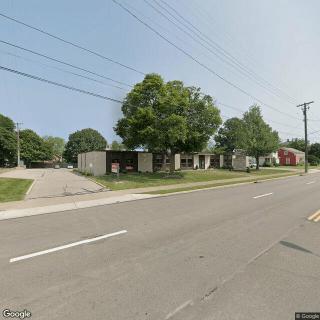



 Understanding Home Health Care: A Comprehensive Guide
 Home Health Care Demystified: A Comprehensive Guide for Families and Caregivers
 Seniors and Modern Transportation: Exploring Uber, Lyft, and Other Ride-Hailing Options