

3418 Lake Ave, Ashtabula, OH 44004
To contact a resident: (440) 992-9774
For more information about senior living options: (866) 208-4318
Overall Review of Silver Sands Shared Residency
Pros
 Silver Sands Shared Residency is an excellent facility.
- They are very diligent.
- They assist residents with bathing and bring medications.
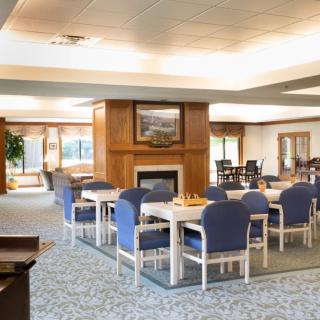
- The staff are friendly and the dining is good.
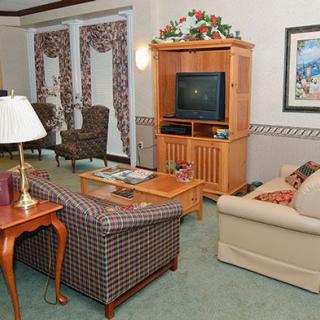
- The rooms are clean and there are various room sizes.
- The reviewer would absolutely recommend Silver Sands Shared Residency.
Cons
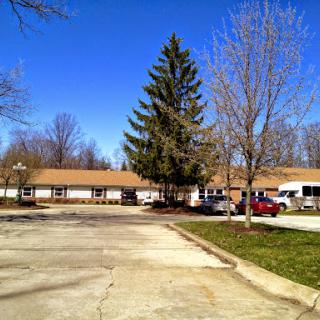
 The lack of an elevator would not suit the reviewer’s parents, who would have to navigate stairs.
- Some of the rooms were very small.
Review
Silver Sands Shared Residency in Ashtabula is best suited for seniors who are reasonably mobile, value attentive, dependable staff, and want help with daily tasks such as bathing and medication reminders while still maintaining control over their own routine. Families that prioritize consistent caregiving, a pleasant dining atmosphere, and clean, well-kept living spaces will find the core offering here solid. For residents who can navigate stairs without safety concerns and do not anticipate needing intensive, round-the-clock medical oversight, this community provides a practical, no-nonsense option that keeps daily living smooth and predictable.
Those who should consider alternatives are precisely the mobility-restricted or those who require barrier-free access as a non-negotiable feature. The building’s lack of an elevator means multiple stair climbs, which can be a deal-breaker for wheelchair users or anyone facing significant gait or balance challenges. The entry sequence can feel cumbersome for new arrivals, and several room styles run on the smaller side, limiting furniture and storage space. For couples who want ample living area or residents who anticipate needing increasingly hands-on medical support, other communities with single-story layouts or full accessibility may be a better long-term fit.
The strongest positives center on staff performance and daily life quality. Caregivers are described as diligent and responsive, with assistance for bathing and reliable oversight of medications, even when residents maintain control of their own pills. The dining program earns favorable impressions, suggesting meals are appealing and served in a respectful environment, contributing to overall satisfaction. Cleanliness and room maintenance appear solid, and the availability of several room sizes helps accommodate solo residents and some couples. When these practical strengths align with basic needs, they offset some layout drawbacks by delivering a dependable, home-like routine.
Conversely, the architectural and space constraints carry real weight in decision-making. The absence of an elevator and the implied complexity of moving between upstairs and downstairs areas translate into ongoing accessibility concerns, potentially compromising independence and safety for mobility-limited residents. Smaller rooms can impede personalization, storage, and the comfort of shared spaces for two people. In short, the physical design is not merely cosmetic; it directly affects daily ease, safety planning, and long-term livability. These factors push families to weigh whether barrier-free access is non-negotiable or if a more navigable floor plan is worth prioritizing, even if it means sacrificing some staff responsiveness.
To act decisively, prospective residents should prioritize a clear view of floor plans and unit availability. Verify whether first-floor or elevator-equipped options exist and whether any layout changes could accommodate mobility needs, such as larger closets or flexible furniture placement. Inquire about staff-to-resident ratios, particularly during meal times and evenings, to gauge how well assistance is coordinated. Ask about the medical service spectrum on campus and whether there is a pathway to increased care if health needs evolve. Scheduling a thorough tour focused on stair flow, entry access, room size, and actual itemby-itinerary layouts will reveal how the live experience compares to expectations. Get clear numbers on move-in costs and ongoing rates to compare with similarly situated communities.
Bottom line: Silver Sands Shared Residency delivers steady daily support, reliable personal attention, and a dining experience that elevates everyday life for mobile seniors who value consistency and a hands-on staff. The reality of stairs and relatively compact rooms is a decisive factor that will steer families toward alternatives for those who require barrier-free access or larger, more adaptable living spaces. For residents who can tolerate the layout without sacrificing core supports, the community represents a sensible, practical option in Ashtabula, especially for those prioritizing dependable caregiving and a solid day-to-day rhythm. Those with higher mobility constraints or a preference for single-story design should widen the search to facilities with true barrier-free access and broader medical service offerings.
 Board and Care Home




 Top Canine Companions for Older Adults
 Comprehensive Guide to Blood Pressure Charts for Older Adults: Understanding Normal and High Readings by Age
 Financing Long-Term Nursing Home Care Through Social Security: A Thorough Exploration