Residents frequently describe the staff as caring, responsive, and helpful.
Many residents and family members say caregivers treat them with kindness and go above and beyond, especially around day-to-day support. Several also mention clear communication from the administrative team about health updates and coordination. A smaller set of reviews are much harsher, describing staff who were inattentive or unkind, including situations where call buttons were not answered promptly.
common6 reviews mention this
Therapy support helps progress
Residents report meaningful progress from the therapy team during rehab.
A number of reviews credit physical and occupational therapy (and restorative therapy) with helping residents improve and build strength. Some residents specifically call out therapists and therapy staff as effective and attentive, and describe working on exercises like transfers and daily mobility. On the negative side, a few reviews focus less on therapy quality and more on gaps in medical follow-through, but still frame the overall rehab experience as failing to meet expectations.
common4 reviews mention this
Facility cleanliness is consistent
Multiple reviews highlight the clean, well-kept facility.
Several residents and families describe the building as clean and tidy, including mention of sanitary conditions. Another review specifically compares the cleanliness favorably to other places the reviewer has seen. A few more negative reviews also mention serious care problems, but the cleanliness theme appears often enough to stand out as a recurring positive.
caveat5 reviews mention this
Food quality is a mixed point
Food quality receives mixed feedback from residents and families.
Some reviewers say the food was good or that they enjoyed most of the meals. Others say food quality needed improvement, or that it did not meet expectations during rehab. A different complaint centers on dietary handling and meal temperature, with one reviewer describing meals not being reheated as requested.
caveat10 reviews mention this
Medical attention and supervision concerns
Some reviews describe serious issues with attention to medical needs.
Several critical reviews allege problems such as missed care, delayed response, and inadequate follow-through on medical needs during rehab or long-term stays. Concerns mentioned include infections, wound care, oxygen management, and supervision after falls. Even in reviews that are otherwise positive, the overall feedback is not one-sided—there are recurring accounts of situations families felt were not handled quickly or safely enough.
How we summarize
Counts show how many written reviews mention each theme; a review can touch several themes, and only frequently mentioned themes are displayed.
Features
Housing
96 resident community capacity
Types of Care
Skilled Nursing Facility
Amenities
Air-conditioning
Beauty salon
Cable or satellite TV
Computer center
Dining room
Fitness room
Fully furnished
Gaming room
Garden
Housekeeping services
Kitchenette
Move-in coordination
Outdoor space
Private bathrooms
Restaurant-style dining
Small library
Telephone
Wellness center
Wi-Fi/high-speed internet available
Transportation
Cincinnati Northern Kentucky International (25 miles away)
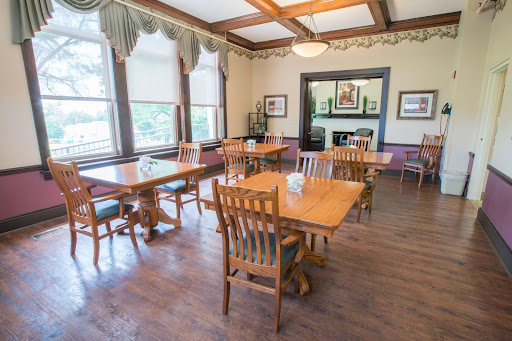
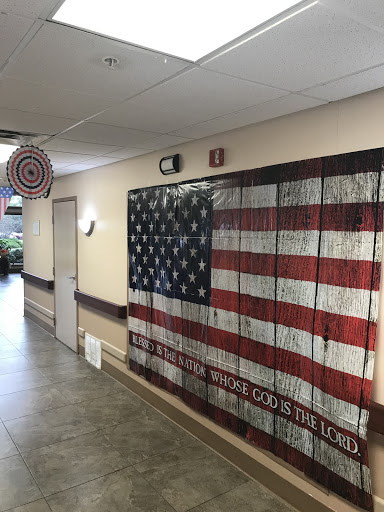
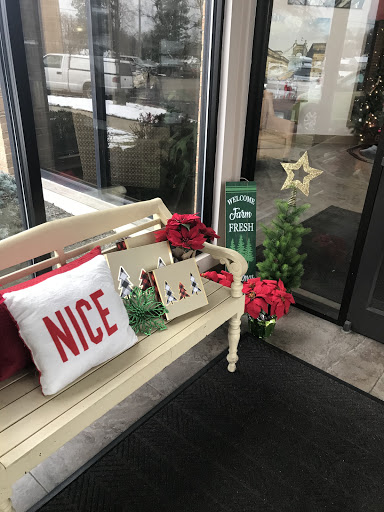
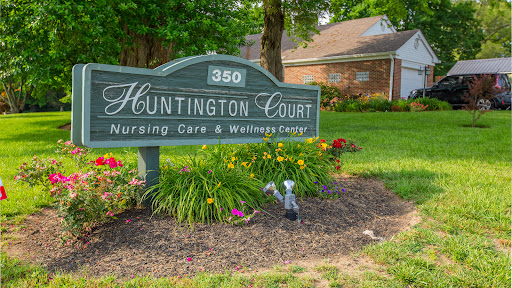
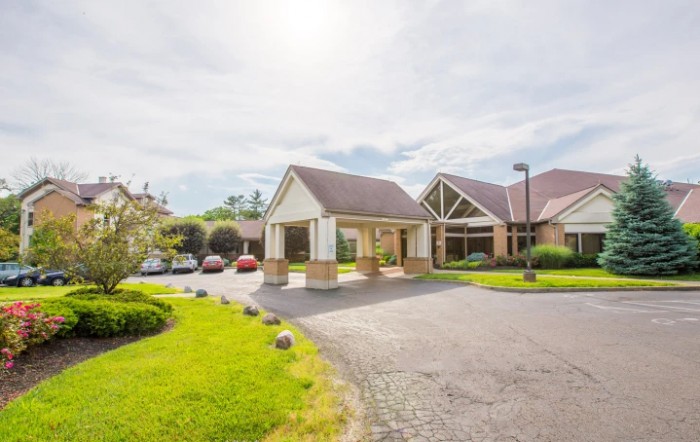
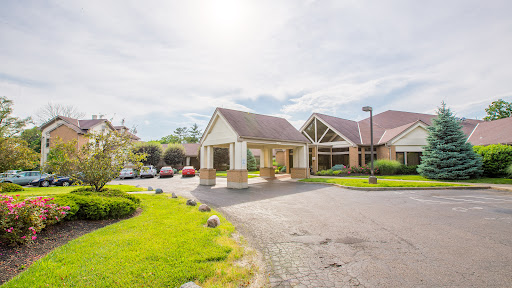
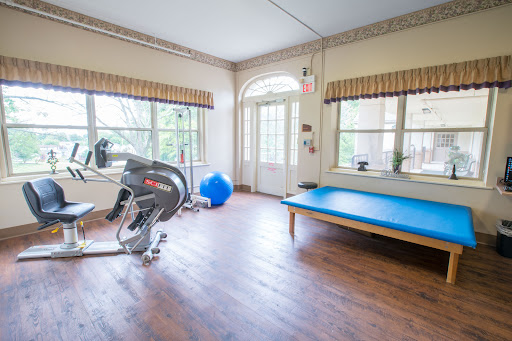
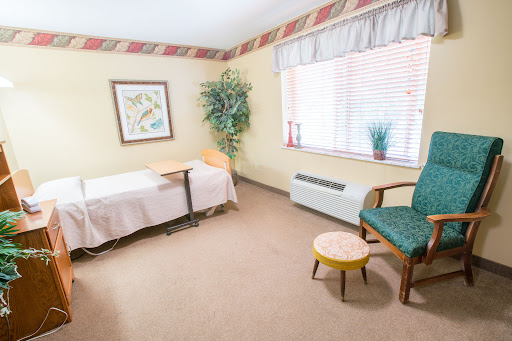
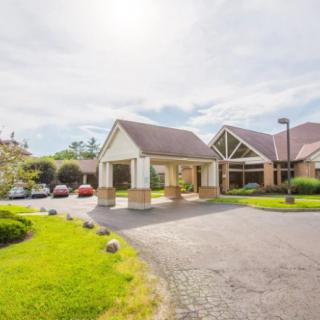
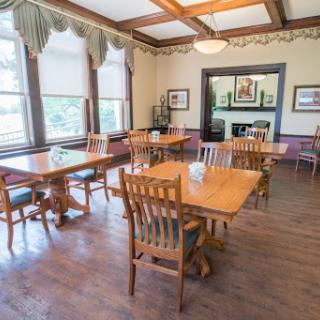
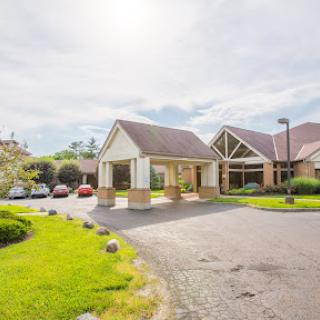
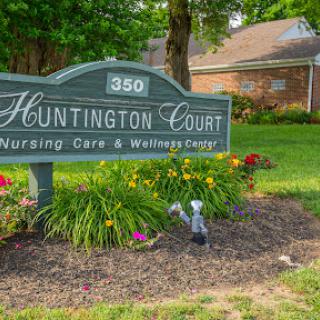
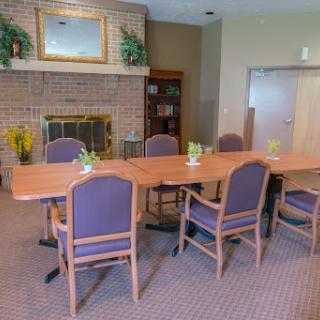
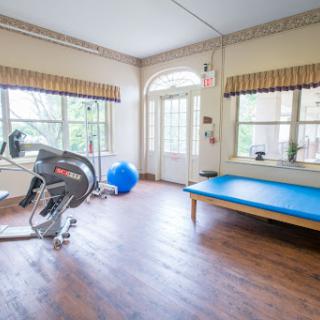
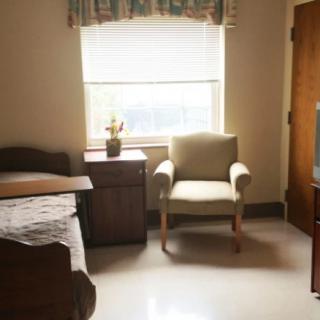
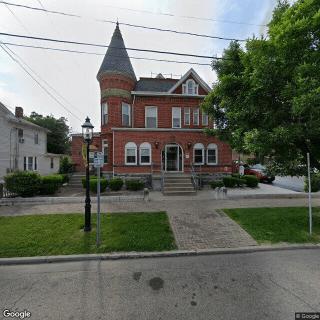
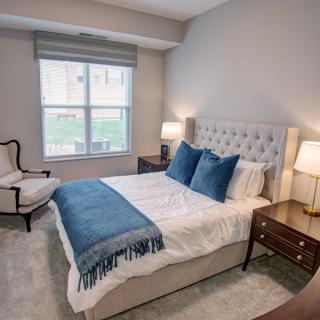
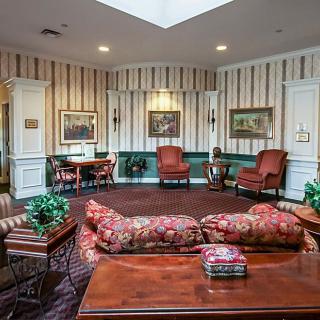
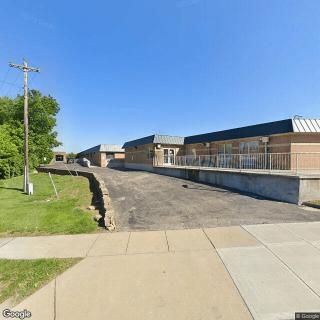
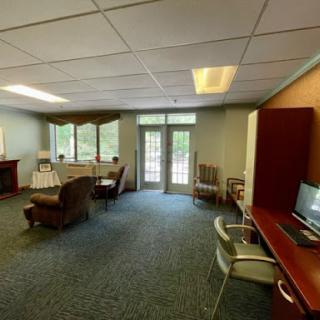
Residence At Huntington Court on seniors.fyi includes 11 photos including images showing landscaping, interior, decor, exercise equipment, natural light, building, entrance, road, and more.
Nearby Communities
Butler County Care Facility
Hamilton, OH
2.2 from 19 reviews
Responsive staff in some cases and a community atmosphere.
Engaged staff and a variety of activities, with amenities like dining, transportation, fitness, beauty salon, and library that encourage social interaction.
Center Haven Hamilton
Hamilton, OH
2.8 from 11 reviews
Fully furnished apartments with restaurant-style dining and 24/7 care (supervision, medication management, diabetes diet).
Center Haven - Hamilton
Hamilton, OH
2.8 from 11 reviews
Prime central location with nearby healthcare, parks, dining, and entertainment.
StoryPoint Fairfield
Fairfield Township, OH
4.7 from 198 reviews
$3,720 to $4,650 / month
Friendly, professional staff in a clean, amenity-rich community.
The Woodlands of Hamilton
Hamilton, OH
4.3 from 155 reviews
$2,860 to $3,870 / month
Friendly, attentive staff; clean, well-maintained environment with good dining and engaging activities.
Tri-County Extended Care Center
Fairfield, OH
2.7 from 103 reviews
$5,640 to $6,360 / month
Some dedicated staff and engaging activities in assisted living, with memory care available.
Elder law attorneys assist older adults and their families with legal matters such as estate planning, Medicaid eligibility, and guardianships, while also providing protection against elder abuse. They help navigate complex regulations to safeguard financial resources, ensure well-being, and maintain autonomy for seniors.
Caregiving for an aging parent entails emotional and financial responsibilities accompanied by significant tax implications, including potential benefits from claiming them as dependents and deductions for medical expenses and caregiving costs. Caregivers must understand eligibility requirements, maintain thorough documentation, and consider consulting a tax professional to navigate these complexities effectively.
Low-impact exercises are vital for seniors as they promote health, independence, and social interaction while reducing joint strain. These adaptable activities, guided by healthcare professionals, enhance strength, flexibility, and emotional well-being.
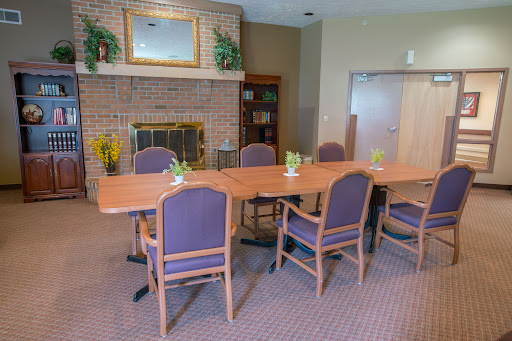
Fireplace, Indoor Plants, Conference Room, and Meeting Space
Outdoor and Parking
Entrance
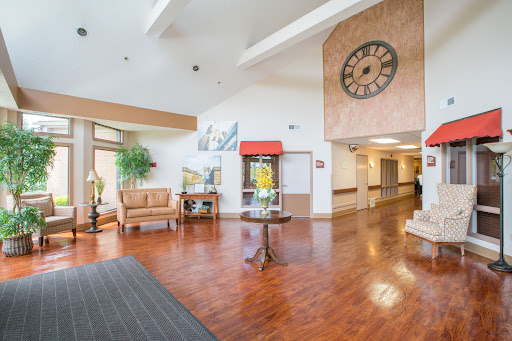
Lobby, Reception Area, and Bright Lighting
Exercise Equipment and Rehabilitation
Natural Light
Flag, Wall Art, and Hallway
Road
Additional Photos
Get PricingAsk A QuestionSchedule A TourContact Senior Advisor
By clicking submit, you agree to our Partner's Terms of Use. You
also consent to receive calls and texts, which may be autodialed, from our Partner. Your consent is not a condition to
using our Partner's service. Please visit our Partner's Privacy Policy for information about their privacy practices.


 96 resident community capacity
 Skilled Nursing Facility
 Air-conditioning
 Beauty salon
 Cable or satellite TV
 Computer center
 Dining room
 Fitness room
 Fully furnished
 Gaming room
 Garden
 Housekeeping services
 Kitchenette
 Move-in coordination
 Outdoor space
 Private bathrooms
 Restaurant-style dining
 Small library
 Telephone
 Wellness center
 Wi-Fi/high-speed internet available
 Cincinnati Northern Kentucky International (25 miles away)
 Community operated transportation
 12-16 hour nursing
 24-hour call system
 Activities of daily living assistance
 Assistance with bathing
 Assistance with dressing
 Assistance with transfers
 Diabetes diet
 Medication management
 Mental wellness program
 Special dietary restrictions
 Concierge services
 Planned day trips
 Responsive staff in some cases and a community atmosphere.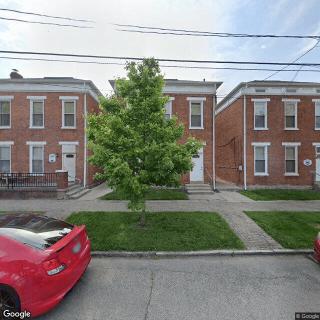
 6 Crucial Ways an Elder Law Attorney Assists Families
 Navigating the Tax Landscape of Caregiving: Credits, Deductions, and Beyond
 Highly Beneficial Low-Impact Exercises for Senior Living Residents