
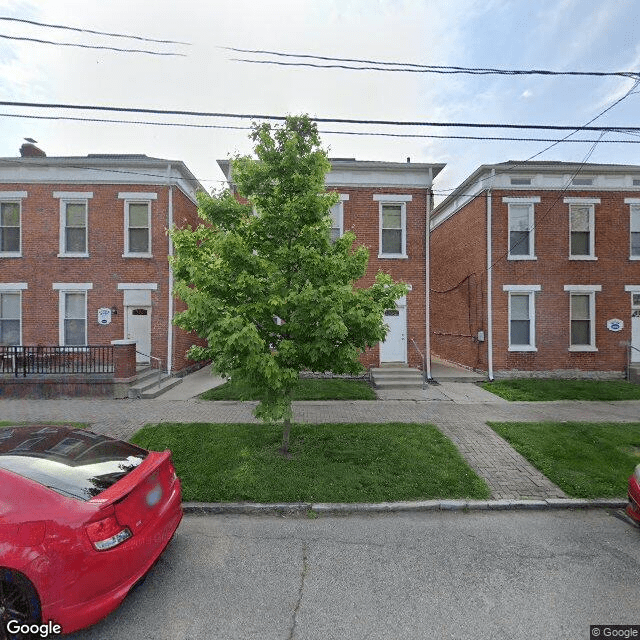
406 North 2nd Street, Hamilton, OH 45011
To contact a resident: (513) 894-1798
For more information about senior living options: (866) 208-4318
Overall Review of Center Haven
Pros
 It is a really good place to live.
- The reviewer really likes it.
Cons
 The building is very old and in need of upgrading.
- The staff are very unprofessional.
- Stopping residents from feeding the nearby cat colony risks the cats starving and shows a lack of compassion.
- Management appears to prioritize profits over the welfare of residents.
- The reviewer claims residents prefer the company of the cats to the staff.
Review
Center Haven in Hamilton is best suited for seniors who want an affordable, no-frills living option and can tolerate an older building with variable service levels. It works for residents who value a sense of community, predictable routines, and a straightforward daily life over modern amenities or showroom-quality surroundings. In short, it serves well as a homey, budget-conscious option for those who are relatively independent but appreciate companionship and a familiar, small-community feel.
Those considering alternatives should be wary if care needs are more than light support, or if a consistently professional staff and modern, well-maintained facilities are non-negotiable. Families seeking reliable, top-tier care, clear communication, and polished operations will likely find better matches elsewhere. If animal companionship or a tightly managed care culture matters to you, verify how policies and daily practice align with resident welfare, since the current landscape suggests possible misalignment between resident expectations and staff priorities.
Pros here are real enough to offset some drawbacks for the right resident. Several residents describe Center Haven as a place they can call home, appreciating the social energy and the basic practicality of day-to-day life. The appeal lies in affordability, a sense of community, and a living environment that feels familiar rather than clinical. Those factors can trump flimsier amenities for someone who prioritizes belonging and routine over pampering or cutting-edge design. However, this upside rests on acceptable staff reliability and governance, which the reviews show can be inconsistent.
The dominant negatives, though, are clear and recurring: the facility is aging and in need of upgrades, which translates into maintenance frustrations and a less polished living environment. Staff professionalism is repeatedly called into question, with specific complaints about responsiveness and consistency. A controversial incident, stopping a resident-supported cat feeding plan, highlights a broader tension between resident welfare and management decisions that can undermine trust. These elements collectively tilt risk upward for families who depend on steady care, predictable operations, and transparent leadership.
What to probe during a visit is straightforward. Ask about the current maintenance cycle and recent upgrades, and request a tour focused on safety features, accessibility, and living spaces. Inquire about staffing structure: caregiver-to-resident ratios, turnover, training, and who handles day-to-day care coordination. Bring up pet policies and the history of the cat situation to gauge whether resident preferences are respected. Speak with several residents about their experiences with response times, communication, and overall satisfaction. Finally, request tangible evidence of quality control, maintenance logs, incident reports, and any recent surveys, to understand how seriously management treats problems when they arise.
In the end, Center Haven offers a pragmatic, budget-friendly option for a specific kind of senior: one who prioritizes community warmth and affordability over contemporary amenities and polished operations. It is not the choice for families fixated on ultra-reliable staffing, modern infrastructure, or uncompromising care standards. If those priorities drive the decision, alternative communities in Hamilton should be compared side by side, focusing on staff reliability, facility condition, and governance. For families willing to navigate the trade-offs, a clear path emerges: verify care capacity, assess the buildingā€™s upkeep trajectory, and ensure the leadership aligns with resident welfare before committing.
 Board and Care Home


 California's Form 602A: An In-Depth Examination of Senior Care Assessment
 Comprehensive Look at Senior Blood Pressure Charts: Normal and Elevated Levels by Age
 Top Canine Companions for Older Adults