For more information about senior living options: (866) 208-4318
3.9 from 43 reviews
5 stars
30
4 stars
0
3 stars
2
2 stars
2
1 stars
9
Mill Creek Nursing & Rehabilitation Costs & Pricing
At Mill Creek Nursing & Rehabilitation, the costs for room types reflect a higher price point compared to average rates in Richland County and across Ohio. For a one-bedroom accommodation, residents can expect to pay $6,080 per month, which significantly exceeds the county's average of $4,674 and the state average of $3,712. Similarly, for those seeking a two-bedroom arrangement, the monthly rate is set at $8,355 - again surpassing both the Richland County average of $5,062 and the state benchmark of $3,501. These figures indicate that while Mill Creek offers specialized care and services that may justify their pricing structure, potential residents should consider these costs in relation to available alternatives within the region.
Floor plans
Mill Creek Nursing & Rehabilitation
Richland County
Ohio
1 Bedroom
$6,080
$4,674
$3,712
2 Bedrooms
$8,355
$5,062
$3,501
Skilled Nursing Facilities with a similar price nearby
Overall Review of Mill Creek Nursing & Rehabilitation
common18 reviews mention this
Staff care and communication stand out
Residents and visitors frequently describe the staff as caring, attentive, and responsive.
Across many reviews, families describe staff as welcoming and supportive, including nurses, aides, and front-office roles. Several reviewers say they felt kept informed, had concerns addressed promptly, and saw day-to-day attention that helped residents stay engaged. A few reviews go the other direction, describing unprofessional behavior or insufficient help, but the most repeated pattern is strong interpersonal support from caregivers.
common4 reviews mention this
Rehab therapy helps residents progress
Many reviews highlight progress through physical and occupational therapy during rehab stays.
Several residents and families mention receiving helpful physical and occupational therapy, describing improvement in mobility and comfort during short-term rehab. One review describes speech therapy and swallowing work as part of a recovery after a hospital stay. Another review gives credit to the physical therapy department even while criticizing other parts of care, suggesting therapy is where some reviewers feel the strongest impact.
common2 reviews mention this
Food and dining are mixed
Reviews describe both strong meal experiences and serious concerns about meal support.
Some visitors and families say residents had good food and that dining experiences worked well. At the same time, at least one review raises concerns about assistance with eating and whether planned dining support matched what the family was told. The community also indicates support for diabetes diets and special dietary restrictions, which aligns with why dining can be a central part of care discussions.
caveat4 reviews mention this
Medical follow-through can fail
Multiple reviews report gaps in medication, wound care, or timely assistance.
A recurring complaint in the lower ratings is that residents were not getting medication or required assistance as expected, including concerns about responsiveness when help was requested. Other critical reviews mention medical issues such as open wounds, bleeding, infections, and diet concerns, along with dissatisfaction with how care plans were carried out. Even where care is praised elsewhere, these reports point to inconsistency in day-to-day medical follow-through.
common3 reviews mention this
Facility cleanliness and open spaces
Several reviews mention the facility looks clean and offers pleasant areas to spend time.
Some reviewers describe the building as neat, clean, and well kept, and a few mention that it feels welcoming when visiting. One review also points to open spaces and outdoor views, which can make the environment feel more comfortable during longer stays. Others focus more on care experiences than the setting, but cleanliness and the look of the space still show up in multiple accounts.
How we summarize
Counts show how many written reviews mention each theme; a review can touch several themes, and only frequently mentioned themes are displayed.
Features
Housing
63 resident community capacity
Types of Care
Skilled Nursing Facility
Amenities
Air-conditioning
Beauty salon
Cable or satellite TV
Computer center
Dining room
Fitness room
Fully furnished
Gaming room
Garden
Housekeeping services
Kitchenette
Move-in coordination
Outdoor space
Private bathrooms
Restaurant-style dining
Small library
Telephone
Wellness center
Wi-Fi/high-speed internet available
Transportation
Community operated transportation
Transportation arrangement
Transportation arrangement (non-medical)
Transportation to doctors appointments
Care Services
12-16 hour nursing
24-hour call system
24-hour supervision
Activities of daily living assistance
Assistance with bathing
Assistance with dressing
Assistance with transfers
Diabetes diet
Meal preparation and service
Medication management
Mental wellness program
Special dietary restrictions
Dining
Diabetes diet
Special dietary restrictions
Activities
Community-sponsored activities
Concierge services
Fitness programs
Planned day trips
Resident-run activities
Scheduled daily activities
Videos
Nearby Places of Interest
Hospitals
Galion Community Hospital (0.1 miles)
Galion Community Hospital (0.8 miles)
Bucyrus Community Hospital (10.9 miles)
Physicians
Gch Orthopedic Center (0.1 miles)
Huggins Tyler K MD (0.7 miles)
Gch Family Practice (0.9 miles)
Crawford Eye Clinic (1.1 miles)
Ashley LeAnn Miley Bryant, MD (1.4 miles)
Obstetrics-Gynecology-Galion (2 miles)
A+ Technology Hearing Aid Services (7.5 miles)
Cafes
Tim Hortons (0.9 miles)
The Cove Coffee Shop (9 miles)
Pelican Coffee House (10.6 miles)
Restaurants
Burger King (0.9 miles)
Pizza Hut (1 miles)
Taco Bell (1 miles)
China Garden (1.1 miles)
McDonald's (1.1 miles)
Wendy's (1.3 miles)
Eighteen-O-Three Taproom (1.4 miles)
Places of Worship
Maddox Memorial Temple Cogic (1.1 miles)
Community Christian Church (1.3 miles)
Southern Baptist Convention (1.3 miles)
Church of Jesus Christ of Latter Day Saints (1.4 miles)
At Mill Creek Nursing & Rehabilitation, the costs for room types reflect a higher price point compared to average rates in Richland County and across Ohio. For a one-bedroom accommodation, residents can expect to pay $6,080 per month, which significantly exceeds the county's average of $4,674 and the state average of $3,712. Similarly, for those seeking a two-bedroom arrangement, the monthly rate is set at $8,355 - again surpassing both the Richland County average of $5,062 and the state benchmark of $3,501. These figures indicate that while Mill Creek offers specialized care and services that may justify their pricing structure, potential residents should consider these costs in relation to available alternatives within the region.
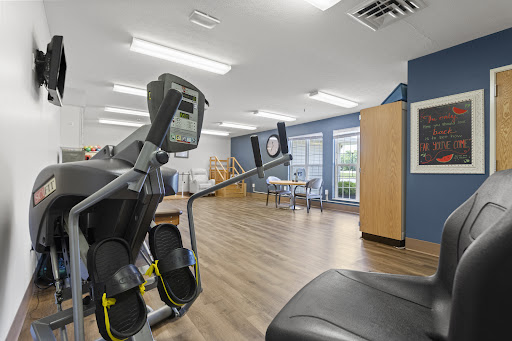
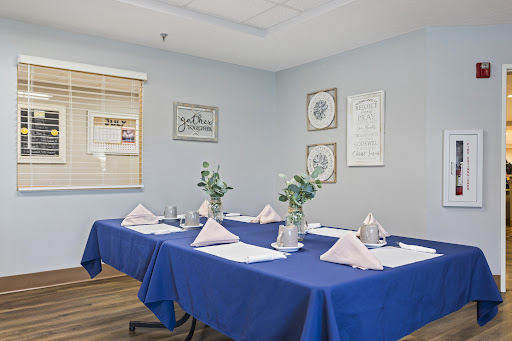
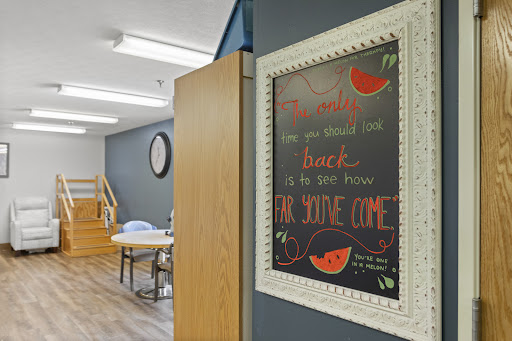
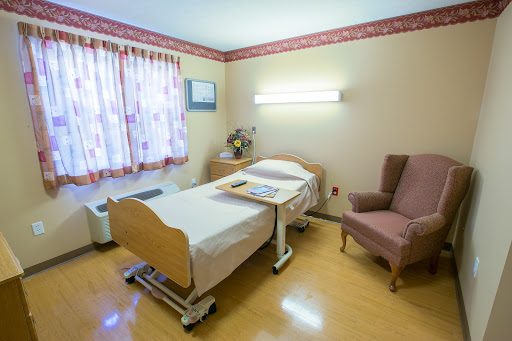
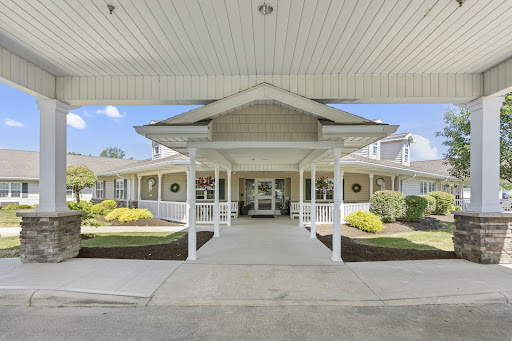
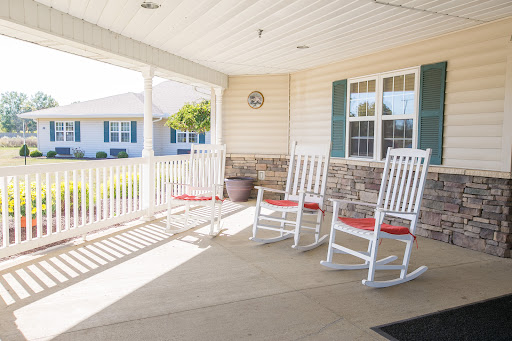
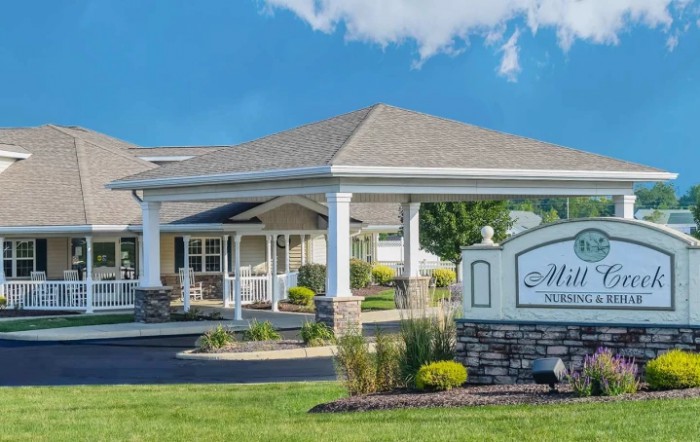
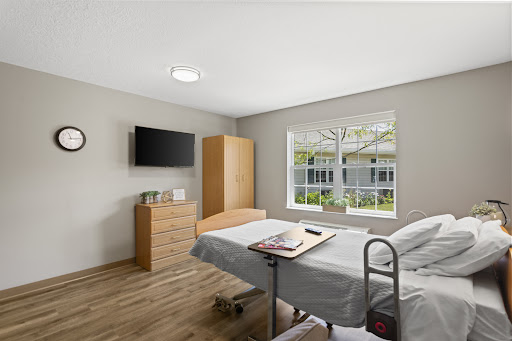
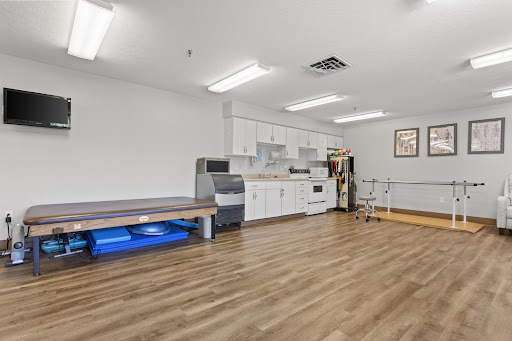
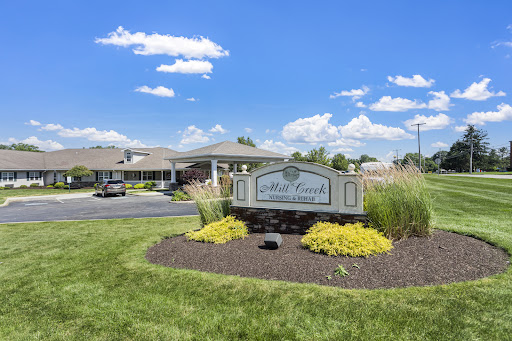
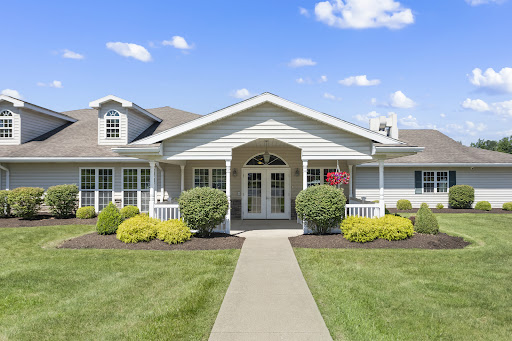
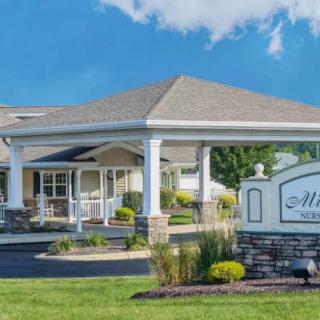
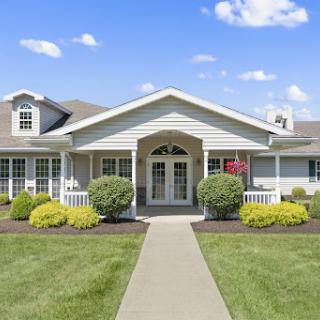
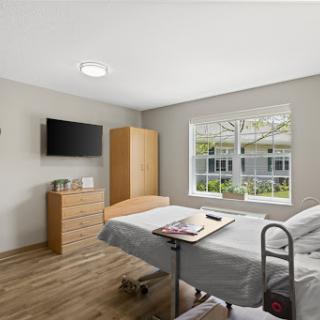
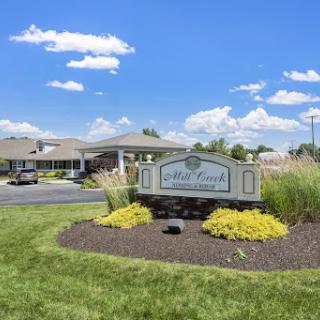
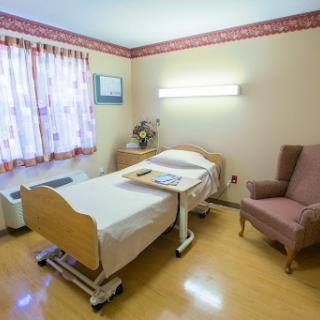
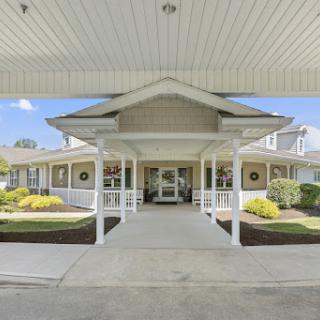
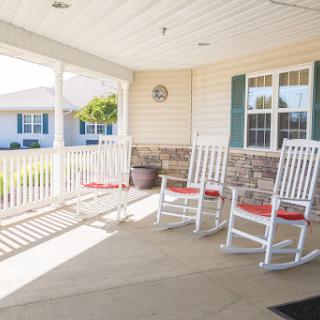
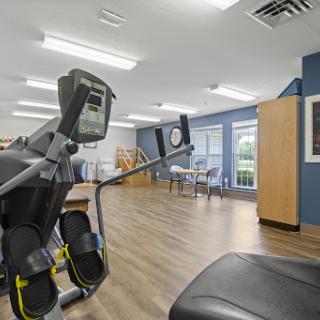
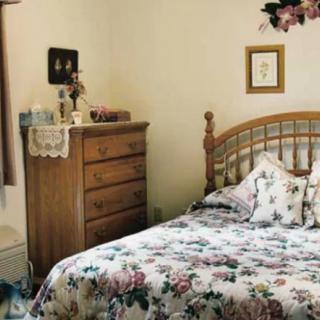
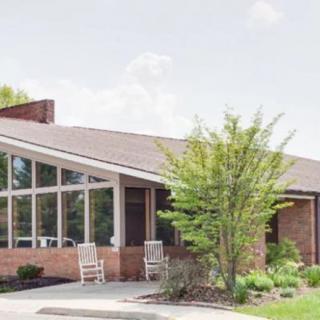
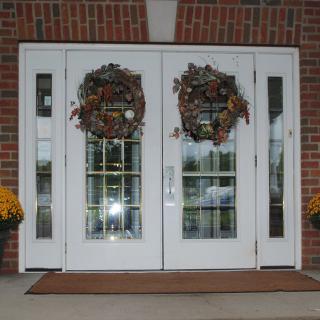
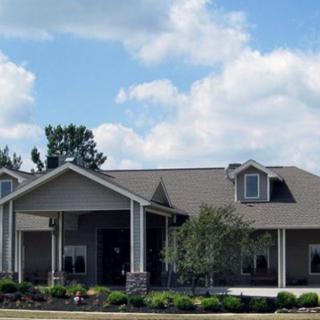
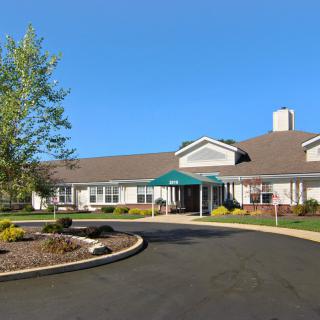
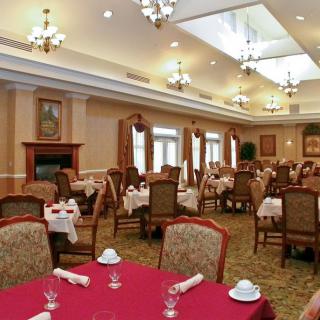
Mill Creek Nursing & Rehabilitation on seniors.fyi includes 11 photos including images showing landscaping, interior, building, architecture, entrance, bedroom, fitness, porch, and more.
Nearby Communities
Signature Healthcare Of Galion
Galion, OH
3.8 from 36 reviews
Extensive on-site amenities and comprehensive care (private rooms, restaurant-style dining, beauty salon, fitness/wellness programs, transportation, and ADL/medication support).
Galion Pointe
Galion, OH
3.4 from 17 reviews
Intimate 45-bed community with 24-hour supervision and restaurant-style dining.
Magnolia Terrace
Galion, OH
4.3 from 8 reviews
Compassionate staff, engaging activities, and a clean, pleasant environment.
Crestline Rehabilitation And Nursing Center
Crestline, OH
2.7 from 58 reviews
24/7 supervision with comprehensive care and wellness programs.
Home health care aides provide vital medical and non-medical support to individuals at home, assisting with daily living activities and promoting emotional well-being, while the demand for these services increases due to an aging population. Families benefit from in-home care's flexibility and cost-effectiveness but face challenges like scheduling consistency and caregiver turnover.
Older adults with urinary tract infections (UTIs) often present atypical symptoms, complicating diagnosis due to factors like incomplete bladder emptying and chronic health conditions that increase their susceptibility. Effective management involves prompt treatment with antibiotics, hydration, and preventive strategies while minimizing antibiotic resistance and focusing on holistic care approaches.
California's Form 602A is a vital tool for evaluating the health needs of seniors seeking residential care, detailing their medical conditions and daily living requirements to ensure proper service alignment. This standardized form enhances communication among physicians, families, and facilities, serving as a regulatory measure for admissions and ongoing care while adapting to changing healthcare practices.
Outdoor Seating, Porch, Rocking Chairs, and Daylight
Exterior and Front Porch
Grass and Clouds
Rehabilitation, Physical Therapy, and Spacious
Meeting Room
Get PricingAsk A QuestionSchedule A TourContact Senior Advisor
By clicking submit, you agree to our Partner's Terms of Use. You
also consent to receive calls and texts, which may be autodialed, from our Partner. Your consent is not a condition to
using our Partner's service. Please visit our Partner's Privacy Policy for information about their privacy practices.


 63 resident community capacity
 Skilled Nursing Facility
 Air-conditioning
 Beauty salon
 Cable or satellite TV
 Computer center
 Dining room
 Fitness room
 Fully furnished
 Gaming room
 Garden
 Housekeeping services
 Kitchenette
 Move-in coordination
 Outdoor space
 Private bathrooms
 Restaurant-style dining
 Small library
 Telephone
 Wellness center
 Wi-Fi/high-speed internet available
 Community operated transportation
 12-16 hour nursing
 24-hour call system
 Activities of daily living assistance
 Assistance with bathing
 Assistance with dressing
 Assistance with transfers
 Diabetes diet
 Medication management
 Mental wellness program
 Special dietary restrictions
 Concierge services
 Planned day trips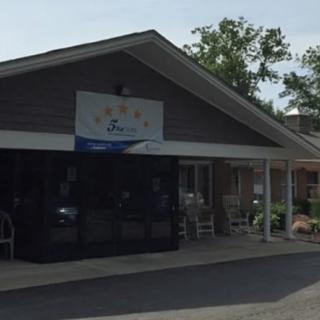
 Extensive on-site amenities and comprehensive care (private rooms, restaurant-style dining, beauty salon, fitness/wellness programs, transportation, and ADL/medication support).

 Home Health Care Aides: Understanding Their Role and Supporting Your Family
 Urinary Tract Infections in Older Adults: Comprehensive Insights on Symptoms, Treatment, and Prevention
 California's Form 602A: An In-Depth Examination of Senior Care Assessment