Overall Review of Dunbar Health & Rehab Center
common
20 reviews mention this
Staff are caring, when supported
Residents and families often describe the staff as caring, respectful, and responsive to day-to-day needs.
A large share of reviewers say staff members treat them with kindness and respect, and that they feel supported during rehab. Multiple reviews highlight nurses, aides, and therapy team members going out of their way, and several describe a clean building and generally good care. There are also complaints about staff availability and communication, but even within those reviews, some specific staff or roles are called out for doing their jobs well.
common
6 reviews mention this
Therapy helps rehab progress
Reviews frequently credit the therapy team for making rehabilitation feel effective.
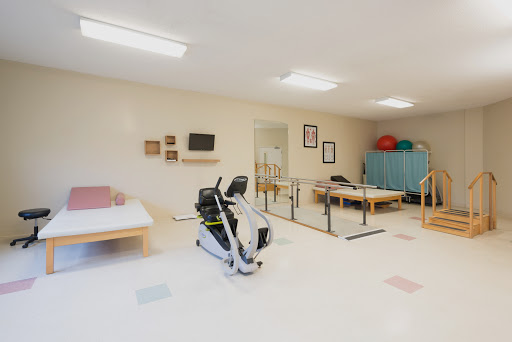
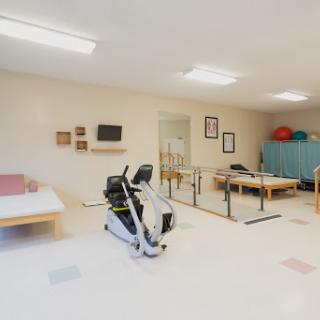
Several residents mention positive rehab experiences, including good progress through physical and occupational therapy and a team that helped them regain mobility. Others describe the therapy staff as very helpful and focused on comfort, which aligns with the community offering a dedicated wellness and fitness setup. A smaller number of reviews are critical of care quality overall, so therapy praise is not universal, but it does show up repeatedly.
common
6 reviews mention this
Activities keep residents engaged
Residents often mention planned activities that make days feel occupied and social.
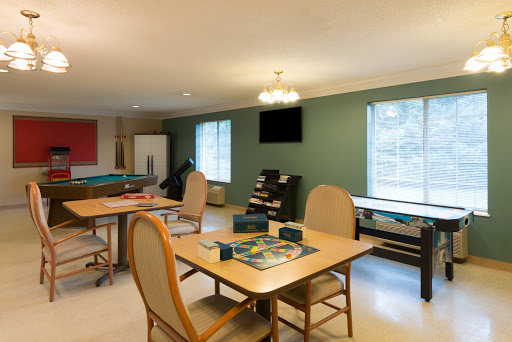
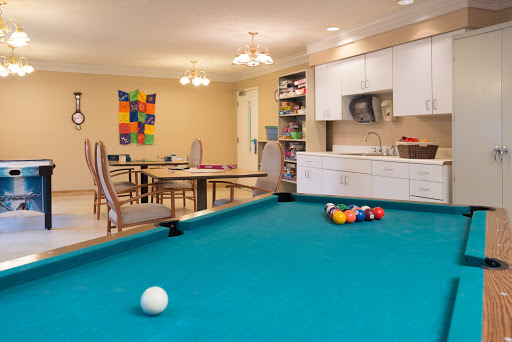
Reviewers describe community-sponsored activities and regular programming, with some calling out resident events and parties. Several mention an activities team that goes beyond basic scheduling, including opportunities like games, coloring, gardening, and watching movies together. A few reviews focus on issues with care delivery, but the activity and engagement feedback is a clear recurring strength.
caveat
6 reviews mention this
Dining quality is mixed
Food and dining experiences vary, with some residents finding it enjoyable and others calling it disappointing.
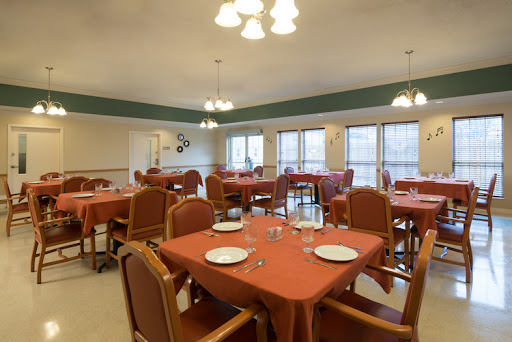
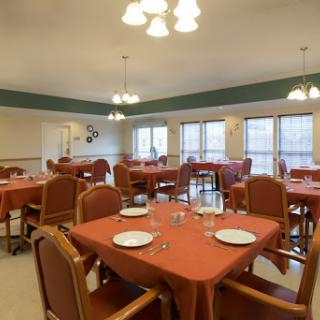
Some reviews say the food is yummy or better than expected for a facility, and at least one resident mentions disliking certain items. Other reviewers directly criticize meals as poor or serving different food than expected. This lines up with the community offering restaurant-style dining and diet-related service needs, but the day-to-day meal experience still doesn’t land the same for everyone.
caveat
8 reviews mention this
Calls and supervision can fail
Several reviews report missed responses when help is requested by phone or call system.
A recurring concern is that phones or help requests aren’t answered promptly, and some reviewers describe call lights or emergency buttons not being handled as expected. Others mention delayed assistance for basic needs like changes, diapering, dressing/wound care, or medication timing. While some reviews say staff respond quickly once contacted, the negative feedback centers on reliability of supervision and communication.
common
2 reviews mention this
Nearby hospitals and pain care
The location puts major medical options within a short drive.
Reviewers don’t consistently discuss nearby destinations, but the surrounding area includes multiple physician offices and hospital options, which can matter during rehab and health follow-ups. For example, pain specialists and hospital services are listed close by, along with other healthcare locations. The community also offers transportation arrangements for non-medical needs, which may support getting to appointments.
How we summarize
Counts show how many written reviews mention each theme; a review can touch several themes, and only frequently mentioned themes are displayed.


 96 resident community capacity
 Skilled Nursing Facility
 Air-conditioning
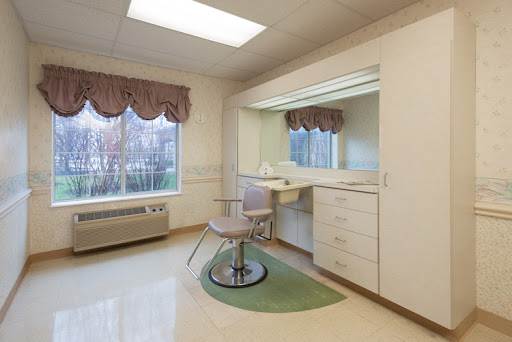
 Beauty salon
 Cable or satellite TV
 Computer center
 Dining room
 Fitness room
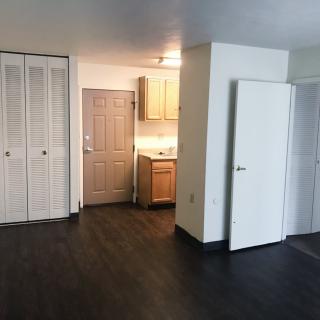
 Fully furnished
 Gaming room
 Garden
 Housekeeping services
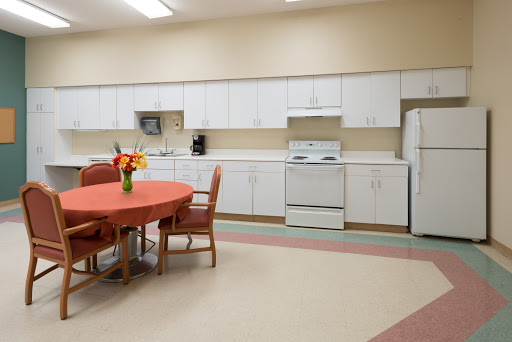
 Kitchenette
 Move-in coordination
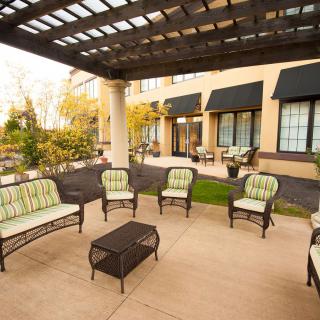
 Outdoor space
 Private bathrooms
 Restaurant-style dining
 Small library
 Telephone
 Wellness center
 Wi-Fi/high-speed internet available
 James M Cox Dayton International (11 miles away)
 Community operated transportation
 12-16 hour nursing
 24-hour call system
 Activities of daily living assistance
 Assistance with bathing
 Assistance with dressing
 Assistance with transfers
 Diabetes diet
 Medication management
 Mental wellness program
 Special dietary restrictions
 Concierge services
 Planned day trips
 Efficient, professional, and compassionate caregivers with flexible scheduling.


 Weight Training for Seniors: Building Strength and Vitality
 Understanding the Sandwich Generation: Stress and Responsibilities for Multigenerational Caregivers
 8 Essential Assistive Devices for Older Adults