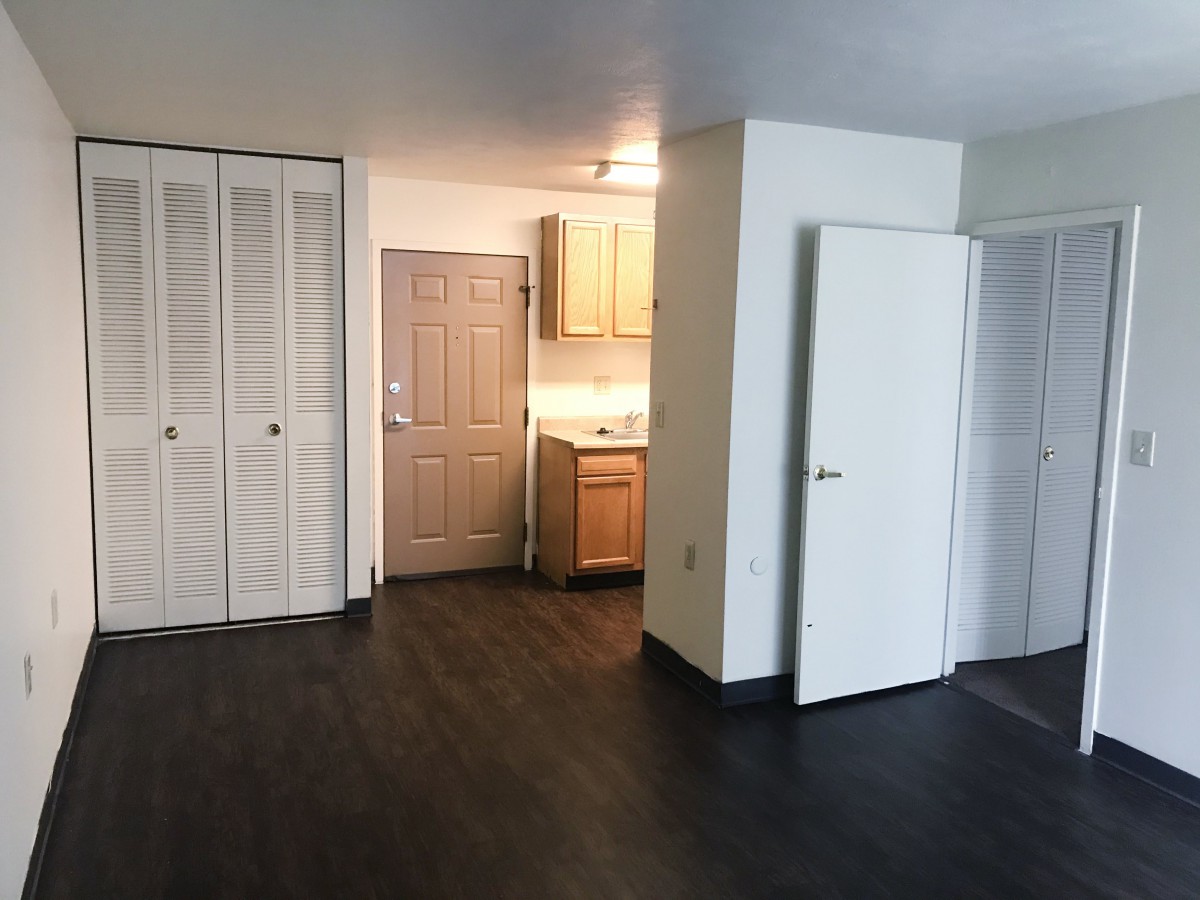
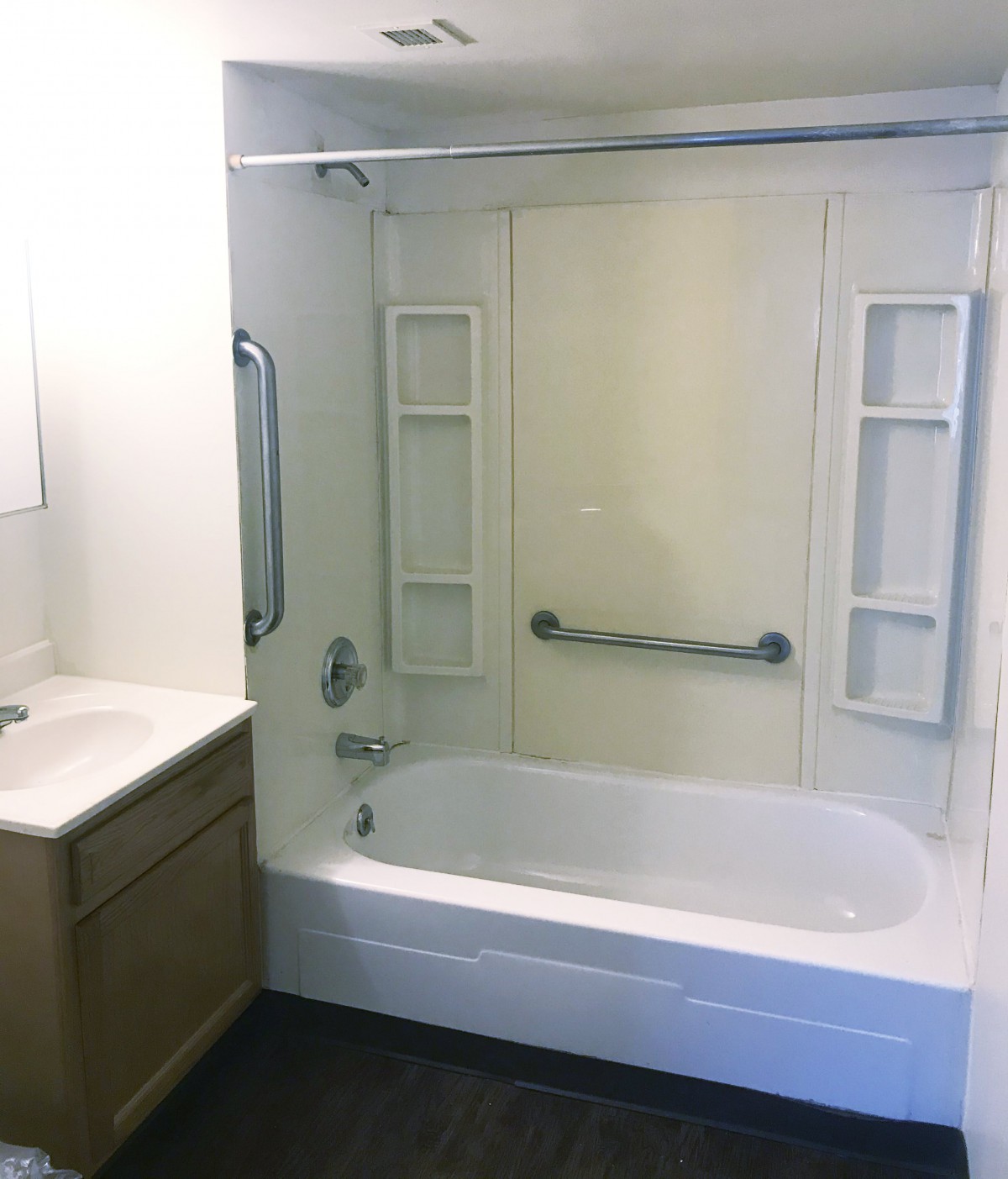
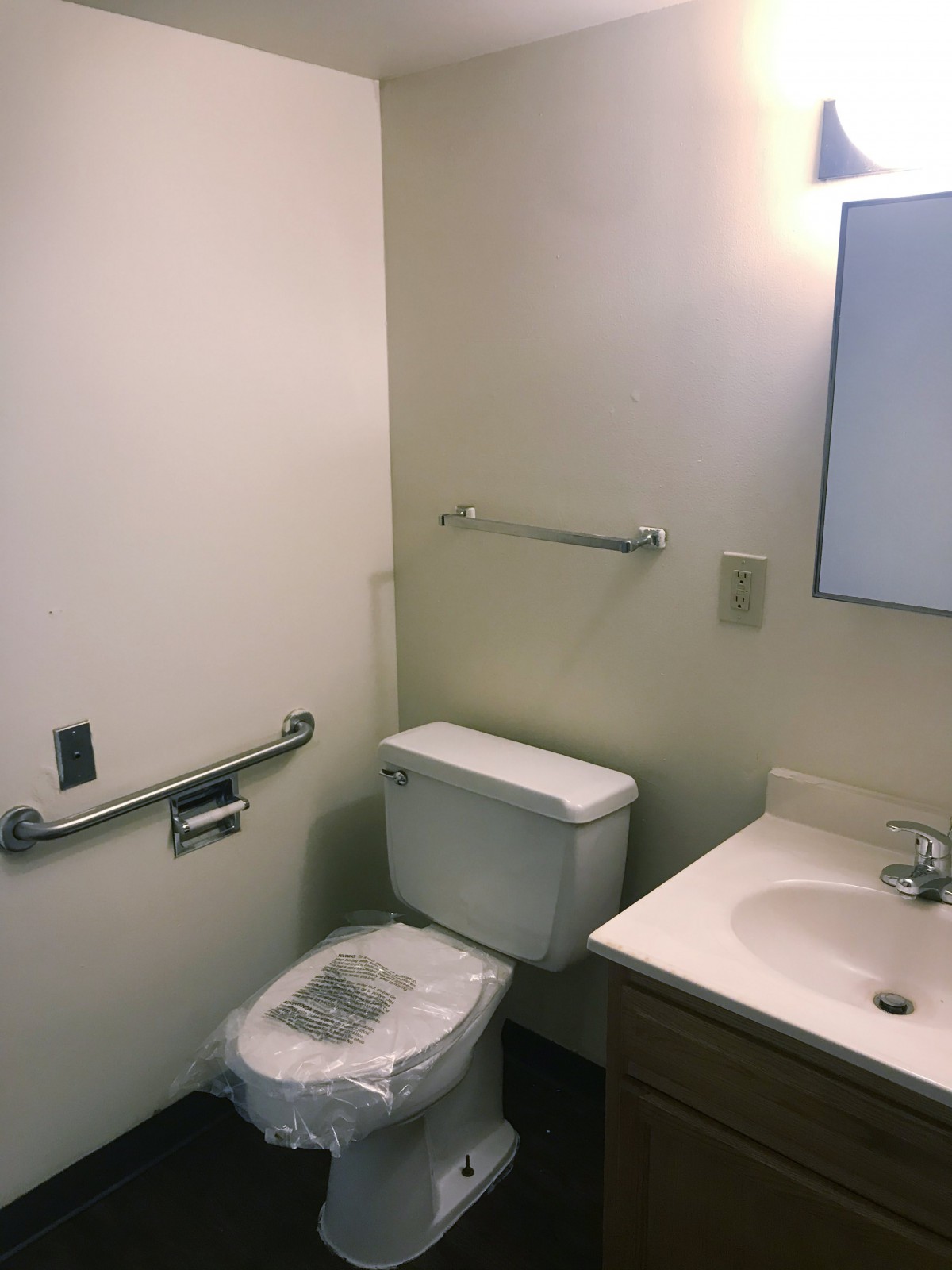
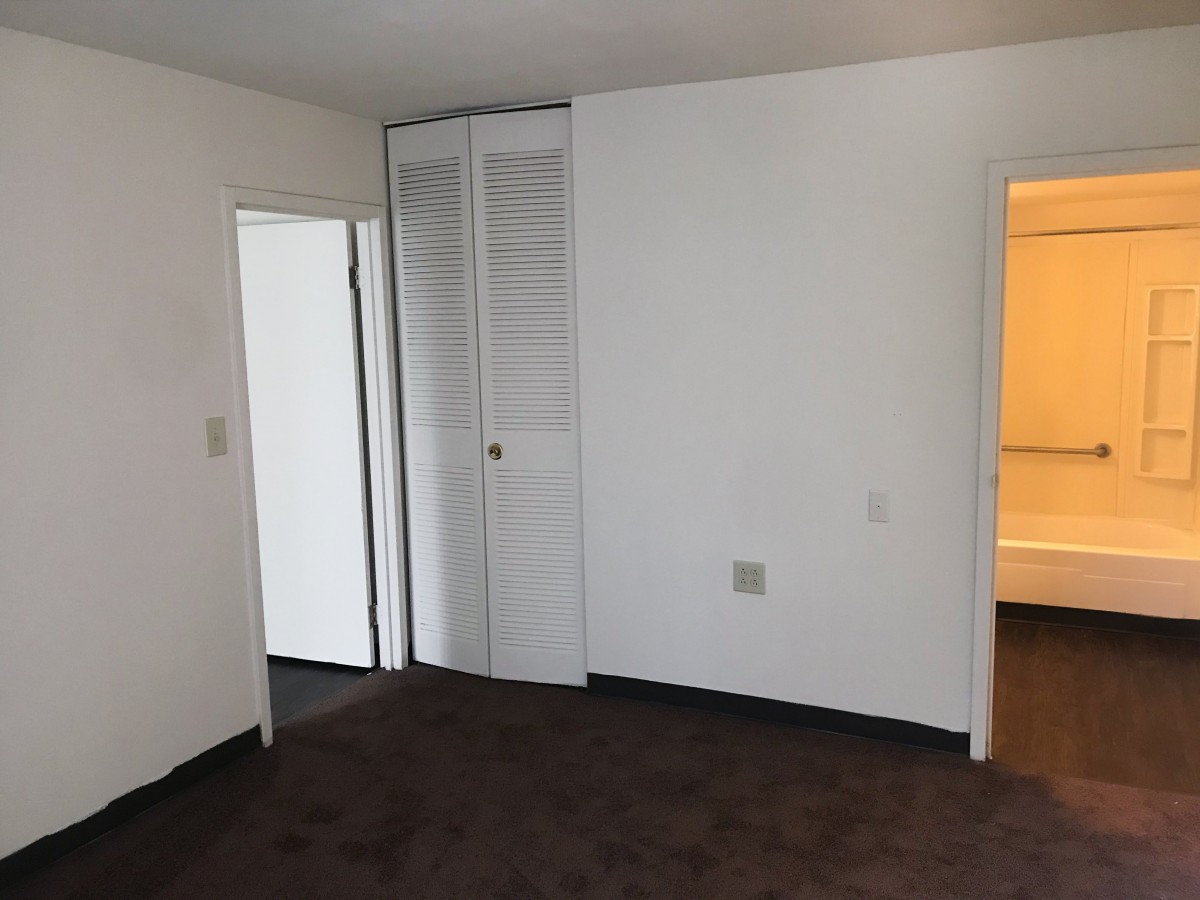

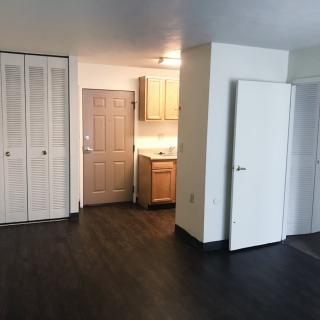
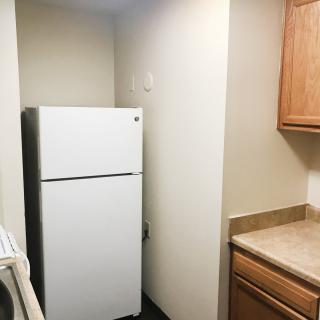
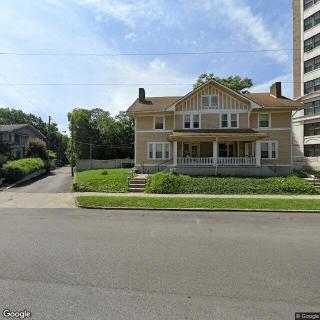
215 Mcdaniel St, Dayton, OH 45405
To contact a resident: (937) 228-2322
For more information about senior living options: (866) 208-4318
Asbury Apartments Costs & Pricing
Asbury Apartments offers competitive pricing for its residents, especially when compared to both Montgomery County and the broader state of Ohio. A studio apartment at Asbury is priced at $661 per month, which is significantly lower than the county's average of $3,476 and the state average of $3,727. Similarly, a one-bedroom unit is available for $749, again showing a stark contrast to Montgomery County's average rent of $3,599 and Ohio's average of $3,712. This affordability makes Asbury Apartments an attractive option for individuals seeking budget-friendly housing without compromising on quality or location.
| Floor plans | Asbury Apartments | Montgomery County | Ohio |
|---|---|---|---|
| Studio | $661 | $3,476 | $3,727 |
| 1 Bedroom | $749 | $3,599 | $3,712 |
Senior living communities with a similar price nearby
-
from -$99 / mo

Siena Village
$562 to $733 / month4.3 miles away -
About the same
Creekside Villas
$650 / month6.4 miles away -
from +$89 / mo
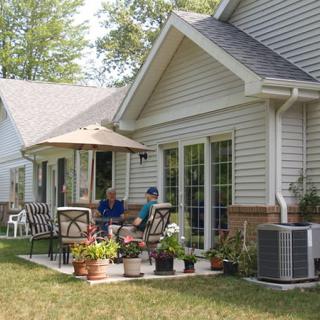
Friends Care Community Independent Living CCRC
$750 / month16.2 miles away -
from -$111 / mo
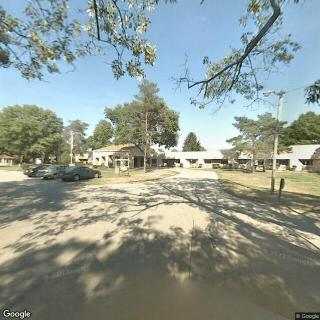
Liberty Retirement Community of Washington To
$550 to $750 / month9.0 miles away -
from -$80 / mo
Shiloh Villas
$581 / month4.8 miles away
Overall Review of Asbury Apartments
Pros
 They like the place because their grandmother lives there.
Cons
 The rehousing process is a totally bad situation.
- Dayton is very bad.
- Updating the address is burdensome.
- The living conditions are too hot for residents.
- It is hard for residents to go places after their cases have been closed.
- Bed bugs and roaches make the apartments unsafe.
- Maintenance never fixes anything and nobody does their job until HUD arrives.
- The toilets have not flushed for two years.
Review
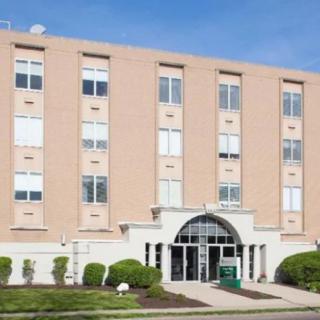
Asbury Apartments in Dayton is best suited for tenants who can tolerate an older building with inconsistent maintenance and safety features, and who place a premium on staying in the same neighborhood or near family members rather than on modern amenities or reliable service. This community can work for those who accept recurring upkeep gaps as part of the living arrangement, and who can endure unsettled conditions in exchange for proximity to loved ones or a lower-cost rental footprint. In short, it is not a fit for seniors or caregivers who require dependable safety, pest-free units, and prompt, professional maintenance.
Those considering alternatives should weigh options that emphasize robust property management, dependable safety measures, and consistently serviced common areas. Any renter or family member who cannot tolerate pest issues, door locks that fail, unreliable heat, and nonfunctional elevators should look elsewhere. Communities with active maintenance response, regular pest control, and clear accountability from management are better suited for residents who rely on predictable daily life, especially when mobility or medical needs are a factor.
The few positives cited by residents tend to revolve around family connections, one person notes appreciation because a grandma lives there, suggesting social or familial ties can be a meaningful perk. However, these mentions do little to balance the practical drawbacks that dominate the experience. The negatives not only persist but compound daily, leaving little room for the kind of stability that families rely on when planning long-term care or housing for an aging loved one.
The main deterrents are concrete and frequent: evidence of bed bugs and roaches, unreliable maintenance responses, and a pattern of appliances and fixtures failing to function. Reports describe toilet flush issues persisting for extended periods, doors that do not lock, windows that won’t open, and heat that fails to work. Elevators repeatedly breaking down further complicate access for anyone with limited mobility. Such conditions create tangible safety risks and diminish the ability to maintain basic daily routines, which is unacceptable for residents who need dependable shelter.
In practical terms, decision-makers should approach this property with a clear checklist: confirm current elevator status, request a detailed maintenance history, verify pest control records, and assess whether doors and locks have been repaired properly. Visitors should prioritize touring a unit during different times of day to gauge heating, water pressure, and overall comfort. Given the weight of safety and maintenance concerns found in multiple reviews, most families and seniors would be wiser to seek communities with stronger management discipline, reliable repairs, and a proven track record of keeping essential systems in good order.
Final recommendation: Asbury Apartments is not a strong fit for those who cannot compromise on safety, reliability, and daily livability. It may only appeal to a narrow subset, those who already have stable support networks nearby and are prepared to tolerate ongoing maintenance gaps for the sake of proximity and potential cost savings. For most families weighing housing for an elder or a mobility-restricted loved one, touring alternatives with transparent maintenance practices, pest control, and guaranteed functional safety features is the prudent course. The priority should be a setting where daily life remains predictable, safe, and free from the kind of disruptions that reviews repeatedly describe here.
 Active Adult Communities (55+)
 Activities on-site
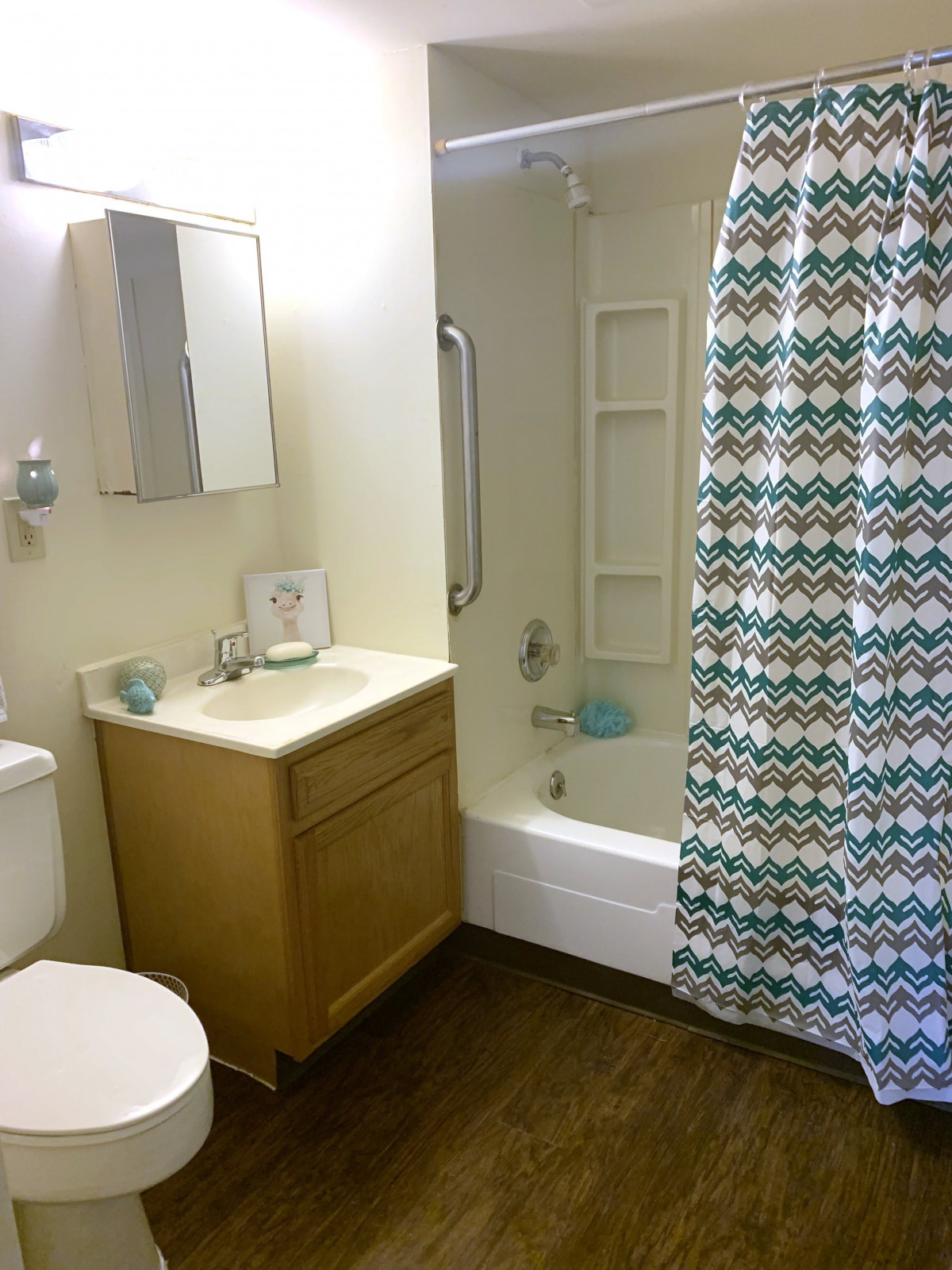
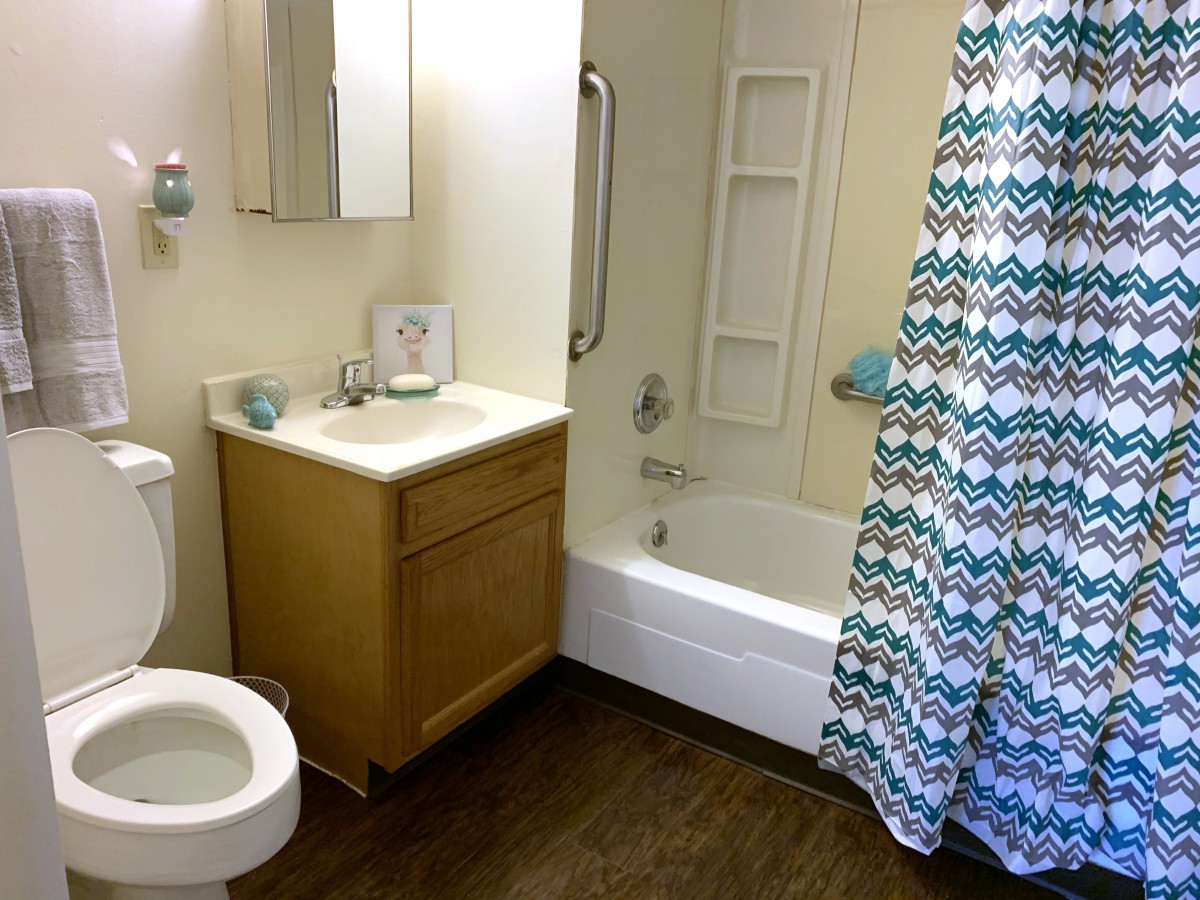
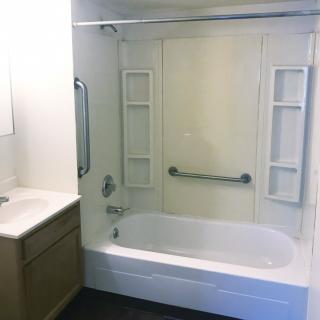
 Bath tubs
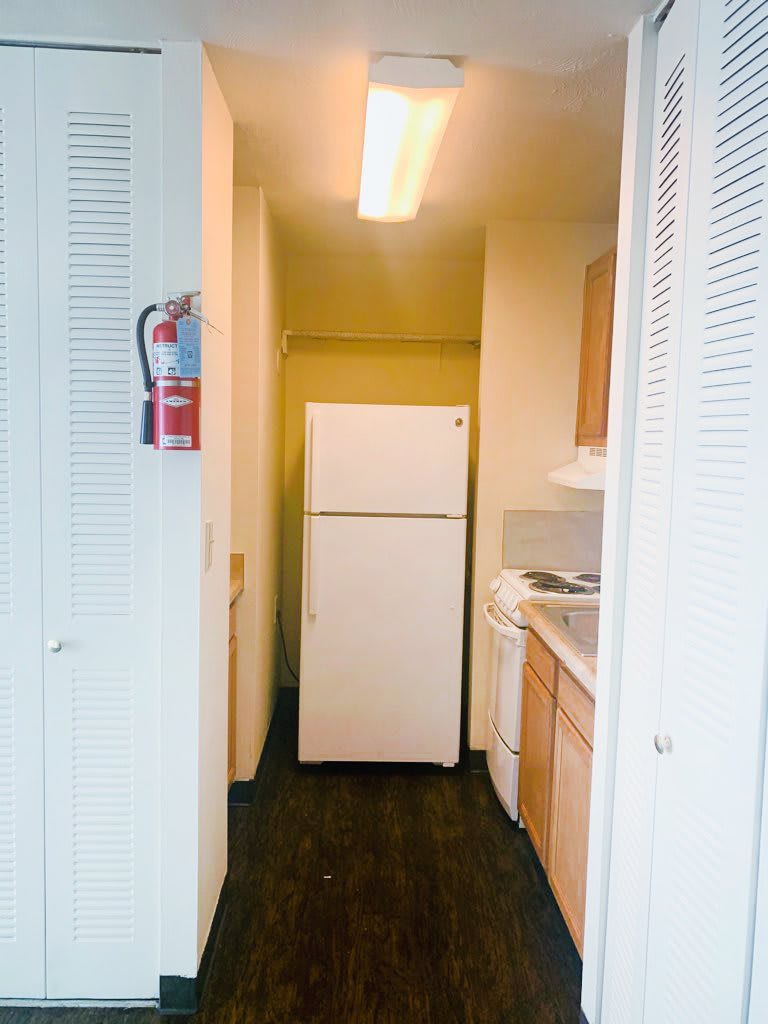
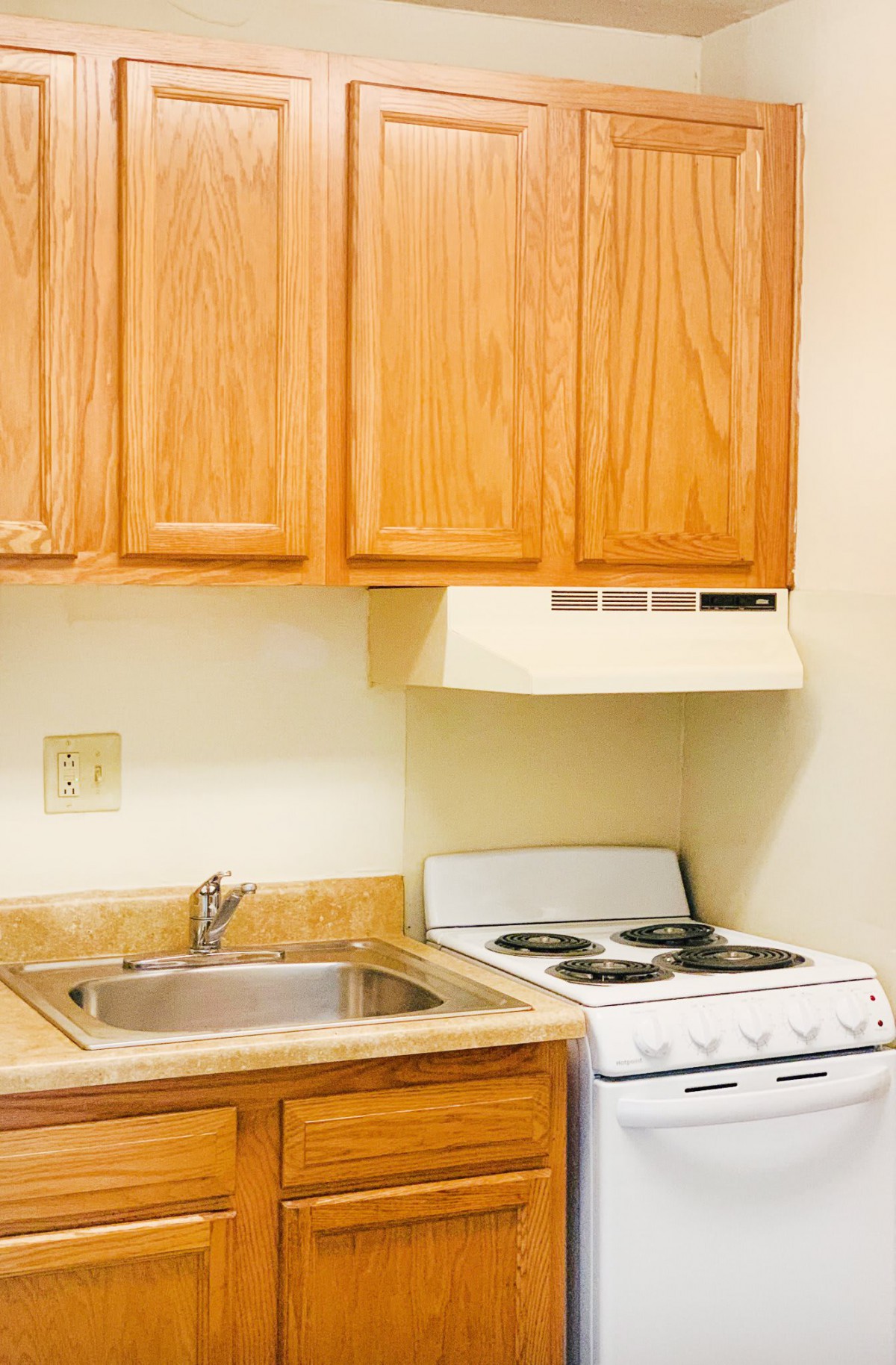
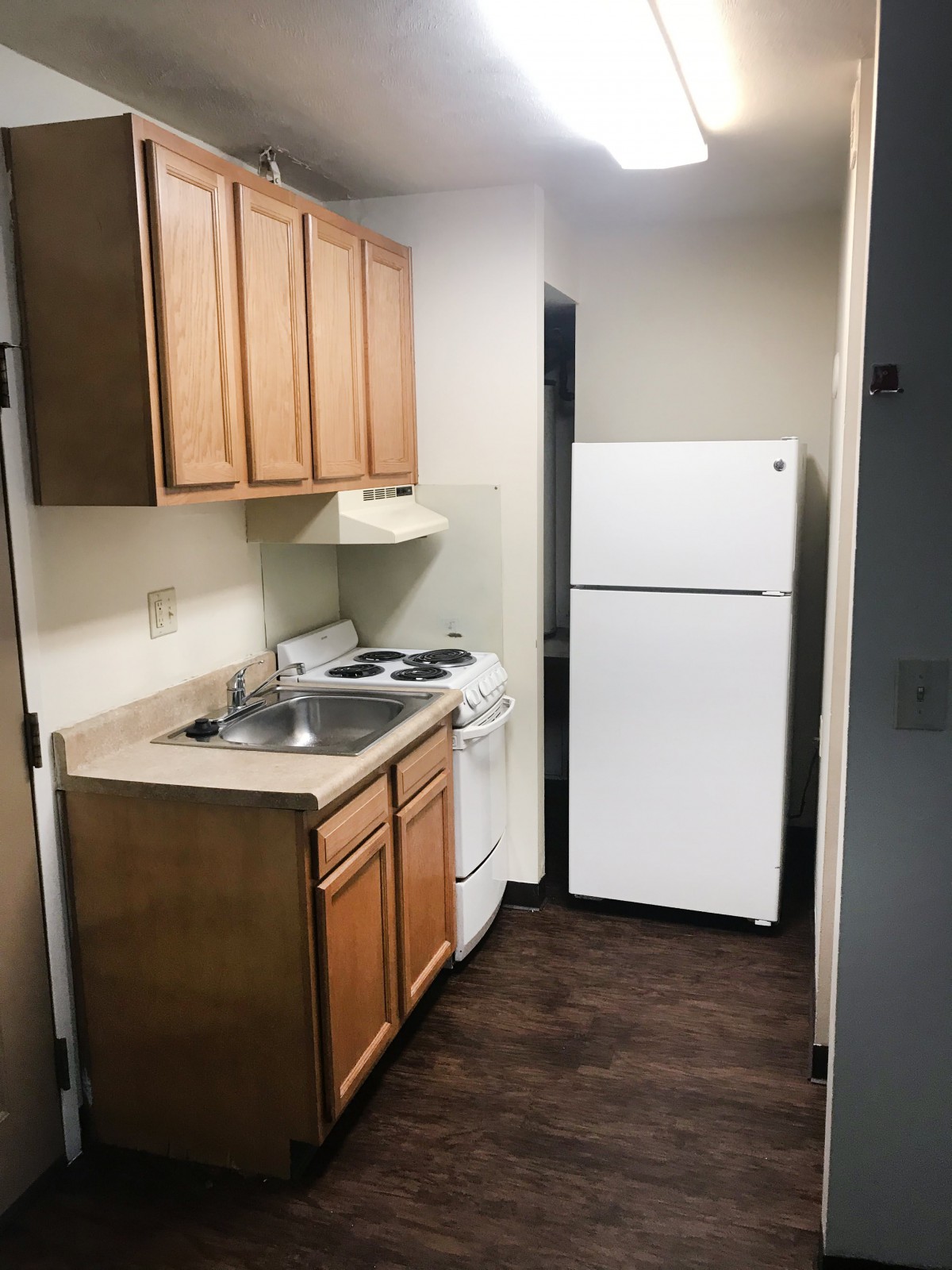
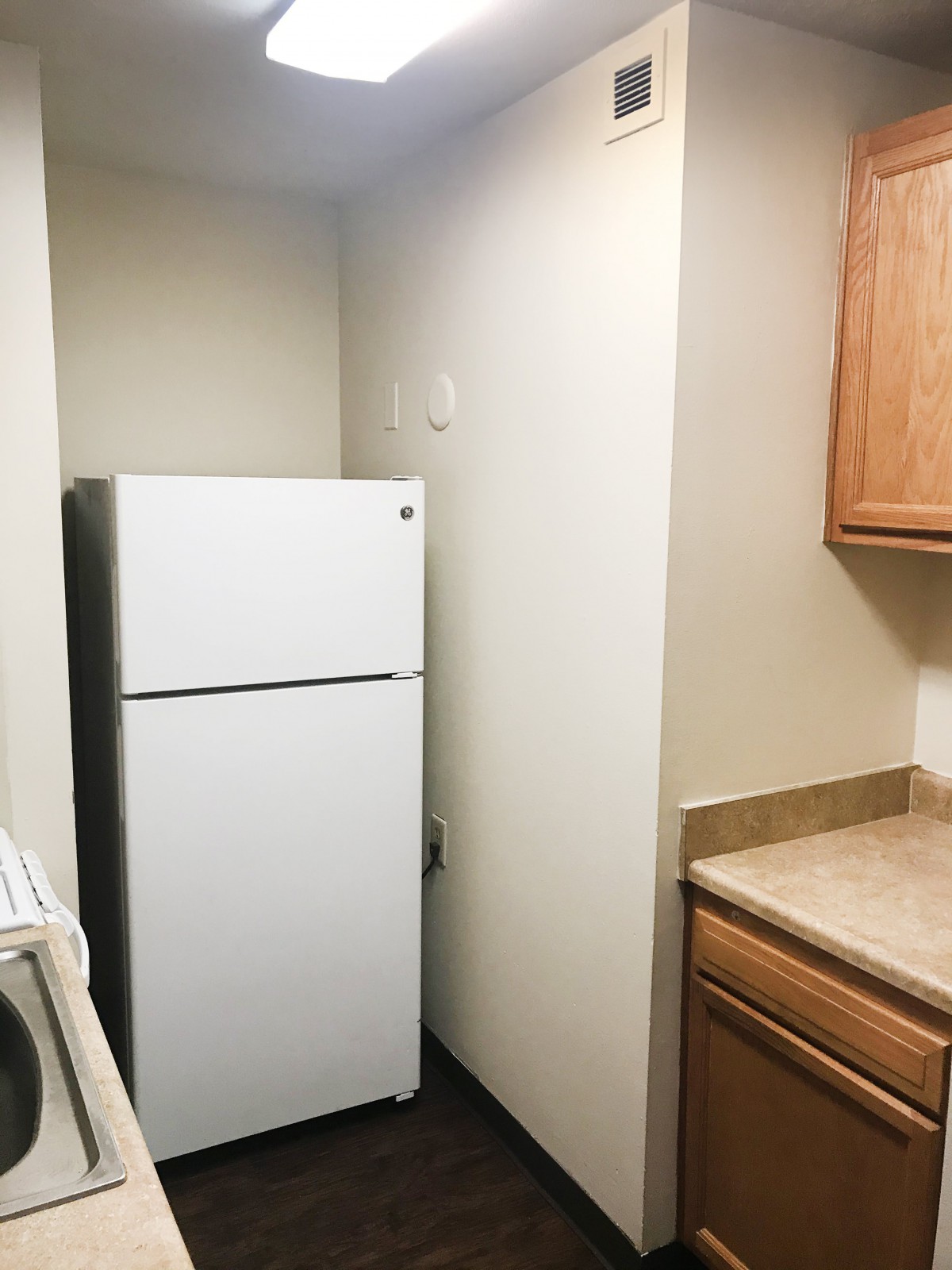
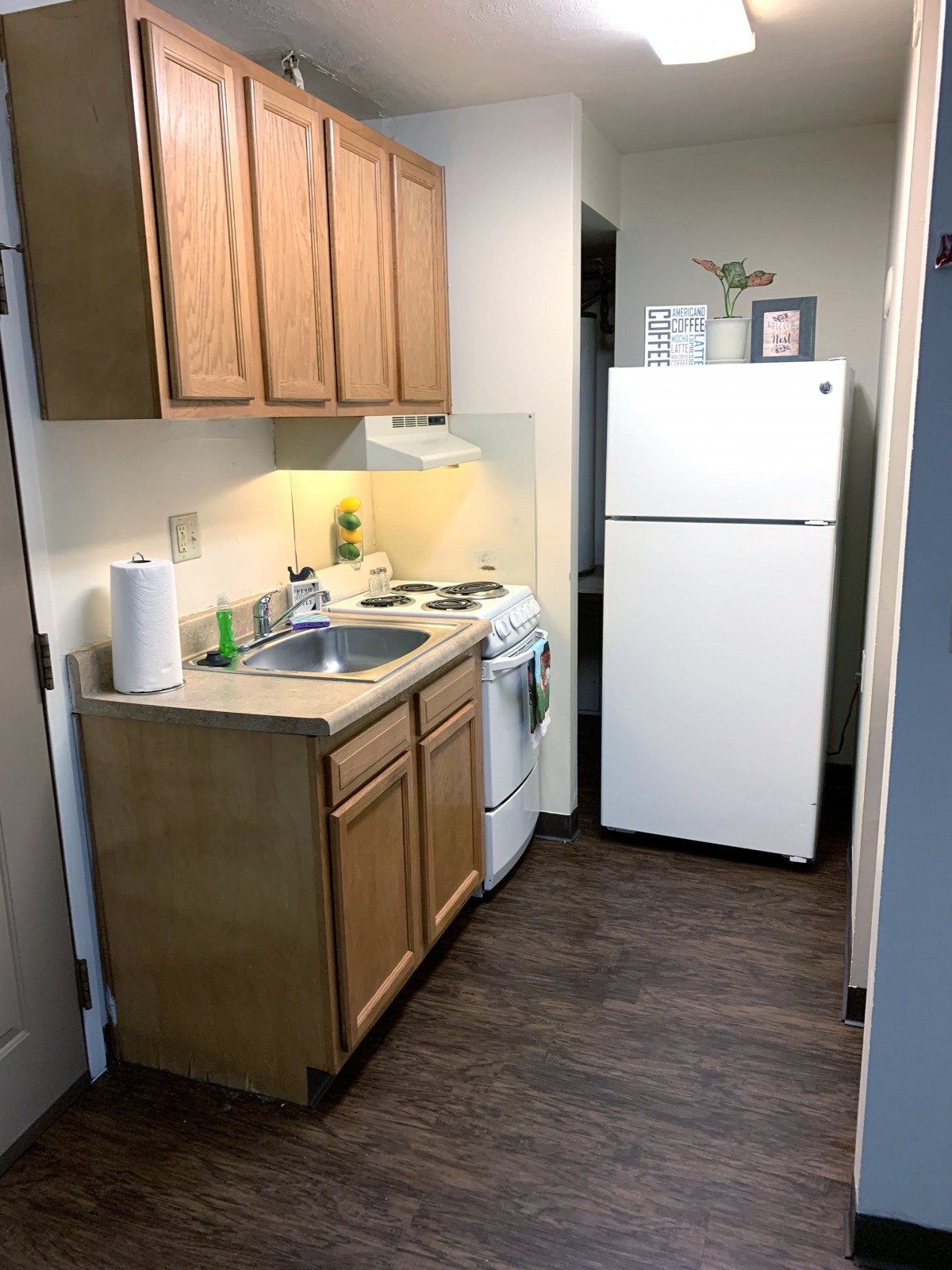
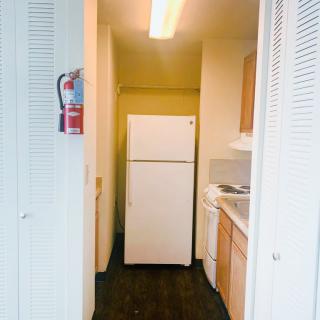
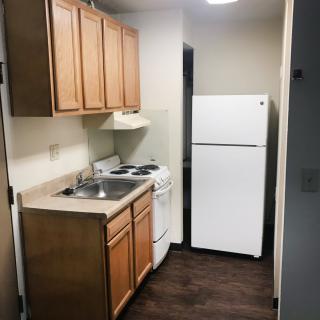
 Full kitchen
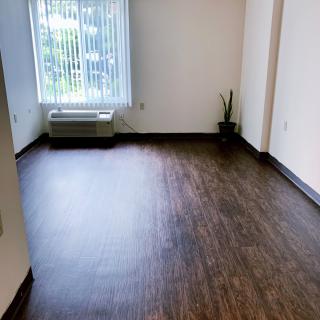
 Ground floor units
 Handicap accessible
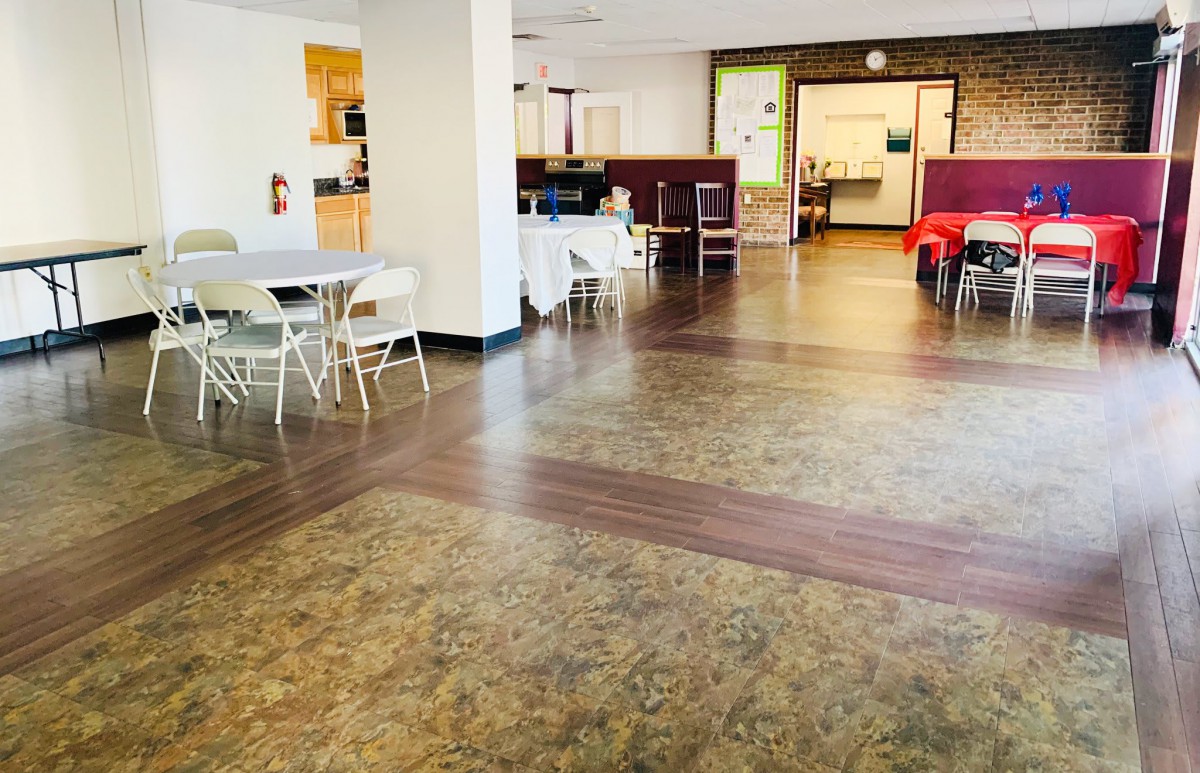
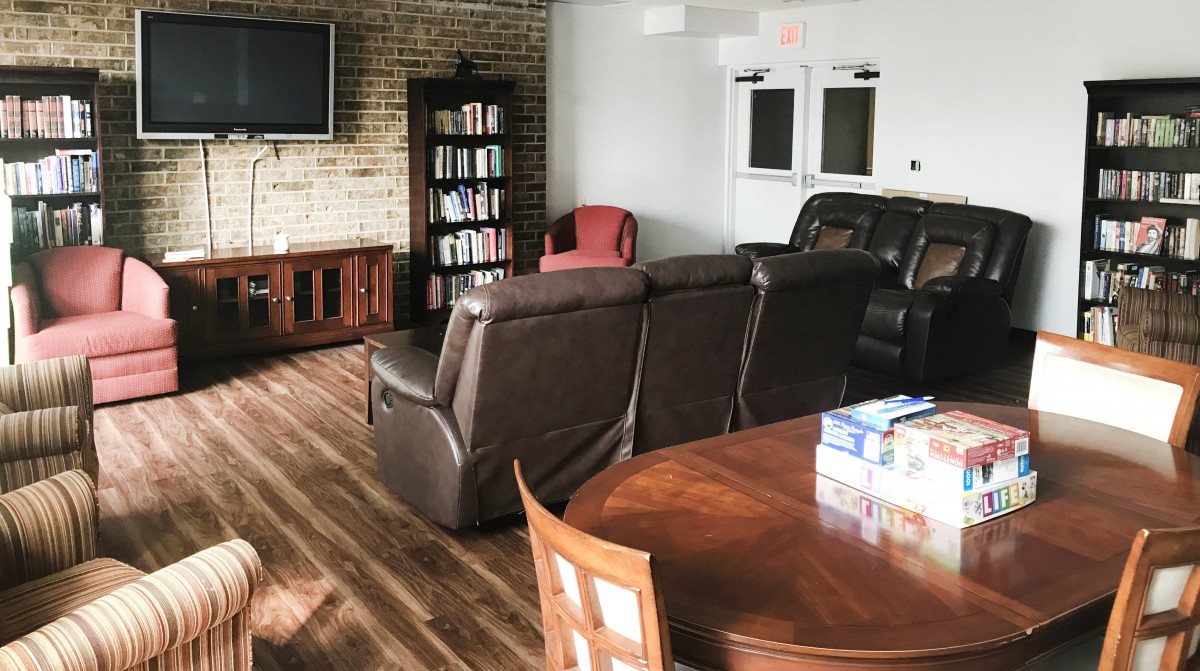
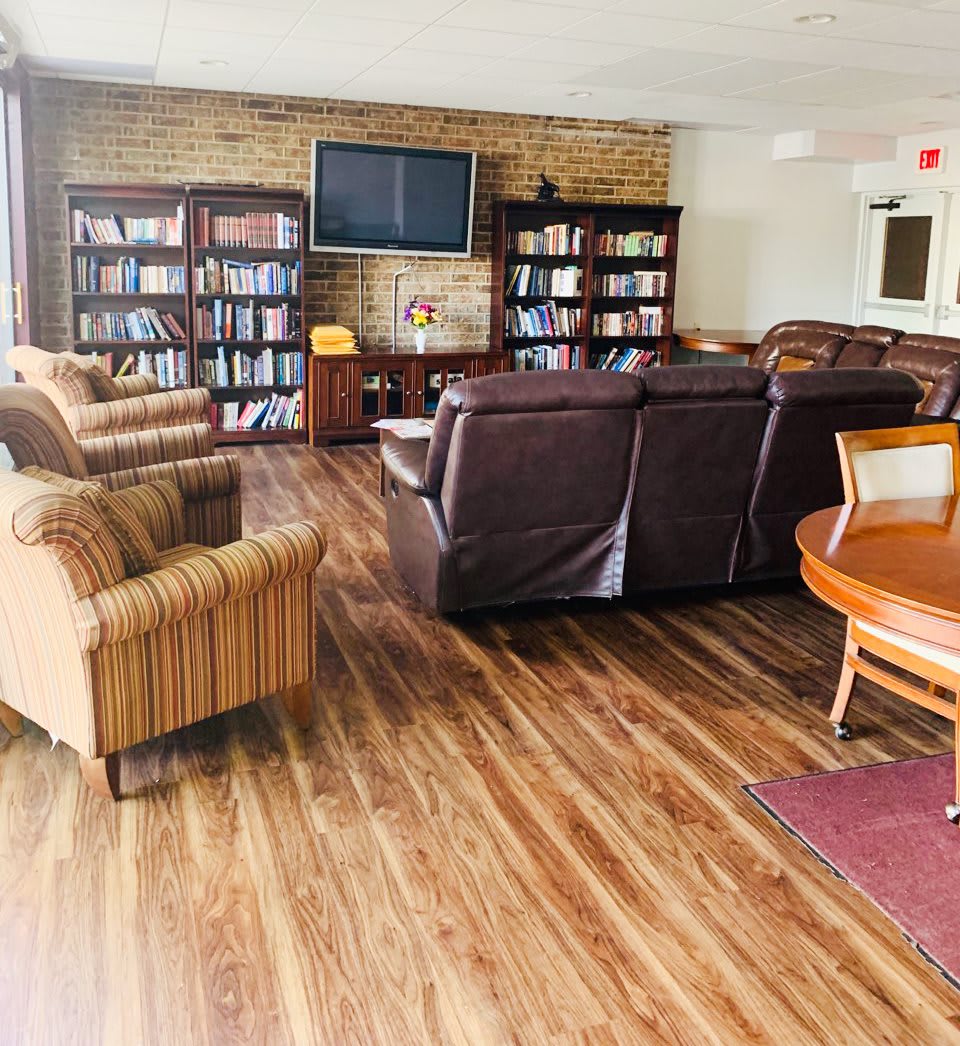
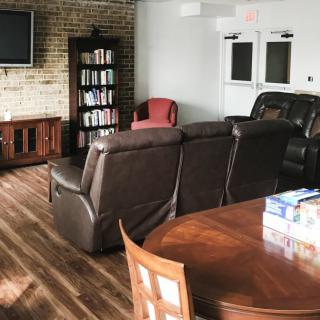
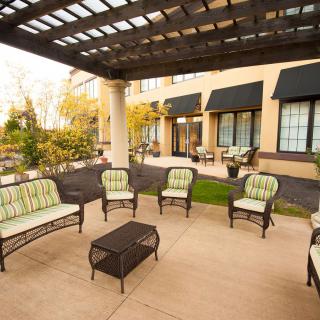
 Indoor common areas
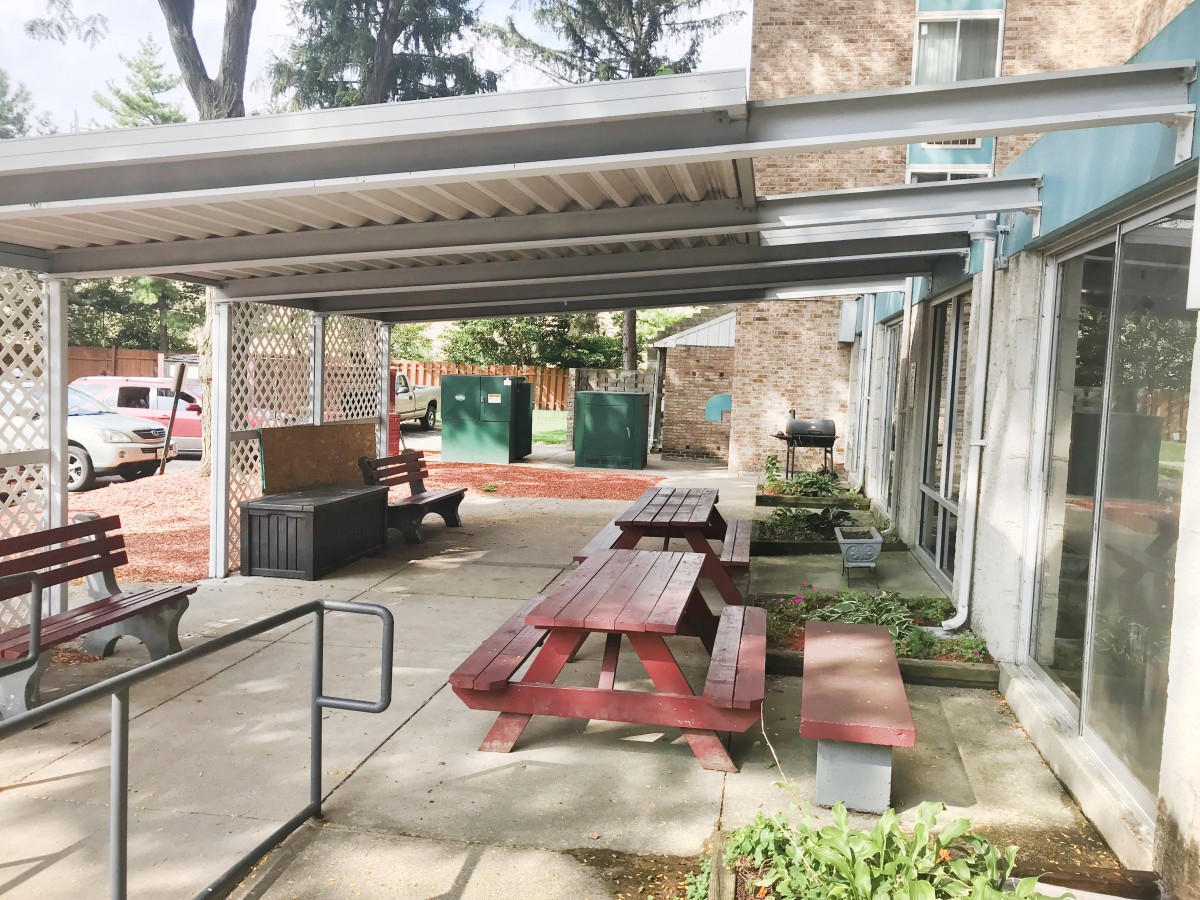
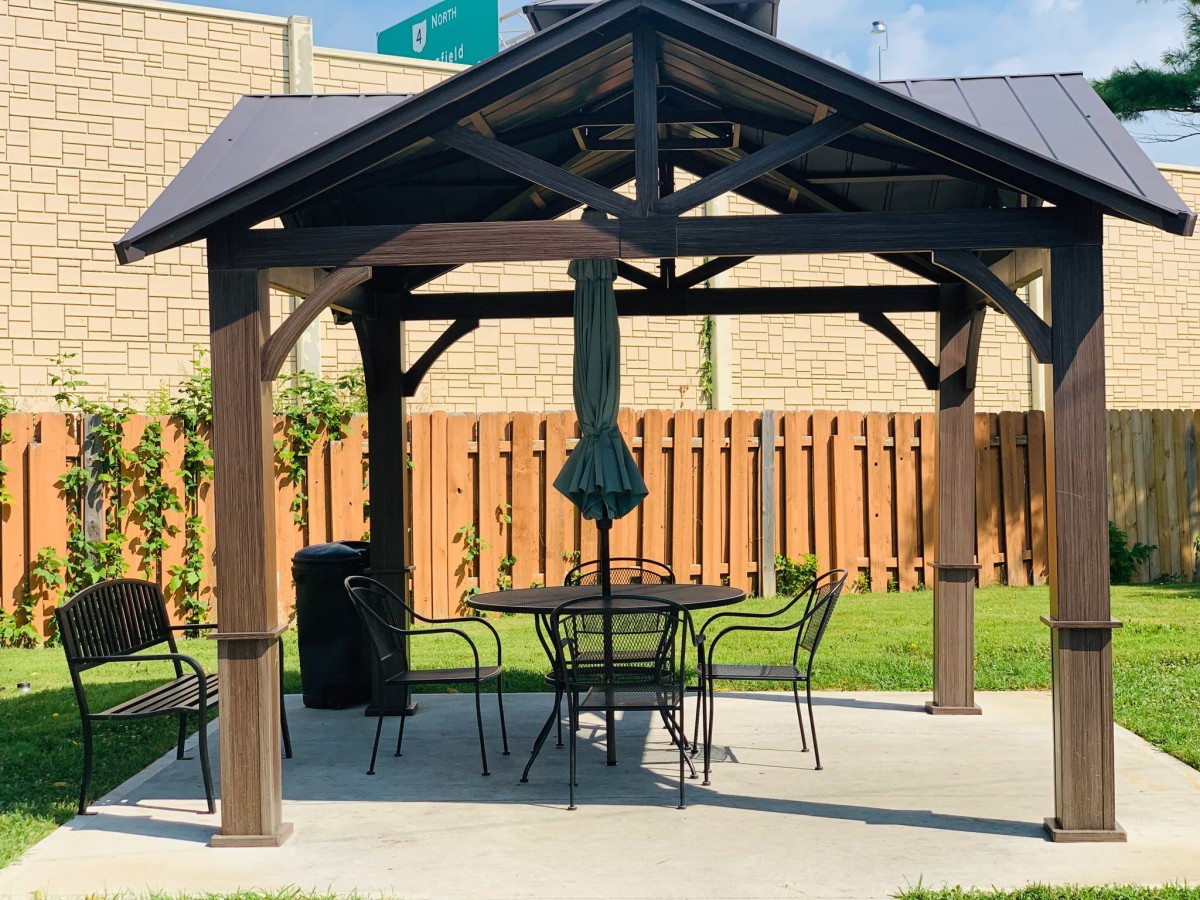
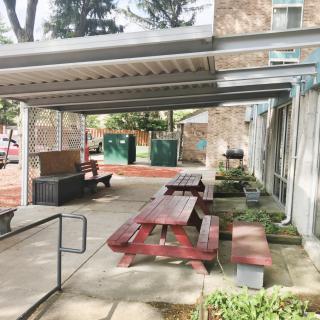
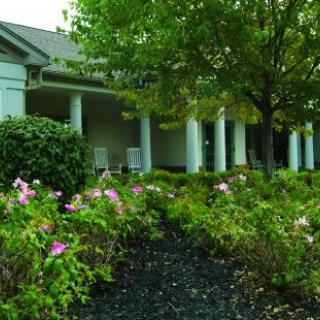
 Outdoor common areas
 James M Cox Dayton International (9 miles away)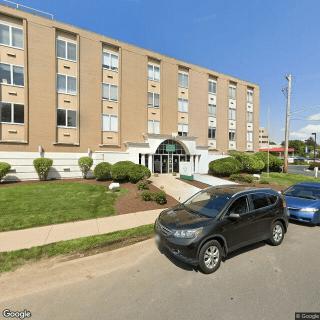

 Navigating the Financial Road to Nursing Home Care: In-Depth Guidance and Resources
 Supportive Employee Benefits That Help Caregivers Attain Better Work-Life Harmony
 Top Cars for Senior Drivers and Essential Safety Innovations