The Carlyle House offers competitive pricing for its accommodations when compared to the broader market in Montgomery County and throughout Ohio. For semi-private rooms, The Carlyle House charges $3,000 per month, which is notably lower than the county average of $3,639 and the state average of $3,965. In terms of studio apartments, the monthly fee at The Carlyle House is $3,960, slightly above Montgomery County's average of $3,476 but still providing a valuable option compared to Ohio's average of $3,727. However, for one-bedroom units, The Carlyle House presents a significant premium at $5,500 per month; this is considerably higher than both the county average of $3,599 and the state average of $3,712. Overall, while The Carlyle House showcases affordability in certain room types, its pricing strategy reflects an emphasis on quality and service that may appeal to prospective residents looking for an exceptional living experience.
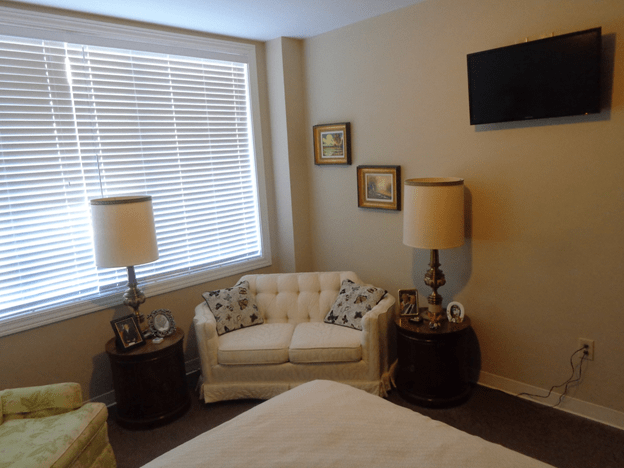
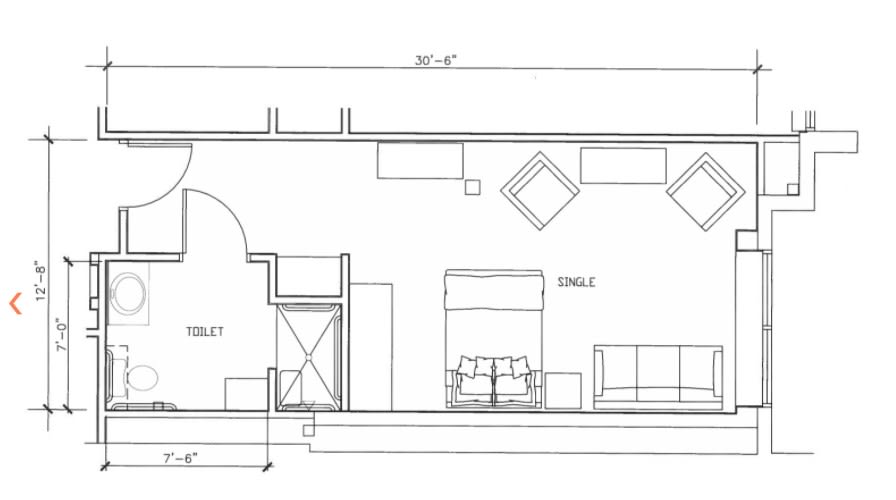
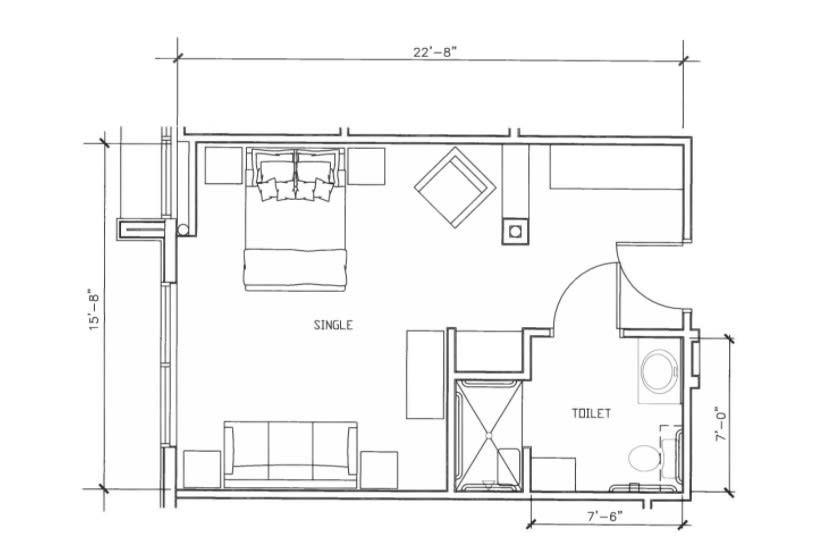
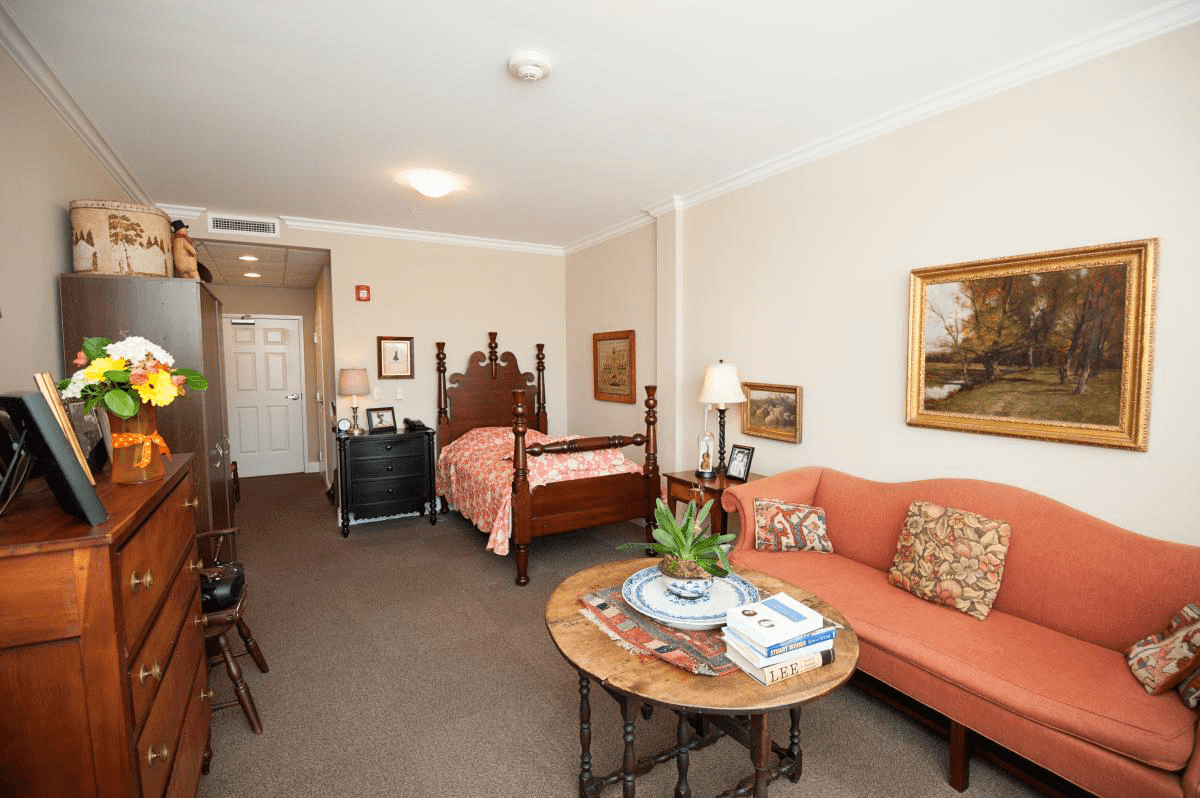
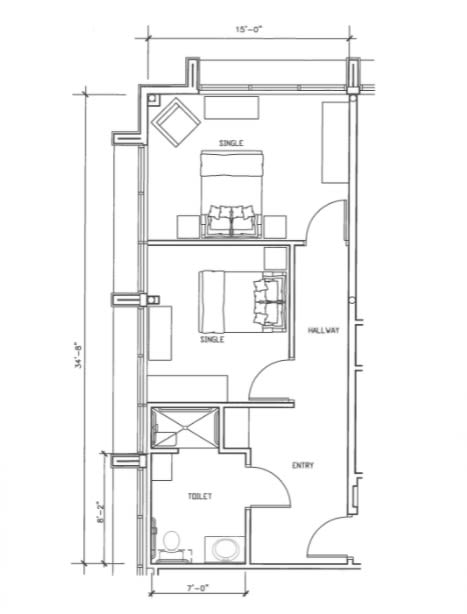
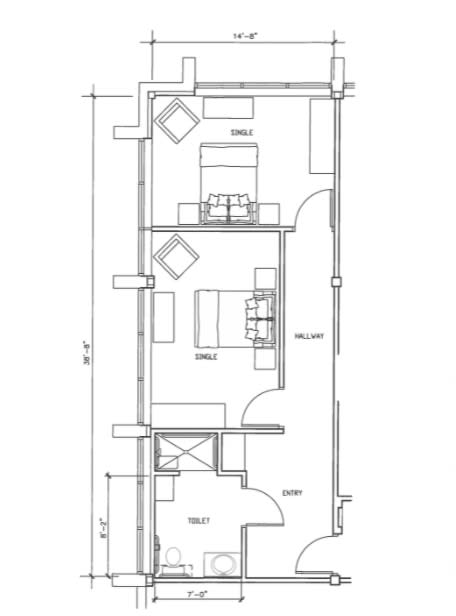
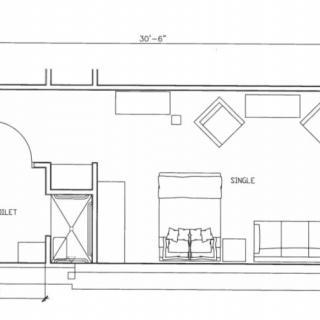
Floor plans
The Carlyle House
Montgomery County
Ohio
Semi-Private
$3,000
$3,639
$3,965
Studio
$3,960
$3,476
$3,727
1 Bedroom
$5,500
$3,599
$3,712
Memory care communities with a similar price nearby
Residents and families often describe the care team as caring, responsive, and respectful.
A large share of reviewers say the staff treats residents with respect and helps families feel supported, including during memory care and end-of-life transitions. Several mention feeling confident that needs are met and communication is handled with attentiveness. A smaller set of comments describe breakdowns in care or inconsistent follow-through, including medication problems and residents not being looked after as often as expected.
differentiator3 reviews mention this
24-hour supervision is a key feature
The community emphasizes around-the-clock care support in memory care reviews.
Reviewers who were specifically selecting for ongoing coverage reference 24/7 care needs and also describe the community as providing 24-hour nursing or continuous support. Others discuss the level of responsiveness when health changes come up, especially in memory care situations. One review raises concerns about medication handling and call-light response, which is at odds with the expectation of continuous monitoring.
caveat7 reviews mention this
Activities are active, but not always
Activities are a big part of daily life, though some say scheduling is inconsistent.
Many reviewers say residents stay engaged, citing frequent activities and participation in daily schedules, including exercise, parties, and outings like field trips. The community also offers concierge-style support for planning and day trips, and it lists multiple activity options in the community. Other reviewers say activities weren’t happening as promised on calendars, with limited evenings and fewer structured options during certain periods, making engagement harder for residents who are very active.
caveat3 reviews mention this
Dining quality and diet support varies
Dining can be a strength, but reviews also mention freshness and diet-fit concerns.
Some reviewers praise the meals as good with variety, and one mentions the food as not feeling institutional. Another review says food was mostly frozen and not fresh, and also notes a lack of special dietary guidelines for a resident’s needs. While the community offers meal preparation and support for special diets, residents’ experiences appear mixed depending on the situation and timing.
caveat4 reviews mention this
Cost gets mixed reactions
Pricing is sometimes described as good value, but some reviewers call it expensive.
Several reviewers frame the cost positively, describing good value for the care or recommending it when budget allows. Others, including someone comparing options during a tour process, say the community was among the most expensive they looked at and that it may be too expensive for their family. Based on the listed pricing comparison, rates are positioned below county and state benchmarks across unit types.
How we summarize
Counts show how many written reviews mention each theme; a review can touch several themes, and only frequently mentioned themes are displayed.
Features
Housing
111 resident community capacity
Types of Care
Assisted Living
Memory Care
Pets
Cats allowed
Dogs allowed
Amenities
Activities off-site
Activities on-site
Air-conditioning
Beautician on-site
Beauty salon
Cable or satellite TV
Computer center
Devotional services on-site
Dining room
Fitness room
Fully furnished
Gaming room
Garden
Housekeeping services
Indoor common areas
Kitchenette
Move-in coordination
Outdoor common areas
Outdoor space
Private bathrooms
Respite or short term stays offered
Restaurant-style dining
Small library
Telephone
Wellness center
Wheelchair accessible showers
Wi-Fi/high-speed internet available
Transportation
James M Cox Dayton International (14 miles away)
Community operated transportation
Transportation arrangement
Transportation arrangement (non-medical)
Care Services
12-16 hour nursing
24-hour call system
24-hour supervision
Activities of daily living assistance
Assistance with bathing
Assistance with dressing
Assistance with transfers
Coordination with health care providers
Diabetes diet
Diabetic care
Incontinence care
Meal preparation and service
Medication management
Mental wellness program
Mild cognitive impairment
Special dietary restrictions
Specialized memory care programming
Transportation arrangement (medical)
Transportation to doctors appointments
Dining
Diabetes diet
Meals provided
Special dietary restrictions
Activities
Activities off-site
Activities on-site
Community-sponsored activities
Concierge services
Devotional activities on-site
Fitness programs
Planned day trips
Resident-run activities
Scheduled daily activities
Nearby Places of Interest
This part of Kettering, Ohio, offers a convenient and diverse array of amenities for seniors. With multiple pharmacies nearby including CVS, Walgreens, and Rite Aid, accessing necessary medications is easy. There are also several parks such as Lincoln Park and Hills & Dales MetroPark for seniors to enjoy outdoor activities and relaxation. A variety of dining options are available within a short distance, ranging from fast food chains like Chick-Fil-A and McDonald's to sit-down restaurants like Elsa's Kettering and Carmel's. For medical needs, there are reputable physicians' offices in the vicinity such as Kunesh Eye Center and Dayton Physicians Network at Greater Dayton Cancer Center. Coffee lovers can find Starbucks cafes close by for a morning pick-me-up or socializing with friends. In case of emergency medical situations, Kettering Medical Center is conveniently located within 1.2 miles from this area. Overall, this neighborhood in Kettering provides seniors with easy access to essential services and a pleasant environment for comfortable living.
Pharmacies
CVS Pharmacy (0.6 miles)
Walgreens (1.1 miles)
Rite Aid (1.5 miles)
CVS Pharmacy (2 miles)
Walgreens (2.4 miles)
Kroger Pharmacy (2.4 miles)
Walgreens (2.7 miles)
Parks
Lincoln Park (0.6 miles)
Hills & Dales MetroPark (1.7 miles)
Cox Arboretum MetroPark (4.2 miles)
Restaurants
Chick-Fil-A (0.6 miles)
Elsa's Kettering (1.4 miles)
McDonald's (1.5 miles)
Sonic Drive-In (1.6 miles)
Skyline Chili (1.6 miles)
Carmel's (1.7 miles)
McDonald's (2 miles)
Physicians
Kunesh Eye Center (0.7 miles)
MyEyeDr (0.8 miles)
Dr Leslie Meeker's Office (1 miles)
Far Hills Medicine & Podiatry (1 miles)
Digestive Specialists (1 miles)
Woods Kamal R MD - Kamal R Woods, MD, FAANS (1.2 miles)
Dayton Physicians Network at Greater Dayton Cancer Center (1.7 miles)
Cafes
Starbucks (0.8 miles)
Warehouse 4 (1.4 miles)
Starbucks (3.2 miles)
Starbucks (3.4 miles)
Winans Chocolates + Coffees (3.6 miles)
Hospitals
Kettering Medical Center (1.2 miles)
Miami Valley Hospital Surgery Floor (3.4 miles)
Alcohol Treatment Centers Dayton (3.4 miles)
Miami Valley Hospital Inpatient Rehab Unit (3.5 miles)
The Carlyle House offers competitive pricing for its accommodations when compared to the broader market in Montgomery County and throughout Ohio. For semi-private rooms, The Carlyle House charges $3,000 per month, which is notably lower than the county average of $3,639 and the state average of $3,965. In terms of studio apartments, the monthly fee at The Carlyle House is $3,960, slightly above Montgomery County's average of $3,476 but still providing a valuable option compared to Ohio's average of $3,727. However, for one-bedroom units, The Carlyle House presents a significant premium at $5,500 per month; this is considerably higher than both the county average of $3,599 and the state average of $3,712. Overall, while The Carlyle House showcases affordability in certain room types, its pricing strategy reflects an emphasis on quality and service that may appeal to prospective residents looking for an exceptional living experience.
The Carlyle House's comprehensive array of features is meticulously designed to cater to the unique needs of residents experiencing dementia or Alzheimer's disease. Twenty-four-hour supervision ensures continuous safety and support, allowing residents to navigate their environment with confidence. Assistance with activities of daily living such as bathing, dressing, and transfers fosters independence while providing necessary help tailored to each individual's capabilities. The coordination with health care providers guarantees that medical needs are effectively managed, while incontinence care and meal preparation create a respectful and comfortable living experience. Medication management is crucial for maintaining health stability, complemented by a mental wellness program that promotes cognitive engagement and emotional well-being. Additionally, specialized memory care programming addresses the specific challenges associated with mild cognitive impairment, and transportation arrangements facilitate access to medical appointments, ensuring holistic care for all residents.
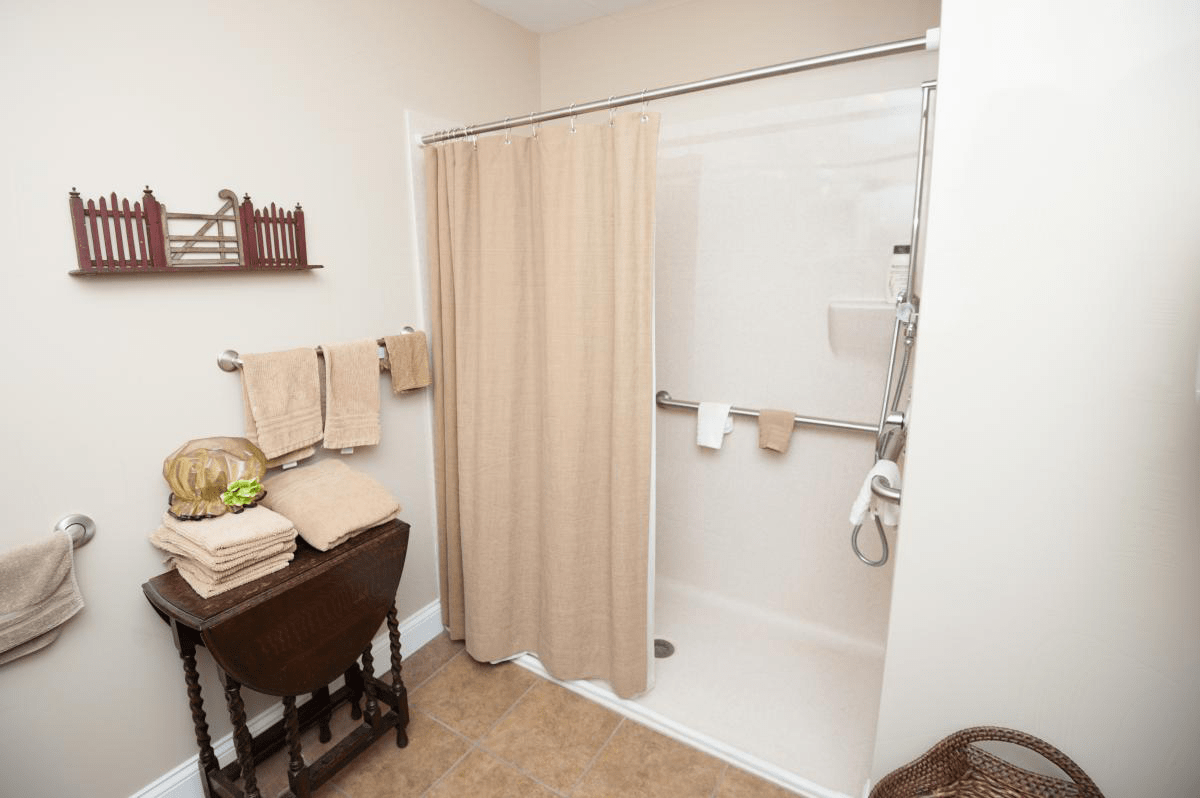
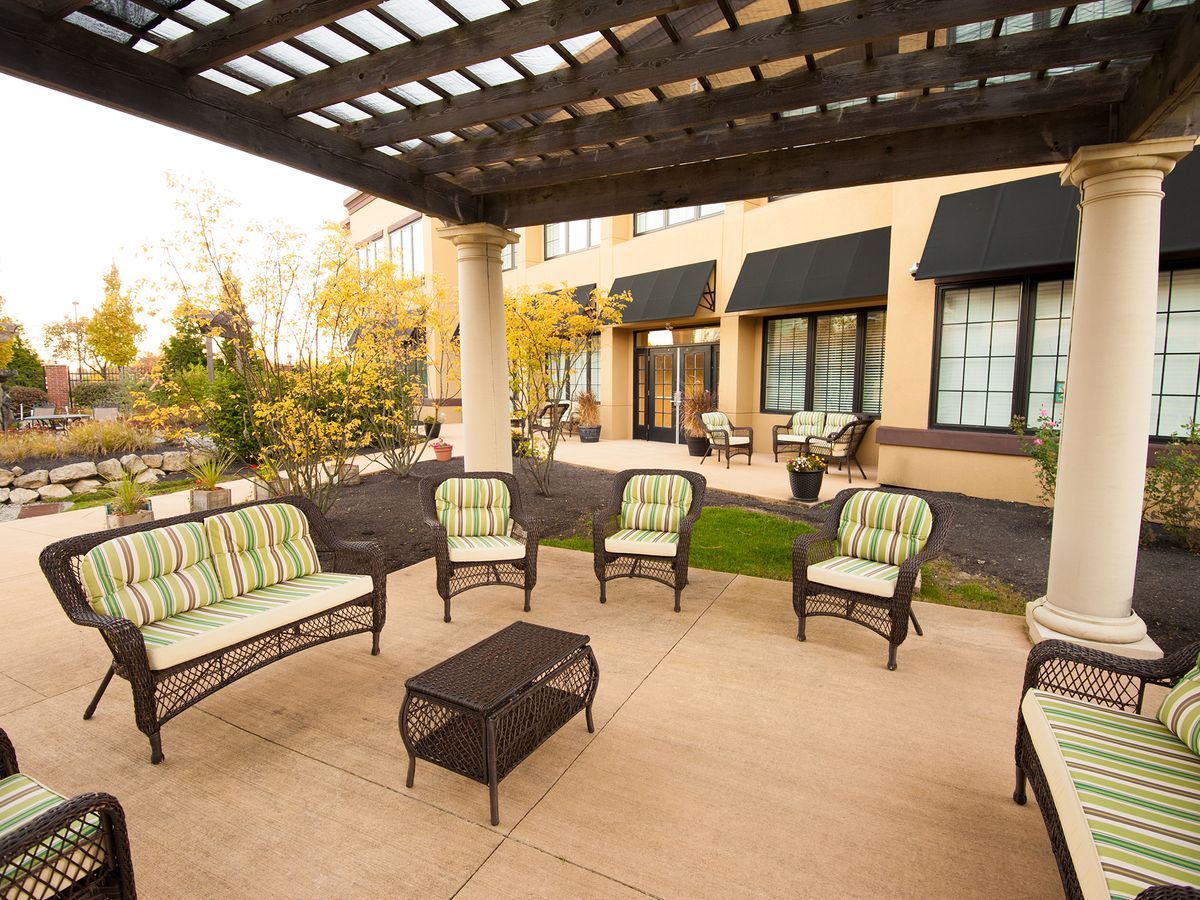
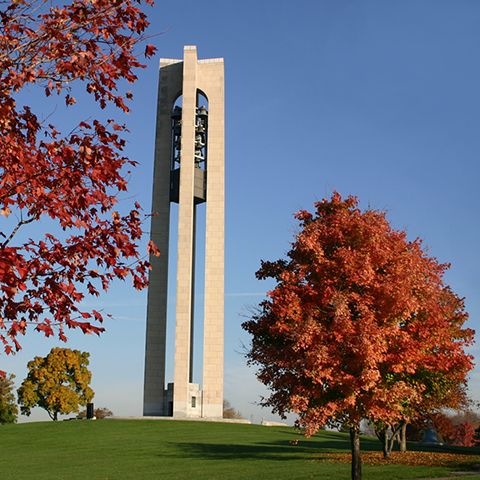
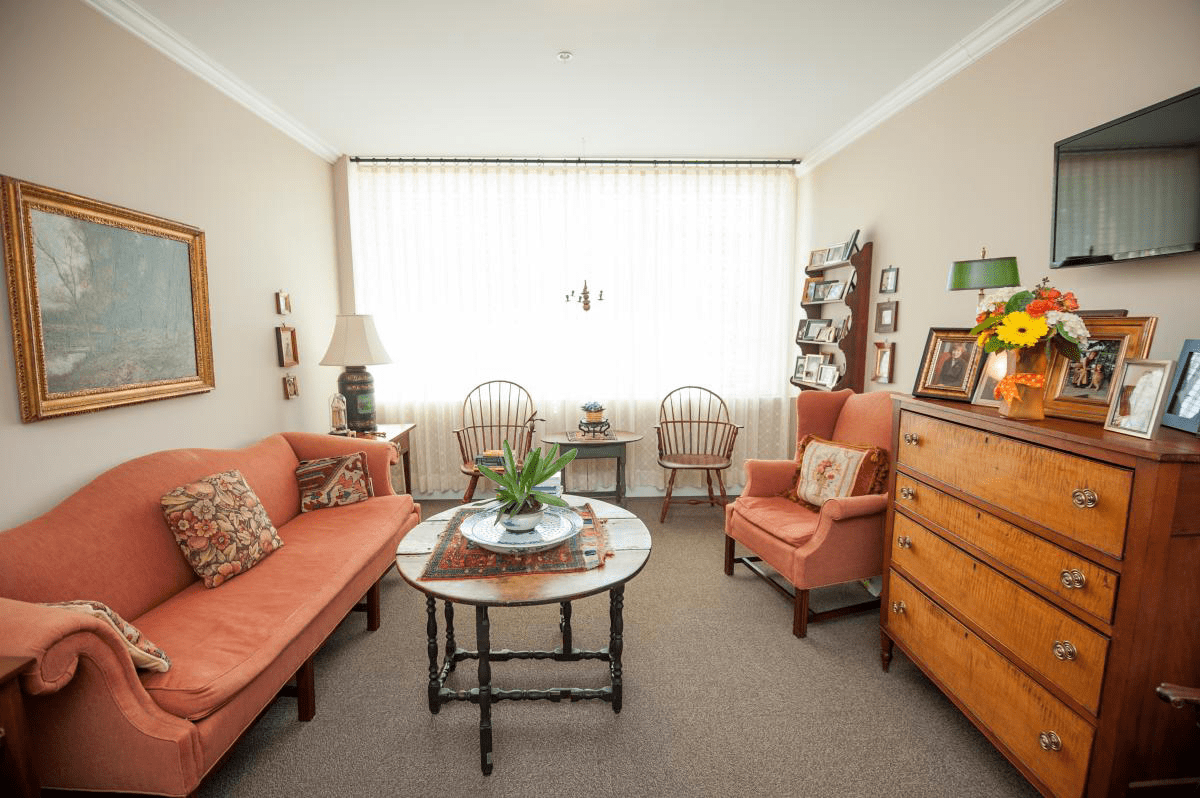
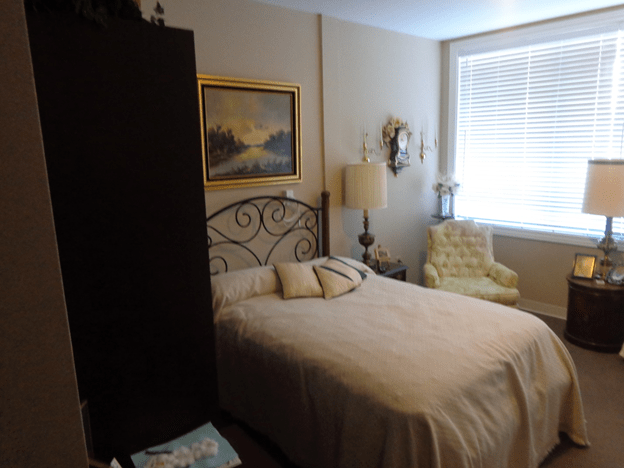
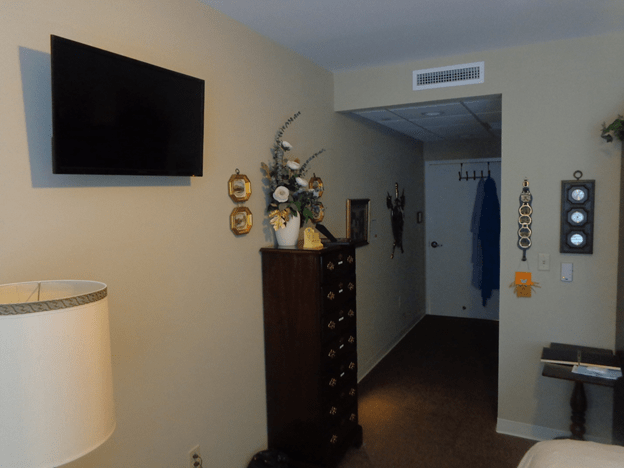
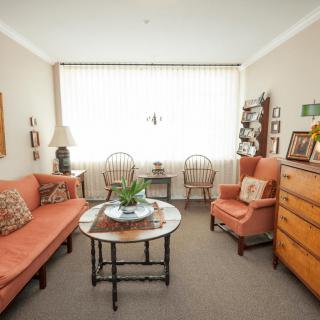
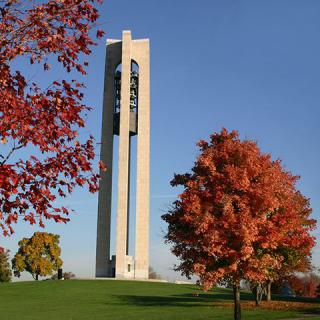
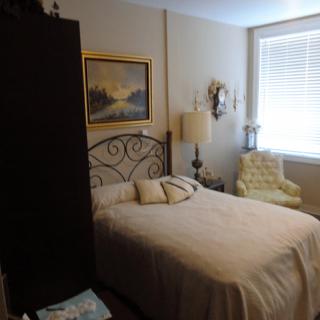
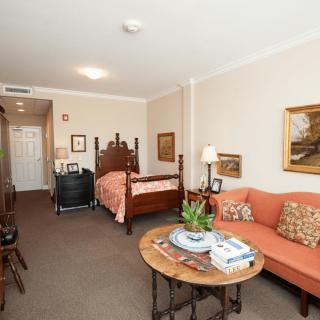
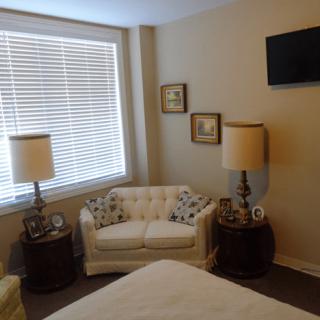
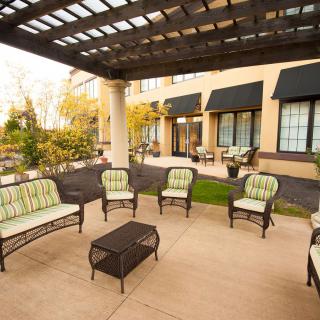
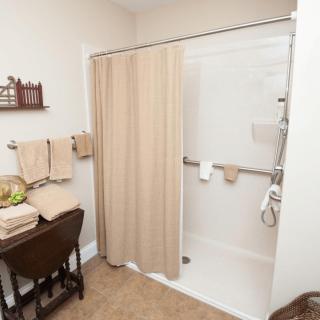
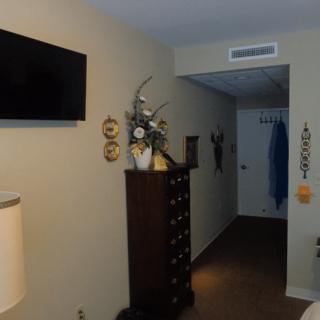
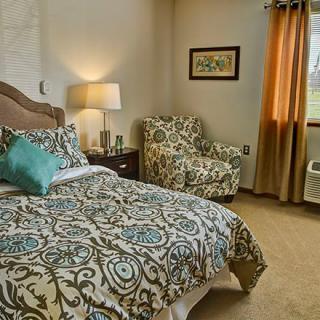
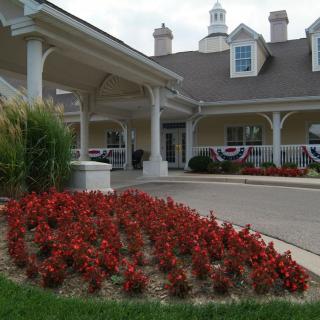
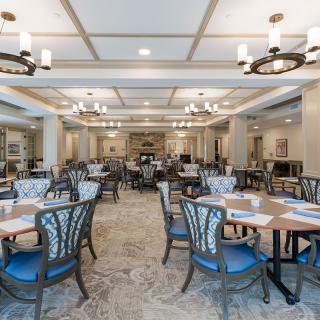
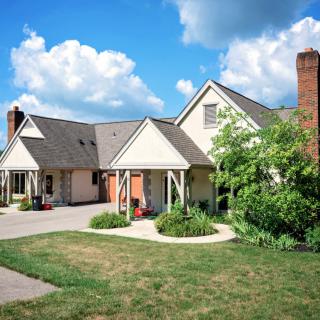
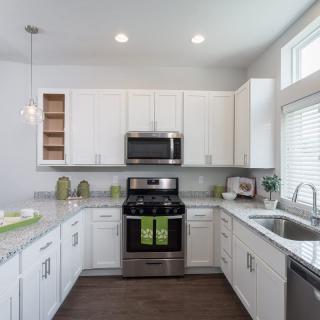
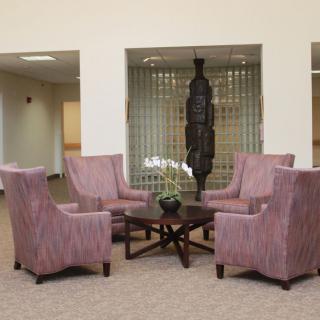
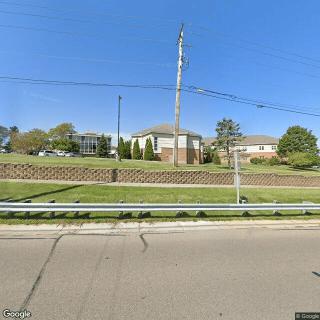
The Carlyle House on seniors.fyi includes 13 photos including images showing floor plan, interior, decor, bedroom, architecture, bathroom, room design, architectural drawing, and more.
Nearby Communities
One Lincoln Park
Kettering, OH
4.6 from 106 reviews
$2,070 to $3,935 / month
Warm, social community with courteous staff, clean and well-appointed facilities, and strong on-site amenities at a price below local averages.
Lincoln Park Manor
Kettering, OH
4.2 from 13 reviews
Caring staff in a tranquil setting with engaging activities.
Villas of Kettering
Kettering, OH
3.9 from 24 reviews
Dedicated staff with fast maintenance in a clean, tranquil environment.
Home Helpers & Direct Link - Dayton, OH
Dayton, OH
Prime location with close access to amenities and medical services.
Brookdale Oakwood
Dayton, OH
4.3 from 66 reviews
$4,755 to $6,735 / month
Intimate, resident-focused setting with attentive staff who know residents well and strong family communication.
Marshall House-Eastway
Kettering, OH
Prime location with many nearby amenities.
Dogwood Commons
Centerville, OH
5 from 50 reviews
$2,264 to $2,620 / month
Friendly, accommodating staff and residents; spacious, well-equipped units.
Bethany Lutheran Village
Dayton, OH
3.5 from 13 reviews
$1,400 to $3,000 / month
Comprehensive care options with diverse housing and on-site amenities.
Bethany Village
Centerville, OH
3.1 from 7 reviews
$2,300 to $4,400 / month
Dedicated staff with engaging activities and strong memory care.
Dementia encompasses progressive neurological disorders that impair cognitive functions and can lead to paranoia due to cognitive decline and emotional changes. The article discusses the triggers of paranoia in dementia, caregiver strategies for managing it, and the importance of distinguishing between dementia-related paranoia and other psychiatric conditions.
Memory care activities are essential for improving the quality of life of seniors with cognitive impairments, as they stimulate cognitive function, promote well-being, and encourage social interaction through tailored strategies. These activities combine structured exercises with spontaneous tasks, sensory engagement, physical workouts, creative pursuits, and intergenerational interactions to enhance emotional connection and a sense of purpose.
Transitioning from assisted living to memory care is driven by an individual's cognitive decline and specific needs, requiring careful evaluation of indicators like increased confusion and wandering. The process involves consulting medical professionals, researching suitable communities, considering financial and legal aspects, and ensuring effective communication for personalized care plans.
Get PricingAsk A QuestionSchedule A TourContact Senior Advisor
By clicking submit, you agree to our Partner's Terms of Use. You
also consent to receive calls and texts, which may be autodialed, from our Partner. Your consent is not a condition to
using our Partner's service. Please visit our Partner's Privacy Policy for information about their privacy practices.


 111 resident community capacity
 Assisted Living
 Memory Care
 Cats allowed
 Dogs allowed
 Activities off-site
 Air-conditioning
 Beautician on-site
 Cable or satellite TV
 Computer center
 Devotional services on-site
 Dining room
 Fitness room
 Fully furnished
 Gaming room
 Garden
 Housekeeping services
 Indoor common areas
 Kitchenette
 Move-in coordination
 Outdoor common areas
 Private bathrooms
 Respite or short term stays offered
 Restaurant-style dining
 Small library
 Telephone
 Wellness center
 Wheelchair accessible showers
 Wi-Fi/high-speed internet available
 James M Cox Dayton International (14 miles away)
 Community operated transportation
 12-16 hour nursing
 24-hour call system
 Assistance with bathing
 Assistance with dressing
 Assistance with transfers
 Diabetes diet
 Diabetic care
 Incontinence care
 Medication management
 Mental wellness program
 Special dietary restrictions
 Transportation arrangement (medical)
 Concierge services
 Planned day trips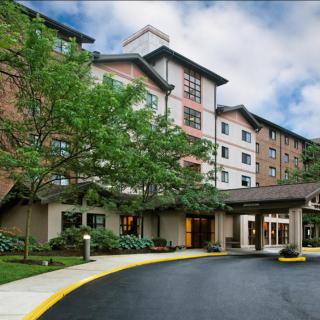
 Warm, social community with courteous staff, clean and well-appointed facilities, and strong on-site amenities at a price below local averages.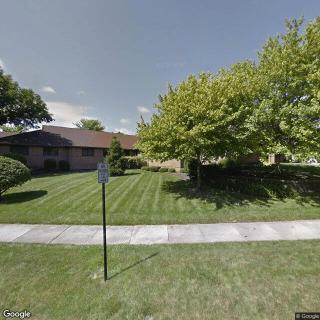
 Dementia, Paranoia, and Caregiver Guidance: Understanding the Connection
 Engaging Memory Care Activities That Enhance Quality of Life
 When to Transition from Assisted Living to Memory Care: Key Indicators, Steps, and Finding the Right Community