
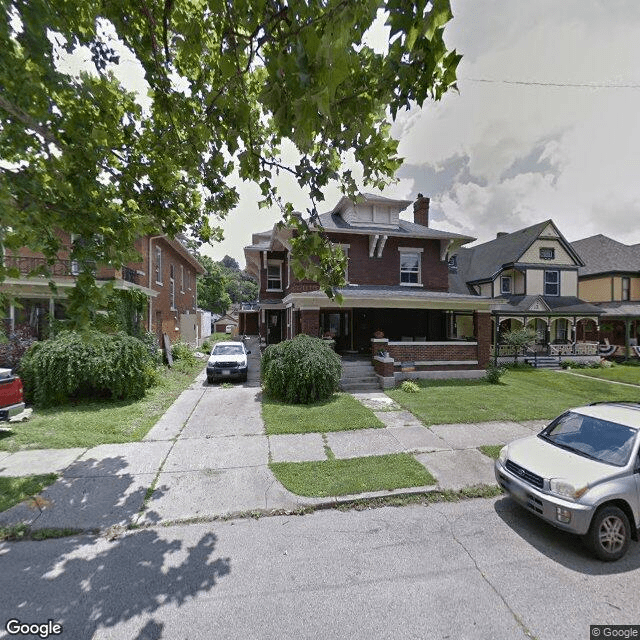
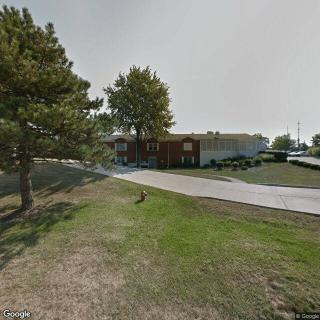
322 Park Dr, Dayton, OH 45410
To contact a resident: (937) 223-5453
For more information about senior living options: (866) 208-4318
Overall Review of Oregon Place
Pros
 The area is great for late-night activities.
- Turboslackers were amazing.
- The crowd cheers for the artists.
- The event expresses appreciation for musicians.
Cons
 They experienced one-hour parking that ended in a tow before the time expired.
- They felt Hauntfest was poorly planned and not worth the entry fee for attendees visiting bars on 5th.
- They said the lighting next to the ticket and beer sales was a total vibe killer.
- They criticized the fest layout as not suitable for people with accessibility needs.
- They reported the fence was too close to the stage and could hear radical religious men yelling hate speech.
- They noted entry points were not described on the website or social media, causing attendees to walk blocks out of the way.
- They described the pre-sales line as longer and the staff as poor at communicating the process, leaving attendees to guess what to do at the table and with the metal detector.
- They described the event as having a racist vibe.
Review
Oregon Place is best suited for seniors who want to live in a lively, culturally rich Dayton setting. The surrounding Oregon District offers easy access to theaters, restaurants, and music venues, which can be a substantial benefit for residents who thrive on social interaction and frequent outings with family. This location supports an engaged, activity-filled routine, making it attractive to those who want to weave community, culture, and companionship into daily life without traveling far. The practical upside is clear: built-in social stimulation and convenient access to an arts-and-culture scene can sustain mood and purpose. The trade-off, however, is equally real. For residents who prize quiet mornings, steady sleep, and predictable daily rhythms, the ambient energy and late-night activity in the district can challenge rest and routine cohesion. Fitting this environment to personal care needs requires clear planning around sleep, activities, and visitor flow.
Those who may want alternatives are explicit in how the neighborhood’s tempo can clash with a serene senior lifestyle. A serene, suburban rhythm often matters more to residents who require predictable times for medication, meals, and rest. Parking and visitor logistics emerge as practical headaches: one review notes a one-hour parking limit that ended in towing, highlighting ongoing stress for family visits and for staff coordinating outside services. For seniors with mobility constraints, sensory sensitivities, or a need for low-stress days, a more quiet campus or a location with stronger on-site programming and easier guest access could be a wiser match. The urban, arts-forward setting is not universally ideal; it demands a care plan capable of buffering the surrounding bustle and preserving daily calm.
On balance, the district’s energy offers tangible social and cultural benefits, provided the care program translates that vitality into resident-centered structure. The community’s overall rating, 3.8 out of 5 from 12 reviews, illustrates a mixed consensus: several residents sing praises, while a meaningful minority express concerns. For families weighing this setting, the key is whether programming can harness nearby nightlife and arts into daytime enrichment, while securing quiet, restorative nights. If staff can schedule meaningful outings, maintain soundproofed spaces or quiet zones, and provide reliable guest accommodations, the positives can outweigh the drawbacks. If, instead, noise control and predictable routines are neglected, the same vibrancy that attracts may erode sleep, mood, and engagement.
The Hauntfest-like feedback embedded in the surrounding scene offers a sharp caution about accessibility and planning beyond the campus walls. Reports of confusing entry points, long lines, and inadequate communication about events suggest that off-site activities can be more stressful than enriching if not managed with residents’ needs in mind. For Oregon Place, this translates into a concrete expectation: outings should be deliberately planned with accessibility in mind, transportation must be dependable for residents with mobility concerns, and staff should have clear protocols to avoid crowding or confusion. If the campus can deliver well-structured, accessible excursions and on-site events that are predictable and senior-friendly, the district’s energy becomes a strategic asset rather than a liability. Without proactive planning, however, the surrounding scene risks becoming a source of fatigue and frustration.
The brief, but pointed, mention of a “racist vibe” in the reviews cannot be ignored. It underscores the imperative for a welcoming, inclusive culture inside and outside the community. In practice, this means scrutinizing staff training, leadership commitment to diversity, and the mechanisms by which resident concerns are heard and addressed. Prospective families should ask how the operation handles incidents, how often cultural competency is trained, and what resident advisory structures exist to ensure every individual feels respected and safe during outings and in shared spaces. When the city’s lively public life spills into daily routines, an authentic, active emphasis on inclusion becomes a core indicator of quality, not a pleasant afterthought.
In sum, Oregon Place can be a strong fit for seniors who want a vibrant, culture-forward living experience and can sustain it with a robust care plan. The surrounding energy creates meaningful social and recreational opportunities that can elevate quality of life when matched with disciplined routines, effective sound management, and dependable transportation for activities. Yet the decision hinges on addressing the downsides head-on: ensuring quiet nights, maintaining straightforward guest access, safeguarding accessibility for off-site adventures, and cultivating a genuinely inclusive community tone. For families prioritizing peace, routine predictability, and easy logistics, alternatives in quieter neighborhoods or campus environments with stronger on-site programming may be wiser. A thorough tour should center on care quality, environmental calm, accessibility of activities, and the culture staff nurture, and should verify that the surrounding district’s energy will support, rather than disrupt, the resident’s daily life.
 Independent Living
 James M Cox Dayton International (11 miles away)

 Seniors and Modern Transportation: Exploring Uber, Lyft, and Other Ride-Hailing Options
 Comprehensive Guide to Qualifying for Home Health Care Services
 Powerful Realities of Elder Abuse and the Most Effective Ways to Report It