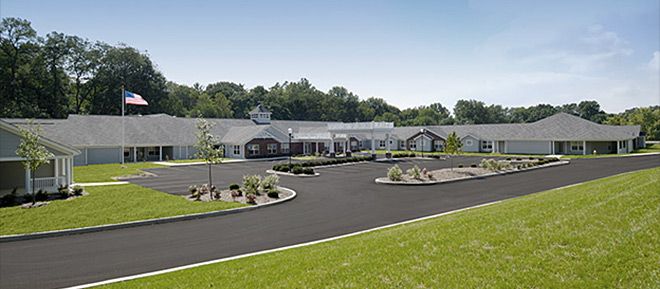
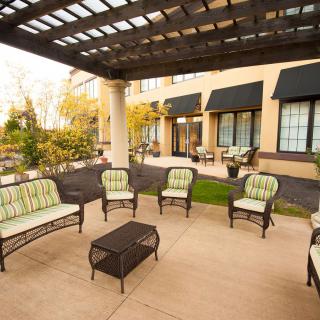
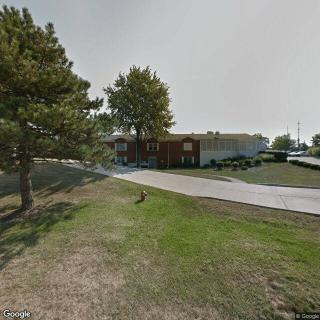
The Sanctuary At Wilmington Place in Dayton, OH

Save
The Sanctuary At Wilmington Place

The Sanctuary At Wilmington Place in Dayton, OH

264 Wilmington Avenue, Dayton, OH 45420

For more information about senior living options: (844) 490-3973

2.7 from 38 reviews
5 stars
11
4 stars
5
3 stars
1
2 stars
2
1 stars
19

Assisted Living Continuing Care Retirement Community (CCRC) Respite Care Skilled Nursing Facility

Overall Review of The Sanctuary At Wilmington Place

Pros

  • pro The therapy team goes above and beyond to tend to residents' individual needs.
  • pro The Sanctuary is an amazing place that really cares about the well-being of its patients.
  • pro The facility and staff are fantastic, with many kind and attentive caregivers.
  • pro The Sanctuary at Wilmington Place is the best place to provide true quality care for loved ones.
  • pro The building always looks and smells clean, reflecting a well-maintained environment.
  • pro The staff is extremely friendly and consistently attentive.
  • pro The nurses, social workers, and aides are wonderful and answer all questions.
  • pro The rooms are nice and offer privacy when desired, with ongoing care available.

Cons

  • pro They neglect the patients constantly and do not provide proper medical treatment.
  • pro They hold loved ones under threat of state involvement to collect more money.
  • pro The wound nurse and acting DON were incompetent.
  • pro The director has a very nasty attitude.
  • pro This place should be closed immediately.
  • pro The staff are often short staffed.
  • pro The aides and nurses routinely fail to communicate information to one another.
  • pro After-hours medical care is non-existent.

Review

The Sanctuary At Wilmington Place is best suited for older adults who are entering rehabilitation or short-term recovery and for families willing to participate actively in daily oversight. When the therapy team is engaged and responsive, residents can experience meaningful progress, and the facility's cleanliness, orderly environment, and appealing dining options can support a positive short-term stay. This community often delivers solid rehabilitation services on weekday schedules, and some residents and families report personal connections with aides, nurses, and therapy staff that feel genuinely caring. In short, it works best for those who can leverage a strong therapy program and who have a capable support system to monitor care and advocate on a daily basis.

That said, potential residents who require consistent, high-level medical oversight or who cannot tolerate regular gaps in staffing should seriously consider alternatives. The reviews repeatedly flag staffing shortages, inconsistent care, and communication breakdowns that complicate even routine needs. Several families describe delayed responses to call bells, medication management issues, and situations where safety and dignity were compromised. For anyone with complex wounds, high-risk medications, or a need for around-the-clock supervision, the risk profile rises significantly. If consistency, predictability, and transparent accountability are paramount, other options may offer more reliable peace of mind.

The strongest positives - where they show up - center on the therapy team's effectiveness and the overall environment. When therapy is robust and coordinated, residents make noticeable gains, and families praise the first-shift aides and certain nurses who go beyond the bare minimum. The building itself is frequently described as clean, and meals and social activities receive frequent commendations. For a short rehab window, those elements can offset some frustration with staffing gaps, especially for residents who can participate actively in therapy and who value attentive, personable staff on the day shift. In care moments that align with staff availability, patients feel respected, and families feel reassured about day-to-day progress and communication.

Yet the cons are persistent enough to shape a cautious verdict. A recurring thread is under-staffing and high turnover, which feeds inconsistent care, variable communication with families, and sporadic availability of nurses and aides. Reports of delayed medications, limited after-hours care, and insufficient skin- and wound-care vigilance raise serious safety concerns. Several family accounts describe falls, bed sores, or prolonged periods before help arrived, sometimes with explanations that fail to satisfy. Cleanliness and comfort may be strong in some areas, but the reliability of essential medical and personal-care functions is uneven, undermining confidence for long-term or highly dependent residents. For families weighing options, these patterns matter as much as any glossy tour or a single positive therapy story.

To evaluate this community wisely, approach requires concrete, data-driven questions and a staged visit plan. Request to spend time on each shift to observe response times to call bells and how staff coordinate with nursing leadership. Review the care plan and ask to see recent wound care notes, medication reconciliation records, and any incident reports. Speak with the social worker about discharge planning and home transition supports, and ask current residents and families about consistency of care and communication. Verify staffing schedules, look for signs of high agency-nurse use, and assess whether therapy is available evenings or weekends if needed. A thorough preadmission assessment should include a clear understanding of billing, length of stay expectations, and a documented plan for ongoing medical oversight.

The bottom line is directional: The Sanctuary At Wilmington Place can be a viable choice for rehab-focused stays where family involvement is ready to supplement care and where the immediate need aligns with the strengths of its therapy program and clean environment. However, it is not the safest bet for anyone requiring constant, spotless medical oversight or seamless, 24/7 care. The most prudent path is to use this community with eyes wide open - prioritize a detailed admission assessment, insist on watching care processes in action, and prepare a concrete transition plan that families can implement if gaps emerge. For those who cannot tolerate the variability described, alternatives with stronger staffing continuity and stricter safety accountability should be pursued.

Features

Housing

  • 31 resident community capacity 31 resident community capacity

Types of Care

  • Assisted Living Assisted LivingAssisted living facilities provide crucial support and care for seniors who may need help with daily tasks such as medication management, bathing, and meal preparation. These communities offer a safe and comfortable environment where seniors can maintain their independence while receiving the assistance they need to thrive in their golden years.
  • Continuing Care Retirement Community (CCRC) Continuing Care Retirement Community (CCRC)Continuing Care Retirement Communities (CCRCs) are important for seniors because they provide a range of housing options and care services all in one location. This allows seniors to age in place and receive the level of care they need as their health changes, without having to move to a new facility. CCRCs provide a sense of security and peace of mind for seniors and their families, knowing that they will be taken care of no matter what the future holds.
  • Respite Care Respite CareRespite care provides temporary relief for caregivers, allowing them to recharge and attend to their own needs. It also gives seniors the opportunity to socialize, receive professional care, and experience a change of scenery, promoting overall well-being and reducing feelings of isolation.
  • Skilled Nursing Facility Skilled Nursing FacilitySkilled Nursing Facilities are crucial for seniors as they provide round-the-clock medical care, rehabilitation services, and assistance with daily activities. These facilities ensure that seniors receive the specialized care they need to maintain their health and well-being as they age.

Amenities

  • Activities on-site Activities on-siteActivities on-site are important for seniors because they provide opportunities for socialization, mental stimulation, physical activity, and overall well-being. Engaging in activities can help seniors stay active, maintain their independence, and improve their quality of life.
  • Beauty salon Beauty salonBeauty salons are important for seniors because they provide a space for them to feel pampered, socialize, and maintain their personal grooming and hygiene. Regular visits to a beauty salon can help boost seniors' self-esteem and overall well-being.
  • Cable or satellite TV Cable or satellite TVCable or satellite TV is important for seniors because it provides entertainment, news, and companionship, helping to combat loneliness and boredom. It also offers a wide range of programming options tailored to different interests and preferences.
  • Devotional services off-site Devotional services off-siteDevotional services off-site are important for seniors as they provide spiritual nourishment, social engagement, and a sense of community outside of the senior living facility. This can enhance overall well-being and help combat feelings of isolation and loneliness often experienced by older adults.
  • Dining room Dining roomDining rooms are important for seniors as they provide a space for socialization, connection, and nutritious meals. They offer opportunities for residents to bond over shared meals, foster a sense of community, and promote healthy eating habits. Dining rooms also ensure that seniors have access to well-balanced meals tailored to their dietary needs and preferences.
  • Fully furnished Fully furnishedFully furnished senior living communities are important for seniors because they provide convenience, comfort, and a hassle-free moving experience. Seniors can easily settle into their new living space without the stress of having to buy and move furniture. This allows them to focus on enjoying their new home and community.
  • Garden GardenGardens are important for seniors as they provide a peaceful and therapeutic environment for relaxation, physical activity, and socialization. Being in nature has been shown to reduce stress, improve mood, and promote overall well-being. Gardens also offer opportunities for seniors to engage in gardening activities, which can improve mobility, flexibility, and cognitive function. Additionally, gardens create a sense of community and connection with others who share a passion for plants and outdoor spaces.
  • Housekeeping services Housekeeping servicesHousekeeping services are important for seniors because they help maintain a clean and safe living environment, promote independence, and reduce the risk of accidents or illnesses. Additionally, having assistance with household chores can alleviate physical strain and allow seniors to focus on other aspects of their well-being.
  • Indoor common areas Indoor common areasIndoor common areas are crucial for seniors as they provide a space for socialization, recreation, and community engagement, promoting overall well-being and reducing feelings of isolation and loneliness.
  • Kitchenette KitchenetteKitchenettes are important for seniors living in senior living communities because they provide the convenience and independence of being able to prepare simple meals and snacks in the comfort of their own living space. This can help promote a sense of autonomy and well-being for seniors, allowing them to maintain some level of control over their dietary choices and daily routines.
  • Move-in coordination Move-in coordinationMove-in coordination is important for seniors because it helps ease the transition into their new living environment. It ensures that all logistics, such as packing, organizing movers, and setting up utilities are taken care of, allowing seniors to focus on settling in and adjusting to their new home. Having a smooth move-in process can alleviate stress and anxiety, making the transition smoother and more enjoyable for seniors.
  • Outdoor space Outdoor spaceOutdoor spaces are important for seniors as they provide opportunities for physical activity, social interaction, exposure to natural light and fresh air, and a sense of connection to nature. Having access to outdoor spaces can improve overall well-being and quality of life for older adults living in senior communities.
  • Restaurant-style dining Restaurant-style diningRestaurant-style dining is important for seniors because it allows them to enjoy delicious, nutritious meals in a social and upscale setting. This enhances their dining experience, promotes healthy eating habits, and fosters socialization with fellow residents, ultimately contributing to their overall well-being and quality of life.
  • Small library Small librarySmall libraries are important for seniors as they provide access to a variety of reading materials, including books, newspapers, and magazines. This can help stimulate their minds, keep them engaged, and provide a sense of community through book clubs and other social activities. Additionally, reading has been shown to improve cognitive function and overall mental well-being in older adults.
  • Telephone TelephoneTelephones are important for seniors as they provide a lifeline for communication with loved ones, emergency services, and healthcare providers. They offer a sense of security and independence, enabling seniors to stay connected and access assistance when needed.
  • Wi-Fi/high-speed internet available Wi-Fi/high-speed internet availableWi-Fi/high-speed internet is important for seniors to stay connected with loved ones, access online resources, and participate in virtual activities to combat feelings of loneliness and isolation. It also allows them to easily manage healthcare needs, access entertainment, and engage in lifelong learning opportunities.

Transportation

  • James M Cox Dayton International (12 miles away) James M Cox Dayton International (12 miles away)

Care Services

  • 24-hour call system 24-hour call system24-hour call systems are important for seniors because they provide peace of mind and immediate assistance in case of emergencies. This technology ensures that help is always available, promoting safety and security for elderly individuals living alone or in assisted living facilities.
  • 24-hour supervision 24-hour supervision24-hour supervision is important for seniors to ensure their safety, well-being, and access to immediate assistance in case of emergencies or health issues. This constant support provides peace of mind for both seniors and their loved ones, allowing them to age in place with dignity and security.
  • Activities of daily living assistance Activities of daily living assistanceActivities of daily living assistance are important for seniors because they provide essential support with tasks such as eating, bathing, dressing, and mobility. This assistance helps seniors maintain their independence, dignity, and overall quality of life as they age.
  • Ambulatory care Ambulatory care"Ambulatory care services provide essential medical support and treatment to seniors without requiring hospitalization, allowing them to maintain their independence and quality of life while managing chronic conditions or receiving routine medical care."
  • Assistance with bathing Assistance with bathingAssistance with bathing is crucial for seniors as it helps maintain personal hygiene, prevents infections, and ensures their overall well-being and comfort. It also provides a sense of dignity and independence for seniors who may struggle with this task on their own.
  • Assistance with dressing Assistance with dressingAssistance with dressing is important for seniors because it helps maintain their independence, promotes personal hygiene, prevents accidents and injuries, and improves overall quality of life. This service ensures that seniors can continue to dress comfortably and confidently, despite any physical limitations they may have.
  • Assistance with transfers Assistance with transfersAssistance with transfers is crucial for seniors as it helps prevent falls and injuries, maintains their independence, and ensures they can safely navigate their living environment. It also provides peace of mind for both seniors and their loved ones.
  • Diabetes diet Diabetes dietA diabetes diet is crucial for seniors as it helps manage blood sugar levels, reduce risks of complications, and improve overall health and well-being. By following a balanced and nutritious diet tailored to their specific needs, seniors can better control their diabetes and enhance their quality of life.
  • Diabetic care Diabetic careDiabetic care is crucial for seniors as they are more susceptible to developing diabetes due to aging and other health conditions. Proper management of diabetes can help prevent complications such as heart disease, vision loss, and nerve damage, improving the overall quality of life for seniors in senior living communities.
  • Meal preparation and service Meal preparation and serviceMeal preparation and service are crucial for seniors as they may have limited mobility or energy to cook nutritious meals. Having access to healthy and convenient food options can ensure they are getting the proper nutrition needed to maintain their overall health and well-being.
  • Medication management Medication managementMedication management is crucial for seniors to ensure they are taking the right medications at the correct dosages and times. This helps prevent adverse drug interactions, reduces the risk of medication errors, and promotes overall health and well-being. Proactive management also allows for adjustments as needed based on changing health conditions or new prescriptions.
  • Mental wellness program Mental wellness programMental wellness programs are essential for seniors as they promote cognitive stimulation, emotional support, and social engagement. These programs help prevent isolation, depression, and cognitive decline, ultimately enhancing the overall quality of life for older adults.
  • Special dietary restrictions Special dietary restrictionsSpecial dietary restrictions are important for seniors because age-related changes in metabolism and health conditions can make it difficult for their bodies to process certain foods. By following a diet tailored to their specific needs, seniors can maintain their overall health and well-being, manage chronic conditions, and reduce the risk of complications such as malnutrition or food interactions with medications.

Dining

  • Diabetes diet Diabetes dietA diabetes diet is crucial for seniors as it helps manage blood sugar levels, reduce risks of complications, and improve overall health and well-being. By following a balanced and nutritious diet tailored to their specific needs, seniors can better control their diabetes and enhance their quality of life.
  • Meals provided Meals provided"Meals provided" are crucial for seniors in assisted living communities as it ensures they have access to nutritious, balanced meals without the stress of meal planning and preparation. This can help promote overall health and well-being for seniors who may have limited mobility or cognitive abilities.
  • Special dietary restrictions Special dietary restrictionsSpecial dietary restrictions are important for seniors because age-related changes in metabolism and health conditions can make it difficult for their bodies to process certain foods. By following a diet tailored to their specific needs, seniors can maintain their overall health and well-being, manage chronic conditions, and reduce the risk of complications such as malnutrition or food interactions with medications.

Activities

  • Activities on-site Activities on-siteActivities on-site are important for seniors because they provide opportunities for socialization, mental stimulation, physical activity, and overall well-being. Engaging in activities can help seniors stay active, maintain their independence, and improve their quality of life.
  • Community-sponsored activities Community-sponsored activitiesCommunity-sponsored activities are important for seniors as they provide opportunities for social interaction, mental stimulation, and physical activity. These activities can help improve overall well-being, combat loneliness and isolation, and promote a sense of belonging and purpose among older adults.
  • Devotional activities offsite Devotional activities offsiteDevotional activities offsite are important for seniors because they provide social engagement, spiritual growth, and a sense of community outside of their living environment. This can improve overall well-being, mental health, and combat feelings of isolation or loneliness.
  • Resident-run activities Resident-run activitiesResident-run activities are important for seniors as they encourage social interaction, creativity, and a sense of autonomy. These activities empower seniors to stay engaged and active in their community while fostering meaningful connections with their peers.
  • Scheduled daily activities Scheduled daily activitiesScheduled daily activities are important for seniors because they provide structure, socialization, mental stimulation, and physical activity. Engaging in regular activities can improve overall well-being and quality of life for seniors living in a community setting.

Description

The Sanctuary At Wilmington Place in Dayton, OH is a Continuing Care Retirement Community (CCRC) that offers a range of care services including respite care and skilled nursing facility. With a variety of amenities, residents can enjoy a comfortable and convenient lifestyle.

The community features a beauty salon where residents can receive professional hair and beauty treatments. Cable or satellite TV is available in each resident's room for entertainment purposes. Devotional services are offered off-site for spiritual well-being. Residents can dine in the elegant dining room and enjoy delicious meals prepared by skilled chefs. The accommodations are fully furnished, creating a cozy and welcoming environment.

Indoor common areas provide spaces for socializing and engaging in activities with fellow residents. A small library is available for book lovers to indulge in their favorite reads. Each resident has access to a telephone and Wi-Fi/high-speed internet connection to stay connected with loved ones.

The dedicated staff provides 24-hour supervision, offering assistance with activities of daily living such as bathing, dressing, and transfers. Specialized diabetic care is provided along with diabetes diet management. Meal preparation and service ensure that residents receive nutritious meals tailored to their dietary restrictions.

A mental wellness program promotes emotional well-being among the residents. Medication management ensures that medications are taken on time and as prescribed.

Within close proximity to The Sanctuary At Wilmington Place, there are numerous amenities including cafes, parks, pharmacies, physicians, restaurants, transportation options, places of worship, and hospitals. This makes it easy for residents to access various services and destinations within the community.

Overall, The Sanctuary At Wilmington Place provides an assisted living community that combines comfort, convenience, and quality care services for seniors looking to maintain an active lifestyle while receiving the support they need.

Nearby Places of Interest

Physicians

  • Belmont Physicians Office (0.1 miles)
  • South Dayton Pediatrics (0.8 miles)
  • Sportopedics Medical Shoppe (1.2 miles)
  • Miami Valley Primary Care (1.4 miles)
  • Dayton Family Practice Assoc (1.4 miles)
  • Phoenix Pathology (1.4 miles)
  • Roelle Melissa P MD (1.4 miles)

Restaurants

  • Tank's Bar & Grill (0.5 miles)
  • Taco Bell (1 miles)
  • Carmel's (1.1 miles)
  • Milano's Atlantic City Subs (1.2 miles)
  • Ghostlight Coffee (1.3 miles)
  • Burger King (1.3 miles)
  • Taco Bell (1.4 miles)

Pharmacies

  • Walgreens (0.9 miles)
  • CVS Pharmacy (1 miles)
  • Walgreens (1.1 miles)
  • CVS Pharmacy (1.8 miles)
  • Rite Aid (1.9 miles)
  • CVS Pharmacy (2.3 miles)
  • Kroger Pharmacy (2.9 miles)

Cafes

  • Starbucks (1.3 miles)
  • Press (1.9 miles)
  • Starbucks (2.1 miles)
  • Winans Chocolates + Co (2.4 miles)
  • Warehouse 4 (2.7 miles)
  • Pettibone Coffee (2.7 miles)
  • Starbucks (4 miles)

Hospitals

  • Miami Valley Hospital Surgery Floor (1.5 miles)
  • Miami Valley Hospital Inpatient Rehab Unit (1.6 miles)
  • Premier Health Partners (2.4 miles)
  • Dayton Children's (2.6 miles)
  • Miami Valley Hospital (3.2 miles)
  • Grandview Medical Center (3.2 miles)
  • Kettering Medical Center (3.3 miles)

Transportation

  • U-Haul Moving & Storage (1.9 miles)
  • Dayton Yellow Cab (1.9 miles)

Parks

  • Hills & Dales MetroPark (2.1 miles)
  • RiverScape MetroPark (2.5 miles)
  • Lincoln Park (2.8 miles)
  • Kettering Field (3.3 miles)

Places of Worship

  • Saint Helen Catholic Church (2.6 miles)
  • Grace United Methodist (3.9 miles)

Frequently Asked Questions

Where is The Sanctuary At Wilmington Place?

Nearby Communities

  • 10 Wilmington Place

    10 Wilmington Place

    Dayton, OH

    4.5 from 143 reviews
    $2,295 to $6,000 / month

    pro Well-maintained facility with spacious, sunlit apartments and a robust activity calendar.

  • Miami Valley Home Care

    Miami Valley Home Care

    Dayton, OH

    4.7 from 7 reviews
     

    pro Pleasant, reliable staff with strong family communication and a hands-on owner.

  • Oregon Place

    Oregon Place

    Dayton, OH

    3.9 from 10 reviews
     

    pro Prime location with easy access to parks, cafes, pharmacies, clinics, restaurants, transportation, and hospitals.

  • Twin Towers Place

    Twin Towers Place

    Dayton, OH

    3.7 from 89 reviews
    $500 to $580 / month

    pro Caring staff and a welcoming senior community with dining and activities.

  • Livingston Care Center

    Livingston Care Center

    Dayton, OH

    2.5 from 4 reviews
     

    pro Helpful staff and a supportive environment.

  • We Care Home Care 2,  LLC

    We Care Home Care 2, LLC

    Dayton, OH

    4.8 from 43 reviews
    $4,400 / month

    pro Excellent access to healthcare and nearby amenities.

  • Brookdale Oakwood

    Brookdale Oakwood

    Dayton, OH

    4.3 from 66 reviews
    $4,755 to $6,735 / month

    pro Intimate, resident-focused setting with attentive staff who know residents well and strong family communication.

  • The Carlyle House

    The Carlyle House

    Kettering, OH

    4.4 from 30 reviews
    $3,000 to $5,500 / month

    pro Warm family atmosphere with caring staff and engaging activities.

  • Village At The Greene

    Village At The Greene

    Dayton, OH

    3.5 from 69 reviews
    $4,950 to $5,820 / month

    pro Beautiful, accessible, well-maintained with caring staff and engaging activities.

Related Resources

  • assisted living vs memory careUnderstanding the Distinctions: Assisted Living and Memory Care Explained

    The article differentiates between assisted living and memory care, explaining that assisted living supports seniors with daily activities while promoting independence, whereas memory care provides specialized services for individuals with dementia, focusing on secure environments and cognitive support. It also addresses staff training, safety considerations, costs, family involvement, and transition strategies for families navigating these care options.

  • elderly parent refuses assisted livingGuiding Elderly Parents Who Refuse Assisted Living: 6 Practical Steps

    Family caregivers face emotional, legal, and practical challenges when elderly parents refuse assisted living, often due to fears of losing autonomy. Open conversations and professional assessments can help address these concerns while exploring alternatives and ensuring safety, potentially leading to legal guardianship if necessary.

  • luxury assisted livingYour Comprehensive Guide to Luxury Assisted Living: Elevated Facilities, Amenities, and Costs
    Luxury assisted living offers high-quality senior care in a resort-like environment that combines essential medical support, gourmet dining, and personalized services to enhance residents' independence and well-being. These upscale facilities emphasize holistic health and community-building through customized care plans and social activities, catering to the growing demand for enriched senior living experiences despite higher costs.