At Village At The Greene, the monthly costs reflect a commitment to quality care and amenities that may be higher than the average rates found in both Montgomery County and across Ohio. For a semi-private room, residents can expect a monthly fee of $4,950, which surpasses the county's average of $3,639 and the state average of $3,965. Similarly, for those opting for private accommodations, the monthly rate stands at $5,820 - considerably above Montgomery County's average of $3,974 and Ohio's average of $4,771. While these costs are elevated compared to regional benchmarks, they often correspond with enhanced services and a higher standard of living that many residents find invaluable.
Floor plans
Village At The Greene
Montgomery County
Ohio
Semi-Private
$4,950
$3,639
$3,965
Private
$5,820
$3,974
$4,771
Skilled Nursing Facilities with a similar price nearby
Food quality stands out in reviews, with residents also describing flexibility for dietary needs.
Multiple residents and families describe the meals as excellent or delicious, and several mention staff accommodating when something isn’t preferred. The community also offers restaurant-style dining, and it supports specialized meal needs such as diabetes diets and special dietary restrictions mentioned in dining details.
common10 reviews mention this
Therapy support helps progress
Residents and families commonly credit therapy for making recovery feel more manageable.
A number of reviews highlight physical or rehab therapy as a key part of the experience, describing knowledgeable therapists and encouragement during sessions. Several reviewers also note good outcomes or meaningful progress tied to rehab, and others describe dining and activities on the therapy timeline as supportive rather than isolating.
common14 reviews mention this
Staff kindness is a recurring theme
Many reviewers describe staff as friendly, encouraging, and attentive to residents.
Across both long-stay and shorter rehab experiences, multiple reviews say staff were kind and helpful, and that caregivers took time to communicate and provide comfort. Several reviewers single out staff members for being responsive on the unit, and some describe the overall environment as professional and clean while people are receiving care.
caveat16 reviews mention this
Call-light delays and missed help
Several residents and families report slow response times to call lights and urgent needs.
A common concern in negative reviews is difficulty getting timely assistance, including long waits for nurses or aides and instances where call lights were left unanswered for extended periods. Some reviewers describe being left to handle personal-care needs themselves or having to escalate to get help, including during nighttime situations.
caveat10 reviews mention this
Cleanliness and odor concerns appear
Some reviews raise concerns about cleanliness and odors in resident rooms.
Several negative reviews describe unpleasant odors and rooms that were not kept clean, including accounts of urine-related smells and insufficient housekeeping unless a complaint was made. Others describe hygiene breakdowns tied to personal-care routines, which contributed to dissatisfaction with overall safety and comfort.
caveat2 reviews mention this
Pricing runs above county and state
Pricing is positioned notably above both county and state benchmarks across unit types.
Cost is a concern for families comparing value, and the published price ranges are priced above county and state benchmarks for both semi-private and private accommodations. If affordability is a key constraint, it may be worth reviewing what is included in daily care and how costs align with the level of support your family needs.
How we summarize
Counts show how many written reviews mention each theme; a review can touch several themes, and only frequently mentioned themes are displayed.
Features
Housing
102 resident community capacity
Types of Care
Skilled Nursing Facility
Amenities
Air-conditioning
Beauty salon
Cable or satellite TV
Computer center
Dining room
Fitness room
Fully furnished
Gaming room
Garden
Housekeeping services
Kitchenette
Move-in coordination
Outdoor space
Private
Private bathrooms
Restaurant-style dining
Small library
Telephone
Wellness center
Wi-Fi/high-speed internet available
Transportation
James M Cox Dayton International (16 miles away)
Community operated transportation
Transportation arrangement
Transportation arrangement (non-medical)
Transportation to doctors appointments
Care Services
12-16 hour nursing
24-hour call system
24-hour supervision
Activities of daily living assistance
Assistance with bathing
Assistance with dressing
Assistance with transfers
Diabetes diet
Meal preparation and service
Medication management
Mental wellness program
Special dietary restrictions
Dining
Diabetes diet
Special dietary restrictions
Activities
Community-sponsored activities
Concierge services
Fitness programs
Planned day trips
Resident-run activities
Scheduled daily activities
Nearby Places of Interest
This section of Dayton, Ohio offers a variety of amenities and services that may be appealing to seniors looking for a comfortable and convenient living environment. With multiple cafes, restaurants, and pharmacies within a short distance, residents have easy access to dining options and healthcare services. Additionally, there are several physicians' offices nearby for medical care. The presence of parks like Lincoln Park and Hills & Dales MetroPark provides opportunities for outdoor recreation and relaxation. Places of worship such as Beavercreek Church of the Nazarene and Saint Helen Catholic Church offer spiritual support to residents in the community. Overall, this area offers a mix of convenience, healthcare resources, and recreational opportunities for seniors considering senior living in Dayton.
At Village At The Greene, the monthly costs reflect a commitment to quality care and amenities that may be higher than the average rates found in both Montgomery County and across Ohio. For a semi-private room, residents can expect a monthly fee of $4,950, which surpasses the county's average of $3,639 and the state average of $3,965. Similarly, for those opting for private accommodations, the monthly rate stands at $5,820 - considerably above Montgomery County's average of $3,974 and Ohio's average of $4,771. While these costs are elevated compared to regional benchmarks, they often correspond with enhanced services and a higher standard of living that many residents find invaluable.
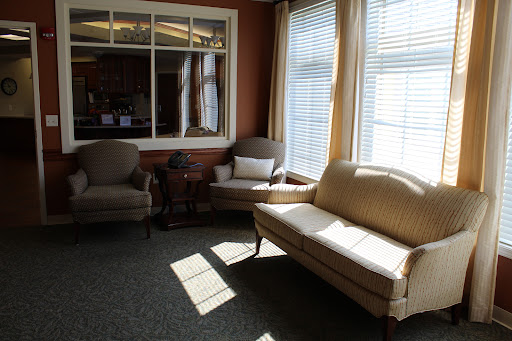
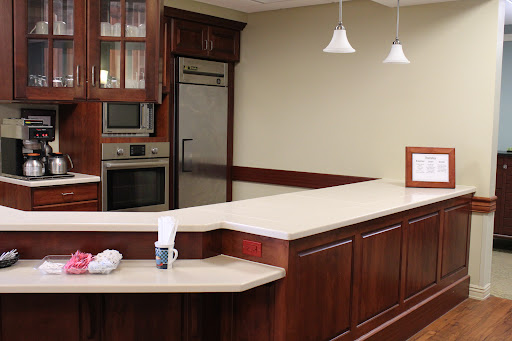
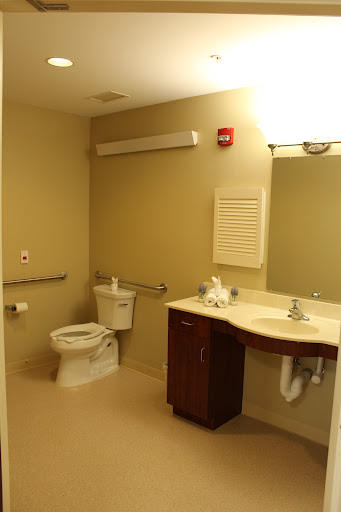
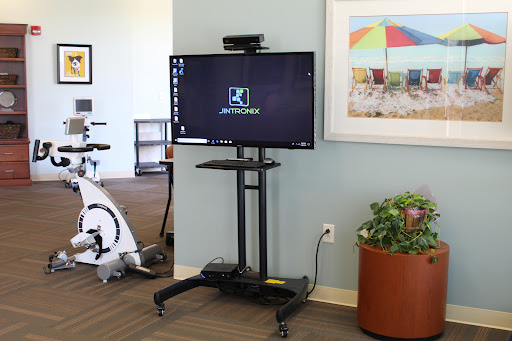
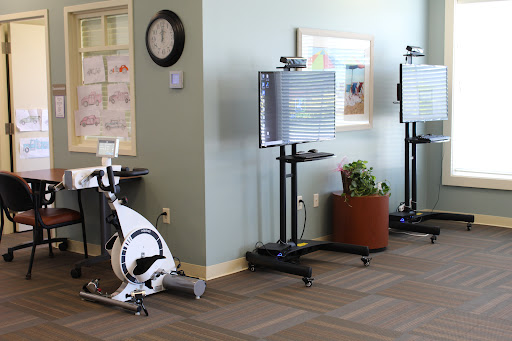
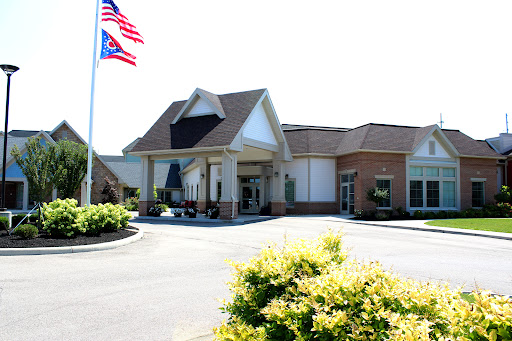
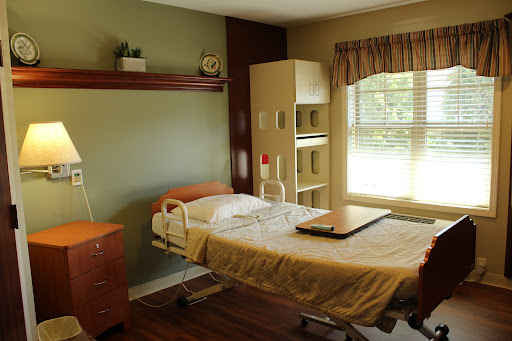
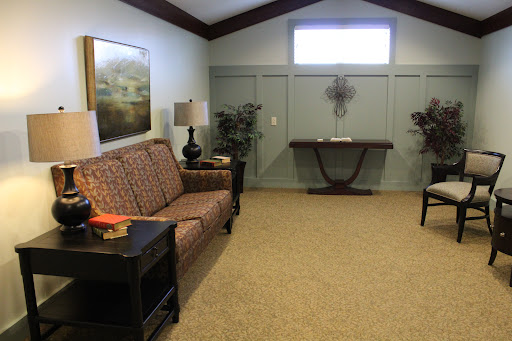
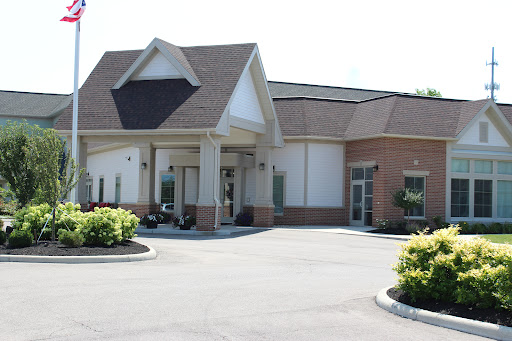
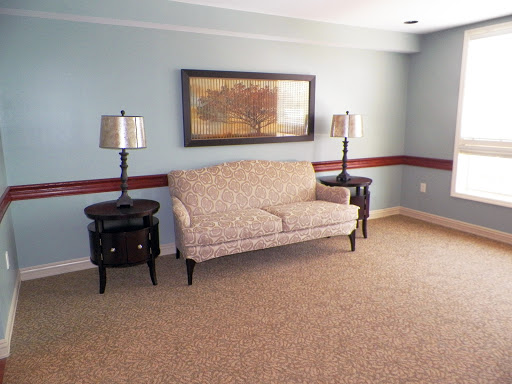
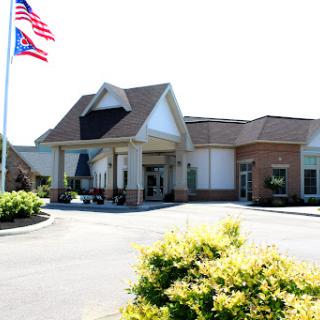
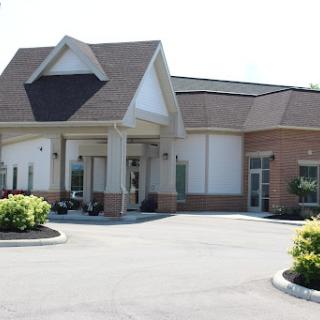
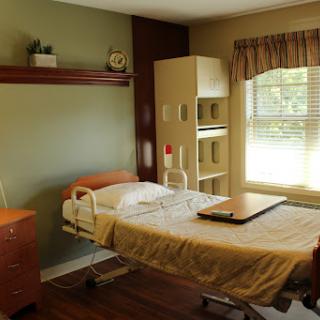
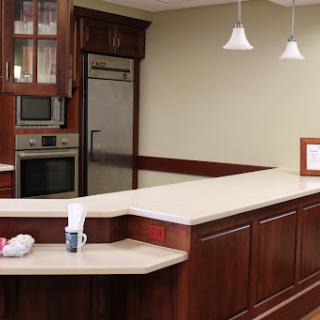
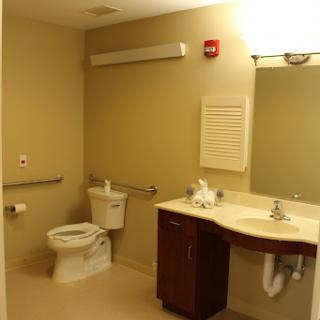
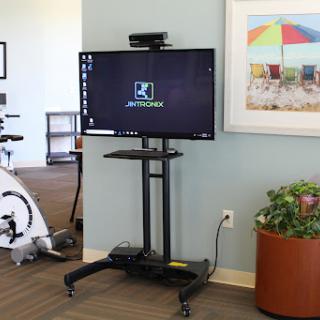
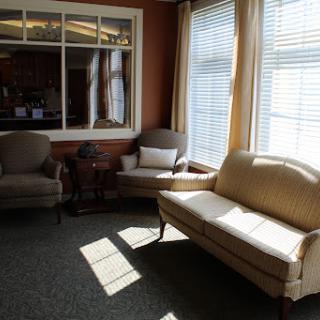
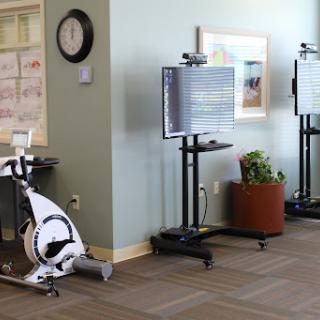
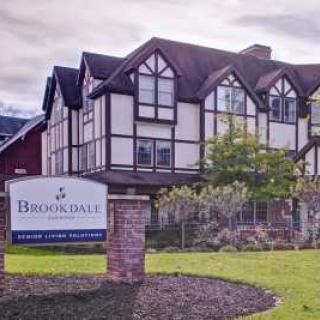
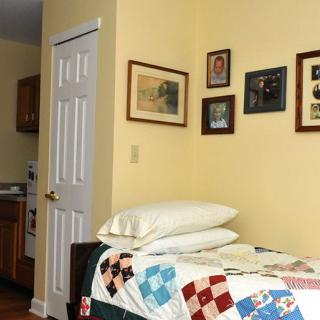
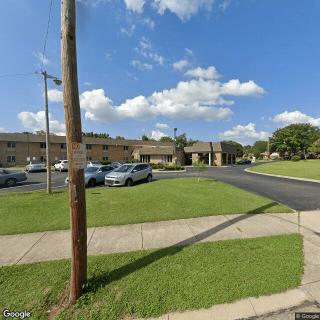
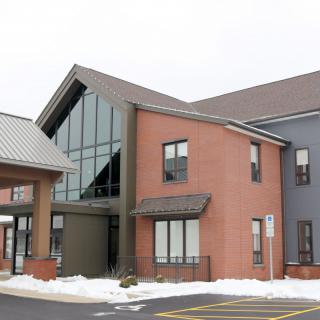
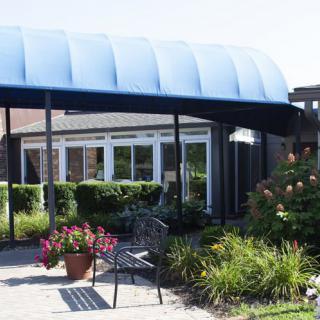
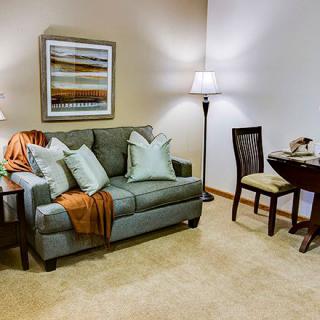
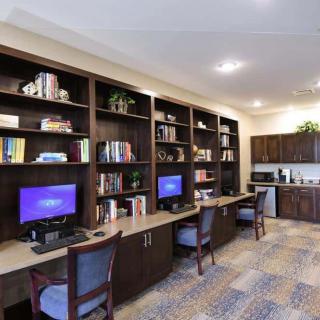
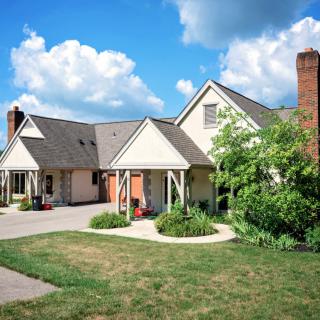
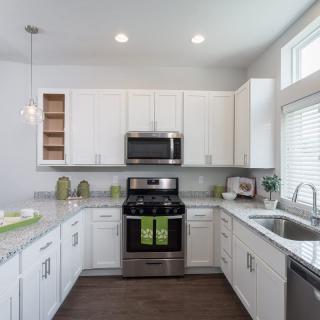
Village At The Greene on seniors.fyi includes 11 photos including images showing interior, living room, windows, natural light, lighting, bathroom, building, exercise equipment, and more.
Nearby Communities
HarborChase Of Beavercreek
Beavercreek, OH
4.1 from 58 reviews
Beautiful, well-maintained facility with ample amenities and engaging activities.
FirstLight Home Care
Dayton, OH
4.8 from 15 reviews
Convenient location with access to numerous nearby amenities and personalized care.
HarborChase of Beavercreek
Beavercreek, OH
4 from 87 reviews
$3,800 to $6,825 / month
Beautiful, clean facility with resort-style dining and ample social spaces.
Aberdeen Village
Beavercreek, OH
Comprehensive care services (meals, medication management, dressing) with dietary accommodations and Wi-Fi/phone access.
Brookdale Kettering
Dayton, OH
4.3 from 125 reviews
$2,860 to $4,105 / month
Friendly staff and engaging dining/activities.
Brookdale Beavercreek
Beavercreek, OH
4.7 from 82 reviews
$3,445 to $3,855 / month
Friendly staff in a warm, home-like setting with engaging activities.
Traditions of Beavercreek
Beavercreek, OH
4.3 from 112 reviews
$3,795 to $5,195 / month
Beautiful, well-maintained facility with friendly staff and engaging activities.
Trinity Community Beavercreek
Dayton, OH
4.3 from 142 reviews
$2,790 to $4,600 / month
Friendly, long-tenured staff with a comprehensive, multi-level care model and engaging activities.
Dogwood Commons
Centerville, OH
5 from 50 reviews
$2,264 to $2,620 / month
Friendly, accommodating staff and residents; spacious, well-equipped units.
The article highlights nine memory-boosting activities for seniors that enhance cognitive health and social interaction, including puzzles, trivia quizzes, and storytelling, while emphasizing the importance of adapting these activities to individual preferences to maximize enjoyment and engagement. Consistent mental engagement is linked to improved cognitive function and emotional well-being in older adults.
Medicare provides limited coverage for skilled nursing home care, covering full benefits for the first 20 days and partial benefits up to 100 days under certain conditions, after which families must explore alternative funding options like Medicaid or long-term care insurance to manage potentially high costs. Proactive planning is essential to navigate the complexities of financing ongoing care once Medicare coverage ends.
Geriatric care managers create personalized care plans for older adults, addressing their medical, social, financial, and psychological needs while coordinating services and advocating for their well-being. They help families navigate caregiving challenges but may be hindered by high costs and a shortage of qualified professionals.
Get PricingAsk A QuestionSchedule A TourContact Senior Advisor
By clicking submit, you agree to our Partner's Terms of Use. You
also consent to receive calls and texts, which may be autodialed, from our Partner. Your consent is not a condition to
using our Partner's service. Please visit our Partner's Privacy Policy for information about their privacy practices.



 102 resident community capacity
 Skilled Nursing Facility
 Air-conditioning
 Beauty salon
 Cable or satellite TV
 Computer center
 Dining room
 Fitness room
 Fully furnished
 Gaming room
 Garden
 Housekeeping services
 Kitchenette
 Move-in coordination
 Outdoor space
 Private
 Private bathrooms
 Restaurant-style dining
 Small library
 Telephone
 Wellness center
 Wi-Fi/high-speed internet available
 James M Cox Dayton International (16 miles away)
 Community operated transportation
 12-16 hour nursing
 24-hour call system
 Activities of daily living assistance
 Assistance with bathing
 Assistance with dressing
 Assistance with transfers
 Diabetes diet
 Medication management
 Mental wellness program
 Special dietary restrictions
 Concierge services
 Planned day trips
 Beautiful, well-maintained facility with ample amenities and engaging activities.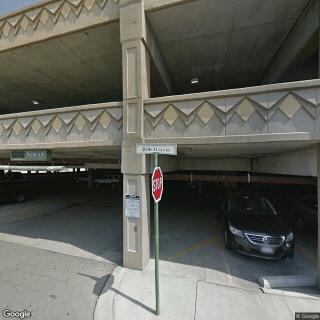
 9 Stimulating Memory Activities for Seniors: Puzzles, Cards, and Much More
 Managing Nursing Home Expenses After Medicare Coverage Ends
 Is a Geriatric Care Manager the Right Choice for Your Family?