Villa Angela Care Center Costs & Pricing
At Villa Angela Care Center, the monthly cost for a private room is $5,670. This figure positions the facility slightly above the average rates in Franklin County, where the monthly fee for a similar room type is approximately $5,499. Comparatively, the statewide average across Ohio stands at around $4,771. These figures reflect not only the quality of care provided at Villa Angela but also its commitment to delivering an environment that prioritizes the well-being and comfort of residents. While it may be higher than local and state averages, many families find value in the specialized services and amenities offered at this center.
| Floor plans | Villa Angela Care Center | Franklin County | Ohio |
|---|
| Private | $5,670 | $5,499 | $4,771 |
Skilled Nursing Facilities with a similar price nearby
-
from -$470 / mo

Middleton
$5,200 to $7,500 / month
23.7 miles away
-
from -$700 / mo
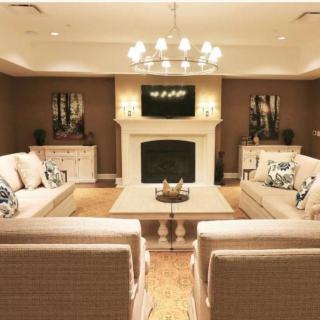
Cherry Blossom Senior Living
$4,970 to $6,645 / month
9.4 miles away
-
from -$720 / mo
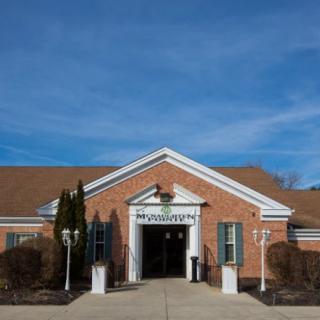
Mcnaughten Pointe Nursing And Rehab
$4,950 to $6,000 / month
11.5 miles away
-
from -$810 / mo
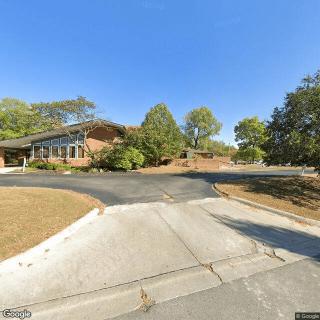
West Park Rehabilitation Center Skilled Nursing and Memory Care
$4,860 / month
12.3 miles away
-
from -$540 / mo
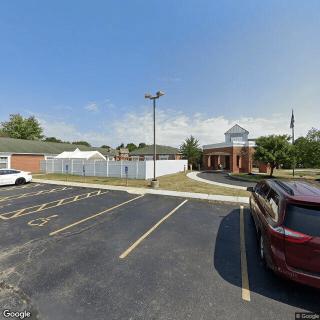
Columbus Alzheimer's Care Center
$5,130 to $6,300 / month
3.9 miles away
Overall Review of Villa Angela Care Center
differentiator
6 reviews mention this
Therapies and dialysis support
Residents describe strong therapy support and dialysis help during stays.
Several reviews highlight therapy as a clear bright spot, including physical, occupational, and speech therapy. Residents and family also describe dialysis-related care as a reason they felt supported during rehab or longer stays, with some calling out the in-facility nature of dialysis. Even among mixed experiences, therapy progress and related services show up consistently.
common
18 reviews mention this
Care team can feel kind
Many residents and families describe staff who are caring, professional, and attentive.
Across the reviews, positive experiences with staff come up repeatedly, with families describing kindness, responsiveness to needs, and professionalism from nursing and therapy teams. Some reviews also mention being able to get questions answered and feeling confident after touring or visiting. While the overall picture includes serious complaints from other reviewers, the recurring praise is that care teams can be hands-on and supportive.
caveat
10 reviews mention this
Cleanliness and odors are uneven
Multiple reviews raise serious concerns about cleanliness, odors, and hygiene.
Some reviewers describe the facility as smelling strongly or feeling dirty, with concerns about bathrooms and other areas. Others report hygiene issues that include medical waste not being handled properly, pest problems, and environmental conditions that felt unsafe or poorly maintained. These complaints also connect to other fears in reviews about whether care was being done with consistent standards.
caveat
12 reviews mention this
Phone and communication disappoint
A recurring theme is difficulty getting timely communication from the facility.
Several reviews describe long waits for help, phones that go unanswered, or calls being disconnected or hung up. Others mention getting limited or dismissive updates when family called, and feeling left out of important decisions or day-to-day coordination. Taken together, communication issues show up as one of the most frustrating recurring problems for families trying to advocate for their loved ones.
common
3 reviews mention this
Activities offer meaningful outlets
Residents and families describe activities as a helpful part of life at the community.
Reviews mention the activities department and describe activities as something residents look forward to, including bingo and structured programming. Families also talk about an activities director supporting resident involvement and creating options that helped residents cope. The community also offers both on-site and off-site activities, aligning with these observations in the reviews.
caveat
4 reviews mention this
Food quality and diet follow-through
Dining receives mixed feedback, including concerns about diet accuracy.
Some reviews mention good food or positive dining experiences, while others describe meals that were unappetizing or difficult to manage. A few reviewers specifically raise concerns that dietary restrictions were not followed consistently for residents with needs like diabetic or low-salt diets. This leaves dining as an area where experiences vary from family to family.
How we summarize
Counts show how many written reviews mention each theme; a review can touch several themes, and only frequently mentioned themes are displayed.

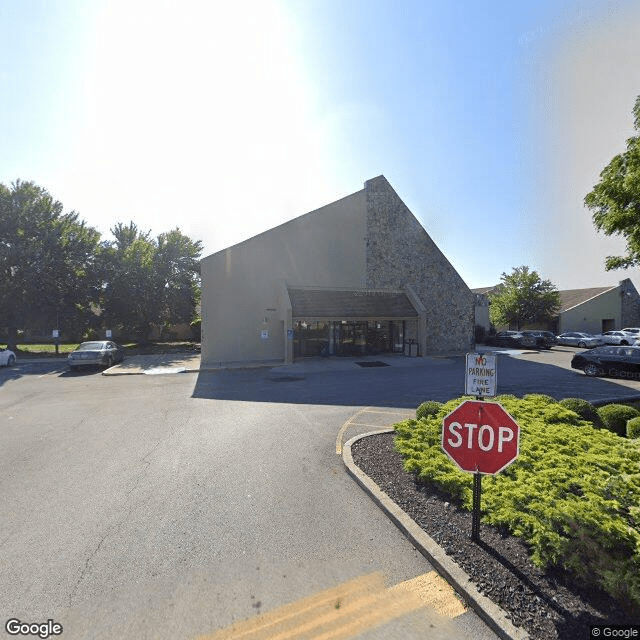
 Skilled Nursing Facility
 Activities off-site
 Beautician on-site
 Devotional services off-site
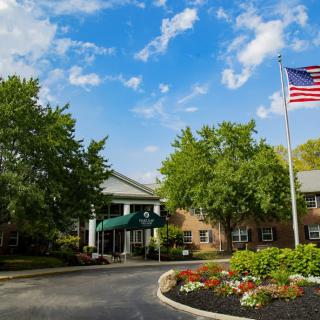
 Indoor common areas
 Outdoor common areas
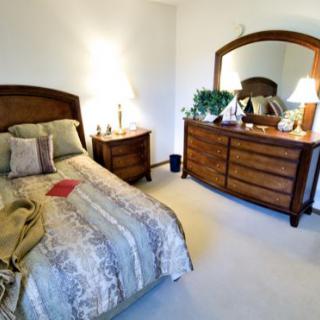
 Private
 Respite or short term stays offered
 Wheelchair accessible showers
 John Glenn Columbus International Airport (7 miles away)
 High acuity care
 Incontinence care
 Meals provided
 Comprehensive care and on-site amenities (24-hour supervision, dining, transportation).




 Managing Nursing Home Expenses After Medicare Coverage Ends
 Is a Geriatric Care Manager the Right Choice for Your Family?
 Compassionate Conversations: How to Comfort Someone Who Is Grieving