
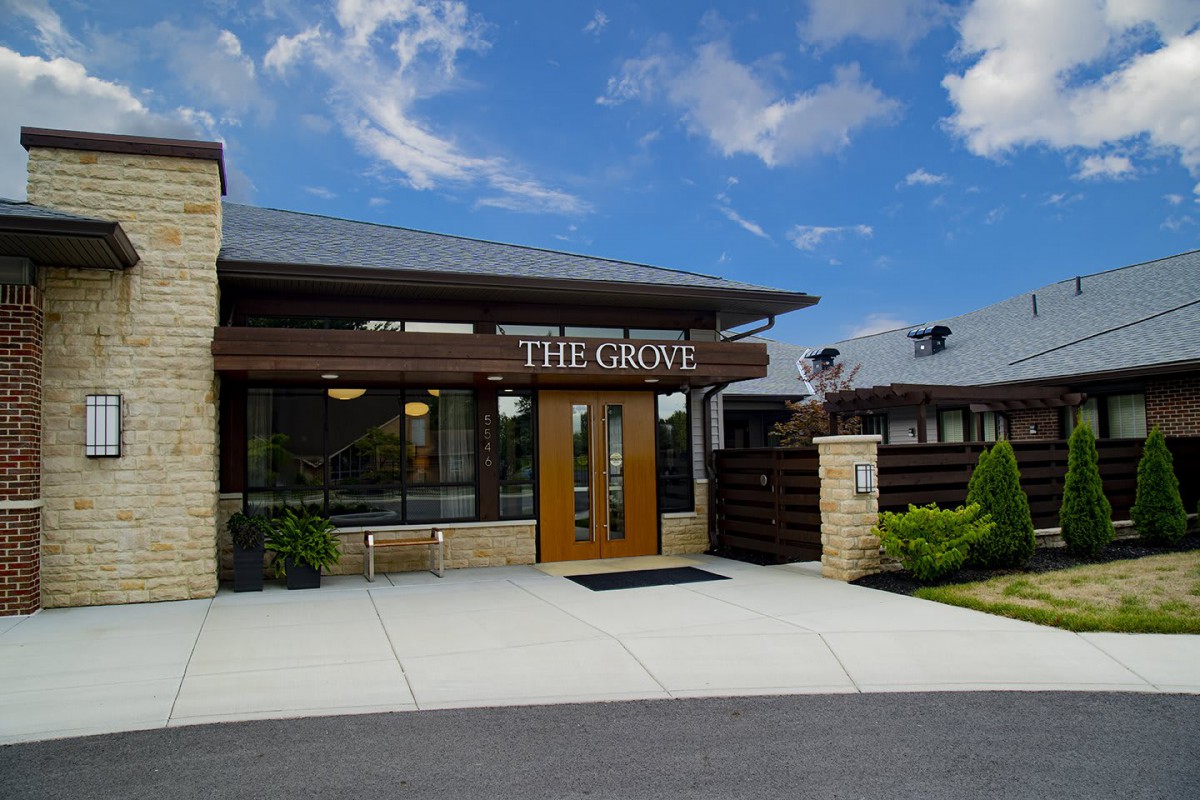


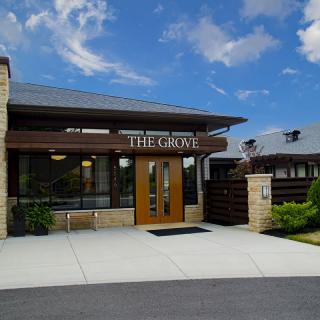



5500 Karl Road, Columbus, OH 43229
For more information about senior living options: (866) 208-4318
The Grove at Oakleaf Village Costs & Pricing
At The Grove at Oakleaf Village, the monthly costs for accommodations reflect a commitment to high-quality care and a superior living experience. For a semi-private room, residents can expect to pay $5,725, which is notably higher than the averages in both Franklin County at $4,507 and the broader state of Ohio at $3,965. Similarly, for those seeking more privacy in a studio apartment, the cost is set at $7,230 - again surpassing the local and state averages of $3,788 and $3,727 respectively. These rates highlight The Grove's emphasis on providing exceptional services and amenities that may justify their premium pricing in comparison to other options within the region.
| Floor plans | The Grove at Oakleaf Village | Franklin County | Ohio |
|---|---|---|---|
| Semi-Private | $5,725 | $4,507 | $3,965 |
| Studio | $7,230 | $3,788 | $3,727 |
Memory care communities with a similar price nearby
-
from +$275 / mo
The Mitchell House of Westerville
$6,000 / month4.2 miles away -
from -$725 / mo
Sapphire House
$5,000 / month3.1 miles away -
from -$525 / mo

Middleton
$5,200 to $7,500 / month23.7 miles away -
from -$565 / mo

Kemper House Worthington
$5,160 to $6,810 / month1.7 miles away -
from +$275 / mo
Our Family Home at Johnstown Road
$6,000 / month7.4 miles away
Overall Review of The Grove at Oakleaf Village
Pros
 The Grove is described as joyful and recommended to families based on the experience.
- The staff are caring for the residents, and the administration is top.
- The staff makes a strong effort to engage all residents.
- The memory care is organized into different neighborhoods to meet the various care needs.
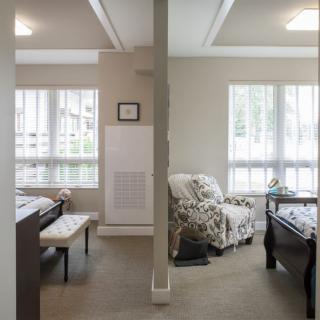
- The building and resident rooms are clean, and residents are well cared for physically and mentally.
- The tour advisors are nice and helpful.
- The Grove's team goes above and beyond for their residents.
Cons
 The meals were bland and seemed cafeteria-style.
- The prices are too high.
- The facility itself is dated.
- The facility won’t accept aggressive behavior.
- There is a lack of department directors, such as an activity director, relying on staff to run activities.
Review
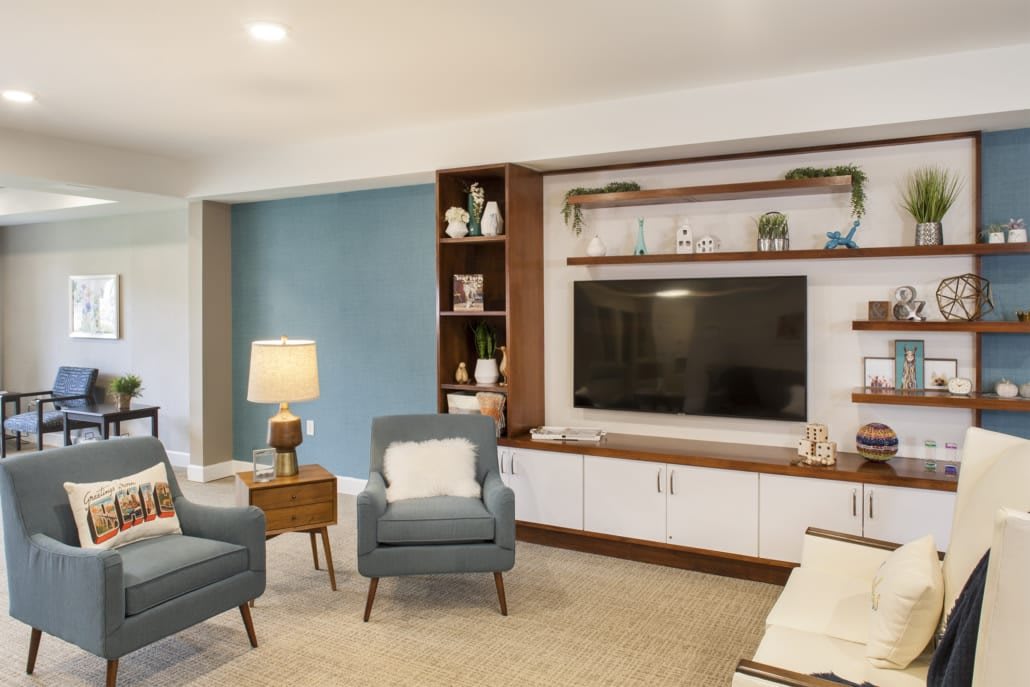
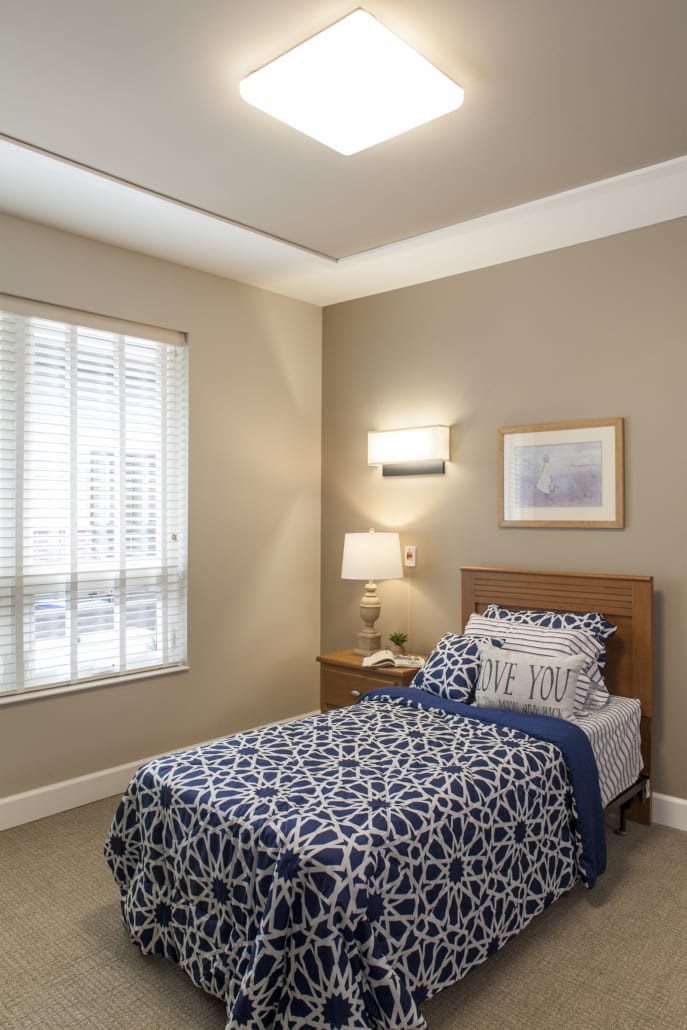
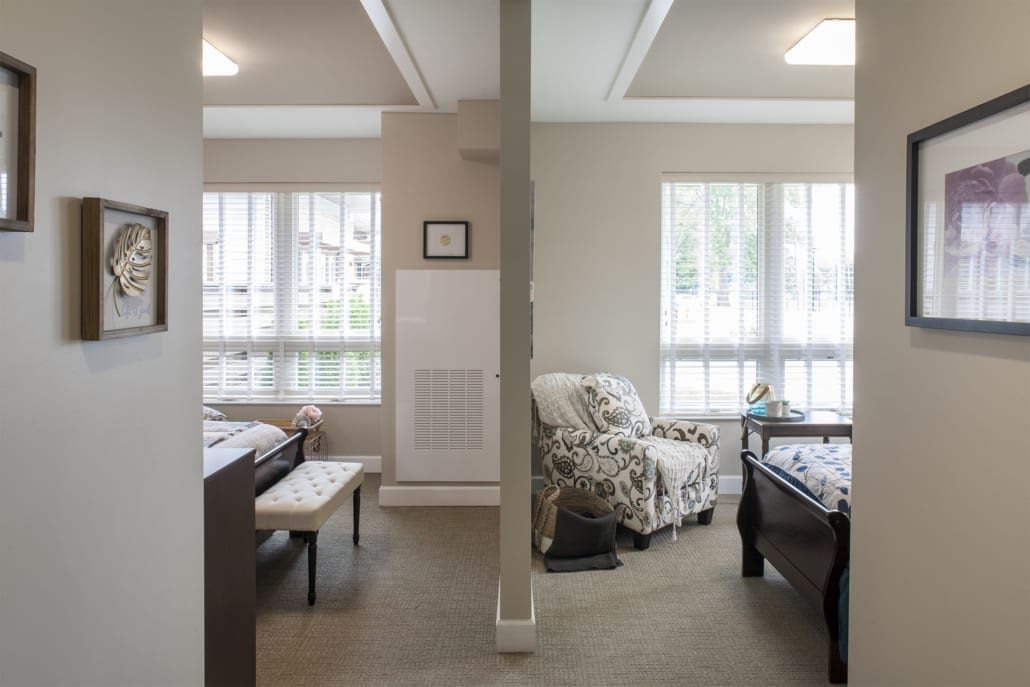
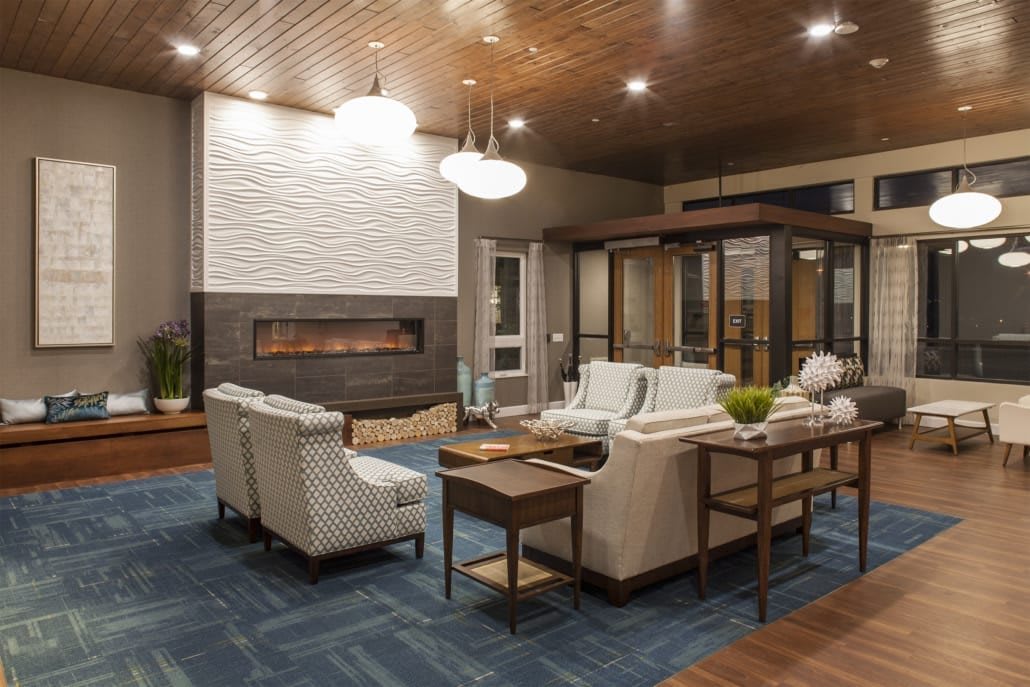
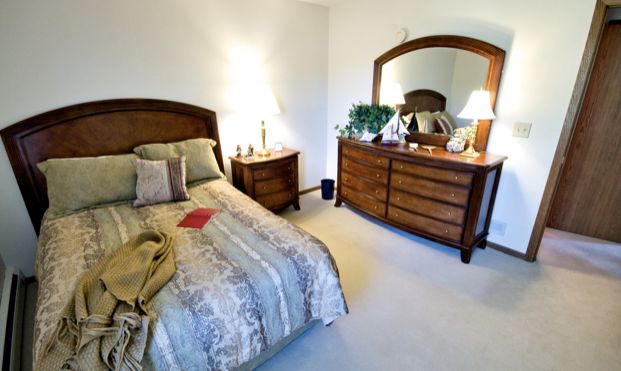
The Grove at Oakleaf Village is best suited for memory-care residents who require steady supervision within a calm, intimate setting. The community’s multi-neighborhood design helps orient residents at different stages of memory loss, and private rooms with baths preserve dignity and privacy. Families valuing genuine, hands-on attention by caregivers and managers will find credibility in the daily check-ins and responsive leadership. This is not the place for those chasing a glossy, high-amenity campus or a densely programmed calendar; instead, it rewards families who prioritize reliable caregiving over showy features.
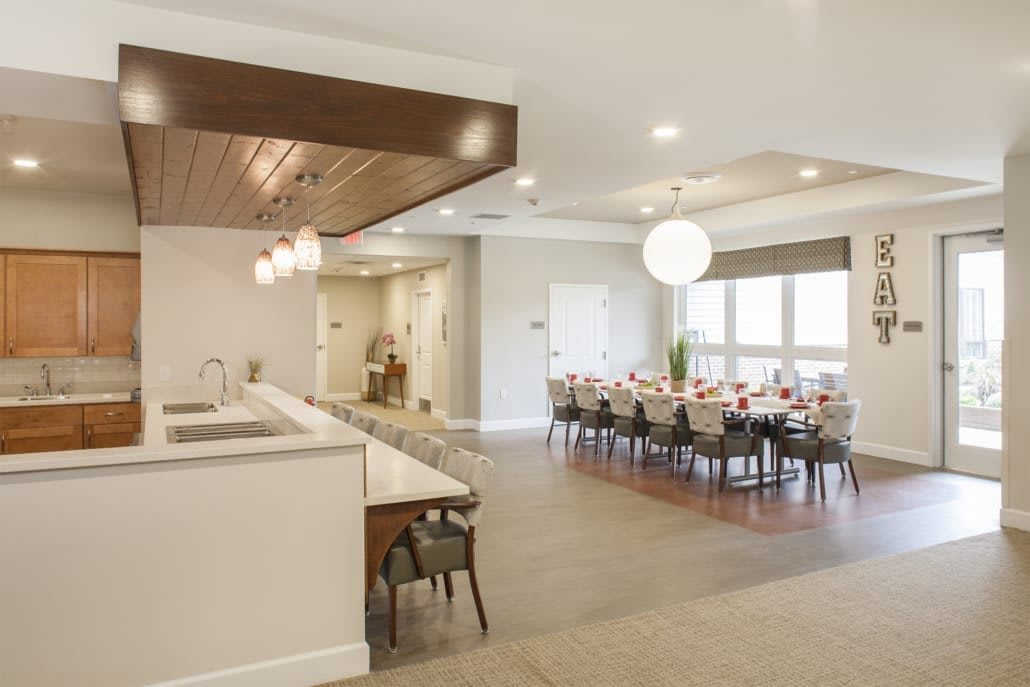
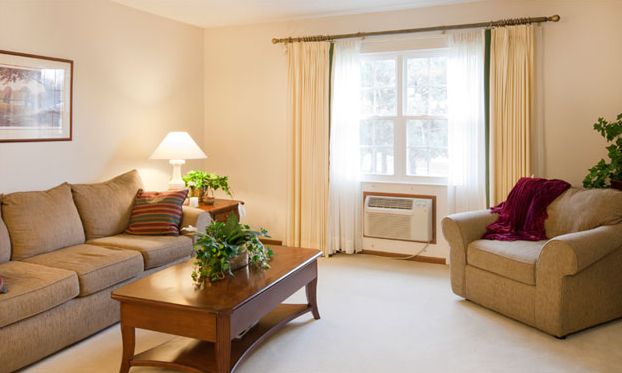
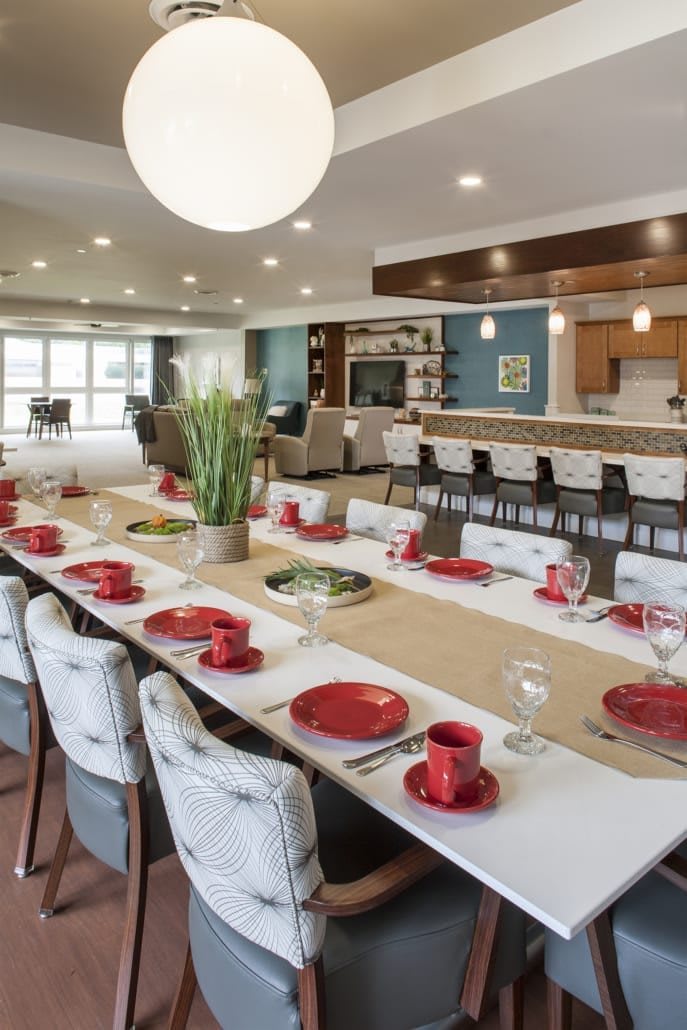
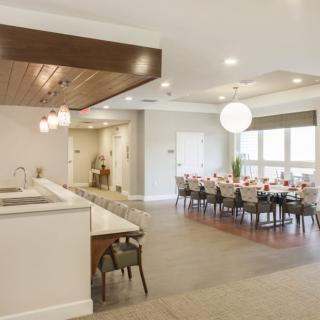
Pros center on exceptional caregiving. Staff are repeatedly described as caring, engaged, and consistent, with administrators viewed as top-notch. The building feels clean, safe, and well-maintained, with spacious rooms and bright common spaces. The neighborhood model reduces confusion and supports individualized pacing, while the staff’s ongoing efforts to engage residents contribute to both physical and cognitive comfort. Families often highlight the feeling that staff treat residents like family, which translates into quieter days and better overall mood for many residents.
Cons surface in tangible ways. Meals are sometimes reported as bland or cafeteria-style, a factor for residents who rely on appealing, varied menus. Several reviews flag price as high relative to expectations, given the newer construction and private rooms. The community may lack a formal activity director and a broader, centralized programming structure, suggesting that enrichment depends largely on front-line staff and spontaneous moments rather than a robust calendar. A practical note for some families is the policy on aggressive behavior, which may limit suitability for residents with more challenging needs.
Yet these downsides are balanced by solid strengths. The care quality and staff dedication help justify the cost for families who prioritize safety, dignity, and responsive attention. Private rooms and quiet, neighborhood-based living support personalized routines and reduce triggers for memory-impaired adults. The facility’s recent opening means many systems are new and well-maintained, even if some aesthetic touches feel understated. Overall, the Grove provides a dependable, humane environment where residents’ daily experiences reflect attentive care more than flashy amenities.
Alternatives should be considered for families seeking broader programming, more amenities, or lower price points. If a resident thrives on structured activities and a bustling social calendar, other Columbus memory-care options may deliver more formal engagement. For budgets or expectations that favor more modern or upscale surroundings, shoppers may find better value elsewhere. The Grove excels for care quality and a home-like atmosphere, but it may not be the best fit for those who want extensive daily programming or the most contemporary campus aesthetics.
Decision-ready guidance: schedule a structured tour focused on memory-care routines, request to meet frontline staff and a supervisor, and review sample menus and activity portfolios. Confirm room options, inclusions in monthly fees, and any additional charges. Inquire about resident-to-staff ratios and safety protocols, and discuss the facility’s approach to aggression and behavior management. Observing visits at different times helps verify consistency in engagement. When weighed against peers in Columbus, The Grove at Oakleaf Village emerges as a compassionate, well-run choice for memory care, with the main trade-off being price versus programming depth.
 150 resident community capacity
 Memory Care
 Cats allowed
 Dogs allowed
 Air-conditioning
 Beautician on-site
 Cable or satellite TV
 Computer center
 Devotional services off-site
 Dining room
 Fitness room
 Fully furnished
 Gaming room
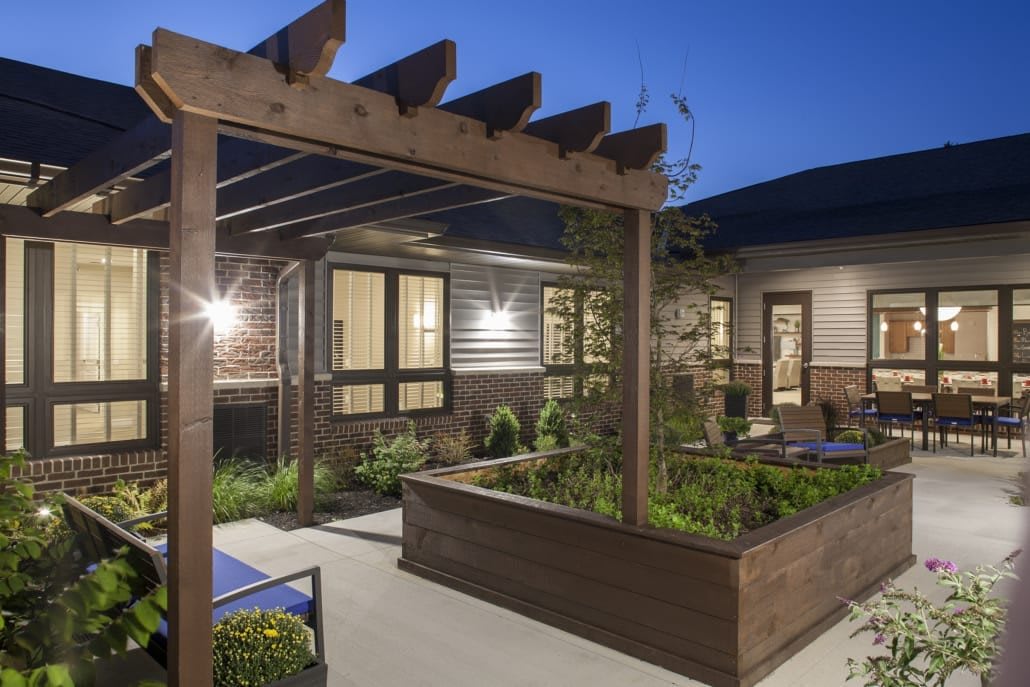
 Garden
 Ground floor units
 Handicap accessible
 Housekeeping services
 Indoor common areas
 Kitchenette
 Move-in coordination
 Outdoor common areas
 Private bathrooms
 Respite or short term stays offered
 Restaurant-style dining
 Small library
 Telephone
 Wellness center
 Wheelchair accessible showers
 Wi-Fi/high-speed internet available
 John Glenn Columbus International Airport (7 miles away)
 Community operated transportation
 12-16 hour nursing
 24-hour call system
 Activities of daily living assistance
 Assistance with bathing
 Assistance with dressing
 Assistance with transfers
 Diabetes diet
 Diabetic care
 High acuity care
 Incontinence care
 Medication management
 Mental wellness program
 Special dietary restrictions
 Art classes
 Bible study group
 Concierge services
 Cooking classes
 Educational speakers / life long learning
 Live dance or theater performances
 Live musical performances
 Planned day trips








 A Detailed Exploration of Assisted Living Medicaid Waivers Across the United States
 Exploring the Contrasts Between Assisted Living and Skilled Nursing
 Vibrant Senior Living: A Comprehensive Guide for Active Older Adults