
5757 Maple Canyon Ave, Columbus, OH 43229
To contact a resident: (614) 865-4553
For more information about senior living options: (866) 208-4318
Northland Gate Costs & Pricing
At Northland Gate, the cost for a one-bedroom unit ranges from $1,100 to $4,353 per month, offering a flexible pricing structure that caters to various budget needs and preferences. This competitive pricing stands in contrast to the average costs in Franklin County and Ohio, where one-bedroom apartments are typically around $3,645 and $3,712 respectively. By providing a more diverse price range, Northland Gate not only presents an appealing option for potential residents but also demonstrates its commitment to accessibility in today's housing market.
| Floor plans | Northland Gate | Franklin County | Ohio |
|---|---|---|---|
| 1 Bedroom | $1,100 to $4,353 | $3,645 | $3,712 |
Senior living communities with a similar price nearby
-
from +$100 / mo
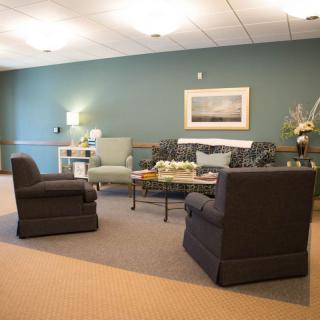
Spring Leaf Place
$1,200 to $1,600 / month4.0 miles away -
from +$71 / mo
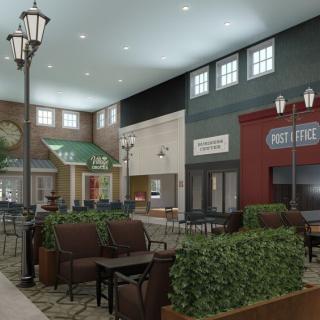
Homestead Village
$1,171 to $1,419 / month15.2 miles away -
from -$100 / mo
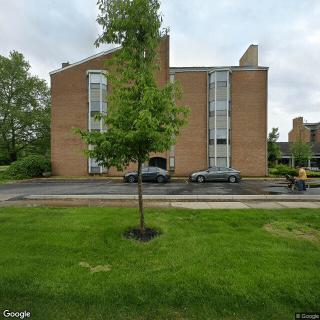
Bexley House
$1,000 / month8.3 miles away -
About the same
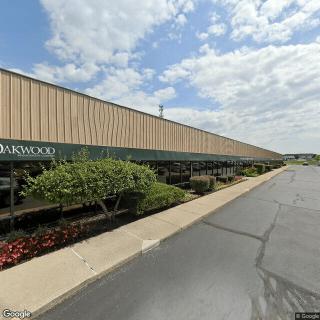
Glen at Taylor Square
$1,079 / month13.6 miles away -
from -$149 / mo
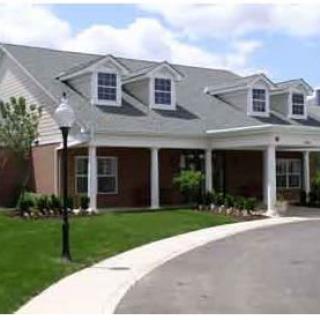
Wellington Village
$951 to $1,141 / month11.0 miles away
Overall Review of Northland Gate
Pros
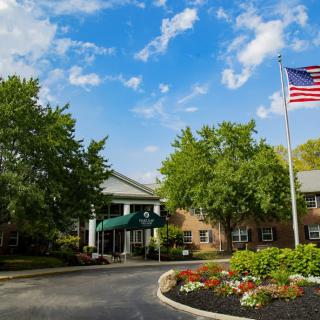
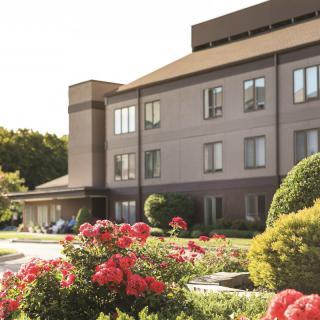
 The apartment is beautiful and very well managed.
- It looks great both inside and out.
Cons
 The community is not walkable or safe.
- There is no grocery store nearby.
- NCR no longer provides vans to transport residents to grocery stores, so groceries must be ordered at an additional expense.
Review
Northland Gate in Columbus, OH is best suited for seniors who prize a high-end, meticulously maintained living environment and reliable on-site management, and who can operate effectively with limited near-term access to everyday shopping without a car. This community fits residents who value a polished interior, well-kept common areas, and a stable, responsive management team. Those whose daily routines depend on convenient, nearby errands or who require easy, walkable access to groceries and services should seriously weigh alternatives. In short, Northland Gate serves a niche: comfort-oriented living with strong upkeep, paired with the practical reality of a location that doesn’t cater to foot traffic or immediate retail access.
The strongest positives are tangible and persuasive. The apartments themselves present as beautiful and thoughtfully finished, with a cohesive, cared-for exterior and interior that convey pride in ownership. The overall look, both inside and out, creates an atmosphere of quality that residents and families can trust. Equally important, the management is described as very well run, suggesting dependable problem-solving, predictable operations, and a sense that administrative processes are handled smoothly. For residents who value cleanliness, order, and a polished environment, these attributes offer concrete, ongoing benefits that reduce daily stress and support a sense of independence.
Yet the location introduces meaningful friction that counterbalances those advantages. The neighborhood’s lack of walkability and perceived safety concerns make the area less suitable for residents who want to run errands on foot or without a vehicle. The absence of a nearby grocery store compounds the challenge, transforming routine shopping into a logistical decision that hinges on transportation or reliance on delivery services. The suspension of van transportation to groceries, an arrangement formerly provided by NCR, places groceries outside the core experience of community living, effectively pushing residents toward additional delivery expenses or external arrangements. For someone who does not drive or who dislikes frequent online ordering, these gaps can erode the convenience that otherwise shines.
Viewed through a practical lens, the standout features do offset some downsides, but only to a degree. The beauty of the living spaces and the confidence that comes from well-managed operations can compensate for a great deal of daily effort, especially for residents who already have a transportation plan or who don’t prioritize frequent trips outside the building. The strength of the maintenance and environment supports predictable routines and a sense of stability, which matters greatly for peace of mind. However, the material drawbacks, the limited access to groceries without a car, the added cost and hassle of deliveries, and the absence of shuttle support, keep the balance tilted toward “strong fit” only for a specific subset of seniors.
Families considering alternatives will want to weigh needs around accessibility to daily necessities. If a resident requires turnkey access to groceries, regular social outings with nearby venues, or a neighborhood that supports walkability and safety, other communities may deliver a more seamless daily rhythm. Northland Gate is less ideal for those who cannot or will not organize regular transportation or paid delivery logistics. For seniors who prioritize a quicker, more integrated connection to nearby shops and services, exploring options with on-site markets, frequent shuttle services, or closer, safer residential corridors would be prudent.
The concluding counsel is practical and clear: Northland Gate excels on atmosphere, presentation, and management, but it asks residents to accept a certain distance, from groceries and pedestrian-friendly access. Prospective residents should verify current transportation alternatives, delivery cost structures, and the exact proximity to essential services before committing. A side-by-side comparison with communities offering robust shuttle programs and on-site amenities will reveal where the real value lies. In decisions where comfort and upkeep are non-negotiable, Northland Gate earns strong consideration; where daily convenience is paramount, alternatives should be screened with diligence.
 Active Adult Communities (55+)
 John Glenn Columbus International Airport (7 miles away)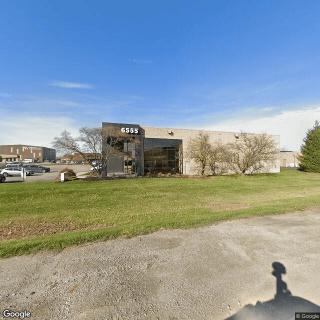


 Understanding Home Health Care: A Comprehensive Guide
 Home Health Care Demystified: A Comprehensive Guide for Families and Caregivers
 Seniors and Modern Transportation: Exploring Uber, Lyft, and Other Ride-Hailing Options