Royal Oak Nursing & Rehab Center

Save

  • Interior

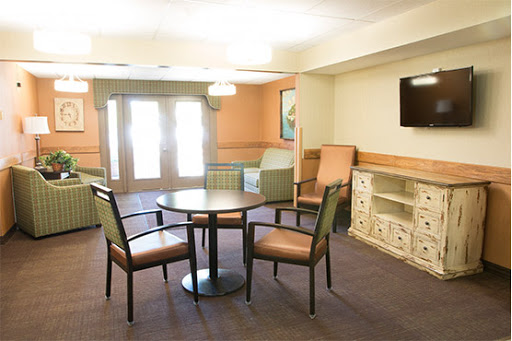
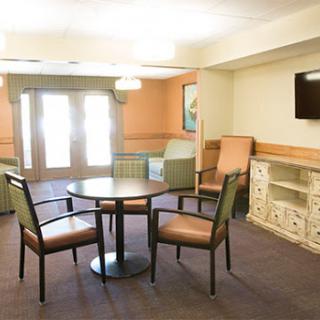
    A cozy lounge area featuring a round table and chairs, with a view of the outdoors.
  • Decor

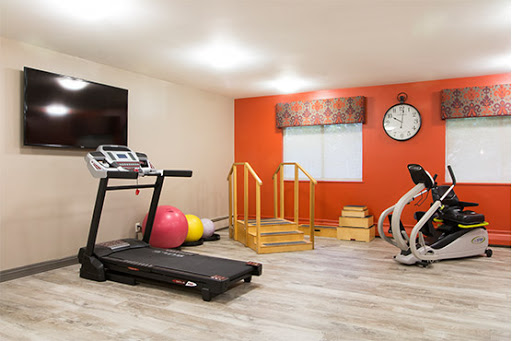
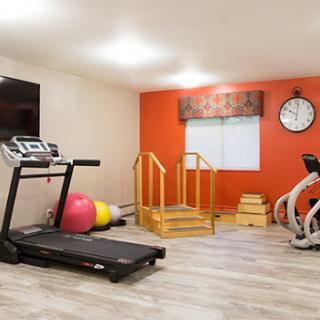
    A modern gym space featuring various exercise equipment including a treadmill, exercise bike, and fitness accessories.
  • Living Room

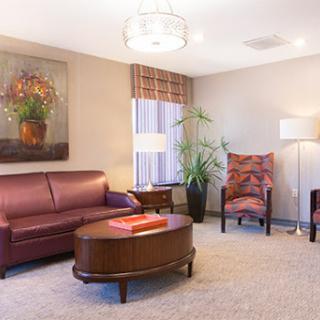
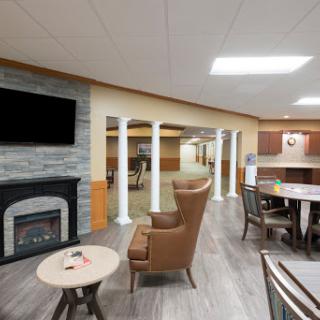
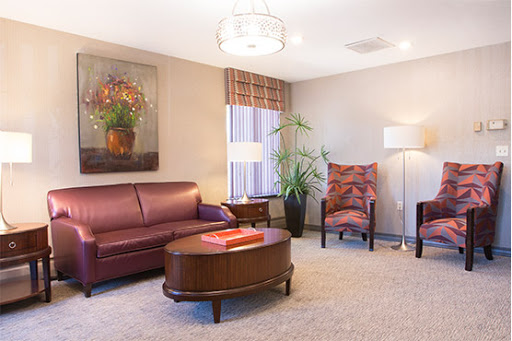
    A cozy and elegantly designed living room with comfortable seating and tasteful decor.
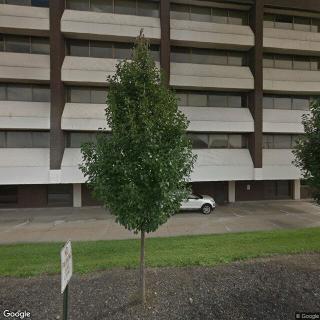
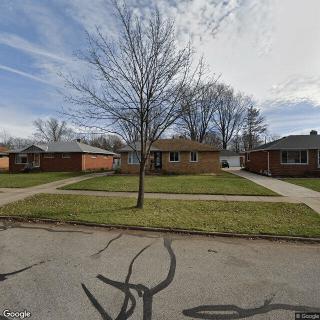
  • Building

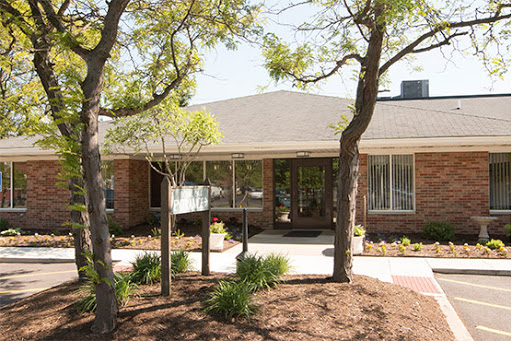
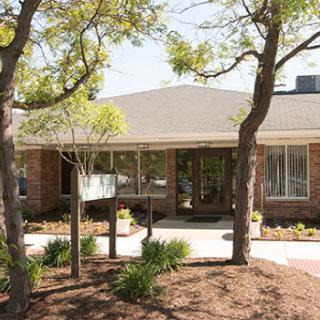
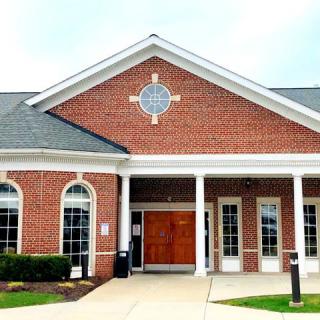
    A charming residential building surrounded by greenery.
  • Bedroom

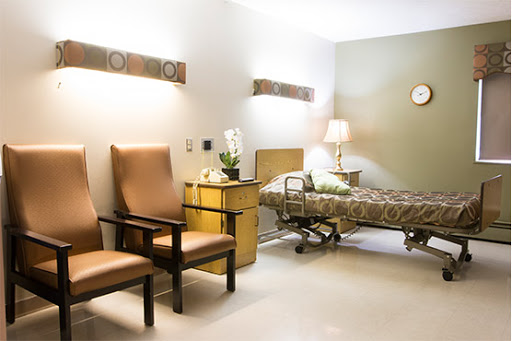
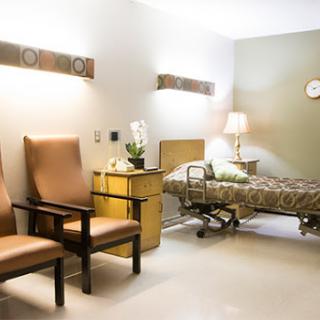
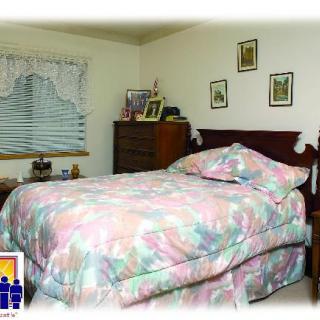
    A serene hospital patient room featuring a bed, two chairs, and a bedside lamp, designed for comfort and care.
  • Garden

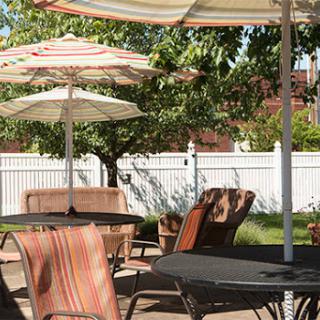
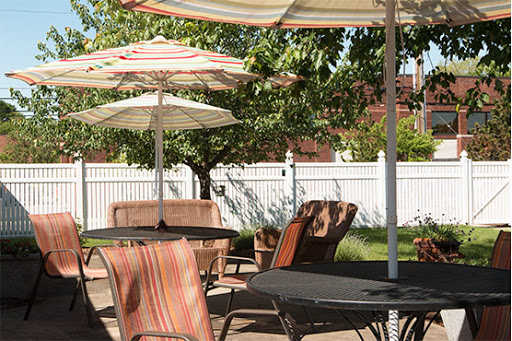
    A peaceful outdoor patio setup with tables and umbrellas, perfect for relaxation.
  • Artwork

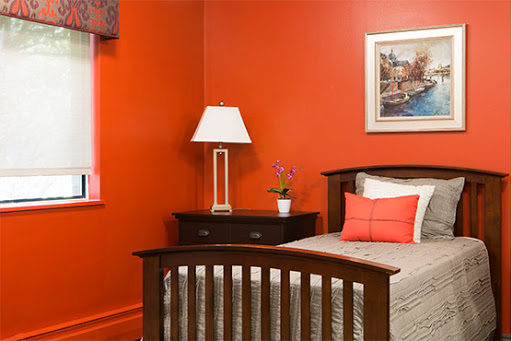
    A modern bedroom featuring vibrant orange walls, a cozy bed adorned with pillows, and a stylish lamp.
  • Exercise Equipment

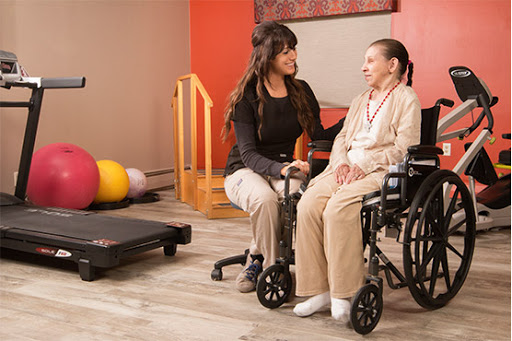
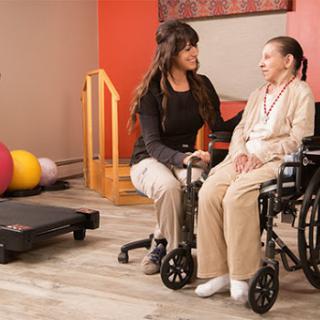
    A caregiver interacts with an elderly woman in a rehabilitation setting, emphasizing support and care.
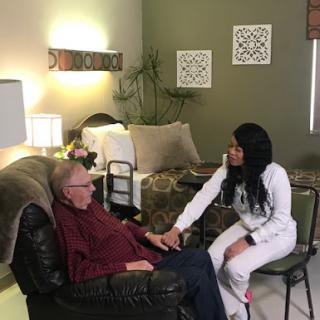
  • Caregiver

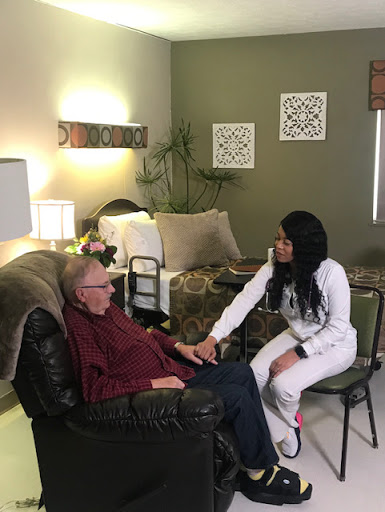
    A caregiver gently interacts with an elderly gentleman in a cozy indoor setting, highlighting the importance of companionship and support.

Royal Oak Nursing & Rehab Center

6973 Pearl Road, Middleburg Heights, OH 44130

For more information about senior living options: (844) 490-3973

3.8 from 92 reviews
5 stars
61
4 stars
1
3 stars
2
2 stars
6
1 stars
22

Skilled Nursing Facility

What level of care are you interested in?

Assisted Living

Memory Care

Independent Living

Skilled Nursing Facility

Continuing Care Retirement Community (CCRC)CCRC

Other


Request a tour at Royal Oak Nursing & Rehab Center

    Overall Review of Royal Oak Nursing & Rehab Center

    Pros

    • pro The staff at Royal Oak are described as phenomenal, welcoming, and attentive.
    • pro The therapists are praised as excellent.
    • pro The food is described as amazing, with at least one resident gaining weight.
    • pro The facility is clean and the environment is pleasant, with polite staff.
    • pro The staff are described as compassionate, personable, and taking time to get to know residents, even bringing in favorite snacks.
    • pro One reviewer called Royal Oak the best care they have ever received in a nursing home.
    • pro Families would recommend Royal Oak for compassionate, personalized care.
    • pro The care team across administration, nurses, rehab, housekeeping, maintenance, and laundry is described as professional, kind, compassionate, helpful, and caring.

    Cons

    • pro The meals were cold and unappealing, with chicken sometimes still frozen in salads.
    • pro The hallways smelled foul and the viewing areas were not properly cleaned.
    • pro Calls to the nurses' station were frequently unanswered, and messages were not returned.
    • pro Important medications were not called in, resulting in missed doses for days.
    • pro Physical therapy was infrequent and rushed due to a high patient load, with little apparent patient care.
    • pro Staffing was underfunded and short-staffed, leading to poor care and occasionally rude behavior.
    • pro Residents were left on bedpans for hours and not cleaned properly, causing rashes and discomfort.
    • pro There were hygiene and pest issues (cockroaches, spiders) and complaints about unprofessional staff.
    • pro Administrative delays and paperwork hindered timely transfers and care.
    • pro Some aides were lazy or inattentive, leading to inconsistent quality of care.

    Review

    The collection of experiences at Royal Oak/Royal Oaks reveals a striking split in what people encounter there. On one hand, there are residents and families who describe warmth, kindness, and genuine effort from many staff members; on the other hand, a substantial number of accounts warn of serious lapses in basic care, inconsistent communication, and a sense that care quality can swing radically from one day to the next. Taken together, the reviews paint a facility that can be wonderful in some moments and troubling in others, making the overall picture highly variable depending on who is present, when, and which wing or unit is involved.

    Food and environment emerge as a common point of contention. Several reviewers report meals that are cold, unappealing, or poorly prepared, with specific complaints such as chicken still being frozen in salads. They also describe odors in hallways and a lack of thorough cleaning in shared viewing areas, contributing to a sense of neglect in daily life. Yet there are also comments praising the food, noting that sometimes meals are good or even excellent, and some reviewers highlight a generally clean environment and a pleasant atmosphere. This discrepancy underscores how residents' and families' perceptions can hinge on day-to-day kitchen staffing, housekeeping coverage, and the particular shift or team caring for a patient.

    Medication management and discharge planning stand out as especially troubling in several reviews. Multiple accounts claim prescriptions were not called into the pharmacy as promised, with gaps of two days or more where essential meds such as heart medications, blood thinners, or pain relief were not administered or adequately coordinated. Messages left for nurse stations frequently went unanswered, and family members had to chase down the information themselves. There is a recurring fear that important cardiac medications - especially for someone with a pacemaker - were not consistently managed, raising serious concerns about patient safety during the stay and at discharge when prescriptions should have been clarified and ensured to be filled. Some reviewers mention that concerns were advanced to state agencies, reflecting how deeply these issues worry families.

    Therapy and rehabilitation experiences add another layer of inconsistency. Physical therapy is described by some as a rushed, once-daily service with limited patient contact due to high patient loads, which leaves residents feeling like care is performed "wham bam, good bye." Others, however, share praise for the therapists themselves, calling them excellent and noting that the rehabilitation team can help patients make meaningful progress - enough to return home with greater independence. This contrast highlights how the rehab experience can depend heavily on staffing ratios, scheduling, and the prioritization of therapy time within a busy facility.

    Staffing and day-to-day care quality vary widely in the narratives, with some reviewers painting a positive picture of friendly, compassionate workers and attentive nurses, while others describe lazy staff, slow responses at the nurses' station, or a lack of accountability. Specific anecdotes mention night staff on one wing being less pleasant, doors going unanswered, and a sense that the facility is underfunded and short-staffed. Yet there are also mentions of staff who go above and beyond, including nurses and aides who are described as 100% awesome, or particular individuals like Janice, Rick, Sam, and Carissa who made a positive impact. The mixed experiences suggest that individual staff members can significantly influence a patient's day, but that systemic understaffing or communication gaps can undermine overall care.

    Hygiene, safety, and dignity emerge as particularly painful themes in several accounts. Reviewers recount people left in bedpans for extended periods, rashes from insufficient cleansing, and even bruising on an arm. There are stories of inappropriate or delayed assistance, delays in moving a patient from a wheelchair to a bed, and failures to follow doctor orders that caused unnecessary discomfort. Some families describe a sense of fear or disappointment when the facility did not bathe residents promptly or adhered to basic hygiene practices, while a few accounts of end-of-life care emphasize dignity, cleanliness, and respectful treatment during critical moments. A concerning report mentions roaches and other pests, along with assertions that there are days when there are no registered nurses on site, which starkly points to serious patient safety concerns for some residents.

    Amid the spectrum of experiences, there are clearly pockets of outstanding care and gratitude. Several reviews recount personal moments of compassion and effective support: a father-in-law who received attentive, personalized care; a mother who appreciated staff kindness and the team's efforts to respect her loved one's needs; and a patient who felt the therapy and rehabilitation helped him regain independence and return home. Some families found the facility to be clean, well-maintained, and staffed by friendly professionals who made meaningful efforts to accommodate individual preferences, including bringing in favorite foods or providing reassurance during difficult times. For these readers, Royal Oak/Royal Oaks represents a rare combination of warmth and capability that can make a difficult situation more bearable.

    Overall, the sentiments suggest that Royal Oak/Royal Oaks can deliver excellent, compassionate care in the hands of the right team, yet it can also fall short in critical areas like medication management, timely communication, hygiene, and consistent staffing. The good experiences often center on specific staff members or moments where care was delivered with attentiveness and kindness, while the negative experiences tend to point to systemic issues such as understaffing, unclear procedures, and gaps in basic daily care. Families facing difficult decisions about placement would do well to investigate current staffing levels, medication coordination protocols, and daily routines on the unit their loved one would join, and to seek direct conversations with administrators, front-line staff, and residents to gauge whether the facility's processes have improved since troubling reports were made. In any case, the facility's strengths - compassionate staff, tangible acts of care, and effective rehab when supported - sit alongside persistent concerns about reliability, safety, and consistency that families should weigh carefully in their planning and advocacy.

    Features

    Housing

    • 99 resident community capacity 99 resident community capacity

    Types of Care

    • Skilled Nursing Facility Skilled Nursing FacilitySkilled Nursing Facilities are crucial for seniors as they provide round-the-clock medical care, rehabilitation services, and assistance with daily activities. These facilities ensure that seniors receive the specialized care they need to maintain their health and well-being as they age.

    Amenities

    • Air-conditioning Air-conditioningAir conditioning is important for seniors as they are more vulnerable to heat-related illnesses and may have underlying health conditions that make it difficult for them to regulate their body temperature. It helps to keep them comfortable, safe, and healthy in hot weather.
    • Beauty salon Beauty salonBeauty salons are important for seniors because they provide a space for them to feel pampered, socialize, and maintain their personal grooming and hygiene. Regular visits to a beauty salon can help boost seniors' self-esteem and overall well-being.
    • Cable or satellite TV Cable or satellite TVCable or satellite TV is important for seniors because it provides entertainment, news, and companionship, helping to combat loneliness and boredom. It also offers a wide range of programming options tailored to different interests and preferences.
    • Computer center Computer centerA computer center is essential for seniors as it provides access to technology, communication tools, and resources that can enhance their daily lives. It allows them to stay connected with loved ones, engage in online activities, and learn new skills, ultimately promoting socialization and mental stimulation.
    • Dining room Dining roomDining rooms are important for seniors as they provide a space for socialization, connection, and nutritious meals. They offer opportunities for residents to bond over shared meals, foster a sense of community, and promote healthy eating habits. Dining rooms also ensure that seniors have access to well-balanced meals tailored to their dietary needs and preferences.
    • Fitness room Fitness roomHaving a fitness room in a senior living community is essential for seniors to stay active, maintain their physical health, and improve their overall well-being. Regular exercise can help prevent falls, reduce the risk of chronic diseases, and promote mental sharpness. It also provides social opportunities for residents to connect with others and enjoy a sense of community.
    • Fully furnished Fully furnishedFully furnished senior living communities are important for seniors because they provide convenience, comfort, and a hassle-free moving experience. Seniors can easily settle into their new living space without the stress of having to buy and move furniture. This allows them to focus on enjoying their new home and community.
    • Gaming room Gaming roomGaming rooms are important for seniors as they provide a fun and engaging environment for socializing, cognitive stimulation, and physical activity. Games can improve memory, problem-solving skills, and overall mental well-being while fostering friendships and reducing feelings of isolation.
    • Garden GardenGardens are important for seniors as they provide a peaceful and therapeutic environment for relaxation, physical activity, and socialization. Being in nature has been shown to reduce stress, improve mood, and promote overall well-being. Gardens also offer opportunities for seniors to engage in gardening activities, which can improve mobility, flexibility, and cognitive function. Additionally, gardens create a sense of community and connection with others who share a passion for plants and outdoor spaces.
    • Housekeeping services Housekeeping servicesHousekeeping services are important for seniors because they help maintain a clean and safe living environment, promote independence, and reduce the risk of accidents or illnesses. Additionally, having assistance with household chores can alleviate physical strain and allow seniors to focus on other aspects of their well-being.
    • Kitchenette KitchenetteKitchenettes are important for seniors living in senior living communities because they provide the convenience and independence of being able to prepare simple meals and snacks in the comfort of their own living space. This can help promote a sense of autonomy and well-being for seniors, allowing them to maintain some level of control over their dietary choices and daily routines.
    • Move-in coordination Move-in coordinationMove-in coordination is important for seniors because it helps ease the transition into their new living environment. It ensures that all logistics, such as packing, organizing movers, and setting up utilities are taken care of, allowing seniors to focus on settling in and adjusting to their new home. Having a smooth move-in process can alleviate stress and anxiety, making the transition smoother and more enjoyable for seniors.
    • Outdoor space Outdoor spaceOutdoor spaces are important for seniors as they provide opportunities for physical activity, social interaction, exposure to natural light and fresh air, and a sense of connection to nature. Having access to outdoor spaces can improve overall well-being and quality of life for older adults living in senior communities.
    • Private bathrooms Private bathroomsPrivate bathrooms are important for seniors in senior living communities because they provide independence, dignity, and comfort. Having a private bathroom allows seniors to maintain their personal hygiene routines without the need for assistance, promoting a sense of autonomy and privacy. Additionally, private bathrooms help prevent the spread of infections and provide a safe and clean environment for seniors to navigate safely.
    • Restaurant-style dining Restaurant-style diningRestaurant-style dining is important for seniors because it allows them to enjoy delicious, nutritious meals in a social and upscale setting. This enhances their dining experience, promotes healthy eating habits, and fosters socialization with fellow residents, ultimately contributing to their overall well-being and quality of life.
    • Small library Small librarySmall libraries are important for seniors as they provide access to a variety of reading materials, including books, newspapers, and magazines. This can help stimulate their minds, keep them engaged, and provide a sense of community through book clubs and other social activities. Additionally, reading has been shown to improve cognitive function and overall mental well-being in older adults.
    • Telephone TelephoneTelephones are important for seniors as they provide a lifeline for communication with loved ones, emergency services, and healthcare providers. They offer a sense of security and independence, enabling seniors to stay connected and access assistance when needed.
    • Wellness center Wellness centerWellness centers are important for seniors because they offer a variety of programs and services that promote physical, mental, and emotional well-being. These centers provide opportunities for exercise, socialization, education, and relaxation, helping seniors maintain their overall health and quality of life.
    • Wi-Fi/high-speed internet available Wi-Fi/high-speed internet availableWi-Fi/high-speed internet is important for seniors to stay connected with loved ones, access online resources, and participate in virtual activities to combat feelings of loneliness and isolation. It also allows them to easily manage healthcare needs, access entertainment, and engage in lifelong learning opportunities.

    Transportation

    • Cleveland-Hopkins International (4 miles away) Cleveland-Hopkins International (4 miles away)
    • Community operated transportation Community operated transportationCommunity operated transportation is crucial for seniors as it provides them with the means to access essential services, social activities, and medical appointments. It allows seniors to maintain their independence and quality of life by ensuring they can participate in activities outside of their homes. Additionally, community-operated transportation services offer a safe and reliable way for seniors to travel without having to rely on family or friends for assistance.
    • Transportation arrangement Transportation arrangementTransportation arrangements are crucial for seniors as they may face challenges with driving, mobility, or access to public transportation. Having reliable transportation services ensures that seniors can easily attend appointments, social activities, and maintain their independence and quality of life.
    • Transportation arrangement (non-medical) Transportation arrangement (non-medical)Transportation arrangements are essential for seniors as they provide access to essential services, activities, and social interactions outside the home. This service helps maintain independence, mobility, and overall well-being for seniors who may have limited transportation options.
    • Transportation to doctors appointments Transportation to doctors appointmentsTransportation to doctors appointments is crucial for seniors as it ensures they have access to necessary medical care and support, promoting their health and well-being. It allows them to receive timely treatment, monitor existing conditions, and address any new health concerns efficiently. Additionally, transportation services can help seniors maintain their independence and quality of life by enabling them to stay connected with their healthcare providers.

    Care Services

    • 12-16 hour nursing 12-16 hour nursing12-16 hour nursing care is crucial for seniors in order to ensure around-the-clock monitoring, timely medication administration, and prompt response to any health concerns or emergencies. This level of care helps to promote the overall well-being and safety of seniors living in senior living communities.
    • 24-hour call system 24-hour call system24-hour call systems are important for seniors because they provide peace of mind and immediate assistance in case of emergencies. This technology ensures that help is always available, promoting safety and security for elderly individuals living alone or in assisted living facilities.
    • 24-hour supervision 24-hour supervision24-hour supervision is important for seniors to ensure their safety, well-being, and access to immediate assistance in case of emergencies or health issues. This constant support provides peace of mind for both seniors and their loved ones, allowing them to age in place with dignity and security.
    • Activities of daily living assistance Activities of daily living assistanceActivities of daily living assistance are important for seniors because they provide essential support with tasks such as eating, bathing, dressing, and mobility. This assistance helps seniors maintain their independence, dignity, and overall quality of life as they age.
    • Assistance with bathing Assistance with bathingAssistance with bathing is crucial for seniors as it helps maintain personal hygiene, prevents infections, and ensures their overall well-being and comfort. It also provides a sense of dignity and independence for seniors who may struggle with this task on their own.
    • Assistance with dressing Assistance with dressingAssistance with dressing is important for seniors because it helps maintain their independence, promotes personal hygiene, prevents accidents and injuries, and improves overall quality of life. This service ensures that seniors can continue to dress comfortably and confidently, despite any physical limitations they may have.
    • Assistance with transfers Assistance with transfersAssistance with transfers is crucial for seniors as it helps prevent falls and injuries, maintains their independence, and ensures they can safely navigate their living environment. It also provides peace of mind for both seniors and their loved ones.
    • Diabetes diet Diabetes dietA diabetes diet is crucial for seniors as it helps manage blood sugar levels, reduce risks of complications, and improve overall health and well-being. By following a balanced and nutritious diet tailored to their specific needs, seniors can better control their diabetes and enhance their quality of life.
    • Meal preparation and service Meal preparation and serviceMeal preparation and service are crucial for seniors as they may have limited mobility or energy to cook nutritious meals. Having access to healthy and convenient food options can ensure they are getting the proper nutrition needed to maintain their overall health and well-being.
    • Medication management Medication managementMedication management is crucial for seniors to ensure they are taking the right medications at the correct dosages and times. This helps prevent adverse drug interactions, reduces the risk of medication errors, and promotes overall health and well-being. Proactive management also allows for adjustments as needed based on changing health conditions or new prescriptions.
    • Mental wellness program Mental wellness programMental wellness programs are essential for seniors as they promote cognitive stimulation, emotional support, and social engagement. These programs help prevent isolation, depression, and cognitive decline, ultimately enhancing the overall quality of life for older adults.
    • Special dietary restrictions Special dietary restrictionsSpecial dietary restrictions are important for seniors because age-related changes in metabolism and health conditions can make it difficult for their bodies to process certain foods. By following a diet tailored to their specific needs, seniors can maintain their overall health and well-being, manage chronic conditions, and reduce the risk of complications such as malnutrition or food interactions with medications.

    Dining

    • Diabetes diet Diabetes dietA diabetes diet is crucial for seniors as it helps manage blood sugar levels, reduce risks of complications, and improve overall health and well-being. By following a balanced and nutritious diet tailored to their specific needs, seniors can better control their diabetes and enhance their quality of life.
    • Special dietary restrictions Special dietary restrictionsSpecial dietary restrictions are important for seniors because age-related changes in metabolism and health conditions can make it difficult for their bodies to process certain foods. By following a diet tailored to their specific needs, seniors can maintain their overall health and well-being, manage chronic conditions, and reduce the risk of complications such as malnutrition or food interactions with medications.

    Activities

    • Community-sponsored activities Community-sponsored activitiesCommunity-sponsored activities are important for seniors as they provide opportunities for social interaction, mental stimulation, and physical activity. These activities can help improve overall well-being, combat loneliness and isolation, and promote a sense of belonging and purpose among older adults.
    • Concierge services Concierge servicesConcierge services are essential for seniors as they provide assistance with daily tasks and errands, enhance their quality of life by offering convenience and personalized care, and promote a sense of safety and security.
    • Fitness programs Fitness programsFitness programs are crucial for seniors as they help improve strength, flexibility, balance, and overall well-being. Staying active can reduce the risk of chronic diseases, improve mental health, and enhance quality of life in older adults.
    • Planned day trips Planned day tripsPlanned day trips are important for seniors because they offer opportunities for socialization, mental stimulation, and physical activity. They provide a change of scenery and help seniors stay engaged and connected to their community, promoting overall well-being and quality of life.
    • Resident-run activities Resident-run activitiesResident-run activities are important for seniors as they encourage social interaction, creativity, and a sense of autonomy. These activities empower seniors to stay engaged and active in their community while fostering meaningful connections with their peers.
    • Scheduled daily activities Scheduled daily activitiesScheduled daily activities are important for seniors because they provide structure, socialization, mental stimulation, and physical activity. Engaging in regular activities can improve overall well-being and quality of life for seniors living in a community setting.

    Description

    The Royal Oak Nursing & Rehab Center in Middleburg Heights, OH is a well-equipped and comfortable assisted living community that prioritizes the care and comfort of its residents. The community offers a wide range of amenities to cater to the needs and interests of its residents.

    For those who enjoy staying well-groomed, there is a beauty salon available on-site. Residents can also relax in the fully furnished rooms while enjoying their favorite shows through cable or satellite TV. Community-operated transportation is provided for residents who need assistance with commuting, making it convenient for them to run errands or attend appointments.

    The center has a computer center where residents can access technology and stay connected with their loved ones. A dining room is available for communal meals, offering restaurant-style dining experiences. Additionally, a kitchenette is provided for residents who prefer cooking their own meals.

    To encourage an active lifestyle, the facility offers a fitness room and wellness center where residents can engage in physical activities and exercise programs catered to their needs. A gaming room is also available for entertainment purposes.

    Outdoor spaces such as gardens provide opportunities for relaxation and fresh air. For those who enjoy reading, a small library is accessible within the community. Residents have access to telephone services and high-speed internet via Wi-Fi.

    Residents can feel secure knowing that there is a 24-hour call system in place and that they receive 24-hour supervision. Trained staff members are available to assist with activities of daily living, including bathing, dressing, and transfers. Medication management services ensure that residents receive appropriate medical care. A mental wellness program supports the emotional well-being of residents.

    Special dietary restrictions are accommodated in meal preparation and service, including diabetes diets. Transportation arrangements are made both for non-medical purposes as well as specifically to doctors' appointments.

    Residents can look forward to various activities organized by the community such as fitness programs, planned day trips, resident-run activities, and scheduled daily activities. The community is surrounded by amenities such as cafes, parks, pharmacies, physicians, restaurants, transportation options, theaters, and hospitals – providing convenience and accessibility for residents.

    In summary, the Royal Oak Nursing & Rehab Center offers excellent care services and a range of amenities to ensure the comfort and well-being of its residents within a vibrant and supportive assisted living community.

    Nearby Places of Interest

    Pharmacies

    • Marc's Stores (0.4 miles)
    • CVS Pharmacy (0.8 miles)
    • CVS Pharmacy (1.8 miles)
    • MetroHealth Parma Medical Center - Pharmacy (2.2 miles)
    • Marc's Stores (2.2 miles)
    • Walgreens (2.4 miles)
    • Walmart Pharmacy (2.6 miles)

    Physicians

    • Ent Allergy Health (0.8 miles)
    • Southwest Family Physicians (2 miles)
    • Cuyahoga County Board of Health (2.5 miles)
    • Allergy Diagnostic (5.7 miles)

    Parks

    • James Day Park (1.2 miles)
    • Surrarrer Park (2.3 miles)
    • Cleveland Metroparks - Big Creek Reservation (2.7 miles)
    • Metroparks Mill Stream Run Reserve North (3.1 miles)
    • Strongsville Wildlife Area (4 miles)
    • Rocky River Reservation (5.2 miles)
    • Bain Park (5.5 miles)

    Restaurants

    • Taco Bell (1.6 miles)
    • McDonald's (1.8 miles)
    • Raising Cane's Chicken Fingers (1.8 miles)
    • Kosta & Vics Restauran (2.5 miles)
    • Chick-Fil-A (3 miles)
    • Niko's Bar & Gyros (4.2 miles)
    • Rosewood Grill (4.4 miles)

    Cafes

    • Starbucks (2.4 miles)
    • Starbucks (4.6 miles)
    • Metropolitan Coffee (6.1 miles)
    • Panera Bread (6.6 miles)
    • Starbucks (6.7 miles)
    • Rising Star Coffee Roasters (7 miles)

    Transportation

    • Cleveland-Hopkins International Airport (CLE) (3.2 miles)
    • Concourse C (3.4 miles)
    • TSA Checkpoint C (3.4 miles)
    • United Airlines Ticket Counter (3.4 miles)
    • American Airlines Ticket Counter (3.4 miles)
    • Concourse B (3.5 miles)
    • Hertz Rent A Car (4 miles)

    Hospitals

    • Benchmark Imaging Group (4.2 miles)
    • CCF Fairview Hospital (5.4 miles)
    • Cleveland Clinic - Fairview Hospital (5.4 miles)

    Theaters

    • Cinemark 383 Strongsville (4.8 miles)

    Places of Worship

    • St Ignatius of Antioch Church (6.5 miles)

    Frequently Asked Questions

    Where is Royal Oak Nursing & Rehab Center?
    What photos are available for Royal Oak Nursing & Rehab Center in Middleburg Heights, Ohio?

    Nearby Communities

    Related Resources

    • palliative care vs hospiceUnderstanding the Nuances of Palliative Care and Hospice: A Comprehensive Exploration

      Palliative care focuses on alleviating distress at any stage of a serious illness and can accompany curative treatments, while hospice care is for those nearing the end of life with a prognosis of six months or less, emphasizing comfort over curative measures. Both prioritize holistic care for patients and families but differ in timing, goals, and scope.

    • is home health care tax deductibleIs In-Home Healthcare Tax Deductible? Your Comprehensive Guide
      The guide details the tax deductibility of in-home healthcare expenses according to IRS guidelines, differentiating between medically necessary services and non-medical assistance, while emphasizing the need for proper documentation and itemization requirements. It also highlights state-level variations, the importance of record-keeping, and encourages seeking professional tax help to understand evolving regulations.

    • gardening for seniorsNurturing Well-Being Through Gardening: A Detailed Guide for Senior Enthusiasts
      Gardening provides seniors with physical exercise, mental and emotional support, and social interaction opportunities, while accommodating their needs through raised beds and ergonomic tools. It promotes health benefits like improved dexterity and cardiovascular health, encourages sustainable practices, and allows for manageable upkeep with low-maintenance plants.


    Get Pricing Ask A Question Schedule A Tour Contact Senior Advisor