
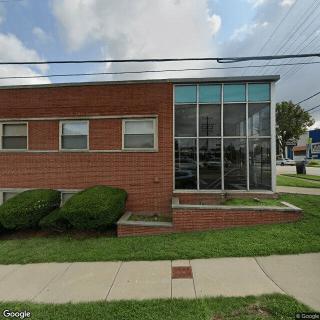
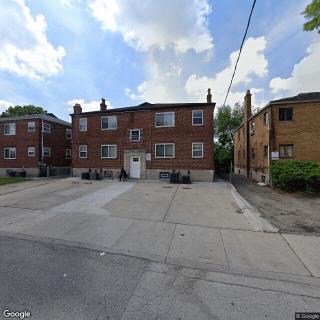
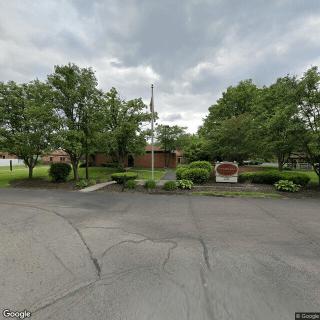
1578 Sherman Avenue, Norwood, OH 45212
For more information about senior living options: (866) 208-4318
Overall Review of Premier Estates Of Highlands
Pros
 The facility is great for senior loved ones.
- Pristine helped the grandmother recover to her pre-fall self.
- The family expresses gratitude for Pristine's care.
- The care is described as pure excellence.
Cons
 The facility is the worst in the county and should not be in operation.
- The environment is filthy and the staff are unskilled and unprofessional.
- The facility's license should be revoked.
- They did not provide a TV for the grandmother after pneumonia and expected her to sleep in an old wooden chair.
- The floor was dirty and the nurses didn't care that she was in pain.
- The food is not appetizing and is served cold most of the time because plate warmers are not used.
- The building is very old and smells bad.
- The staff are often short and do not treat residents with respect.
- The nurses are not knowledgeable and make many errors.
- They do not seem to care or to like their jobs.
- This is not a place where someone would place a loved one.
Review
Premier Estates Of Highlands in Norwood, Ohio is best suited for families looking for a budget-conscious option to support a loved one through short-term recovery after an acute event, and who are prepared to actively supervise care to compensate for uneven staffing and care quality. The clearest value emerges in limited cases where residents recover function after a fall or pneumonia, suggesting the facility can deliver meaningful rehabilitation when staff are engaged and attentive. For families prioritizing a financially accessible setting and willing to monitor daily care, this community can appear attractive on the surface, but only for a narrow window of needs and if realistic expectations are set.
Those who require consistent cleanliness, warmth in meals, and dependable clinical oversight will want to consider alternatives. The reviews consistently describe a dirty environment, odors, and an old building with insufficient sanitation. Reports also highlight short-staffing, disrespectful treatment, and nurses who are not knowledgeable or careful, with mistakes noted as a routine risk. Such dynamics undermine safety and comfort, making this option risky for residents with complex medical needs or significant daily assistance requirements. Potential residents should weigh whether a short-term stay can be safely managed with vigilant family oversight or if better-staffed facilities are necessary.
On the upside, several reviewers credit the facility with meaningful rehabilitation outcomes when care is consistent. One account notes a grandmother regaining her pre-fall function after a stay, framing Premier Estates as capable of delivering tangible recovery with the right staff engagement. Another observer labels the facility as excellent in certain moments, underscoring that the capacity to support recovery exists. These successes, however, appear episodic and contingent on staffing conditions, rather than reliable daily performance. For families, that means any potential rehab benefit must be clearly prioritized against the persistent concerns about environment and care culture.
Reality checks the positives against the negatives. The strongest drawbacks, unreliable cleanliness, stale odors, and an aging facility, directly undermine comfort and safety, while the most common staffing issues create variability in daily routines and response times. When meals arrive cold and sit without warming infrastructure, nutrition and satisfaction suffer, and when nurses miss changes in pain or medication, trust deteriorates quickly. The combination of questionable clinical oversight and inconsistent empathy further erodes confidence, making this community a high-variance option rather than a steady, dependable home for a long-term resident needing ongoing support.
What families can do if this is on the short list: request unscheduled visits, observe care in real-time, and insist on speaking directly with nursing leadership and dietary staff. Probe for RN coverage levels, incident reports, and any recent inspections or corrective actions. Review menus, dining schedules, and resident activity calendars to gauge day-to-day vitality. Speak with multiple residents and families to gauge consistency, and compare with nearby facilities that have steadier staffing and stronger cleanliness records. In short, use Premier Estates Of Highlands as a diligence test, evaluate whether the day-to-day reality aligns with recovery goals and risk tolerance, then compare against higher-rated options.
In summary, Premier Estates Of Highlands presents a narrow, risk-tolerant path for families chasing short-term rehab at a lower price, but the weight of negative experiences around cleanliness, staffing, and clinical accuracy cannot be ignored. For long-term residence or for those requiring predictable, respectful care, alternatives with stronger staffing stability and higher satisfaction are strongly advised. If the decision hinges on a care-focused recovery story rather than a stable caregiving environment, a careful, but time-limited, engagement may be warranted while maintaining clear exit criteria. The prudent choice is to exhaust options with proven consistency before committing to Premier Estates as a primary home.
 55 resident community capacity
 Skilled Nursing Facility
 Air-conditioning
 Beauty salon
 Cable or satellite TV
 Computer center
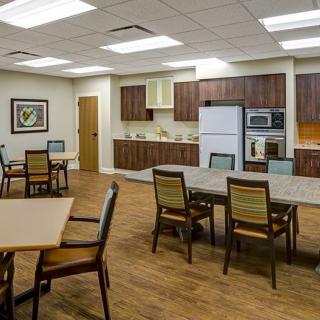
 Dining room
 Fitness room
 Fully furnished
 Gaming room
 Garden
 Housekeeping services
 Kitchenette
 Move-in coordination
 Outdoor space
 Private bathrooms
 Restaurant-style dining
 Small library
 Telephone
 Wellness center
 Wi-Fi/high-speed internet available
 Cincinnati Northern Kentucky International (13 miles away)
 Community operated transportation
 12-16 hour nursing
 24-hour call system
 Activities of daily living assistance
 Assistance with bathing
 Assistance with dressing
 Assistance with transfers
 Diabetes diet
 Medication management
 Mental wellness program
 Special dietary restrictions
 Concierge services
 Planned day trips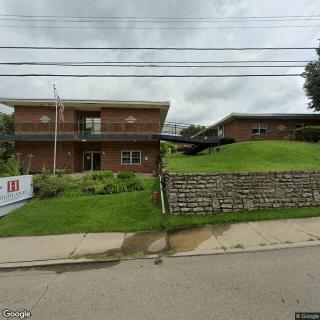



 Fecal Incontinence in Older Adults: A Comprehensive Guide
 Recognizing the Journey: Understanding and Navigating Anticipatory Grief
 Encouraging Participation in Adult Day Care: A Guide to Supporting a Hesitant Parent