
2250 Banning Road, Cincinnati, OH 45230
For more information about senior living options: (866) 208-4318
Mt Airy Gardens Rehabilitation And Nursing Center Costs & Pricing
Mt Airy Gardens Rehabilitation and Nursing Center offers competitive pricing for its services, with a private room costing $2,600 per month. This rate is significantly lower than the average costs in Hamilton County, which stands at $5,246, as well as the broader state average of $4,771 in Ohio. The affordability of Mt Airy Gardens makes it an appealing option for those seeking quality rehabilitation and nursing care, while also providing significant financial relief compared to other facilities in the region.
| Floor plans | Mt Airy Gardens Rehabilitation And Nursing Center | Hamilton County | Ohio |
|---|---|---|---|
| Private | $2,600 | $5,246 | $4,771 |
Skilled Nursing Facilities with a similar price nearby
-
from +$173 / mo
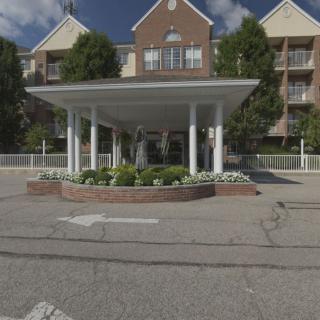
Barrington of Fort Thomas
$2,773 to $3,995 / month10.7 miles away -
from +$400 / mo

Spring Hills Middletown
$3,000 to $3,900 / month23.9 miles away -
from -$390 / mo

The Kenwood By Senior Star
$2,210 to $6,885 / month9.8 miles away -
About the same
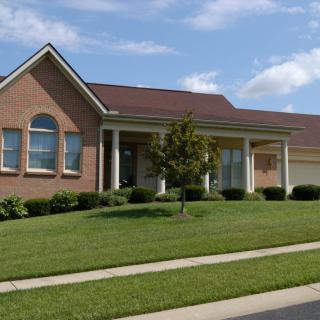
Ohio Living Mount Pleasant
$2,610 to $5,040 / month19.8 miles away -
from +$273 / mo
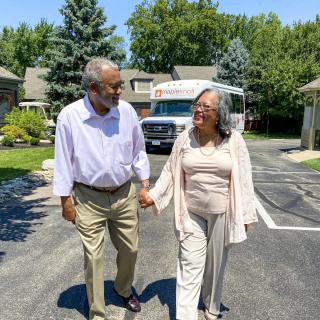
Maple Knoll Village
$2,873 to $12,180 / month6.4 miles away
Overall Review of Mt Airy Gardens Rehabilitation And Nursing Center
Pros
 The staff at Mt Airy Gardens is caring and very nurturing.
- The staff continues to work on upgrades and improvements.
- The employees are friendly and responsive to residents' needs.
- Therapists and administrative staff are wonderful and supportive.
- Activities have improved since the new manager arrived.
- The nurses are fantastic and the PCAs are amazing and always there when you need them.
- Tianna and Ronald are wonderful, professional, and knowledgeable.
Cons
 The driver was cruising in the left lane and impeding traffic.
- The place is a joke.
- The workers stand in the hallways and chitchat all day while people need help.
- They don’t want to do their jobs correctly.
- The administrator is one of the worst people I’ve ever spoken to.
- They do not care about caring for residents.
- The building is dirty, and night staff provide poor quality care with almost non-existent patient care.
Review
Mt Airy Gardens Rehabilitation And Nursing Center in Cincinnati is best suited for seniors and families who value a clearly rehab-forward environment where therapists, nurses, and aides demonstrate genuine warmth and practical skill. The strongest case is made by residents entering for short-term rehabilitation with the goal of returning home, or by long-term residents who want an actively engaged therapy team focused on mobility, daily living skills, and independence. Across multiple accounts, the rehabilitation staff emerges as the principal asset: knowledgeable therapists who push patients to stretch goals, compassionate nurses and aides who respond with patience, and a general sense that improvements are possible when residents commit to the plan. The facility carries enough momentum in this arena to justify serious consideration for families prioritizing rehab outcomes and a friendly, person-centered approach.
At the same time, it is prudent to weigh alternatives for families that require flawless consistency across every shift and every area of operation. If spotless upkeep, uninterrupted overnight attention, or unwavering administrative alignment at all hours is non-negotiable, this campus may not be the best match. A recurring concern voiced by reviewers is variability in cleanliness and overnight staffing, with anecdotes of staff who appear disengaged or distracted. Administrative leadership has attracted sharp critique from at least one reviewer, creating a perception that leadership style can color the day-to-day care climate. For families seeking a meticulously predictable environment at all times, it makes sense to compare other nearby options before deciding.
The upside lies in the rehab engine and the people who drive it. The rehab team, therapists in physical and occupational therapy, receives repeated praise for expertise, encouragement, and real progress toward home independence. The messaging is practical: sessions are designed to yield functional gains, and staff encourage residents to push a little further in a way that remains supportive. Nurses and personal care aides are described as consistently caring and responsive, not merely performing tasks but doing so with compassion and a visible commitment to residents’ wellbeing. When management changes occur or improvements are announced, the impact is felt in steadier activities programming and a more engaged daily routine, signaling that leadership can steer the culture toward higher quality.
Beyond the core therapy team, specific caregivers receive notable commendations for professionalism and reliability. Residents and families point to individuals such as Tianna and Ronald as exemplars, quietly competent, empathetic, and easy to collaborate with. This thread of dependable, friendly care helps create a sense of safety and trust, which matters deeply for people navigating rehab or long-term needs. The collected testimonials show a climate in which staff members who align with resident goals, and who communicate well with families, can lift the overall experience, even in the shadow of other, more discordant feedback. In short, when the staff work as a cohesive, compassionate unit, outcomes and satisfaction tend to follow.
Still, the negative drumbeat presents a cautionary counterweight. Reports of a dirty building, nighttime staff delivering subpar care, and claims that patient care can feel almost non-existent undermine confidence in the facility’s ability to safeguard comfort and safety around the clock. Laundry mishaps and perceived indifference when mistakes occur intensify concerns about operational reliability. These elements matter because rehab success hinges on consistent staffing, a clean environment, and reliable problem resolution as much as on therapy sessions themselves. The contrast between strong, compassionate daytime care and troubling nighttime or housekeeping lapses suggests an uneven execution that families must probe directly. Prospective residents should demand concrete answers about laundry handling, night-shift supervision, escalation procedures for care gaps, and ongoing cleanliness checks.
The decision framework should center on rehab priorities and tolerance for variability. If brisk, effective rehab with engaged therapists, dependable daytime staff, and a climate of respectful communication is the aim, Mt Airy Gardens deserves serious attention, provided that candid discussions with leadership yield reassuring commitments about night coverage, housekeeping standards, and ongoing quality improvements. A campus tour is essential, with a focus on meeting the rehab team, the administrator, and several current residents to gauge honesty and consistency in real time. Observe the facility’s upkeep during the visit, note response times for routine requests, and assess how well staff acknowledge and address concerns. If those elements fail to meet expectations, or if a completely steady, low-friction environment is non-negotiable, families should compare other Cincinnati options with more consistent performance records. The facility holds meaningful promise for rehab-focused residents, but the final choice should rest on verifiable experiences, transparent leadership, and a clear plan for sustaining high-quality daily care.
 109 resident community capacity
 Skilled Nursing Facility
 Air-conditioning
 Beauty salon
 Cable or satellite TV
 Computer center
 Dining room
 Fitness room
 Fully furnished
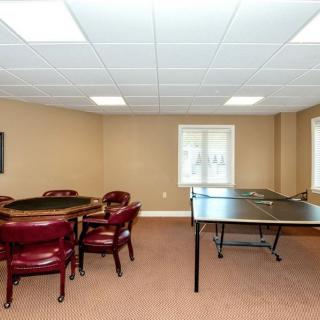
 Gaming room
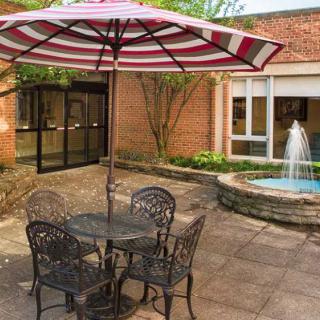
 Garden
 Housekeeping services
 Kitchenette
 Move-in coordination
 Outdoor space
 Private bathrooms
 Restaurant-style dining
 Small library
 Telephone
 Wellness center
 Wi-Fi/high-speed internet available
 Cincinnati Northern Kentucky International (12 miles away)
 Community operated transportation
 12-16 hour nursing
 24-hour call system
 Activities of daily living assistance
 Assistance with bathing
 Assistance with dressing
 Assistance with transfers
 Diabetes diet
 Medication management
 Mental wellness program
 Special dietary restrictions
 Concierge services
 Planned day trips




 Skilled Nursing Facilities vs. Nursing Homes: Making Sense of the Differences
 A Detailed Examination of Nursing Home Costs Across the U.S.
 Exploring Nonmedical Home Care: Understanding Services, Costs, and Financial Approaches