Madeira Health Care Center

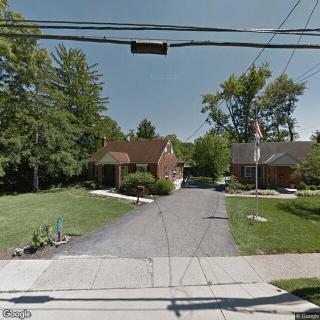
6940 Stiegler Lane, Cincinnati, OH 45243

For more information about senior living options: (844) 490-3973

2.7 from 23 reviews
5 stars
6
4 stars
2
3 stars
3
2 stars
2
1 stars
10

Skilled Nursing Facility

Overall Review of Madeira Health Care Center

Pros

  • pro The facility is described as a nice place.
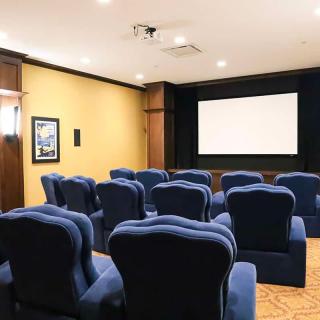
  • pro The facility is clean, updated, and offers multiple areas such as a movie room, bar area, dining room, cafe, upcoming salon, and physical therapy room.
  • pro The staff who visited her were kind.
  • pro Some nurses and aides are exceptional.
  • pro Cassandra was incredibly kind on the phone and in person.
  • pro The administration worked to get him home as soon as possible.
  • pro The family reports that their mother cannot say enough great things about the facility.

Cons

  • pro The therapy was not productive and lasted only 10?15 minutes before being returned to her room.
  • pro She was left waiting 15?20 minutes for assistance to use the bathroom and had to use a wheelchair.
  • pro They did not flush the toilet or clean anything up, leaving conditions unsanitary.
  • pro She was fed only Ensure and was not eating solid food, leading to weight loss.
  • pro She wore diapers and did not receive showers as often as she should have.
  • pro Management did not lead by example, making staff professionalism feel lacking.
  • pro Vera Ballew was described as absolutely terrible, with poor hygiene and rude behavior.
  • pro Some nurses and aides were not caring or empathetic, and overall care could be better.
  • pro They would not let the reviewer see their father; it's advised not to bring loved ones there.
  • pro The food on the rehab floor was often cold and not fresh.
  • pro A resident developed a stage-4 bed sore from not being turned, with a strong smell of rotting flesh.
  • pro New ownership has run the place into the ground; care is sporadic and management focused on money.
  • pro There was little to no communication on admission, and medications were delayed.
  • pro A reviewer claimed not to bring African-American loved ones to the facility.

Review

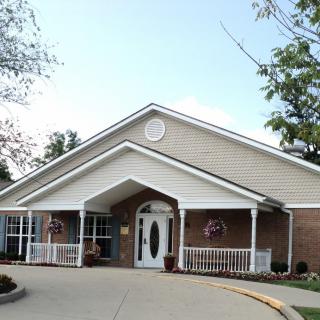
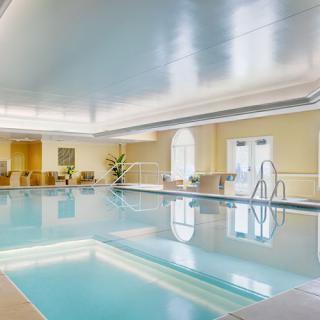
The collection of experiences at Madeira Healthcare Center paints a picture of a facility with a wide spectrum of care, amenities, and emotions attached to it. On the one hand, reviewers note a pleasant environment with attractive spaces and modern amenities. Several people mention a movie room, bar area, dining room, cafe room, a forthcoming salon, and a physical therapy area, all of which give the impression of a vibrant, multi-use campus. The building itself is described as clean and updated, and visitors repeatedly point to the potential for a comfortable, social atmosphere, especially for residents who aren't in acute crisis but are looking for rehab or longer-term comfort.

Yet beneath the polish, the day-to-day reality for residents and their families often diverges from that initial impression. A recurring thread is that staff, while often kind and well-intentioned, operate under constraints that can make important tasks feel rushed or inadequately addressed. One family describes their grandmother's rehab stint as a mixed bag: the facility was welcoming, and some staff were pleasant and supportive, but therapy sessions felt short and non-productive, lasting only about 10 to 15 minutes before a return to the room. Assistance decisions around bathroom use were troubling too - the resident relied on a wheelchair and a call for help would sometimes go unanswered for extended periods, leaving both the patient and family anxious about safety and independence. These nuances illustrate how good intentions can be undermined by workflow and staffing realities.

Nutrition and personal care are another area where experiences diverge dramatically. Several reviewers recount worrisome patterns: a resident who relied primarily on Ensure, with weight loss as a consequence; long gaps in meals or solid food intake; instances where showers were infrequent or skipped; and lack of consistent hygiene practices. One writer noted the frustration of living with poorly maintained facilities - unflushed toilets and unclean spaces - while a family member struggled with a caregiver response time that left them waiting 15 to 20 minutes or longer for help. The combination of limited eating, minimal showering, and inconsistent assistance paints a troubling picture of basic daily care that should be foundational in rehab and long-term care settings.

There is also a clear commentary on management and organizational culture. Several voices argue that staff cannot consistently excel when leadership does not model or sustain high standards. A pointed remark - "How do they expect staff to be professional, when management doesn't lead by example" - captures a sentiment echoed by multiple reviewers: morale, accountability, and communication seem misaligned with patient-centered goals. While certain staff members are praised as "rock stars" or exceptionally caring individuals (for instance, a nurse named Gwen who handled complex medical tasks with competence and warmth), others are viewed as overwhelmed or inconsistently supported by an administration that some feel is more focused on revenue than patient well-being.

Within this tapestry of praise and complaint, there are vivid, troubling accounts of care failures that cannot be easily reconciled with the facility's public-facing image. A particularly disturbing review recounts a dementia patient whose wounds were described as stage 4 due to a lack of repositioning, with accompanying neglect in basic hygiene and a facility odor that underscored the severity of the situation. The writer describes calls to the director of nursing and administration following a concerning visit, and notes that the patient was ultimately transferred to the hospital for treatment. This account culminates in a forceful indictment of the operator, named in the review as Communicare Health Services, and a call for broader accountability and reform. It is a stark reminder that even when some staff are compassionate, systemic failures can have grave consequences for residents.

Other experiences reflect more mixed but still actionable truths about the facility's operations. One reviewer, who spent two weeks in rehab themselves, found the staff "acceptable to stellar" depending on who was on duty, and appreciated that therapists were generally friendly and helpful. The writer singled out a few positive aspects - timely administration to facilitate discharge, and a sense of progress in therapy - while also acknowledging the ongoing struggle with staffing shortages that affect responsiveness and routine. A separate account highlights a recent change in ownership and describes a sense that care has become sporadic and financial concerns have taken center stage. The tension between immediate patient needs and organizational priorities is a common thread across many narratives.

There are also moments of praise within the broader mosaic. One review centers on a family member who has lived at the facility for years and speaks highly of the care their loved one receives on a day-to-day basis, praising the staff who demonstrate kindness and the ability to provide meaningful engagement for long-term residents. Another review features a positive interaction with a concierge-like staff member who provided directions and a warm farewell, underscoring that compassion can still be a bright spot even when other areas need improvement. A comment from a hospice scenario lauds the same staff member's ability to offer comfort during difficult transitions, adding texture to the notion that Madeira can be a place of genuine human connection when things are aligned properly.

In sum, Madeira Healthcare Center presents as a place of contrasts: clean, well-appointed facilities with potential for vibrant activity and social engagement, punctuated by serious concerns around consistency of care, hygiene, nutrition, and urgent medical responsiveness. For some families, the facility serves as a supportive, life-enhancing environment where dedicated staff can make a meaningful difference. For others - particularly those dealing with post-surgical rehabilitation, dementia care, or complex medical needs - the experiences described suggest a facility that struggles with staffing, communication, and adherence to fundamental care standards. The overarching takeaway is nuanced: the location has undeniable strengths and compassionate individuals within its staff, but the quality of care appears variable enough that families should approach placement with careful, proactive oversight, especially for residents who require consistent therapy, robust medical management, and vigilant hygiene and safety practices.

Features

Housing

  • 98 resident community capacity 98 resident community capacity

Types of Care

  • Skilled Nursing Facility Skilled Nursing FacilitySkilled Nursing Facilities are crucial for seniors as they provide round-the-clock medical care, rehabilitation services, and assistance with daily activities. These facilities ensure that seniors receive the specialized care they need to maintain their health and well-being as they age.

Amenities

  • Air-conditioning Air-conditioningAir conditioning is important for seniors as they are more vulnerable to heat-related illnesses and may have underlying health conditions that make it difficult for them to regulate their body temperature. It helps to keep them comfortable, safe, and healthy in hot weather.
  • Beauty salon Beauty salonBeauty salons are important for seniors because they provide a space for them to feel pampered, socialize, and maintain their personal grooming and hygiene. Regular visits to a beauty salon can help boost seniors' self-esteem and overall well-being.
  • Cable or satellite TV Cable or satellite TVCable or satellite TV is important for seniors because it provides entertainment, news, and companionship, helping to combat loneliness and boredom. It also offers a wide range of programming options tailored to different interests and preferences.
  • Computer center Computer centerA computer center is essential for seniors as it provides access to technology, communication tools, and resources that can enhance their daily lives. It allows them to stay connected with loved ones, engage in online activities, and learn new skills, ultimately promoting socialization and mental stimulation.
  • Dining room Dining roomDining rooms are important for seniors as they provide a space for socialization, connection, and nutritious meals. They offer opportunities for residents to bond over shared meals, foster a sense of community, and promote healthy eating habits. Dining rooms also ensure that seniors have access to well-balanced meals tailored to their dietary needs and preferences.
  • Fitness room Fitness roomHaving a fitness room in a senior living community is essential for seniors to stay active, maintain their physical health, and improve their overall well-being. Regular exercise can help prevent falls, reduce the risk of chronic diseases, and promote mental sharpness. It also provides social opportunities for residents to connect with others and enjoy a sense of community.
  • Fully furnished Fully furnishedFully furnished senior living communities are important for seniors because they provide convenience, comfort, and a hassle-free moving experience. Seniors can easily settle into their new living space without the stress of having to buy and move furniture. This allows them to focus on enjoying their new home and community.
  • Gaming room Gaming roomGaming rooms are important for seniors as they provide a fun and engaging environment for socializing, cognitive stimulation, and physical activity. Games can improve memory, problem-solving skills, and overall mental well-being while fostering friendships and reducing feelings of isolation.
  • Garden GardenGardens are important for seniors as they provide a peaceful and therapeutic environment for relaxation, physical activity, and socialization. Being in nature has been shown to reduce stress, improve mood, and promote overall well-being. Gardens also offer opportunities for seniors to engage in gardening activities, which can improve mobility, flexibility, and cognitive function. Additionally, gardens create a sense of community and connection with others who share a passion for plants and outdoor spaces.
  • Housekeeping services Housekeeping servicesHousekeeping services are important for seniors because they help maintain a clean and safe living environment, promote independence, and reduce the risk of accidents or illnesses. Additionally, having assistance with household chores can alleviate physical strain and allow seniors to focus on other aspects of their well-being.
  • Kitchenette KitchenetteKitchenettes are important for seniors living in senior living communities because they provide the convenience and independence of being able to prepare simple meals and snacks in the comfort of their own living space. This can help promote a sense of autonomy and well-being for seniors, allowing them to maintain some level of control over their dietary choices and daily routines.
  • Move-in coordination Move-in coordinationMove-in coordination is important for seniors because it helps ease the transition into their new living environment. It ensures that all logistics, such as packing, organizing movers, and setting up utilities are taken care of, allowing seniors to focus on settling in and adjusting to their new home. Having a smooth move-in process can alleviate stress and anxiety, making the transition smoother and more enjoyable for seniors.
  • Outdoor space Outdoor spaceOutdoor spaces are important for seniors as they provide opportunities for physical activity, social interaction, exposure to natural light and fresh air, and a sense of connection to nature. Having access to outdoor spaces can improve overall well-being and quality of life for older adults living in senior communities.
  • Private bathrooms Private bathroomsPrivate bathrooms are important for seniors in senior living communities because they provide independence, dignity, and comfort. Having a private bathroom allows seniors to maintain their personal hygiene routines without the need for assistance, promoting a sense of autonomy and privacy. Additionally, private bathrooms help prevent the spread of infections and provide a safe and clean environment for seniors to navigate safely.
  • Restaurant-style dining Restaurant-style diningRestaurant-style dining is important for seniors because it allows them to enjoy delicious, nutritious meals in a social and upscale setting. This enhances their dining experience, promotes healthy eating habits, and fosters socialization with fellow residents, ultimately contributing to their overall well-being and quality of life.
  • Small library Small librarySmall libraries are important for seniors as they provide access to a variety of reading materials, including books, newspapers, and magazines. This can help stimulate their minds, keep them engaged, and provide a sense of community through book clubs and other social activities. Additionally, reading has been shown to improve cognitive function and overall mental well-being in older adults.
  • Telephone TelephoneTelephones are important for seniors as they provide a lifeline for communication with loved ones, emergency services, and healthcare providers. They offer a sense of security and independence, enabling seniors to stay connected and access assistance when needed.
  • Wellness center Wellness centerWellness centers are important for seniors because they offer a variety of programs and services that promote physical, mental, and emotional well-being. These centers provide opportunities for exercise, socialization, education, and relaxation, helping seniors maintain their overall health and quality of life.
  • Wi-Fi/high-speed internet available Wi-Fi/high-speed internet availableWi-Fi/high-speed internet is important for seniors to stay connected with loved ones, access online resources, and participate in virtual activities to combat feelings of loneliness and isolation. It also allows them to easily manage healthcare needs, access entertainment, and engage in lifelong learning opportunities.

Transportation

  • Cincinnati Northern Kentucky International (19 miles away) Cincinnati Northern Kentucky International (19 miles away)
  • Community operated transportation Community operated transportationCommunity operated transportation is crucial for seniors as it provides them with the means to access essential services, social activities, and medical appointments. It allows seniors to maintain their independence and quality of life by ensuring they can participate in activities outside of their homes. Additionally, community-operated transportation services offer a safe and reliable way for seniors to travel without having to rely on family or friends for assistance.
  • Transportation arrangement Transportation arrangementTransportation arrangements are crucial for seniors as they may face challenges with driving, mobility, or access to public transportation. Having reliable transportation services ensures that seniors can easily attend appointments, social activities, and maintain their independence and quality of life.
  • Transportation arrangement (non-medical) Transportation arrangement (non-medical)Transportation arrangements are essential for seniors as they provide access to essential services, activities, and social interactions outside the home. This service helps maintain independence, mobility, and overall well-being for seniors who may have limited transportation options.
  • Transportation to doctors appointments Transportation to doctors appointmentsTransportation to doctors appointments is crucial for seniors as it ensures they have access to necessary medical care and support, promoting their health and well-being. It allows them to receive timely treatment, monitor existing conditions, and address any new health concerns efficiently. Additionally, transportation services can help seniors maintain their independence and quality of life by enabling them to stay connected with their healthcare providers.

Care Services

  • 12-16 hour nursing 12-16 hour nursing12-16 hour nursing care is crucial for seniors in order to ensure around-the-clock monitoring, timely medication administration, and prompt response to any health concerns or emergencies. This level of care helps to promote the overall well-being and safety of seniors living in senior living communities.
  • 24-hour call system 24-hour call system24-hour call systems are important for seniors because they provide peace of mind and immediate assistance in case of emergencies. This technology ensures that help is always available, promoting safety and security for elderly individuals living alone or in assisted living facilities.
  • 24-hour supervision 24-hour supervision24-hour supervision is important for seniors to ensure their safety, well-being, and access to immediate assistance in case of emergencies or health issues. This constant support provides peace of mind for both seniors and their loved ones, allowing them to age in place with dignity and security.
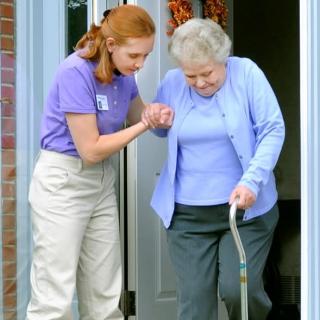
  • Activities of daily living assistance Activities of daily living assistanceActivities of daily living assistance are important for seniors because they provide essential support with tasks such as eating, bathing, dressing, and mobility. This assistance helps seniors maintain their independence, dignity, and overall quality of life as they age.
  • Assistance with bathing Assistance with bathingAssistance with bathing is crucial for seniors as it helps maintain personal hygiene, prevents infections, and ensures their overall well-being and comfort. It also provides a sense of dignity and independence for seniors who may struggle with this task on their own.
  • Assistance with dressing Assistance with dressingAssistance with dressing is important for seniors because it helps maintain their independence, promotes personal hygiene, prevents accidents and injuries, and improves overall quality of life. This service ensures that seniors can continue to dress comfortably and confidently, despite any physical limitations they may have.
  • Assistance with transfers Assistance with transfersAssistance with transfers is crucial for seniors as it helps prevent falls and injuries, maintains their independence, and ensures they can safely navigate their living environment. It also provides peace of mind for both seniors and their loved ones.
  • Diabetes diet Diabetes dietA diabetes diet is crucial for seniors as it helps manage blood sugar levels, reduce risks of complications, and improve overall health and well-being. By following a balanced and nutritious diet tailored to their specific needs, seniors can better control their diabetes and enhance their quality of life.
  • Meal preparation and service Meal preparation and serviceMeal preparation and service are crucial for seniors as they may have limited mobility or energy to cook nutritious meals. Having access to healthy and convenient food options can ensure they are getting the proper nutrition needed to maintain their overall health and well-being.
  • Medication management Medication managementMedication management is crucial for seniors to ensure they are taking the right medications at the correct dosages and times. This helps prevent adverse drug interactions, reduces the risk of medication errors, and promotes overall health and well-being. Proactive management also allows for adjustments as needed based on changing health conditions or new prescriptions.
  • Mental wellness program Mental wellness programMental wellness programs are essential for seniors as they promote cognitive stimulation, emotional support, and social engagement. These programs help prevent isolation, depression, and cognitive decline, ultimately enhancing the overall quality of life for older adults.
  • Special dietary restrictions Special dietary restrictionsSpecial dietary restrictions are important for seniors because age-related changes in metabolism and health conditions can make it difficult for their bodies to process certain foods. By following a diet tailored to their specific needs, seniors can maintain their overall health and well-being, manage chronic conditions, and reduce the risk of complications such as malnutrition or food interactions with medications.

Dining

  • Diabetes diet Diabetes dietA diabetes diet is crucial for seniors as it helps manage blood sugar levels, reduce risks of complications, and improve overall health and well-being. By following a balanced and nutritious diet tailored to their specific needs, seniors can better control their diabetes and enhance their quality of life.
  • Special dietary restrictions Special dietary restrictionsSpecial dietary restrictions are important for seniors because age-related changes in metabolism and health conditions can make it difficult for their bodies to process certain foods. By following a diet tailored to their specific needs, seniors can maintain their overall health and well-being, manage chronic conditions, and reduce the risk of complications such as malnutrition or food interactions with medications.

Activities

  • Community-sponsored activities Community-sponsored activitiesCommunity-sponsored activities are important for seniors as they provide opportunities for social interaction, mental stimulation, and physical activity. These activities can help improve overall well-being, combat loneliness and isolation, and promote a sense of belonging and purpose among older adults.
  • Concierge services Concierge servicesConcierge services are essential for seniors as they provide assistance with daily tasks and errands, enhance their quality of life by offering convenience and personalized care, and promote a sense of safety and security.
  • Fitness programs Fitness programsFitness programs are crucial for seniors as they help improve strength, flexibility, balance, and overall well-being. Staying active can reduce the risk of chronic diseases, improve mental health, and enhance quality of life in older adults.
  • Planned day trips Planned day tripsPlanned day trips are important for seniors because they offer opportunities for socialization, mental stimulation, and physical activity. They provide a change of scenery and help seniors stay engaged and connected to their community, promoting overall well-being and quality of life.
  • Resident-run activities Resident-run activitiesResident-run activities are important for seniors as they encourage social interaction, creativity, and a sense of autonomy. These activities empower seniors to stay engaged and active in their community while fostering meaningful connections with their peers.
  • Scheduled daily activities Scheduled daily activitiesScheduled daily activities are important for seniors because they provide structure, socialization, mental stimulation, and physical activity. Engaging in regular activities can improve overall well-being and quality of life for seniors living in a community setting.

Description

The Madeira Health Care Center in Cincinnati, OH is a premier assisted living community that offers a wide range of amenities and care services to enhance the comfort and well-being of its residents.

Residents can enjoy the convenience of on-site beauty salon services to stay looking their best. They can also relax and unwind while watching their favorite shows or movies with cable or satellite TV in their fully furnished apartments. The community operated transportation ensures that residents have easy access to nearby destinations, such as shopping centers or social outings.

For those who enjoy technology, there is a computer center available where residents can stay connected with loved ones or explore new interests online. The dining room offers restaurant-style dining for residents to savor delicious meals prepared by the skilled staff. Additionally, there is a kitchenette available for those who prefer some independence in meal preparation.

Physical fitness is encouraged through the fitness room and wellness center, allowing residents to stay active and maintain their health. There are also opportunities for entertainment and socialization with a gaming room, small library, and scheduled daily activities organized by the community.

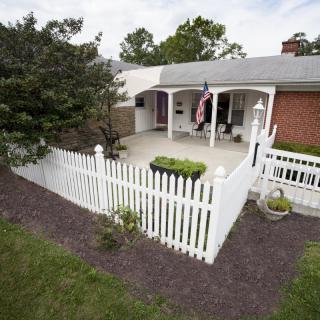
Residents can find solace in outdoor spaces including gardens and other outdoor areas designed for relaxation and enjoyment. Private bathrooms provide convenience and privacy for personal needs.

The Madeira Health Care Center prioritizes the safety and well-being of its residents with 24-hour call systems and supervision. Trained staff assist with activities of daily living such as bathing, dressing, transfers, medication management, diabetes diets, special dietary restrictions, and meal preparation services.

Transportation arrangements are available both for non-medical purposes and for doctor's appointments to ensure that residents have easy access to any necessary medical care. Move-in coordination services make transitioning into this community seamless.

Various amenities nearby add to the convenience of living at Madeira Health Care Center including cafes, pharmacies, physicians' offices, restaurants, places of worship, parks nearby creating a vibrant neighborhood that encourages exploration and engagement.

Overall, Madeira Health Care Center provides a comfortable and supportive environment for seniors to thrive, while offering a range of amenities, care services, and nearby attractions to enhance their quality of life.

Nearby Places of Interest

Pharmacies

  • Walgreens (0.4 miles)
  • CVS Pharmacy (2.3 miles)
  • Walgreens (2.7 miles)
  • CVS Pharmacy (2.8 miles)
  • Walgreens (3.2 miles)
  • Walgreens (3.2 miles)
  • CVS Pharmacy (4.7 miles)

Places of Worship

  • St Gertrude Church (0.6 miles)
  • City of Madisonville (3 miles)
  • Saint Margaret of Corona Catholic Church (3.2 miles)
  • Adath Israel Congregation (4 miles)
  • St Mary Church (5.5 miles)
  • St James of the Valley (6.8 miles)
  • Epiphany United Methodist Church (7 miles)

Restaurants

  • Cooper's Hawk Winery & Restaurant (1.2 miles)
  • McDonald's (1.3 miles)
  • The Cheesecake Factory (1.4 miles)
  • Maggiano's (1.4 miles)
  • Skyline Chili (1.7 miles)
  • MVP Sports Bar and Grille (2.4 miles)
  • Logo's Sports Bar & Grill (2.7 miles)

Physicians

  • Ohio Valley Orthopaedics and Sports Medicine (1.4 miles)
  • University Endoscopy Center (2.5 miles)
  • Kode Murthy (4 miles)
  • Cardiology Center of Cincinnati (4.4 miles)
  • Gastroenterology Specialists (4.6 miles)
  • Reading Family Practice (5.2 miles)
  • ESD Pediatric Group (5.4 miles)

Hospitals

  • Mercy Health - The Jewish Hospital (1.8 miles)
  • Trihealth Connect Training (4.3 miles)
  • TriHealth Seniority - TriHealth Bethesda North Hospital (4.5 miles)
  • Summit Behavioral Healthcare (6.1 miles)
  • Mercy Health Anderson Hospital (7.1 miles)

Cafes

  • Silverton Cafe (2.4 miles)
  • Starbucks (5.4 miles)
  • Starbucks (5.9 miles)
  • Gabby's Cafe (6.4 miles)
  • Starbucks (6.6 miles)

Parks

  • Chamberlin Park (2.5 miles)
  • Kroger Hills (2.9 miles)
  • Swaim Park (2.9 miles)
  • Dogwood Park (2.9 miles)
  • Mariemont Concourse (3.4 miles)
  • Blue Ash Summit Park (4.6 miles)
  • Weller Park (5.7 miles)

Transportation

  • Metro Bond Hill Garage (6.5 miles)

Frequently Asked Questions

Where is Madeira Health Care Center?

Nearby Communities

Related Resources